
Browse every active aging guide on Aging Independence, sorted by newest first.

The Blue Zone Secret Behind Self-Sufficient Elders
The secret behind self-sufficient elders in Blue Zones isn't a supplement, a gym membership, or a medical breakthrough.

How Hobbies Become a Force for Staying Independent
Hobbies become a force for staying independent because they maintain the physical abilities, mental sharpness, and social connections that independent...
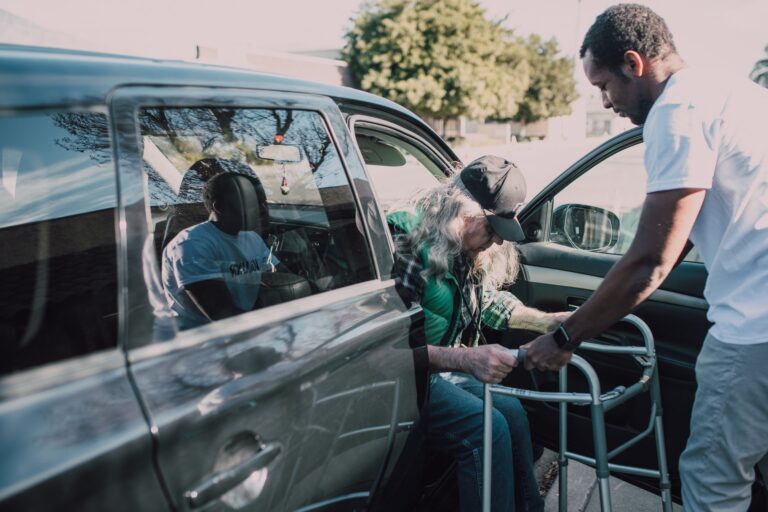
The Volunteer Work That Keeps Seniors Vital and Self-Reliant
Volunteer work keeps seniors vital and self-reliant by providing purpose, physical activity, social connection, and a sense of being needed—all factors...

Why a Sense of Purpose Beats Any Anti-Aging Pill
A sense of purpose — the feeling that your life matters and that you're working toward meaningful goals — has a measurable impact on…

How One Man Refused to Retire — and Stayed Independent
James Peterson, a 74-year-old former mechanical engineer, made a simple but unconventional choice at retirement age: he didn't retire.

The Reason-to-Get-Up-in-the-Morning That Adds Years
A reason to get up in the morning—whether it's caring for a grandchild, volunteering in your community, tending a garden, or working on a…

How ‘Ikigai’ Keeps Okinawans Independent Past 100
Ikigai—a Japanese concept meaning "reason for being"—keeps Okinawans independent well into their centenary years because the culture simply doesn't...

Why Purpose Is the Strongest Predictor of Independence
Purpose stands as the strongest predictor of independence in older adults because it provides the psychological fuel that drives people to maintain their...

The Community Ties That Keep People Out of Care Homes
The strongest predictor of whether someone will leave their home and enter institutional care has little to do with the condition of their body.
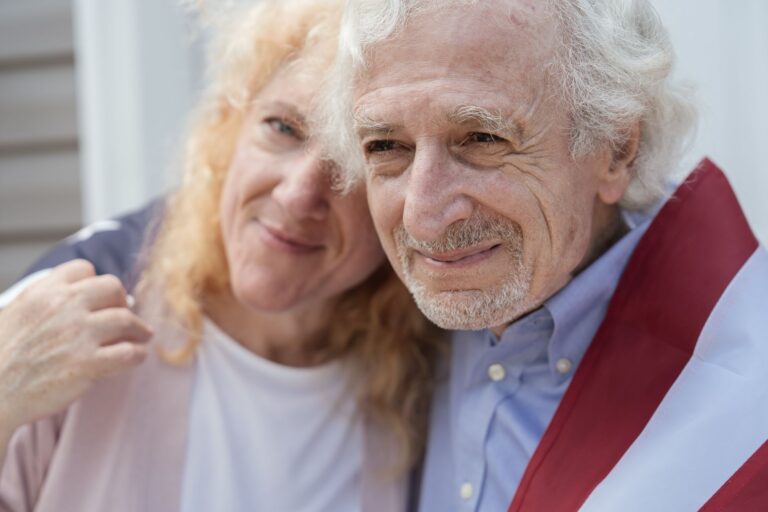
Why Independent Seniors Stay Close to Family and Friends
Independent seniors stay close to family and friends because proximity and regular contact create a safety net that actually enables rather than replaces...
How to Build a Support Network That Protects Your Freedom
Building a support network that protects your freedom means deliberately surrounding yourself with people, resources, and systems that enable you to make...
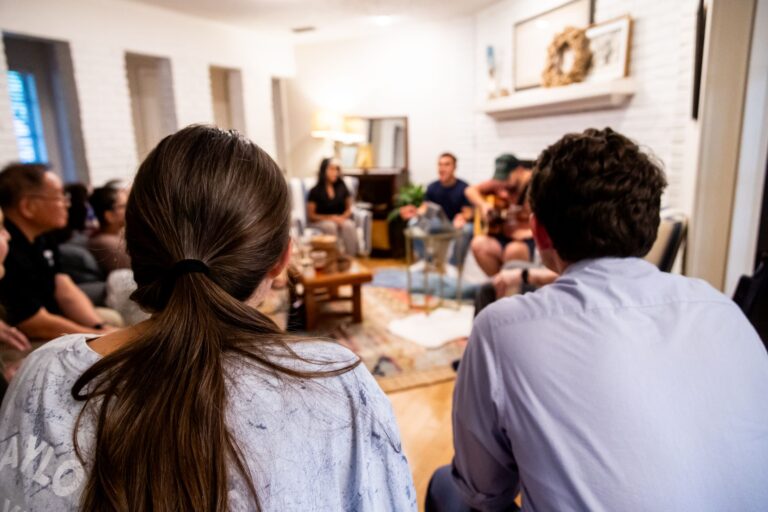
The Weekly Get-Togethers Behind Long Independent Lives
Weekly get-togethers keep seniors independent at home by addressing one of the greatest threats to aging in place: loneliness.
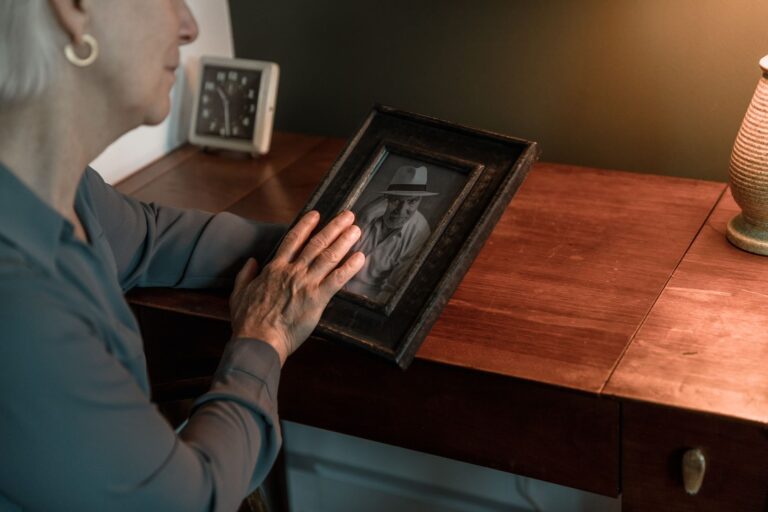
How One Widower Rebuilt a Social Life to Stay Independent
When Robert's wife of forty-two years passed away, he found himself alone in their suburban home with an unwelcome revelation: his independence was...
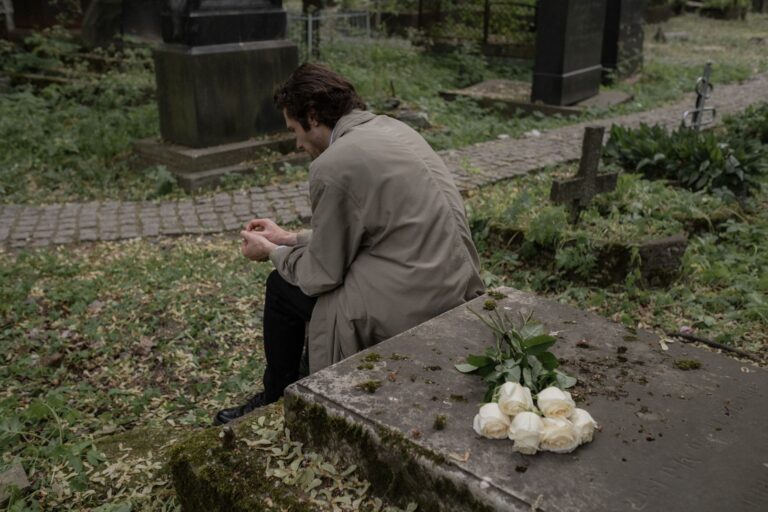
Why Loneliness Raises Death Risk Like 15 Cigarettes a Day
Yes, loneliness does raise your risk of premature death at a scale comparable to smoking fifteen cigarettes daily.
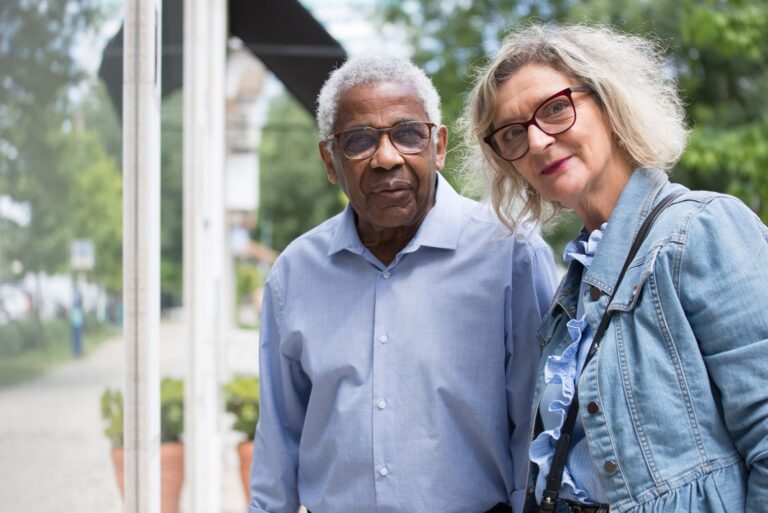
The Friendships That Keep Older Adults Living on Their Own
Friendships are often the difference between an older adult who thrives while living independently and one who gradually becomes isolated and at risk.

How Isolation Quietly Ends Senior Independence
Isolation is the hidden mechanism that dismantles senior independence, not suddenly but through the erosion of physical capability, mental resilience, and...

Why Social Connection Is as Vital as Quitting Smoking
Social connection is not a luxury or a pleasant pastime—it's a medical necessity that rivals quitting smoking in its impact on longevity and health.
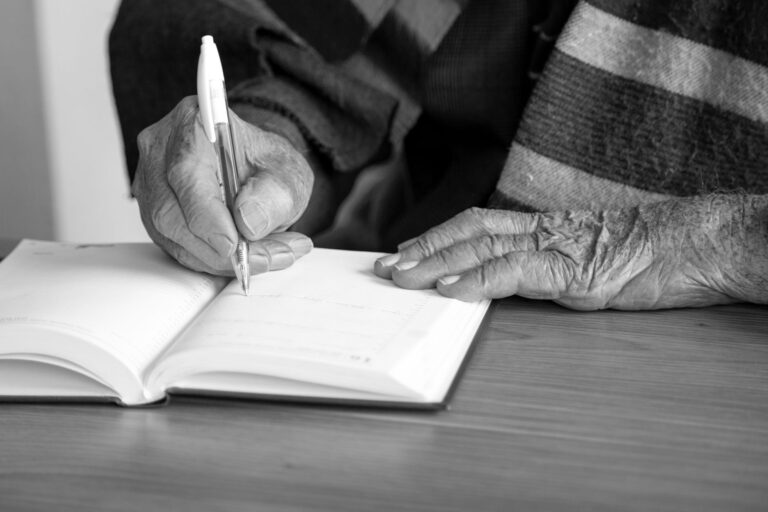
The Memory Tools That Keep Seniors Managing Their Own Lives
Memory tools—from simple pill organizers to smartphone reminders to wall calendars—form the practical backbone that allows seniors to stay independent...
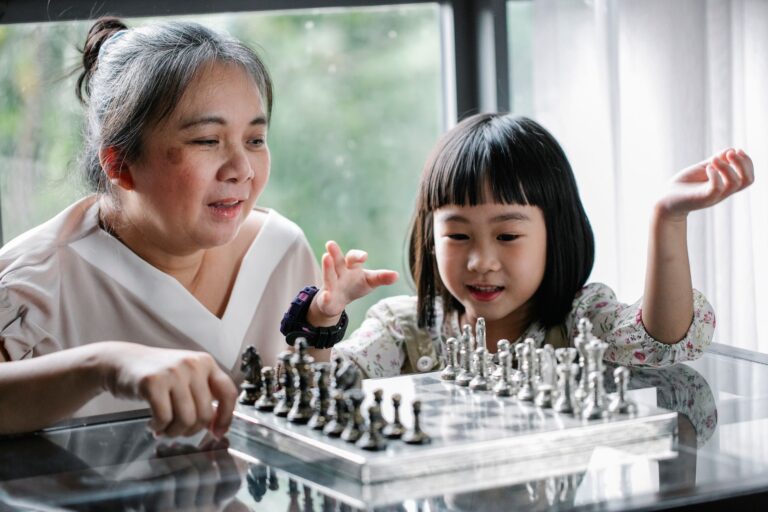
How to Catch Cognitive Decline Early Enough to Adapt
Catching cognitive decline early begins with paying attention to changes in how you or a loved one handles everyday tasks—not just occasional...

The Daily Mental Rituals of Independent 80-Year-Olds
Independent 80-year-olds who maintain sharp minds typically build their days around consistent mental rituals—structured activities and habits that keep...

Why Complex Conversations Are Brain Exercise for Seniors
Complex conversations function as genuine brain exercise for seniors because they demand simultaneous engagement of multiple cognitive systems—memory,...