
A sense of purpose — the feeling that your life matters and that you’re working toward meaningful goals — has a measurable impact on longevity and health that no anti-aging supplement or cosmetic procedure can match. Research shows that older adults with a strong sense of purpose live longer, recover faster from illness, maintain better cognitive function, and stay more physically active than those who lack it. Consider Helen, a 78-year-old who, after retiring, felt adrift and disconnected. Within two years, her health declined noticeably. When she volunteered with a youth literacy program, she found renewed energy, started walking daily again without pain, and her doctor noted improvements in her blood pressure and cognitive sharpness.
The shift wasn’t from a pill or treatment — it came from having reasons to wake up and show up. What makes purpose so powerful is that it directly influences behavior, motivation, and how your body responds to stress and aging. Purpose activates the parts of your brain responsible for planning, decision-making, and emotional regulation. It also correlates with lower rates of depression, stronger immune function, and better adherence to healthy habits. Unlike anti-aging products that promise to reverse what’s already happening, purpose prevents decline before it accelerates. It keeps you engaged, moving, thinking, and connected to others — the actual foundations of healthy aging.
Table of Contents
- How Purpose Protects Health Better Than Any Supplement
- Purpose and Cognitive Function — A Protection That Supplements Can’t Match
- Purpose Strengthens Social Connections, Which Drive Health Outcomes
- Creating Purpose When Retirement or Loss Removes Your Previous Direction
- Purpose When Mobility, Pain, or Health Limits Your Involvement
- Purpose and Financial Well-Being
- Purpose as the Foundation of Successful Aging in Place
- Conclusion
How Purpose Protects Health Better Than Any Supplement
The physiological mechanisms behind purpose are well-documented. Older adults with a strong sense of purpose show lower levels of inflammation markers, better immune response, and more stable blood sugar levels. A study tracking over 6,000 adults found that those with high purpose had a 27% lower risk of death from all causes over a 14-year period, even after controlling for depression and other risk factors. Purpose also affects behavior: people with clear goals are more likely to exercise regularly, eat well, sleep better, and stick with medical treatments — not because they’re forced to, but because these behaviors support what matters to them.
The contrast with anti-aging supplements is stark. Most such products lack robust evidence for their anti-aging claims and often depend on one-time purchases and continued sales. Purpose, by contrast, is free, renewable, and becomes more powerful over time. A 65-year-old who tutors teenagers, mentors a young professional, or leads a community project gets a “dose” of purpose every time they show up — and the benefits compound. Compare this to collagen supplements or resveratrol pills, where the evidence is mixed, effects are modest, and benefits disappear if you stop taking them.

Purpose and Cognitive Function — A Protection That Supplements Can’t Match
Cognitive decline is one of the most feared aspects of aging, yet purpose is one of the strongest buffers against it. older adults with high purpose scores perform better on cognitive tests, recover faster from stroke or illness, and have lower rates of Alzheimer’s disease and dementia. Purpose seems to create cognitive reserve — the brain’s ability to compensate for damage by using alternate neural pathways. When your mind is engaged in meaningful work, you’re constantly problem-solving, learning, and making decisions, which keeps neural networks active and resilient.
The limitation here is important to acknowledge: purpose alone cannot prevent all cognitive decline, especially in cases of advanced dementia or severe neurological disease. A person with early Alzheimer’s can still have strong purpose, but the disease will progress. However, purpose appears to slow decline and improve quality of life throughout the process. Someone who remains engaged in their community and maintains clear goals will navigate cognitive changes with more confidence and often with better outcomes than someone who withdraws and isolates. This is why cognitive training apps, brain games, and memory supplements often show disappointing results in long-term studies — they lack the emotional and social engagement that real purpose provides.
Purpose Strengthens Social Connections, Which Drive Health Outcomes
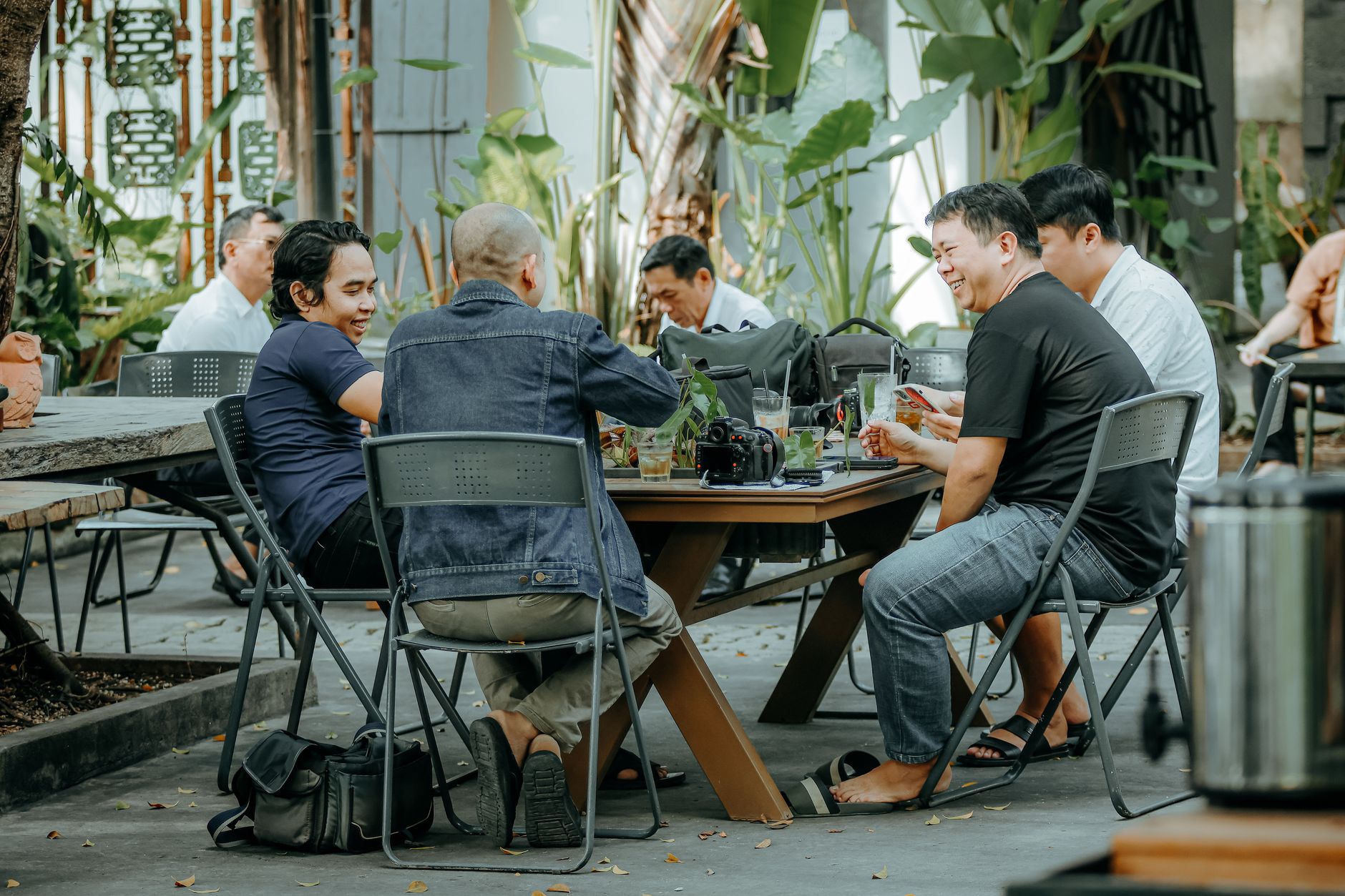
Isolation is as harmful to health as smoking or obesity. Purpose almost always involves other people — whether you’re mentoring, volunteering, caring for family, pursuing a hobby with others, or working toward a goal that helps your community. This social engagement is crucial because loneliness and social isolation accelerate aging, increase inflammation, and weaken immunity. Adults over 60 with strong social connections live significantly longer than isolated peers, regardless of other factors. A practical example: Margaret, 81, started a knitting circle at her local library, inviting neighbors to join.
Within months, not only did she feel more connected, but the group became a real support network. Members checked on each other during bad weather, helped with medical appointments, shared resources, and even prevented one member from falling through the cracks when her health declined. The health benefits came from the purpose (creating something for the community), the regular activity (knitting keeps hands and mind engaged), and the social connection. No anti-aging product offers this trifecta. When you’re isolated and purchasing supplements, you’re treating the symptom, not the cause of declining health.
Creating Purpose When Retirement or Loss Removes Your Previous Direction
For many people, work provides identity and purpose. Retirement can create a void that feels like falling off a cliff. The same is true when caregiving responsibilities end, when children move away, or when health limitations restrict what you could previously do. The challenge is that purpose doesn’t just happen — it must be actively chosen and pursued. Starting small and allowing purpose to evolve works better than trying to find one grand mission. Someone who loses a career as an accountant might not become a CFO for a nonprofit overnight, but they might tutor a high school student in math, help a friend organize their finances, or offer pro bono work one afternoon a week.
These smaller purposes build momentum, create connections, and often lead to bigger involvement. The tradeoff is that finding purpose requires energy and trial-and-error. You might volunteer at a place that doesn’t fit, join a group that feels wrong, or pursue something that loses its appeal. This is normal. Unlike buying a supplement (where the barrier is just money), pursuing purpose requires vulnerability and the willingness to fail. But the payoff — increased health, engagement, and longevity — makes it worth the effort.
Purpose When Mobility, Pain, or Health Limits Your Involvement
A significant limitation to acknowledge: if you’re in severe pain, have limited mobility, or are dealing with serious health challenges, finding or maintaining purpose becomes harder. You can’t volunteer if walking is painful. You can’t mentor if you’re too fatigued. You can’t lead a group if leaving home requires extensive planning. Anti-aging supplements at least don’t require physical ability to consume them — purpose does. The solution isn’t to abandon purpose during difficult health periods, but to adjust and redefine it.
Someone with arthritis who can’t volunteer in a garden might contribute by advising younger gardeners via video or phone. Someone homebound due to illness might mentor a young person online, write or record stories about their life, or help friends with problem-solving. The purpose shifts, but it doesn’t disappear. A warning: if you reduce your sense of purpose when health challenges arise, depression and isolation often follow quickly, which then accelerates physical decline. Purpose becomes even more important during health crises, not less. The adjustment required takes creativity and often support from others, but maintaining some thread of meaning is essential to aging well.

Purpose and Financial Well-Being
Purpose is also protective financially. Older adults with strong purpose are less likely to make impulsive financial decisions, less vulnerable to scams targeting older people, and more engaged in planning for their future. Someone with clear goals and an active mind is less likely to be persuaded that an expensive “anti-aging supplement” is worth the cost.
They’re also more likely to continue working part-time (if able), maintain their own finances, and stay vigilant about their money. This matters because the anti-aging industry is built on targeting anxieties about aging and offers expensive, often unnecessary solutions. A clear sense of purpose, by contrast, naturally steers you toward investments that matter: relationships, experiences, learning, and contribution. These investments typically improve your health and independence more reliably than the latest pill.
Purpose as the Foundation of Successful Aging in Place
Aging in place — the ability to live independently in your own home and community as you get older — depends on three things: physical capability, cognitive function, and motivation. Purpose drives all three. It motivates you to exercise and stay mobile, to engage your mind in ways that preserve cognitive function, and to remain connected to community, which provides practical support when you need it.
Someone who has purpose is more likely to invest in home modifications, stay on top of medical appointments, and maintain the social networks that keep them safe. As healthcare systems increasingly support aging in place over institutional settings, purpose becomes a critical health intervention — often more important than medications. The insight is simple but powerful: you must have reasons to take care of yourself. Purpose provides those reasons.
Conclusion
The evidence is clear: a sense of purpose is one of the most effective “anti-aging” interventions available, and it costs nothing. It improves longevity, protects cognitive function, prevents disease, strengthens immunity, and keeps you engaged in the activities and relationships that make life worth living. While anti-aging products promise to reverse aging from the outside in, purpose works from the inside out — changing how your body responds to stress, how your brain functions, and how you show up each day.
The next step isn’t to buy something, but to ask yourself what matters to you now and what you have to offer. The answer might be mentoring, volunteering, creating something, caring for others, learning, or contributing to your community. The specific form doesn’t matter as much as the genuine engagement and meaning it brings. That sense of purpose will do more for your health, independence, and longevity than any pill ever could.