
A reason to get up in the morning—whether it’s caring for a grandchild, volunteering in your community, tending a garden, or working on a passion project—can literally add years to your life. Research consistently shows that older adults with a strong sense of purpose live longer, healthier lives than those without one. The effect is measurable: studies have found that people over 65 with a clear life purpose have a 27% lower risk of premature death compared to those without one. When Margaret, a 72-year-old former teacher, started tutoring immigrant children three days a week after retiring, she wasn’t just filling her calendar—she was activating one of the most powerful health factors available to her. Purpose isn’t abstract philosophy or motivational speak.
It’s a concrete reason your body wakes up each morning feeling like your time matters. This differs fundamentally from happiness or contentment alone. You can be content sitting on a porch but feel purposeless. Purpose creates engagement, routine, and social connection—all of which reduce inflammation, lower blood pressure, improve sleep quality, and strengthen immune function. The mechanism is biological as much as psychological.
Table of Contents
- Why Does Having a Purpose Actually Extend Your Lifespan?
- The Different Types of Purpose and Their Limits
- How Purpose Rewires Your Brain and Body for Longevity
- Building and Maintaining Purpose as You Age
- When Purpose Becomes Burden and How to Recognize It
- The Social Connection Hidden Inside Purpose
- Purpose as a Practical Tool, Not Just Philosophy
- Conclusion
Why Does Having a Purpose Actually Extend Your Lifespan?
When researchers followed over 6,000 Japanese adults for 13 years, those with a sense of purpose (what Japanese culture calls “ikigai”) had significantly lower rates of heart disease and stroke. Their stress hormones remained lower, their cardiovascular systems stayed more resilient, and they recovered faster from illness. Purpose acts as a buffer against the physical toll of aging—not by making you younger, but by giving your body a biological reason to keep functioning well. This isn’t metaphorical; brain imaging shows that people with purpose have different patterns of neural activity and inflammation markers. The protective effect works partly through behavior.
People with purpose tend to exercise more consistently, eat better, take medications as prescribed, and see their doctors regularly. They’re not following a health regimen out of obligation but because they need to stay functional for something that matters. A woman caring for her grandchildren stays mobile because her knees need to work. A man volunteering at an animal shelter moves through his day with intention. The activity itself—the reason to move, to engage, to show up—becomes the health intervention.

The Different Types of Purpose and Their Limits
Purpose takes many forms in the second half of life: contributing to family, serving others, creative expression, learning something new, or solving a problem you care about. Some purposes are deeply relational, like being a grandparent or caregiver. Others are independent, like writing a memoir, mastering a craft, or building something. All appear to carry longevity benefits, but they’re not interchangeable. A caregiver’s purpose comes with both rewards and strain—caregiving that includes emotional stress without sufficient support can damage health rather than protect it. The caregiver who feels trapped, resentful, or exhausted doesn’t experience the same life-extending benefits; sometimes they experience the opposite.
Purpose also needs renewal as circumstances change. When retirement eliminated a person’s professional identity, a new purpose must emerge. If mobility declines and you can no longer volunteer in the way you did, purpose might need to shift from hands-on work to mentoring or advising. The risk isn’t just that you lose that particular activity; it’s that you lose the sense that your presence matters at all. A widower whose primary purpose was supporting his wife faces not just grief but the practical problem of needing to construct a new reason to organize his day. The research on purpose extends life, but it’s quieter about how difficult it can be to find or maintain.
How Purpose Rewires Your Brain and Body for Longevity
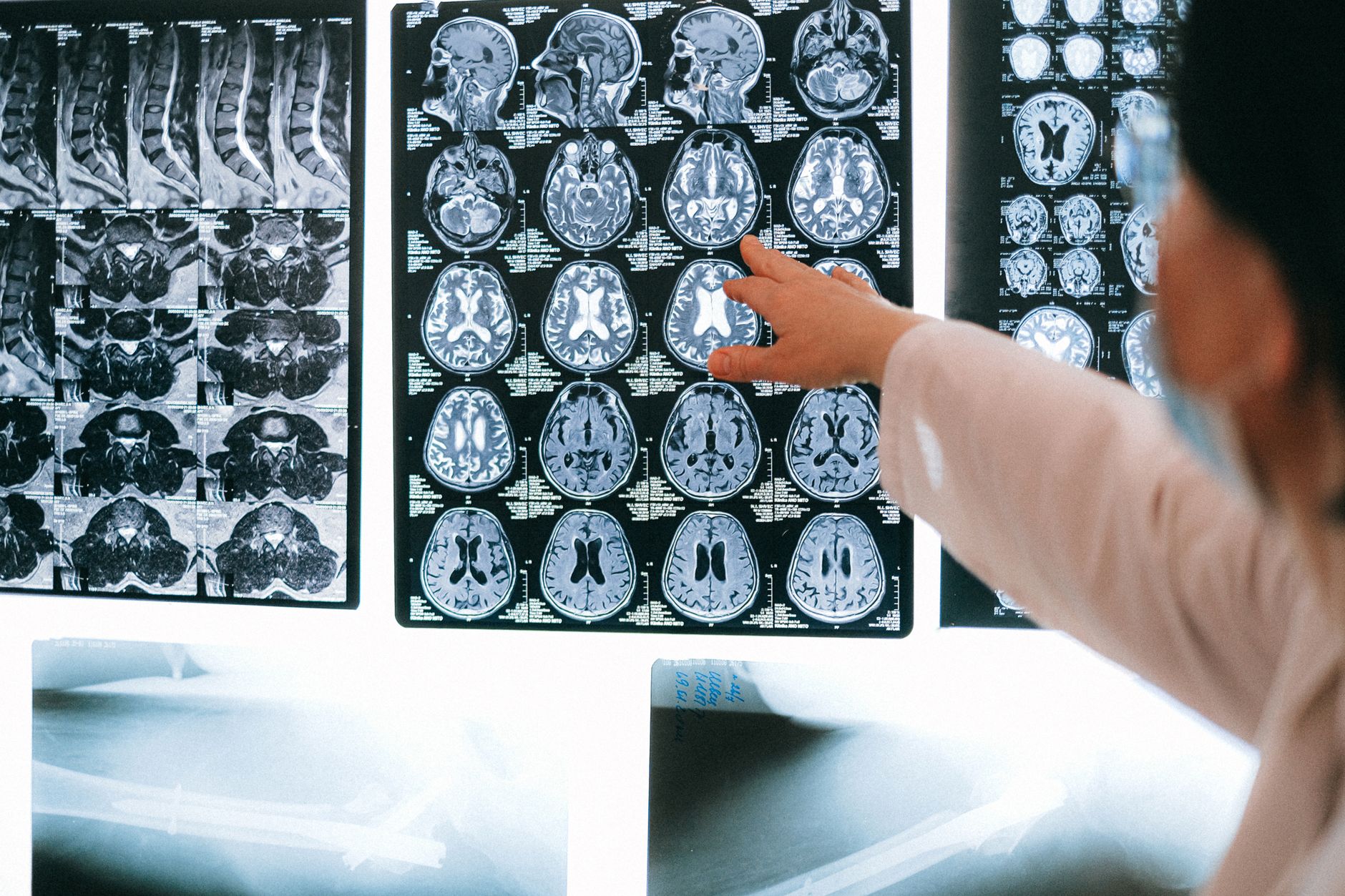
Purpose engages the prefrontal cortex—the part of your brain responsible for planning, decision-making, and future thinking. When this region stays actively engaged (through having goals, making plans, learning new things), it maintains better connections with other brain regions involved in memory and emotional regulation. This functional resilience translates to lower rates of cognitive decline and dementia. older adults with purpose show less brain atrophy in regions associated with Alzheimer’s disease, even when controlling for education and other factors.
At the cellular level, purpose appears to reduce chronic inflammation—the slow-burning immune response linked to heart disease, cancer, diabetes, and neurological decline. People with purpose have lower levels of C-reactive protein and interleukin-6, inflammatory markers that rise with age and stress. They also sleep better, which compounds the benefit: better sleep improves immune function, clears metabolic waste from the brain, and stabilizes blood sugar and heart rhythm. A study of older adults found that those with a strong sense of purpose took fewer medications and made fewer emergency room visits, even when researchers adjusted for baseline health status.
Building and Maintaining Purpose as You Age
Finding a new purpose often means starting small and giving yourself permission to discover it through action rather than reflection. Some people attend a class or volunteer orientation without knowing whether it will stick, and the activity itself reveals whether it feels meaningful. Others connect purpose to something they already love—reading becomes tutoring others, gardening becomes teaching neighborhood youth, lifelong curiosity becomes mentoring. The goal isn’t to find a grand calling but to identify something specific, recurring, and meaningful enough that it genuinely pulls you out of bed. For those with mobility limits or chronic illness, purpose might need to be adapted rather than abandoned.
A person with arthritis might move from leading a youth group to advising it by phone. Someone managing heart disease might shift from physical volunteering to grant writing or strategic planning. An older adult living in assisted care can still tutor, advise, write letters, or stay involved in family decisions. The research doesn’t distinguish between a retired architect designing a youth center and a retired accountant helping a nonprofit with bookkeeping—both involve contribution and engagement. What matters is that the activity feels necessary, not optional or out of obligation.
When Purpose Becomes Burden and How to Recognize It
Purpose should energize, but caregiving or responsibility taken on out of guilt or obligation can deplete rather than sustain. A daughter caring for an aging parent without help, without respite, and without family support doesn’t experience the health benefits of purpose; she experiences chronic stress. The biological markers—stress hormones, inflammation—point toward harm rather than protection.
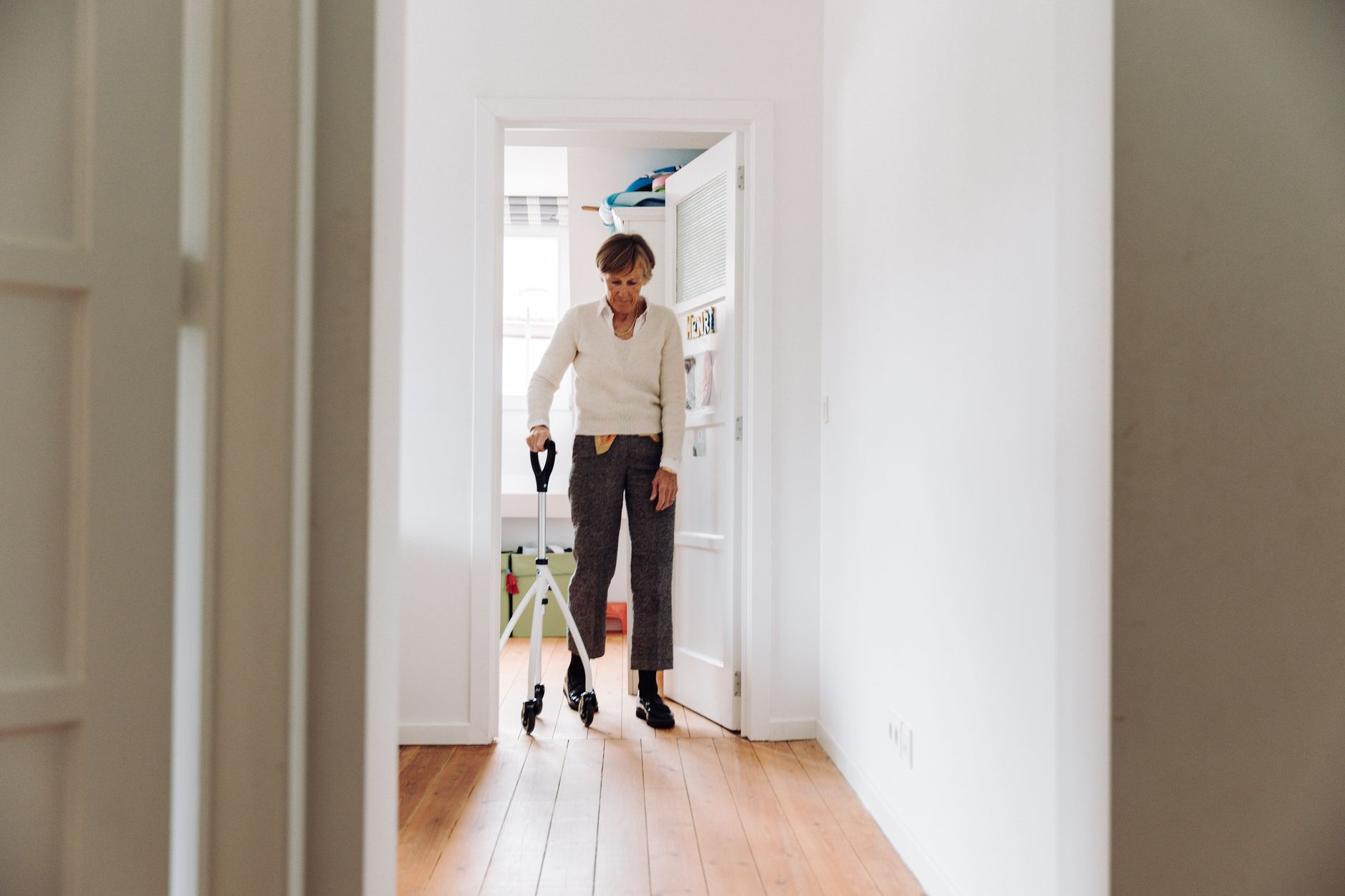
Recognizing the difference is important: Does the activity make you feel needed and functional, or trapped and exhausted? Does it build connection or deepen isolation? Some people also face the risk of making purpose too narrow—identifying so completely with a single role (grandparent, caregiver, volunteer) that losing that role means losing the will to get up. When that caregiver’s child grows independent, or the volunteer organization closes, or mobility declines too far to continue the same work, the sudden absence of purpose can precipitate depression and decline. Building purpose with some flexibility and multiple sources of meaning—not putting all your sense of mattering into one basket—provides some protection against that shock.
The Social Connection Hidden Inside Purpose
Purpose rarely happens in isolation. Tutoring children, volunteering at a community center, caring for family, or working on a creative project almost always involves other people. This social dimension might be as important as the purpose itself.
Older adults who feel socially connected live 15 years longer on average than isolated peers. Purpose and social connection compound each other: the volunteer meets people, the caregiver deepens family bonds, the gardener club member has weekly companions. If you’re choosing or building a purpose, proximity to meaningful relationships should probably be part of the calculation.
Purpose as a Practical Tool, Not Just Philosophy
The research on purpose might feel like it belongs to philosophy rather than aging and independence. But it’s practical: if you want to live longer and maintain function longer, purpose is one of the strongest interventions available to you—more powerful than many medications, free, and entirely within your control.
It’s not something only happy or privileged people find. People in difficult circumstances, managing serious illness, living alone, or facing economic strain still identify sources of purpose and experience the benefits. The mechanism works the same way.
Conclusion
A reason to get up in the morning adds years because it recruits your entire body into showing up and functioning well. Purpose reduces inflammation, improves sleep, steadies your nervous system, engages your brain, and creates social connection—all of which extend both lifespan and healthspan. The reason doesn’t need to be grand or famous; it needs to be real and recurring: teaching a skill, showing up for family, tending something, or solving a problem you believe matters. If you’re in the second half of life and feel purposeless, or if your old sources of purpose have fallen away, now is the time to build or rebuild.
Look at what you love, what people around you need, what you’re curious about, and what you could do regularly that would make a concrete difference. Start small. Pay attention to whether it energizes or depletes you. That reason to get up—when you find it or build it—might literally add years to your life.