
Browse every active aging guide on Aging Independence, sorted by newest first.
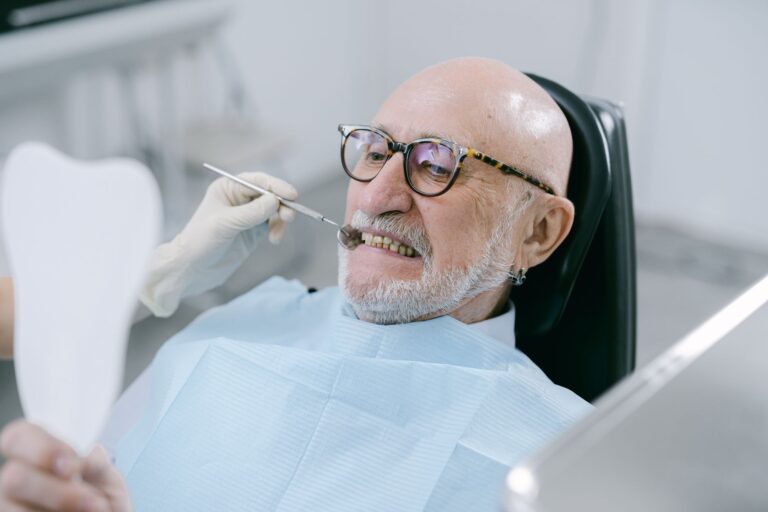
How Dental Health Connects to Senior Independence
Dental health is not a cosmetic concern for older adults—it's a fundamental pillar of independence.
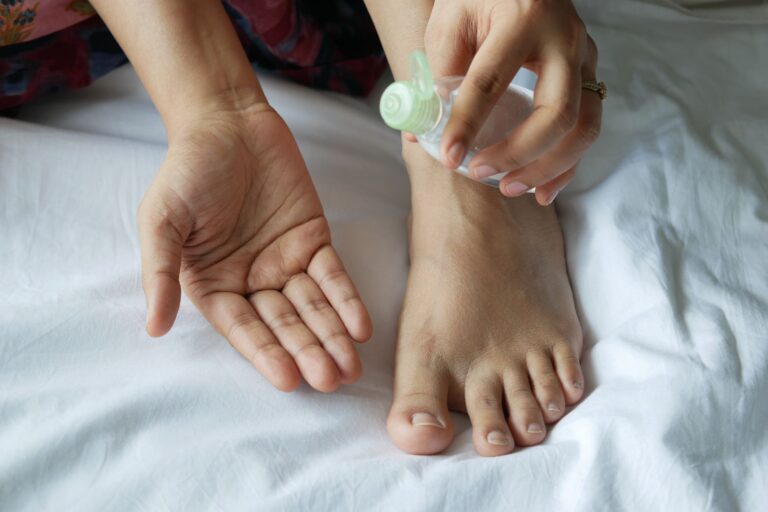
Why Foot Care Is Underrated for Staying Mobile
Foot care is underrated because most people don't realize that the health of their feet directly determines whether they can walk with confidence,...
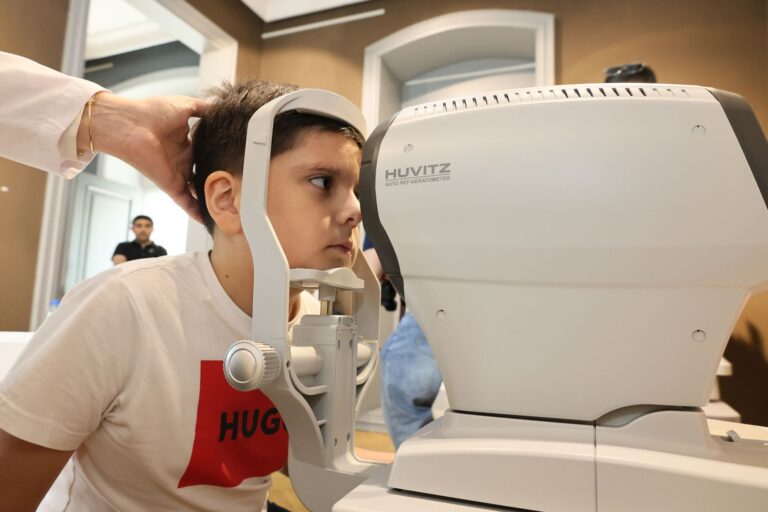
The Vision and Hearing Checks That Prevent Falls
Vision and hearing checks prevent falls by identifying sensory deficits that compromise balance, depth perception, and spatial awareness—the three pillars...
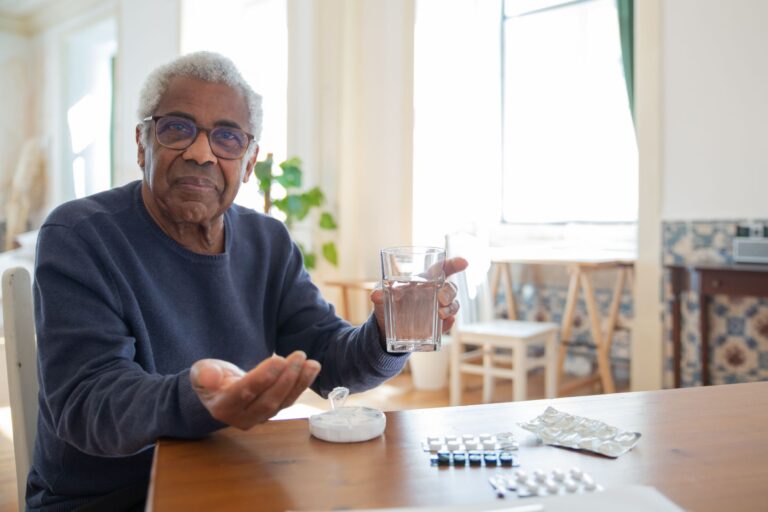
How Medication Routines Keep Seniors Living Alone Safely
Medication routines create the essential scaffolding that allows seniors to live independently at home with significantly reduced risk of adverse health...
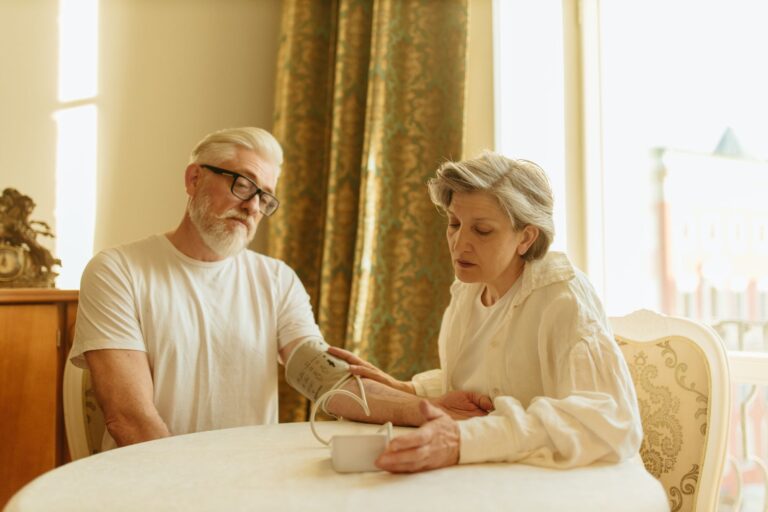
Why Managing Chronic Conditions Protects Your Freedom
Managing chronic conditions protects your freedom because uncontrolled illness forces dependence on others, while managed conditions allow you to remain...
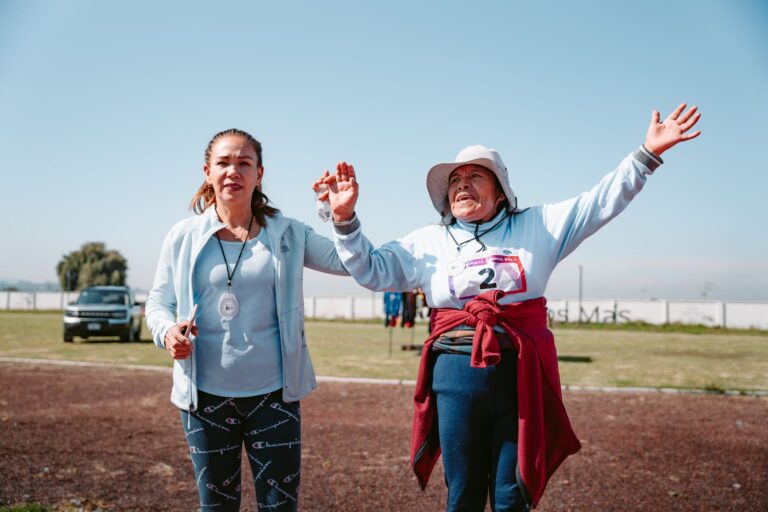
The Health Numbers Seniors Track to Stay Self-Sufficient
Seniors who remain independent closely monitor five critical health numbers: blood pressure, weight, blood glucose levels, walking speed or balance test...
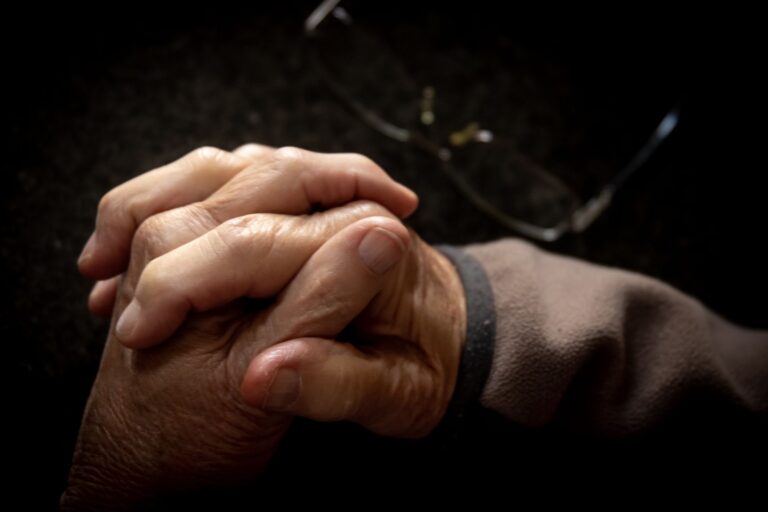
How One Senior’s Vigilance Kept a Small Issue From Ending Independence
A small problem caught early can mean the difference between maintaining independence and losing it entirely.
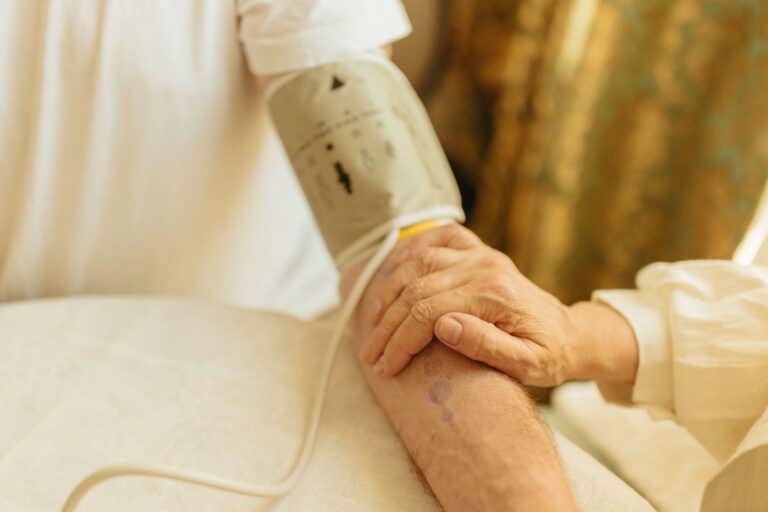
The Annual Checkups Independent Seniors Never Skip
Independent seniors need annual checkups because early detection of health problems is the difference between living freely at home and losing the ability...
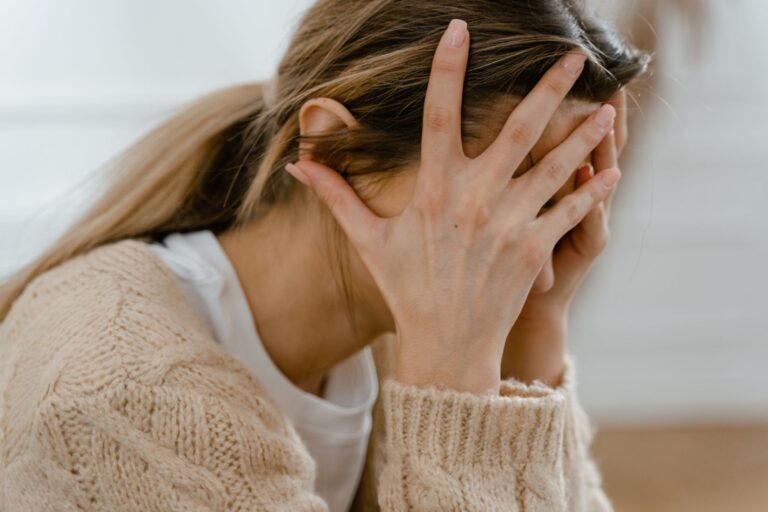
How to Catch Health Problems Early Enough to Stay Home
Catching health problems early enough to stay home means knowing what "normal" looks like for your own body, then noticing when something changes—before...

Why Rest Is a Pillar of Lifelong Independence
Rest is not a luxury for older adults seeking to maintain independence—it is a biological requirement that directly determines whether you can stand...

How Consistent Routines Keep Older Adults Steady and Safe
Consistent routines keep older adults steady and safe by reducing falls, preventing medication errors, and lowering the risk of hospitalization.
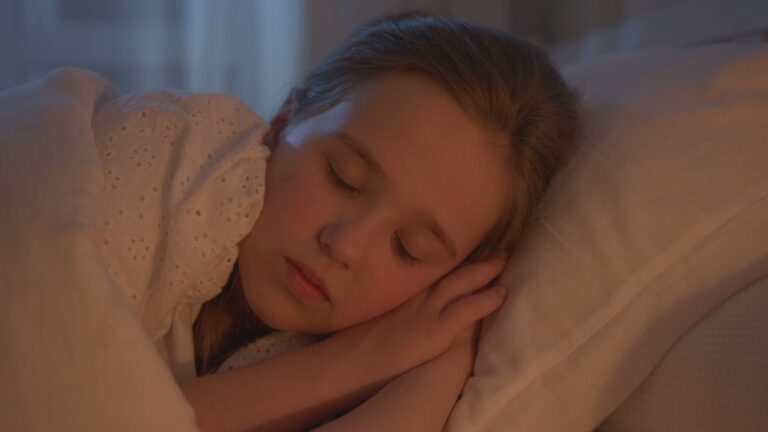
The Sleep Fix That Sharpened One Retiree’s Days
Better sleep directly sharpened one retiree's daytime alertness, balance, and ability to handle daily tasks independently.
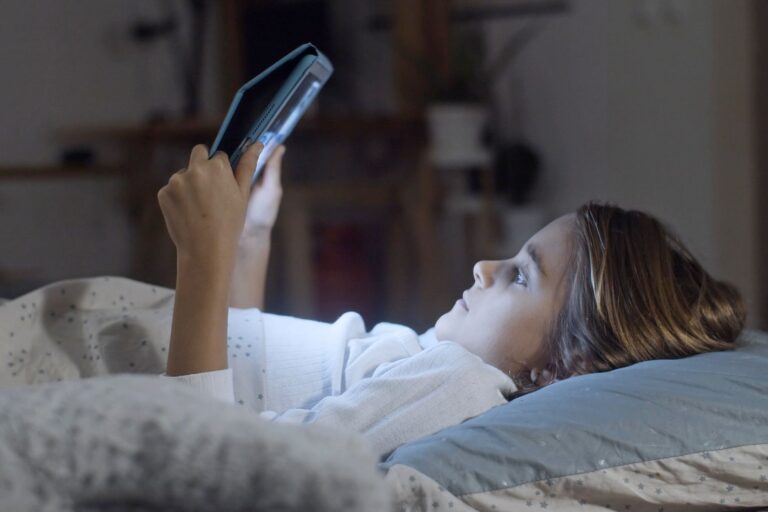
Why Screen Time Before Bed Undermines Senior Health
Screen time before bed undermines senior health primarily through its effect on melatonin production and sleep quality.
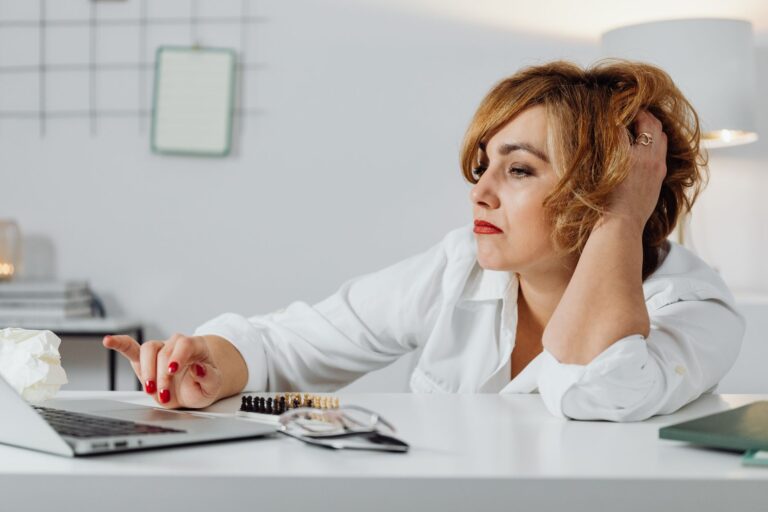
How One Woman Managed Stress to Avoid Burnout and Decline
Maria, a 62-year-old who spent five years managing her aging mother's care while working full-time, noticed the early signs of burnout in small ways:...
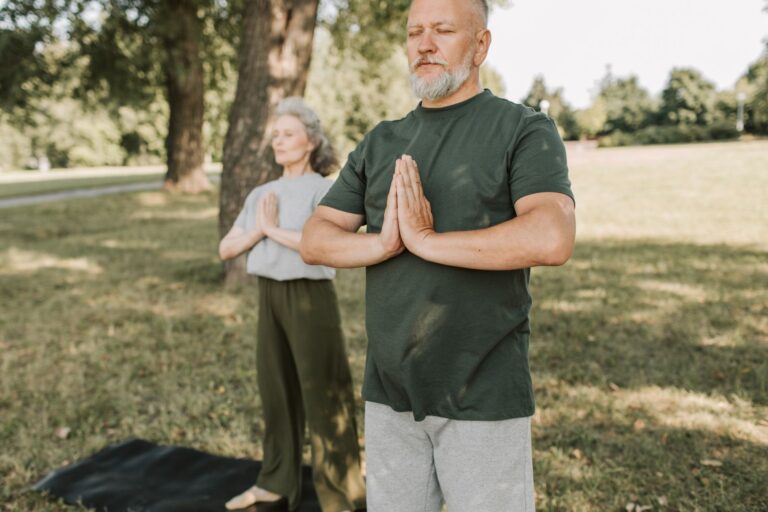
The Stress Habits That Keep Seniors Healthy and Home
The stress habits that keep seniors healthy and home are simple, consistent practices—like daily walks, regular social contact, purposeful work, and...
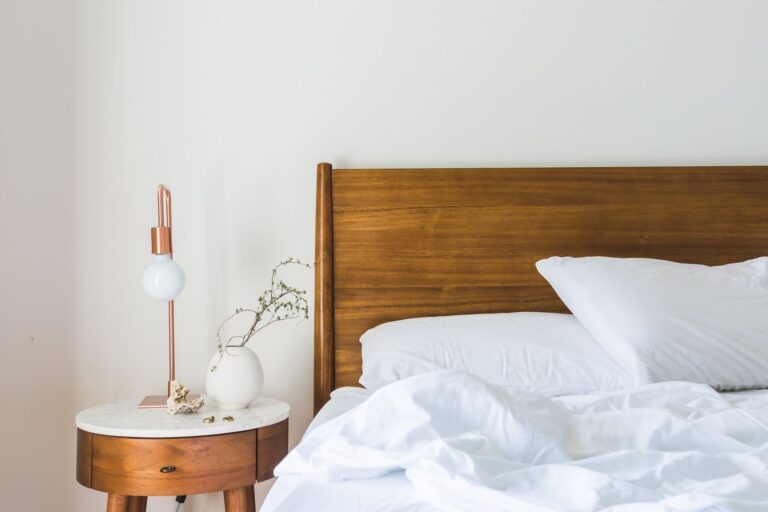
Why a Cool, Quiet Bedroom Matters More With Age
As we age, the quality of our sleep becomes increasingly critical to maintaining independence, health, and the ability to safely navigate daily life.
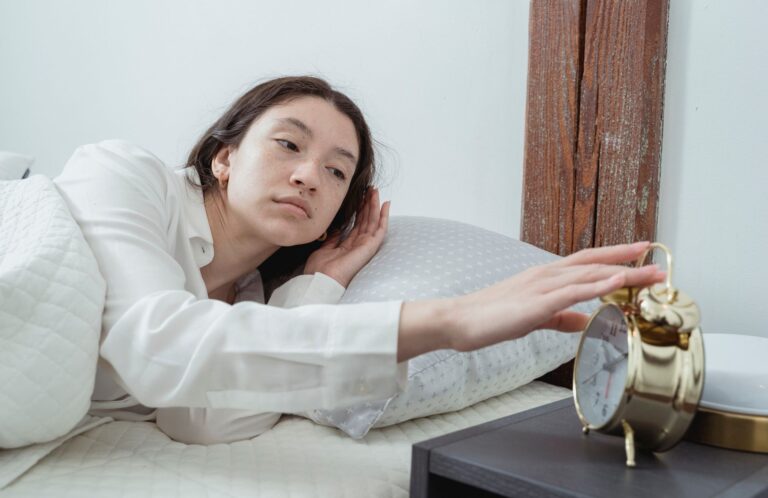
How Poor Sleep Speeds the Loss of Independence
Poor sleep doesn't just leave you tired. It systematically dismantles the physical, mental, and emotional systems required to live independently.

The Bedtime Routine of People Who Age Well at Home
People who age well at home share a deliberate approach to bedtime that goes far beyond simply falling asleep.
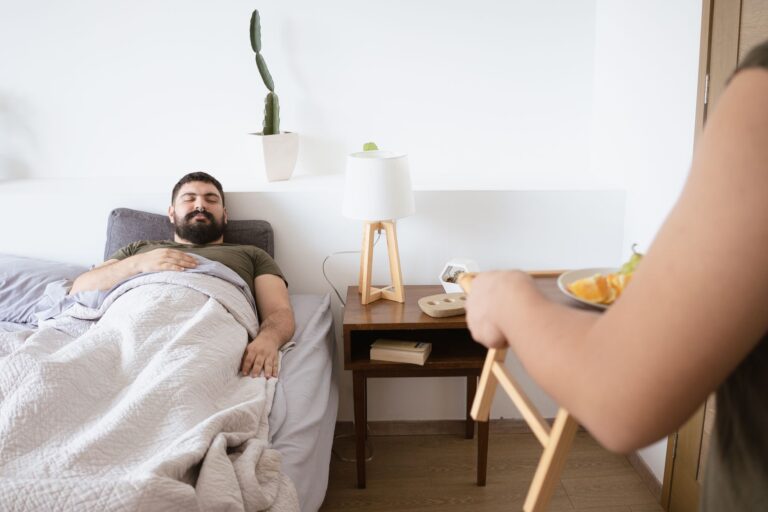
Why Quality Sleep Protects Your Independence
Quality sleep is one of the most direct protections you have for your independence, yet it's often the first thing people sacrifice as they…

How Optimism Keeps Older Adults Living Life Their Way
Optimism doesn't just feel good for older adults—it fundamentally shapes their ability to maintain independence and live on their own terms.
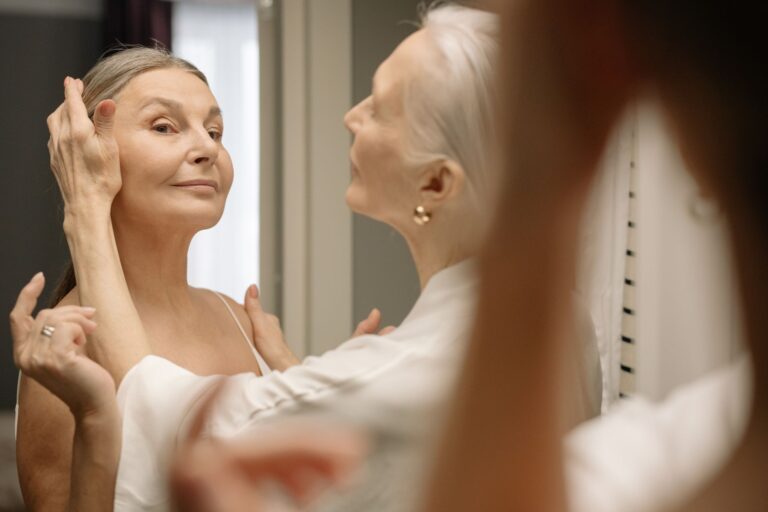
Why Feeling Younger Than Your Age Predicts Independence
Feeling younger than your actual age is not just a state of mind—it's a measurable predictor of whether you'll maintain your independence as you…