
Browse every active aging guide on Aging Independence, sorted by newest first.
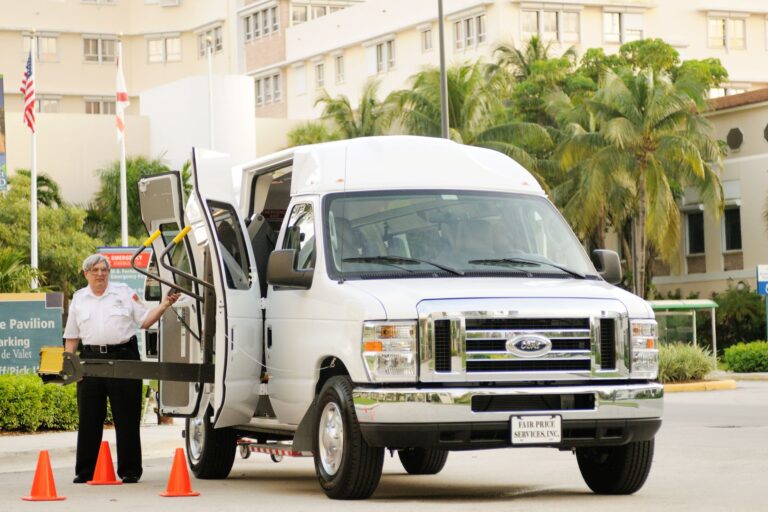
The Transportation Options That Preserve Independence
The transportation options that preserve independence are those that allow people to get where they need to go without relying entirely on someone else…

How Seniors Keep Their Mobility When Driving Gets Harder
Seniors keep their mobility when driving gets harder by combining reduced driving with strategic alternatives: using ride services, relying on family,...

The Signs It’s Time to Adapt — Not Surrender — Your Driving
The question isn't whether you can still turn a steering wheel or see the road—it's whether you can respond to what happens on it.
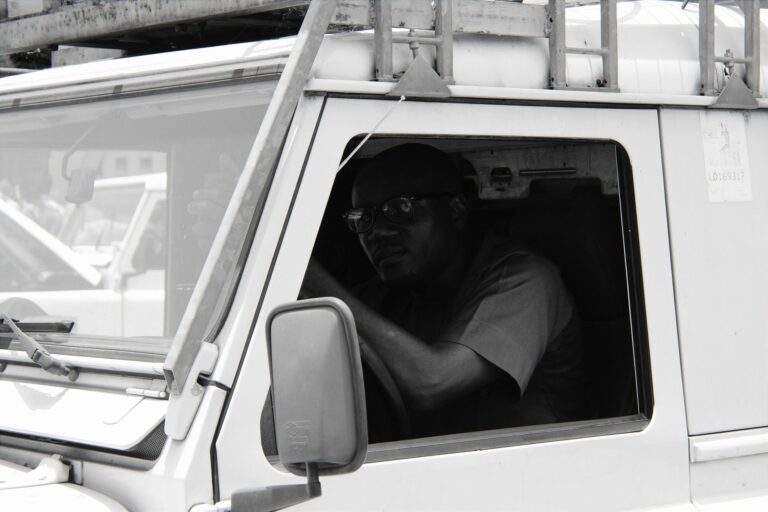
How One Driver Stayed Behind the Wheel Safely at 92
One driver in his nineties maintained his independence behind the wheel not through luck, but through a deliberate combination of regular medical...
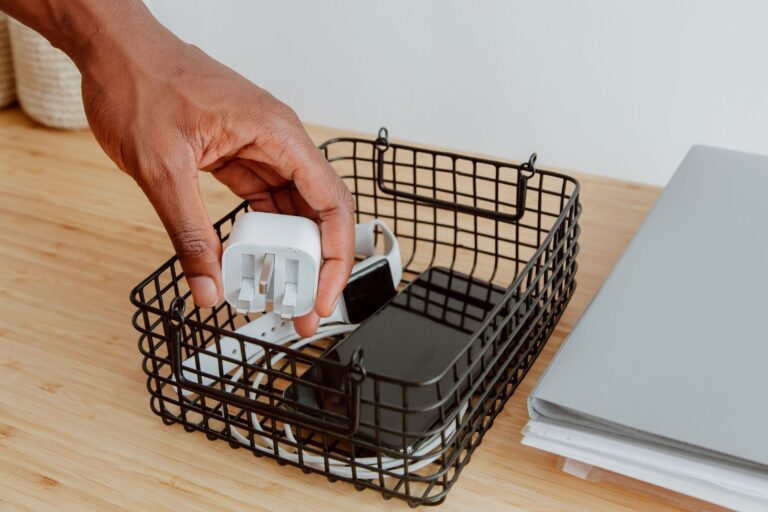
How Smart Storage Keeps Independent Seniors Self-Reliant
Smart storage systems keep independent seniors self-reliant by making it physically easier to find what they need, remember where things are, and access...
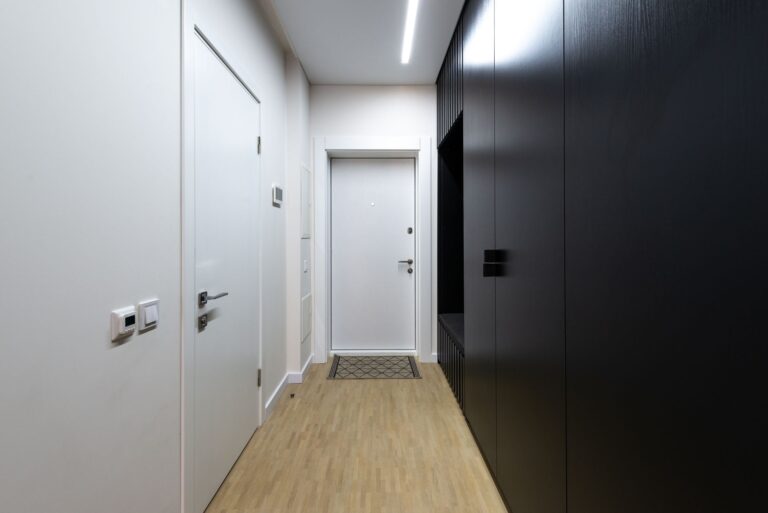
The Entryway Fixes That Keep Seniors Coming and Going Safely
Safe entryway modifications come down to three essential changes: eliminating tripping hazards, improving lighting and visibility, and installing grab...

How to Future-Proof Your Home Before You Retire
Future-proofing your home before retirement means making structural, safety, and accessibility modifications now so you can age in place safely and...

Why a Clear Path Through the House Protects Independence
A clear path through the house is one of the most overlooked yet powerful tools for protecting independence in older age.
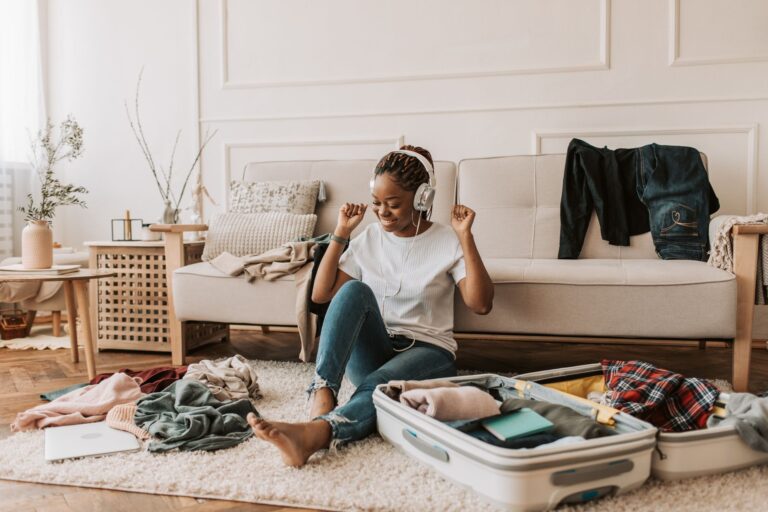
How to Arrange a Home So You Never Have to Reach or Bend
The practical answer to arranging your home so you never have to reach or bend is straightforward: store everything at waist to eye level,…
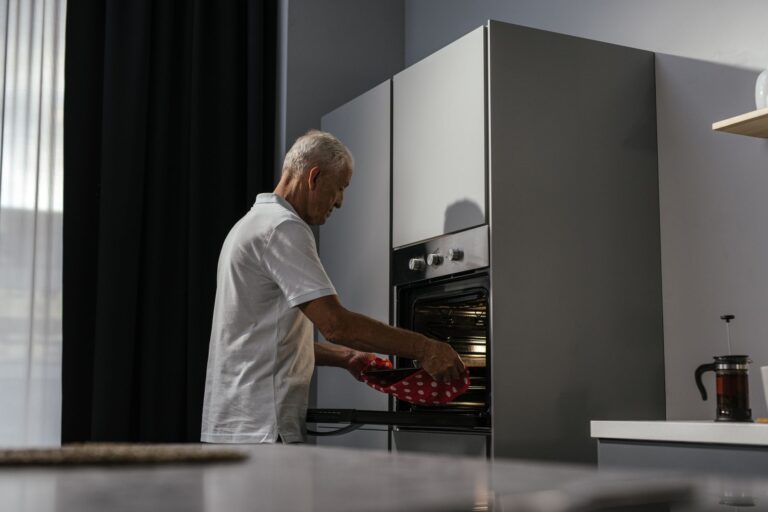
The Kitchen Setup That Keeps Seniors Cooking Safely
A safe kitchen setup for seniors combines three essential elements: accessible storage and appliances positioned at comfortable heights, clear visibility...

Why Keeping Daily Items Waist-High Prevents Falls
Keeping your daily items waist-high prevents falls because it eliminates the need to reach overhead or climb to access things you use every day.
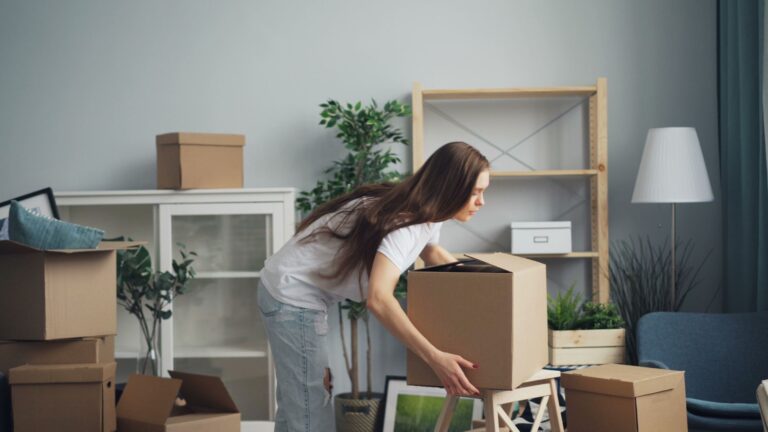
How to Organize a Home for Long-Term Independence
Organizing your home for long-term independence means deliberately removing obstacles to daily living, positioning frequently used items within easy...

How One Couple’s Simple Habits Kept Them Home Together
The secret isn't complicated, and it doesn't require expensive interventions or specialized equipment.

The Routine Shared by Seniors Who Never Moved Out
The routine that seniors who never left their longtime homes share is deceptively simple: they stay active, they eat well, they maintain social...

How Small Daily Choices Add Up to Decades of Freedom
The choices you make today—whether to take the stairs or the elevator, to spend an hour walking outside or streaming at home, to maintain…
The Habits to Start at 60 to Stay Home at 80
The habits you build in your 60s directly determine whether you'll live independently in your 80s.

Why It’s Never Too Late to Protect Your Independence
It's never too late to protect your independence because the capacity to make meaningful changes doesn't expire with age.

How to Build Independence Habits Before You Actually Need Them
Building independence habits before you actually need them is about establishing routines, skills, and physical practices now that will keep you...

The 8 Daily Rituals of People Independent Into Their 80s
People who remain independent into their 80s share a fundamental difference from those who lose autonomy: they prioritize health-adjusted longevity over...

How Stanford Experts Say to Stay Independent in Your 60s and 70s
Stanford research centers on aging and longevity studies point to three core pillars for maintaining independence in your 60s and 70s: building and...

The 10 Habits People Over 70 Use to Stay Independent
People over 70 who maintain independence share ten consistent habits that keep them active, mobile, and living on their own terms.