
Browse every active aging guide on Aging Independence, sorted by newest first.

How One Retiree Kept Her Mind Sharp Enough to Live Alone
Maria Garcia stayed sharp enough to live alone at 79 by making cognitive engagement as routine as her morning coffee.

The Cognitive Warning Signs Independent Seniors Watch For
The cognitive warning signs independent seniors need to watch for are changes in memory, difficulty managing finances and medication, getting lost in...

How Crossword Puzzles Fit Into a Stay-Home Strategy
Crossword puzzles fit into a stay-home strategy as a scientifically proven cognitive protection tool that helps maintain mental sharpness, delay memory...
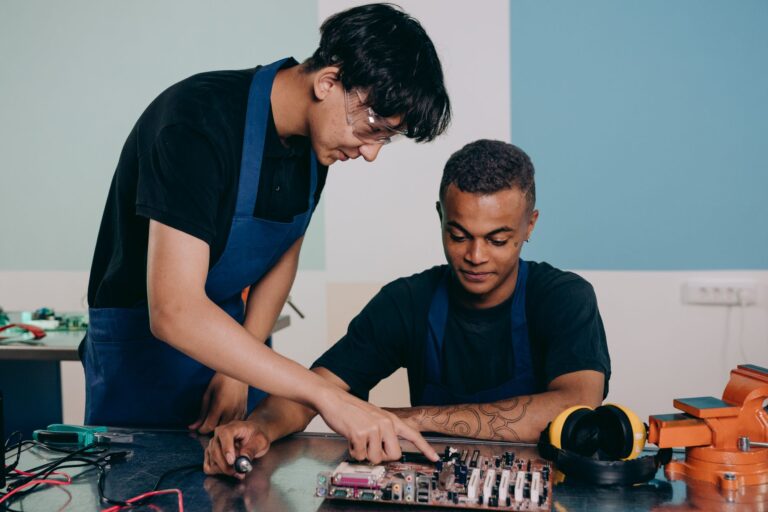
Why Learning New Skills Protects Your Independence
Learning new skills directly protects your independence because it strengthens the cognitive and physical abilities you rely on every day to live on your...
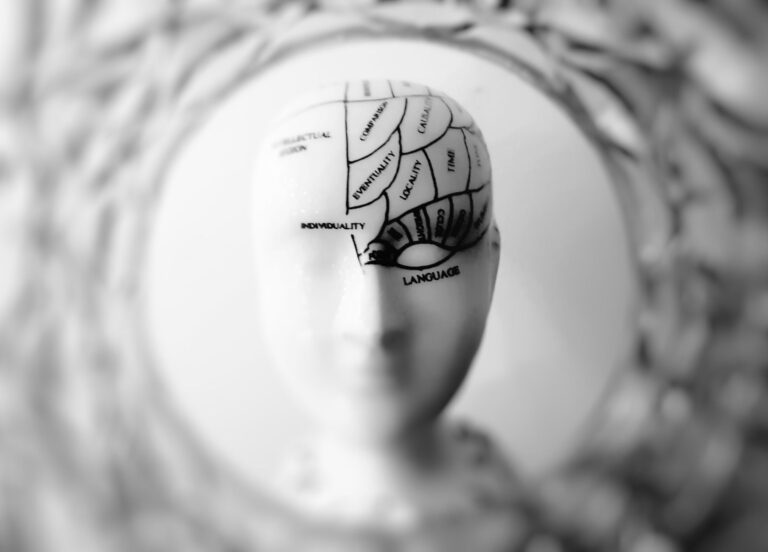
The Brain Habits of People Who Stay Sharp Past 90
People who stay mentally sharp past 90 aren't relying on genetic luck alone. Research from Northwestern University's 25-year study, which followed 290...
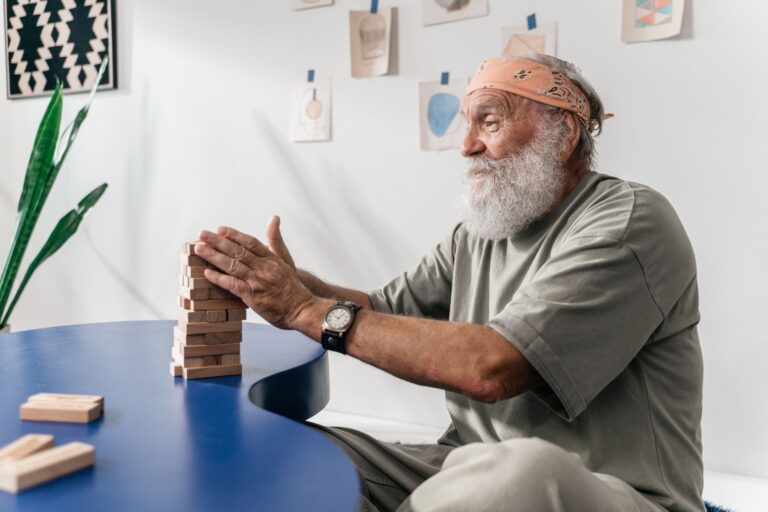
How Mental Engagement Keeps Seniors in Their Own Homes
Mental engagement is one of the most underestimated factors in enabling seniors to remain in their own homes.
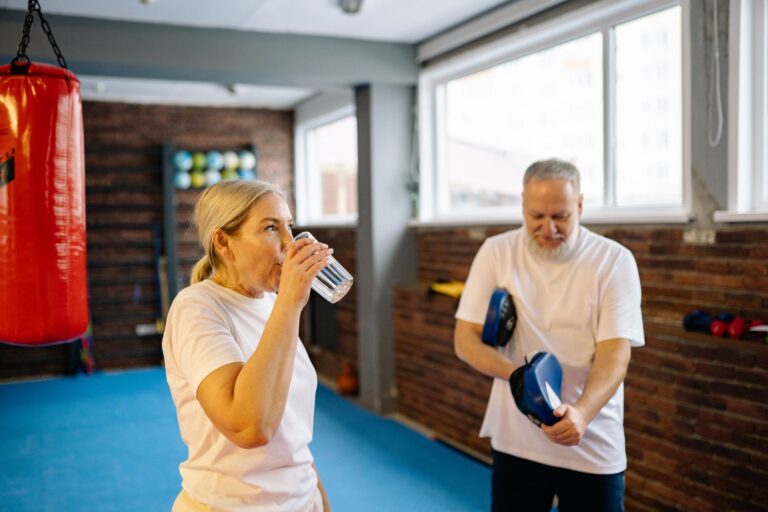
Why Hydration Is an Overlooked Key to Senior Independence
Hydration is one of the most underestimated factors in maintaining independence as you age, yet it directly influences whether a senior can continue...

The Meals That Fuel Strength, Not Just Survival
The meals that fuel strength are not about deprivation or special supplements—they're about deliberate nutrition that builds and maintains the muscle mass...
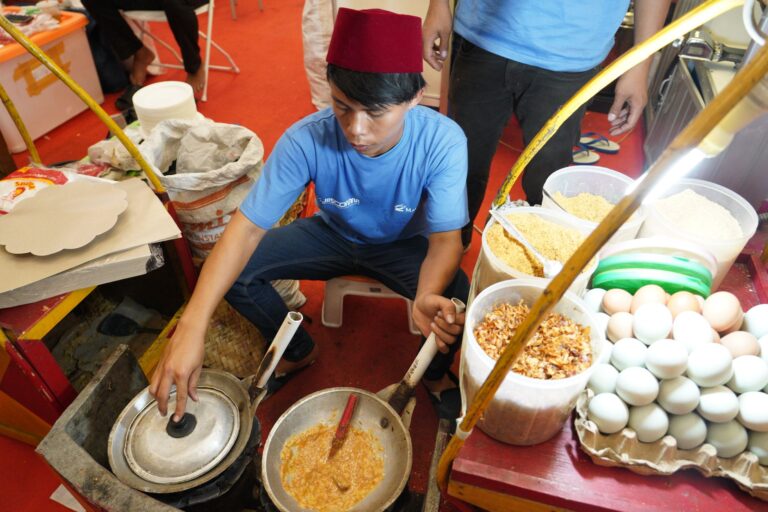
How One Man Cooked His Way to Living Alone at 95
At 95 years old, Raymond has lived alone for eight years in the same two-bedroom home in Portland, Oregon, where he taught himself to…

The Grocery List of Seniors Who Stay Independent
The grocery list of seniors who stay independent looks dramatically different from the standard shopping cart—not because they're eating differently, but...
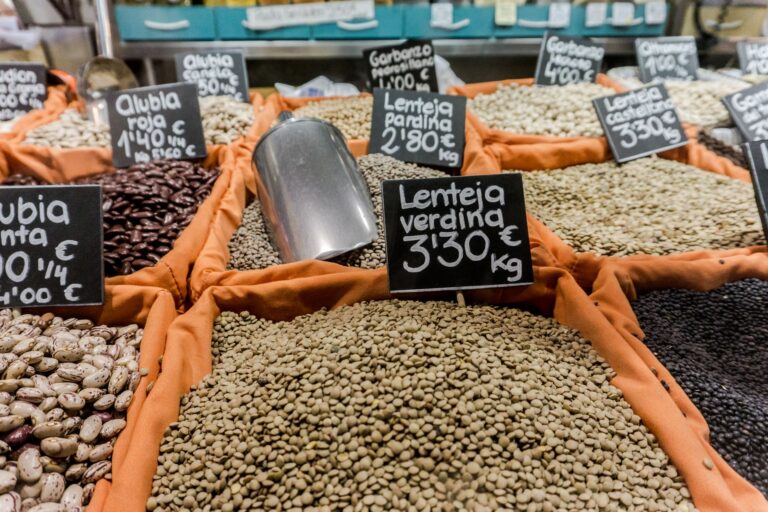
Why Legumes Show Up in Every Blue Zone Diet
Legumes appear in every Blue Zone diet because they offer an unmatched combination of plant-based protein, fiber, and micronutrients that directly support...
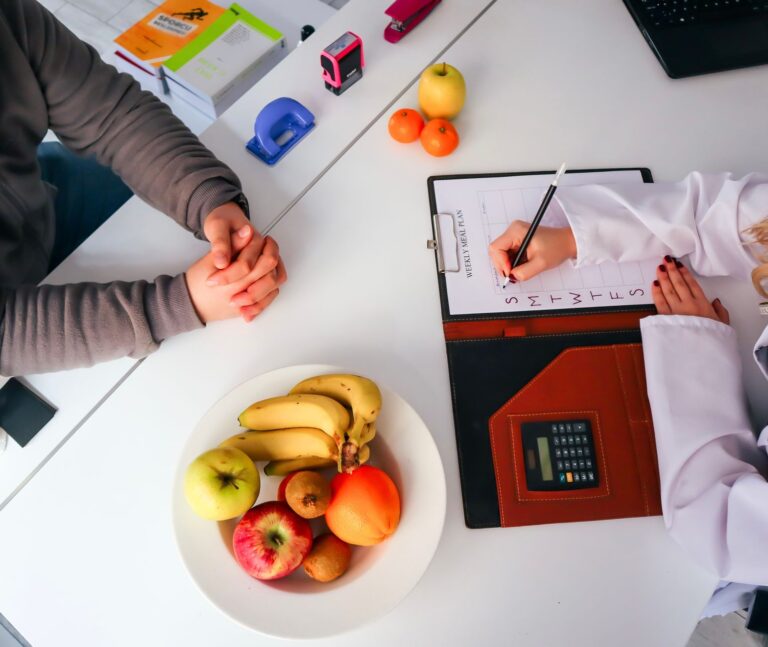
The Nutrition Mistakes That Quietly Lead to Frailty
Nutrition mistakes silently erode your strength and independence in ways you might not notice until it's too late.
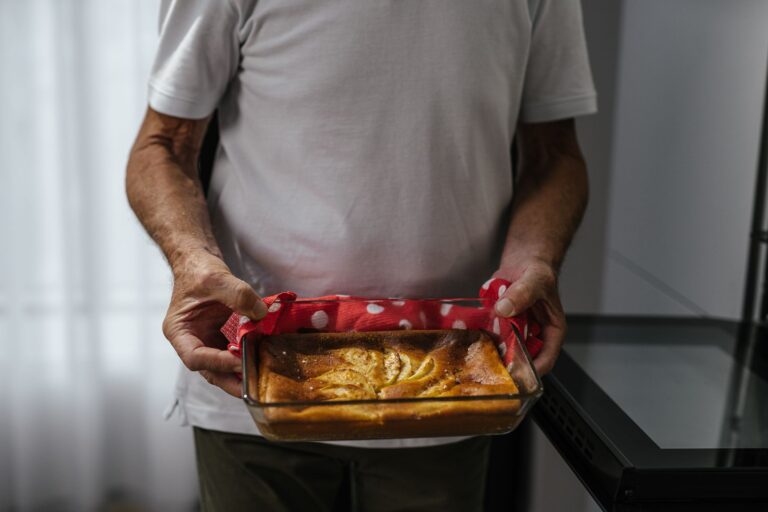
How Home Cooking Keeps Seniors Sharp and Independent
Home cooking keeps seniors sharp and independent primarily by engaging multiple cognitive and physical systems simultaneously—memory, planning,...

The Plant-Based Diet Behind Many Centenarians
Many of the world's longest-lived people—those who regularly reach 100 or beyond—share a dietary pattern that has become increasingly relevant to modern...
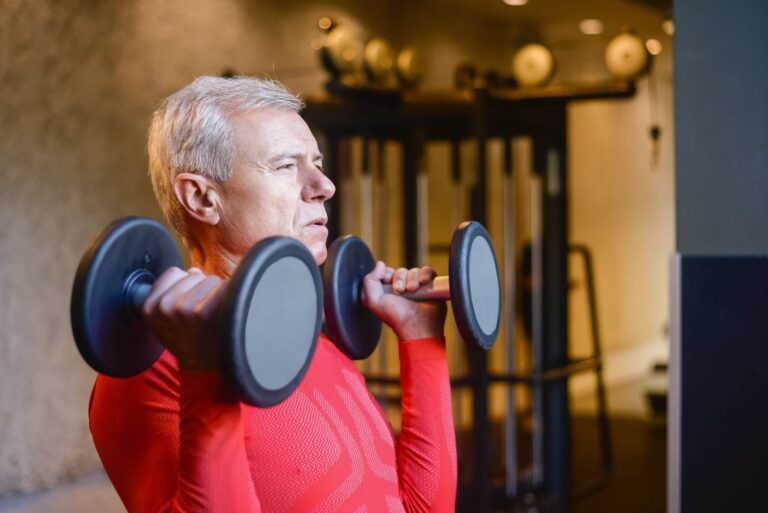
How Much Protein Seniors Need to Stay Strong and Self-Sufficient
Most older adults need significantly more protein than the outdated standard recommendation of 0.8 grams per kilogram of body weight—they need between 1.
Why Protein Matters More for Independence Than Weight Loss
Protein matters more for independence than weight loss because muscle strength and function directly determine whether you can live on your own, not the...
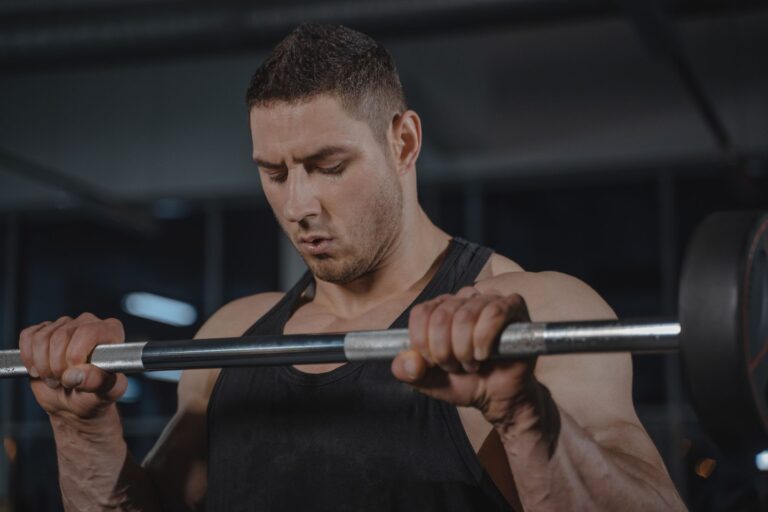
The Simple Strength Routine That Delays Dependence
A simple strength routine—one that requires no gym membership, special equipment, or more than 20 minutes a day—can meaningfully delay the need for...
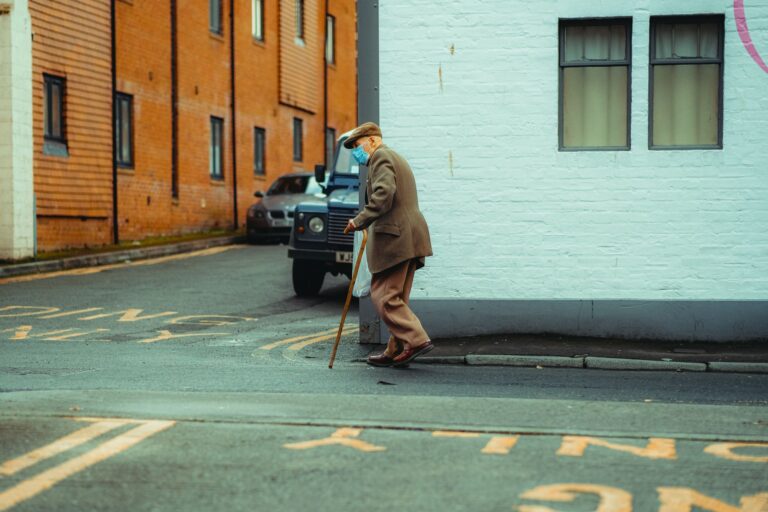
How Daily Walks Keep Seniors Carrying Their Own Groceries
Daily walks are one of the most direct paths seniors have to maintaining the independence to carry their own groceries.

The Balance Exercises That Prevent Life-Changing Falls
Falls are the leading injury-related death for people over 65, but specific balance exercises can reduce your fall risk by up to 50 percent.

Why Losing Muscle Is the Real Threat to Independence
Losing muscle is the real threat to independence because it directly undermines your ability to perform the everyday tasks that keep you living on…
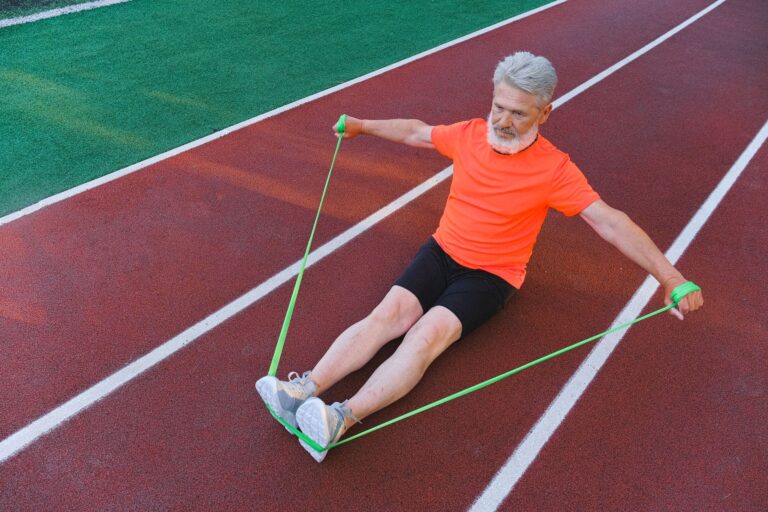
The Resistance Bands Behind Many Independent 80-Year-Olds
Resistance bands—those stretchy loops and tubes made of latex or non-latex rubber—are among the most practical tools helping independent 80-year-olds...