
Volunteer work keeps seniors vital and self-reliant by providing purpose, physical activity, social connection, and a sense of being needed—all factors that research consistently links to better health outcomes, sharper cognitive function, and greater independence in daily life. When a 72-year-old former teacher begins mentoring students at a literacy nonprofit two mornings a week, she’s not just helping kids learn to read; she’s maintaining her own cognitive engagement, staying physically mobile, and reinforcing her identity as a contributor rather than someone dependent on care. The act of being useful, of having skills that matter to others, fundamentally shifts how seniors experience their own aging.
Contrary to the common assumption that aging automatically leads to decline and withdrawal, the evidence shows that older adults who volunteer regularly maintain higher levels of physical function, report better mental health, and experience lower rates of depression and isolation. Volunteering isn’t a luxury or a feel-good activity—it’s a documented pathway to maintaining the independence, mobility, and self-reliance that most seniors prioritize. The work itself, whether helping in a community garden, reading to children, serving at a food bank, or mentoring young professionals, matters less than the consistent engagement and sense of purpose it creates.
Table of Contents
- How Does Volunteer Work Help Seniors Maintain Physical Function and Independence?
- The Cognitive and Mental Health Benefits of Staying Engaged in Meaningful Work
- Building Community and Social Connection Through Volunteer Service
- Finding the Right Volunteer Opportunities That Match Your Abilities and Constraints
- Managing Health Conditions, Fatigue, and Energy Limitations While Volunteering
- Volunteer Programs Specifically Designed to Support Older Adults
- The Long-Term Impact of Purpose, Engagement, and Continued Contribution in Later Life
- Conclusion
- Frequently Asked Questions
How Does Volunteer Work Help Seniors Maintain Physical Function and Independence?
Volunteering keeps seniors physically active in ways that feel purposeful rather than obligatory. A senior who volunteers three hours weekly at an animal shelter walks more, bends more, and engages in sustained activity without the monotony that often stops people from exercising alone. Research from the Corporation for National Service found that older volunteers reported better physical health outcomes than their non-volunteering peers, with improvements in mobility, stamina, and ability to perform activities of daily living. The physical benefits come not from structured exercise but from the natural movement embedded in meaningful work—sorting items, moving around a building, standing for conversations, or performing tasks that require fine motor skills. The difference between a senior who exercises because a doctor recommended it and one who volunteers is motivation.
A person lifting boxes at a food bank is doing strength training. A person walking dogs at a shelter is doing cardio. A person working in a community garden is bending, squatting, and doing sustained hand work. But unlike a formal exercise routine, this activity rarely feels burdensome because the focus is on the task and the people, not on fitness itself. This means seniors are more likely to sustain the activity over time, which directly supports continued independence in areas like grocery shopping, housework, and personal care tasks.

The Cognitive and Mental Health Benefits of Staying Engaged in Meaningful Work
Cognitive decline is not an inevitable part of aging, but cognitive stagnation accelerates it. Volunteers who engage in tasks requiring memory, problem-solving, or learning—whether it’s a retired accountant helping nonprofits with their finances, a retired nurse mentoring young healthcare workers, or someone learning new computer skills to help at an organization—show measurable preservation of memory, processing speed, and executive function. Studies tracking cognitive outcomes find that purpose and engagement are protective factors against cognitive decline, sometimes more powerful than formal cognitive training programs. A senior working with an organization to solve real problems is doing cognitive work that matters. The mental health impact is equally significant.
Isolation and lack of purpose are documented risk factors for depression, anxiety, and even premature mortality in older adults. Volunteering addresses both by creating regular social connection, a sense of competence, and a reason to get up in the morning. The caution here is important: volunteering can become harmful if the expectation is unrealistic, if the senior is pushed beyond their actual capability, or if circumstances change and they suddenly can’t continue. A volunteer who becomes emotionally invested in their role but then must stop due to health changes can experience a sharp decline in mood and purpose. Starting with realistic commitments, setting boundaries, and having a plan for potential transitions is essential.
Building Community and Social Connection Through Volunteer Service
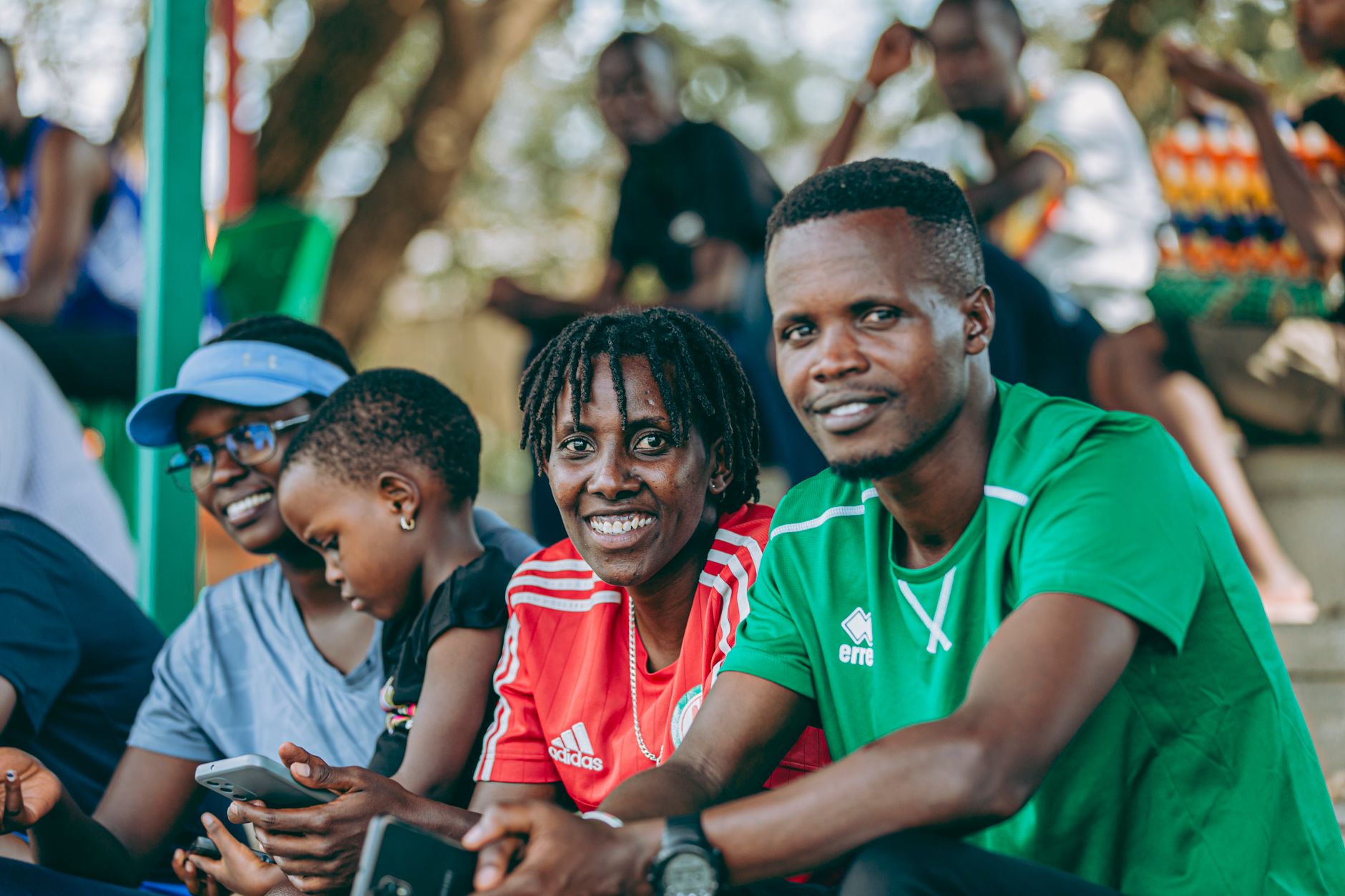
One of the strongest protective factors for healthy aging is social connection, and volunteering creates genuine, structured relationships built around shared purpose. When a 68-year-old works weekly at a tutoring center, she’s not just volunteering; she’s part of a team, she’s known by name, she has regular social interaction with people of multiple ages, and her absence is noticed. This is profoundly different from friendship networks that may have contracted over time. Volunteering often creates a community of people with shared values, and for many seniors, these relationships become the anchor of their social life.
This structure is particularly valuable for seniors who have experienced loss of community through retirement, relocation, or the death of long-time friends. A volunteer position creates a predictable schedule, a place to go, people who expect them, and a role with defined value. For seniors aging in place or managing early mobility limitations, knowing they have a reason to leave the house and people who depend on their participation can be the difference between staying engaged and withdrawing. The research is clear: socially isolated seniors decline faster mentally and physically than their well-connected peers, and volunteering is one of the most accessible ways to build that connection.
Finding the Right Volunteer Opportunities That Match Your Abilities and Constraints
Not all volunteer work is appropriate for all seniors, and an honest assessment of capability—physical capacity, energy level, cognitive focus, and realistic availability—is the starting point. A senior with arthritis should volunteer for tasks that don’t require prolonged gripping, standing, or fine motor work. Someone managing early memory issues should choose structured roles with clear procedures and supportive supervision, not positions requiring complex independent decision-making. A person with limited transportation should look for organizations close to home or those offering pickup. The goal is finding work that challenges without overwhelming, that uses existing skills or offers the chance to develop new ones, and that fits realistically into overall health and caregiving responsibilities.
The comparison between formal and informal volunteering is worth considering. Formal volunteering through an established organization—a food bank, hospice, nonprofit, school, or community center—provides structure, training, and a built-in community. This often works better for seniors because expectations are clear, there’s usually some flexibility for health limitations, and the social connection is part of the package. Informal volunteering—helping neighbors, mentoring a grandchild’s friend, or providing unpaid advice to a small business—can be deeply meaningful but is more vulnerable to becoming one-sided or unsustainable if family dynamics or health changes occur. For seniors prioritizing independence, formal volunteering often offers better protection because it’s embedded in an organization with resources to support adaptation as needs change.
Managing Health Conditions, Fatigue, and Energy Limitations While Volunteering
A realistic volunteering plan accounts for energy fluctuations, health appointments, and the reality that good days and difficult days are normal in aging. Rather than committing to, say, a full day every week, a sustainable model might be two focused hours twice weekly or flexible scheduling that allows for cancellation when health issues arise. Some seniors find that volunteering on a seasonal basis works better than year-round commitment, or that reducing hours as energy levels shift is more sustainable than abandoning the role entirely.
The warning here is significant: pushing beyond realistic capacity doesn’t demonstrate commitment; it damages health and often leads to a sudden stop rather than a gradual sustainable pace. A senior who overcommits and then becomes ill often has to exit entirely, losing the community and purpose that volunteering provided. Communication with the organization about limitations, building in flexibility for medical appointments and variable energy, and honest conversations about what’s realistic are not weaknesses—they’re essential to making volunteering work long-term. Organizations that work well with older volunteers understand that some weeks will be stronger than others, and they’ve built that reality into their expectations.
Volunteer Programs Specifically Designed to Support Older Adults
Several established programs have built their entire model around older adult volunteers because they recognized that seniors bring reliability, experience, and a different set of strengths than younger volunteers. Foster Grandparent Programs pair seniors with children in foster care or experiencing disadvantage, providing mentorship and one-on-one relationship support. Senior Corps programs specifically recruit and support older volunteers for roles in schools, nonprofits, and community organizations.
Local area agencies on aging often maintain volunteer registries and can match seniors with opportunities aligned to their interests and abilities. The advantage of programs designed for older volunteers is that they typically build in flexibility for health issues, understand the capabilities and limitations common to aging, and have trained coordinators who can problem-solve when circumstances change. They also often provide transportation, liability insurance, and other practical supports. For a senior trying to figure out where to start, calling the local area agency on aging or visiting VolunteerMatch.org to filter by age-friendly opportunities is more likely to result in a sustainable fit than random cold calls to organizations that haven’t thought through how to support older volunteers.
The Long-Term Impact of Purpose, Engagement, and Continued Contribution in Later Life
The seniors who maintain the strongest independence, the sharpest cognitive function, and the best quality of life as they age are those who maintain a sense of purpose and contribution—and volunteering is one of the most accessible, structured ways to do that. The cumulative effect of years of consistent volunteering isn’t just individual benefit. Seniors who volunteer report feeling that their lives matter, that they have a place in their communities, and that their experience and skills are still valuable. This identity shift—from viewing aging as decline to viewing it as a period of continued contribution—is protective against the resignation and withdrawal that accelerate health decline.
Looking forward, more organizations are recognizing that older adults are an underutilized volunteer resource and that programs built with elder volunteers in mind benefit enormously. As the senior population grows, this recognition is expanding, creating more opportunities specifically designed for older volunteers. The practical implication is that there has never been more opportunity for seniors to find meaningful, structured, community-based volunteer work that keeps them active, engaged, and connected. The work of staying vital in later life is partly about maintaining the body and mind, but it’s equally about maintaining a sense of being needed and having purpose—and that’s what volunteering provides.
Conclusion
Volunteer work is one of the most effective and accessible tools for seniors to maintain physical function, cognitive health, social connection, and independence. It’s not a luxury or a nice activity for those with time; it’s a documented pathway to healthier aging, better mental health outcomes, and continued vitality. The key is finding work that’s realistic, sustainable, and genuinely matches your abilities and interests—not pushed onto you by well-meaning family members, but chosen by you because it matters.
If you’re a senior looking to stay active and engaged, reach out to your local area agency on aging, explore organization-specific volunteer programs, or use resources like VolunteerMatch to find opportunities in your community. If you’re a caregiver supporting an older adult, consider whether volunteer work might be part of the solution to maintaining independence and purpose. The stakes are significant—sustained engagement through meaningful work is one of the strongest predictors of how someone ages.
Frequently Asked Questions
How much time commitment is realistic for a senior volunteer?
Start with what’s sustainable, which is often less than you initially think. Two to four hours weekly for 40-50 weeks per year is more realistic and maintainable than ambitious daily commitments. Flexibility and the ability to scale back during health challenges are essential.
What if my health suddenly changes and I can’t continue volunteering?
This is why choosing an established organization matters. Good volunteer programs have plans for when volunteers need to step back temporarily or permanently. Communicate early with the organization so they can adapt rather than waiting until you’re in crisis.
Are there volunteering opportunities for seniors with significant mobility limitations?
Yes. Remote volunteering (phone call mentoring, email advice), seated work (sorting, filing, administrative tasks), and flexible scheduling allow seniors with mobility challenges to contribute meaningfully. The conversation with the organization about what’s realistic is key.
How do I know if an organization is genuinely good for older volunteers?
Look for organizations that offer clear training, flexibility for health issues, other older volunteers on staff, transportation options if needed, and coordinators who actively support volunteers rather than just assigning tasks and disappearing.
Can volunteering actually prevent cognitive decline?
Volunteering is one of several protective factors, including education, social connection, physical activity, and purpose. It’s not a guarantee, but research shows sustained engagement in meaningful activities is associated with better cognitive outcomes than isolation or unstimulating activities.
What if I haven’t worked in years or my skills feel outdated?
Many organizations specifically recruit volunteers who’ve stepped out of the workforce and offer training and mentoring. Your life experience and reliability often matter more than specific technical skills. Many seniors find that volunteering is a way to learn new skills or refresh old ones.