
Independent 80-year-olds who maintain sharp minds typically build their days around consistent mental rituals—structured activities and habits that keep their brains engaged and flexible. These aren’t meditation retreats or wellness apps, but rather simple, repeatable practices woven into daily life: morning puzzles while drinking coffee, afternoon walks that build both body and focus, conversations with friends at set times, and meals built around fresh vegetables. One 82-year-old woman in Connecticut described her routine this way: she completes a crossword puzzle every morning, takes a 30-minute walk after lunch, calls her daughter every Wednesday, and cooks with fresh vegetables from the farmers market three times a week. This combination of cognitive challenge, physical activity, social connection, and good nutrition forms the backbone of what researchers now understand about mental maintenance in advanced age.
What makes these rituals powerful is that they counteract the natural drift toward cognitive decline. Brain training interventions have been shown to reverse approximately 10 years of aging in memory and learning abilities. In a concrete study, older adults who participated in cognitive training showed their Montreal Cognitive Assessment scores improve from 19.77 to 21.09 points within six months, with 17 participants actually advancing to normal cognitive levels. The science is clear: daily mental rituals are not luxuries for the wealthy or particularly educated. They are practical tools that any independent 80-year-old can employ to maintain the mental sharpness required to stay autonomous.
Table of Contents
- How Cognitive Training Shapes the Mental Day of Independent Older Adults
- The Protective Role of Daily Mental Stimulation in Aging Brains
- Exercise as a Daily Mental Ritual, Not Just Physical Activity
- The Daily Meal as a Mental Ritual—Vegetables and Brain Health
- Social Rituals and the Surprising Mental Health Advantage of Being 80
- Sleep Quality as a Daily Mental Ritual
- Building and Maintaining Mental Rituals That Last
- Conclusion
How Cognitive Training Shapes the Mental Day of Independent Older Adults
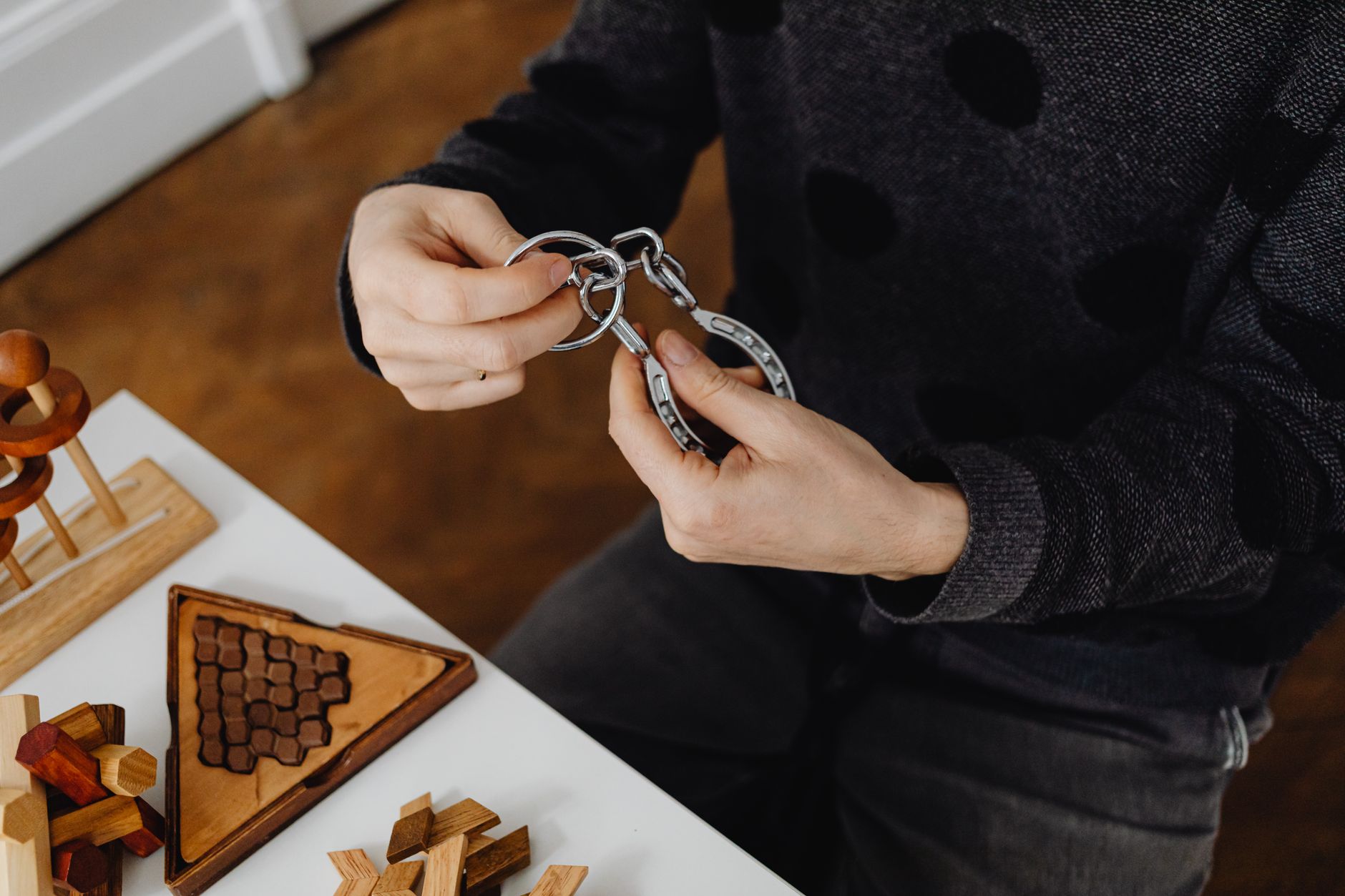
For those in their 80s living independently, the morning often begins with a mental challenge. Puzzles—Sudoku, crosswords, jigsaws—board games like chess or Scrabble, and learning new skills such as painting, playing an instrument, or studying a new language all serve as structured cognitive workouts. These activities aren’t random choices; they directly engage the brain’s executive functions, memory, and processing speed. The advantage is measurable: people who regularly engage in these types of activities show measurable improvements in cognitive function and slower rates of cognitive decline compared to those who remain mentally sedentary. A practical example: An 81-year-old retired accountant from Arizona structured his mornings around Sudoku puzzles and chess games played online with others worldwide. Within three months of making this his consistent ritual, he reported sharper recall, better focus during conversations, and increased confidence in managing his finances independently.
The ritual itself became protective—not just because of the cognitive exercise, but because it gave him a structured reason to stay engaged with the world and a measurable way to see his own mental progress. one limitation worth noting is that cognitive training requires consistency. A single puzzle now and then produces minimal benefit. The research shows sustained, regular engagement is what reverses aging in memory function. Additionally, not all activities work equally for all people—some find puzzles frustrating, others find learning music difficult. The key is finding the ritual that someone will actually maintain, not the theoretically optimal activity they’ll abandon after two weeks.
The Protective Role of Daily Mental Stimulation in Aging Brains
The brain at 80 is not fundamentally broken, though it does change. It requires input and stimulation to maintain its architecture. When older adults stop challenging their brains—when they stop learning, stop problem-solving, stop engaging in activities that require focus—cognitive decline accelerates. Conversely, those who maintain daily mental rituals show resilience that defies age-based expectations. The pattern is consistent across research: stimulation preserves function. This protection has real consequences for independence.
A person who maintains sharp executive functions can manage medications correctly, handle finances, recognize scams, adapt to new situations, and live safely alone. Someone whose cognition has declined may struggle with these tasks, requiring increasing dependence on others. The daily mental ritual becomes a form of self-preservation. One widow in her 80s described it this way: “My morning crossword and afternoon card games aren’t hobbies—they’re how I stay capable of running my own life.” The limitation here is that cognitive reserve takes years to build. You cannot cram cognitive training in the final years of life and expect it to provide the protection that decades of engagement would have offered. Additionally, some cognitive changes in advanced age are driven by underlying conditions like small-vessel disease, metabolic changes, or early dementia that mental exercises alone cannot prevent. For this reason, combining mental rituals with medical care, good nutrition, and physical activity offers greater protection than any single approach.
Exercise as a Daily Mental Ritual, Not Just Physical Activity
Many 80-year-olds think of their daily walk or exercise routine primarily in terms of heart health or balance. Yet moderate-intensity aerobic exercise performed 3 to 7 times weekly at 50 to 70 percent of maximal heart rate produces direct benefits for executive functions—planning, decision-making, inhibition, and working memory. Progressive resistance training at 40 to 80 percent of one repetition maximum, performed twice weekly, is particularly beneficial for enhancing memory and attention. When exercise becomes a daily ritual, it functions as cognitive medicine. An 84-year-old man in Portland made walking his non-negotiable morning ritual: 45 minutes, five days a week, at a pace that elevated his heart rate moderately. He paired this with light resistance work using dumbbells at home twice weekly. His daughter reported that within two months, he seemed sharper in conversation, better able to remember details, and noticeably more capable of managing the logistics of his life.
His physician noted improvement in his attention span during appointments. This is not incidental—the vascular changes from exercise improve blood flow to the brain, and the sustained aerobic work itself trains the neural systems that underlie cognition. The tradeoff is that exercise must be sustained and at appropriate intensity. A leisurely stroll produces minimal cognitive benefit, though it remains valuable for mobility. Conversely, exercise that is too intense can be risky for someone with heart disease or balance problems. The individual variation is significant. Additionally, while exercise protects against cognitive decline, it does not automatically reverse decline that has already occurred due to disease.

The Daily Meal as a Mental Ritual—Vegetables and Brain Health
What appears as an ordinary daily meal in an independent 80-year-old’s home is actually a cognitive practice. Research from 2024 shows that consuming adequate fresh vegetables daily reduces depression risk by 32.5 percent in older adults, reduces anxiety risk by 50.3 percent, and reduces dementia risk by 50 percent. This is not speculative—these are measured outcomes in large studies. Vegetables contain micronutrients, phytonutrients, and compounds that directly influence neurotransmitter function and brain inflammation. The 80-year-old who builds his ritual around cooking meals with fresh vegetables—planning the menu, shopping, preparing the ingredients—is undertaking a ritual that combines planning, fine motor control, memory for recipes, social connection (if cooking for others), and nutritional input that protects his brain. One woman in her 80s made vegetable-heavy soups her signature daily ritual: each morning she would select fresh vegetables, prepare them with intention, and have a nourishing lunch.
She reported clearer thinking, better mood, and increased energy. Whether the benefit was primarily from the vegetables themselves or from the ritual structure—the planning, the sensory experience, the accomplishment—is unclear. Most likely, both matter. The warning here is significant: alcohol consumption is associated with higher rates of mental health issues in older people. An 80-year-old who has incorporated alcohol into daily ritual—an evening drink, or several—should understand that this is working against the protective benefits of exercise, good nutrition, and cognitive engagement. Additionally, some older adults become nutritionally dependent on particular foods and do not achieve dietary variety. Simply eating vegetables alone is not sufficient if someone is neglecting other nutrients or if medical conditions interfere with nutrient absorption.
Social Rituals and the Surprising Mental Health Advantage of Being 80
Independent 80-year-olds often show lower susceptibility to anxiety compared to middle-aged or younger elderly populations. One reason appears to be that those who have survived to 80 with independence intact have often developed long-standing social rituals and relationships. Research shows that the routineness of social interactions is associated with higher affective well-being in older adults. This is not about having many friends or being extroverted. It is about having reliable, predictable social contact.
An 80-year-old man who has the same standing lunch with two friends every Thursday, who calls his grandchildren every Sunday, or who volunteers at the same organization every Tuesday is building social infrastructure that protects mental health. These rituals are protective partly because they provide structure and purpose, partly because they combat isolation, and partly because they maintain the cognitive work of social engagement—listening, responding, remembering details about others’ lives. One 85-year-old retired teacher described her ritual of hosting book club every month: “It gives me something to plan for, something to think about, and a reason to stay current with ideas and with people.” The limitation is that social rituals require other people. An older adult living in isolation cannot create this protective effect alone. Additionally, forced social engagement—family pressure to participate in activities, or structured group homes that mandate socialization—is not the same as chosen, routine social connection. The protective effect appears to depend on the ritual being something the person wants to do, not something they feel obligated to do.

Sleep Quality as a Daily Mental Ritual
How an 80-year-old structures their day directly influences how well they sleep at night. Research shows that sleep patterns are associated with activities of daily living in older adults; sedentary behavior negatively impacts sleep quality, leading to insomnia and nocturnal restlessness. In other words, a day spent mostly sitting and watching television will predictably result in poor sleep. A day that includes physical activity, cognitive engagement, and social connection will result in better sleep.
The ritual is not just the bedtime routine—it is the entire day’s structure. One independent 80-year-old in Vermont built this sequence into his daily ritual: morning walk or resistance work, morning cognitive activity like a puzzle or learning project, afternoon social engagement like volunteer work or meeting a friend, early evening preparation of a vegetable-based dinner, and a consistent bedtime. The result: deep sleep that required no medication, natural wake time around 6 AM, and energy through the day. When illness forced him to become sedentary for a month, his sleep deteriorated immediately and dramatically, demonstrating the direct connection between daily activity and nighttime rest.
Building and Maintaining Mental Rituals That Last
The challenge is not understanding what helps independent 80-year-olds maintain mental clarity—the research is clear. The challenge is translating this knowledge into personal practice that feels natural rather than obligatory. Successful rituals typically develop gradually and connect to something the person cares about. Someone who loves history might create a ritual of reading historical books or documentaries. Someone who loves nature might make daily outdoor observation a ritual. Someone who loves family might structure their day around communication and grandparenting.
The ritual works best when it aligns with identity and values. Additionally, rituals are most sustainable when they are linked to an existing structure. A morning coffee ritual is more likely to persist than a standalone puzzle session. A weekly lunch with a friend is more likely to persist than a sporadic social commitment. An 80-year-old man who built his cognitive ritual into his post-breakfast routine sustained it for years. An 80-year-old woman who connected her daily walk to her dog’s needs turned it into an automatic, non-negotiable ritual that required no willpower.
Conclusion
The daily mental rituals of independent 80-year-olds are not exotic or extraordinary. They are consistent engagement with cognitive challenge, physical activity, good nutrition, social connection, and restorative sleep. Research shows that brain training can reverse approximately a decade of cognitive aging, that vegetables reduce depression, anxiety, and dementia risk substantially, that exercise at appropriate intensity improves memory and executive function, and that routine social connection protects mental wellbeing. These are not theories—they are measured outcomes.
For someone 80 or older seeking to maintain independence, the pathway is clear: design your day around ritual. Build structure around a morning cognitive challenge, regular exercise at moderate intensity, meals built around fresh vegetables, predictable social connection, and activity that ensures restorative sleep. The ritual need not be complicated or time-consuming. It must be consistent. Over weeks and months, these daily practices will protect the cognitive function and mental clarity on which independence actually depends.