
Isolation is the hidden mechanism that dismantles senior independence, not suddenly but through the erosion of physical capability, mental resilience, and social connection that daily activity once maintained. When an older adult withdraws from their community—whether by choice, circumstance, or gradual mobility loss—their independence doesn’t fail all at once. Instead, it deteriorates in the same way muscle atrophies with disuse: quietly, steadily, and often irreversibly. A 78-year-old who stops attending her book club because arthritis makes driving painful finds, six months later, that her knees no longer bend the way they did.
Her confidence has faded alongside her muscle tone. This process is so gradual that families often miss the turning point. An older parent seems fine, then suddenly cannot manage stairs, forgets appointments, or needs help bathing. The true culprit wasn’t a fall or a stroke—it was the isolation that preceded it, slowly shutting down the systems that sustain independence.
Table of Contents
- Why Social Withdrawal Accelerates Physical Decline in Aging Adults
- The Cognitive Cost of Isolation and Early Signs of Decline
- How Limited Mobility Transforms Independence Into Dependence
- The Tradeoff Between Assisted Living and Community Participation
- Caregiver Absence and the Acceleration of Decline
- The Healthcare Crisis Triggered by Isolation-Driven Decline
- Rebuilding Independence Through Structured Community Re-engagement
- Conclusion
Why Social Withdrawal Accelerates Physical Decline in Aging Adults
Isolation doesn’t just affect mood. It rewires the aging body’s ability to maintain itself. When seniors stop participating in community activities, they move less. When they move less, their cardiovascular fitness drops, balance deteriorates, and muscle mass—already declining 3 to 8 percent per decade after age 30—disappears even faster. Studies consistently show that isolated seniors experience faster cognitive decline, higher rates of falls, and more frequent hospitalizations than socially engaged peers with identical health conditions. The mechanism is both simple and alarming: isolation reduces activity, which triggers physical deconditioning, which increases fall risk and injury risk, which then justifies further withdrawal from activity.
An 82-year-old man stops attending his weekly chess game because he feels weak. Two months without the walk to the community center, the stairs at the building entrance, and the hour of sitting and standing means his legs can no longer manage those small demands. Now a medical incident seems more likely, more frightening. He stays home more. Independence erodes. Compare this to a similarly aged chess player who continues attending: they maintain the walking habit, the balance work, the cognitive stimulation, and the reason to stay engaged with their body.
The Cognitive Cost of Isolation and Early Signs of Decline
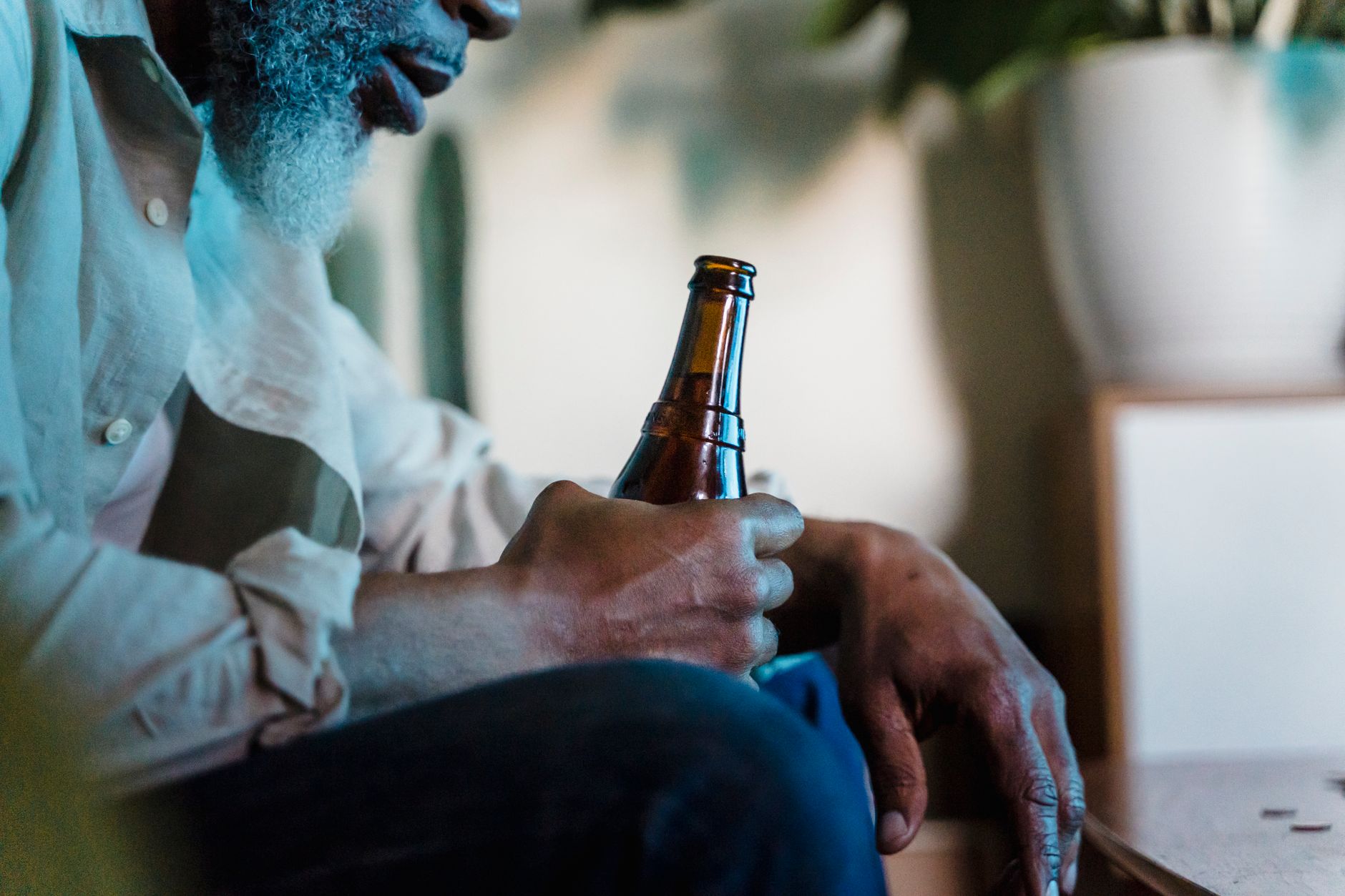
Isolation doesn’t just weaken muscles—it damages the brain. Research from institutions studying aging consistently shows that socially isolated seniors experience cognitive decline two to three times faster than their socially engaged peers. The cognitive load of managing independence—planning routes, remembering appointments, making decisions about meals and medications—actually keeps the brain sharp. Remove those tasks by retreating indoors, and the mental machinery that runs independence begins to slow.
Warning: this decline often looks like dementia but isn’t. An isolated senior’s forgetfulness, confusion about days and times, and difficulty concentrating can all reverse if social engagement and mental stimulation resume. Many families misinterpret this cognitive fog as early-stage Alzheimer’s when it’s actually the brain downshifting from disuse. The limitation here is time: the longer isolation persists, the harder it becomes to restore cognitive function. A year of isolation is far harder to recover from than a month.
How Limited Mobility Transforms Independence Into Dependence
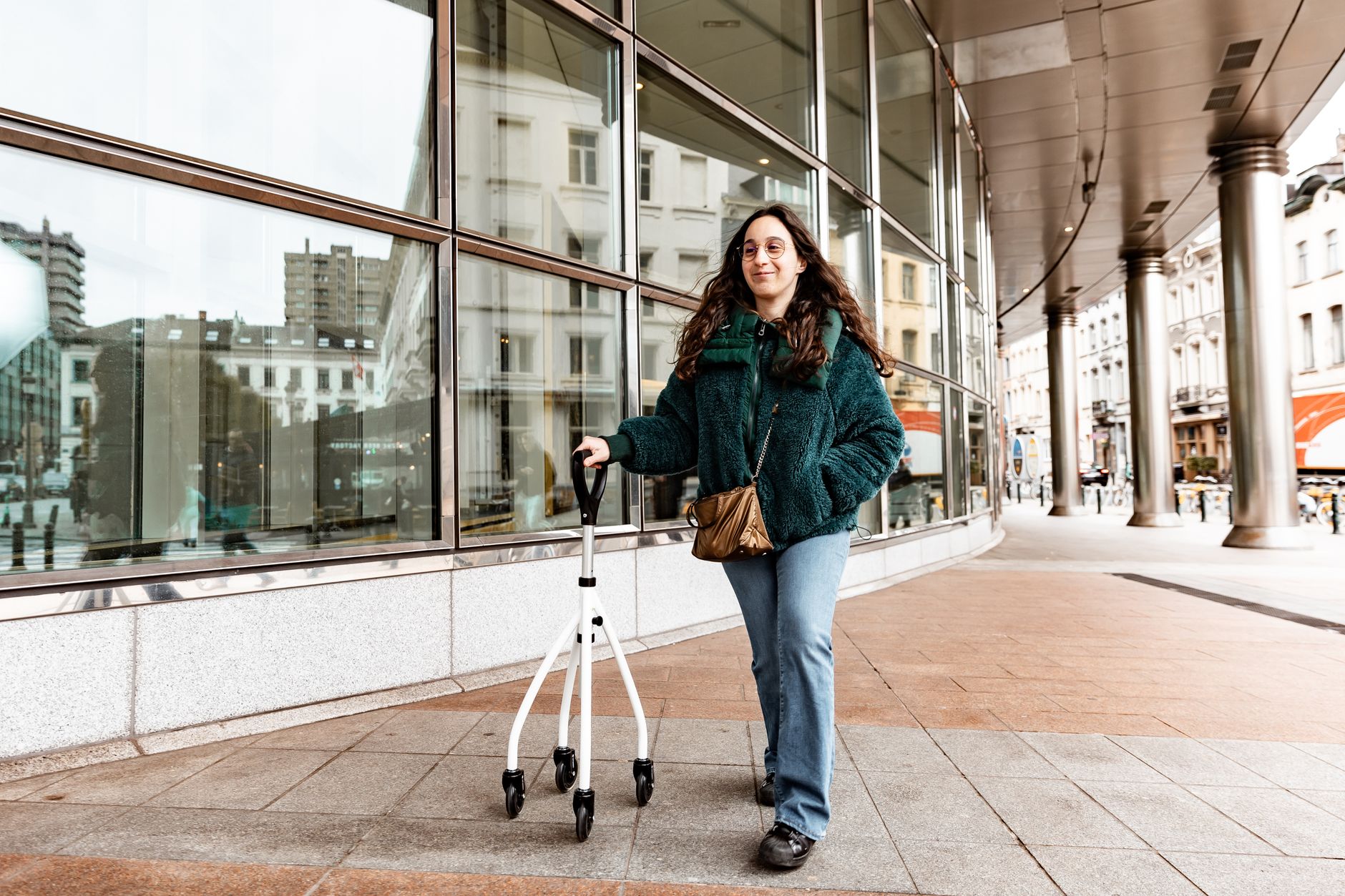
Mobility—the ability to move through space and access community resources—is foundational to independence. Without it, an older adult cannot access medical care, buy groceries, attend social events, or manage the small tasks of daily life. Isolation shrinks the world: first someone stops driving at night, then on rainy days, then to unfamiliar places. Eventually, they stop driving altogether. Each restriction is small and seems justified.
Collectively, they amputate the older adult from their independence. A 75-year-old woman in a rural area stops going to the farmer’s market on Saturdays because the drive feels too risky. Within six months, she’s no longer maintaining her vegetable garden—what’s the point if she’s not shopping like she used to? She starts ordering groceries delivered. Within a year, she’s housebound with limited income to afford premium grocery delivery. Her independence didn’t disappear because of a single event. It disappeared because isolation removed the activity that justified independent living.
The Tradeoff Between Assisted Living and Community Participation
Many families, facing early signs of decline, move toward assisted living or in-home care before exploring whether isolation is the actual problem. There’s a real tradeoff here. Assisted living removes responsibilities and risks—someone else buys groceries, manages medications, arranges transportation. But it also removes the independent work that kept capability intact. A senior in assisted living may be safer but less capable than the same person in their own home, attending community programs, and managing their own affairs with support for specific tasks. The comparison is stark: two 80-year-olds with the same medical history.
One lives independently, attends senior center programs three times a week, manages her own household with a cleaning service for heavy work, and drives to familiar places. She is less safe on paper but more independent in fact. The other lives in assisted living, where her needs are managed but her responsibilities have evaporated. She is safer but has lost the daily work that kept her capable. After two years, the first woman can still manage her affairs. The second has genuinely deteriorated because capability, unused, fades.
Caregiver Absence and the Acceleration of Decline
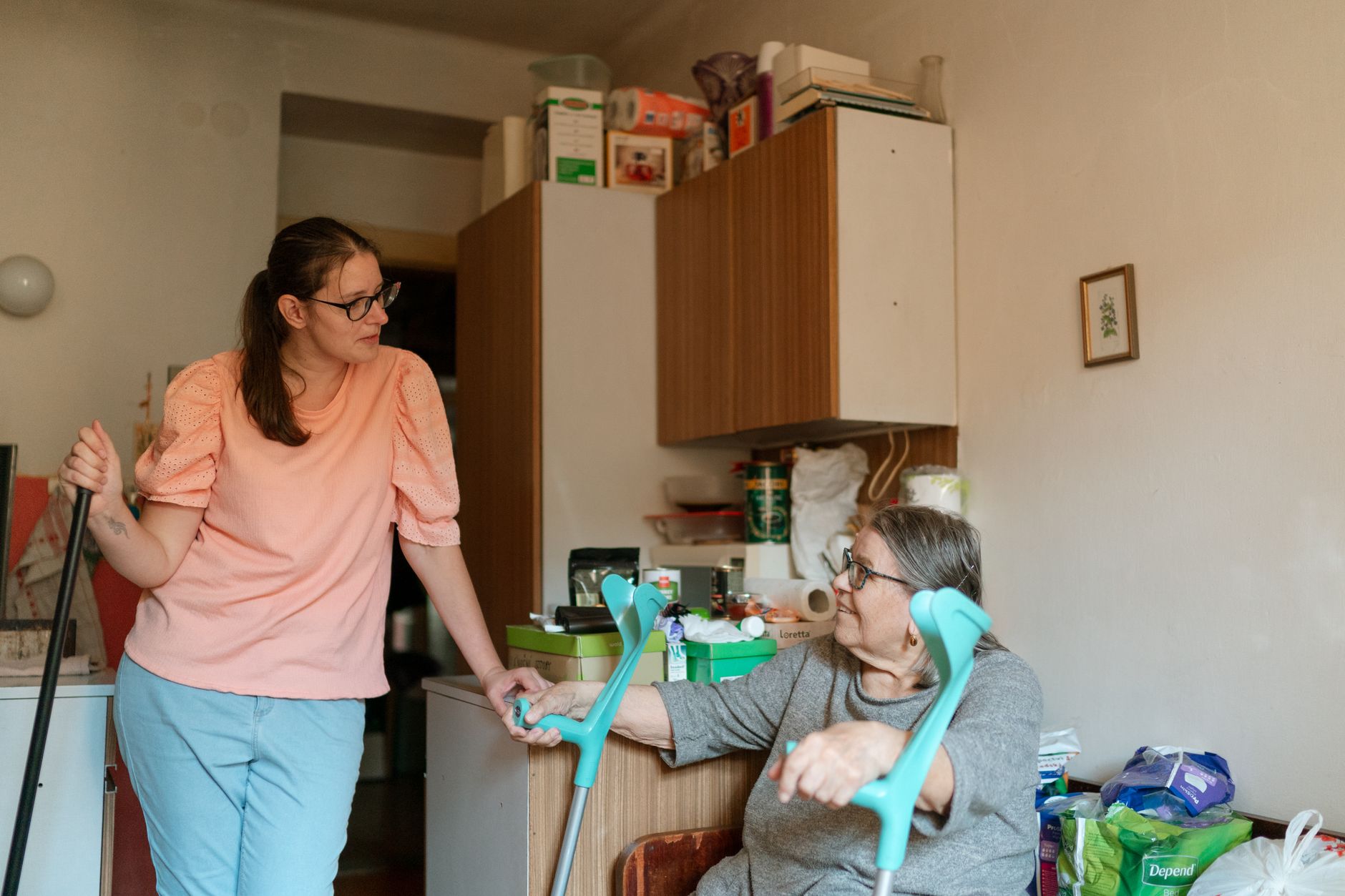
Isolation often happens not because seniors choose it but because caregiving support is absent, insufficient, or unaffordable. A widowed senior with one adult child living far away becomes isolated by circumstance, not preference. This is a critical limitation in the isolation-independence link: some older adults cannot access community participation without transportation support, personal assistance, or regular check-ins that their family cannot provide. The warning is this: in the absence of adequate informal caregiving, isolation deepens rapidly and becomes a crisis point that demands expensive intervention.
Adult children often don’t realize how much their regular visits matter—not just emotionally but functionally. A son who calls once a month and lives three hours away cannot provide the consistent encouragement, transportation, and safety monitoring that prevents his mother from withdrawing entirely. She becomes isolated not from lack of desire but from lack of practical support. Many seniors face this situation: independence is possible but unsustainable without family or paid help they can’t afford.
The Healthcare Crisis Triggered by Isolation-Driven Decline
Isolated seniors typically avoid medical care until crisis arrives. They may rationalize skipped appointments as unnecessary, or isolation may make getting to appointments too difficult. The result is untreated infections, unmanaged chronic disease, medication errors, and preventable hospitalizations. A fall that would have been treatable in week one becomes a hip fracture and nursing home placement by month three because the isolated senior delayed medical attention.
A 79-year-old man with high blood pressure stops going to his cardiology appointments because his daughter can’t drive him anymore. His blood pressure medication runs out. Six months later, he has a stroke that could have been prevented. The isolation didn’t cause the stroke directly—uncontrolled hypertension did. But the isolation created the uncontrolled hypertension by severing the routine medical care that was maintaining his health.
Rebuilding Independence Through Structured Community Re-engagement
Recovery from isolation is possible but requires intentional, structured intervention. The key is rebuilding the activity, social engagement, and sense of purpose that independence requires. This often means supporting seniors in returning to activities they previously enjoyed—or finding new ones if physical limitations have changed.
Technology and transportation assistance can bridge gaps when family support is limited. The forward-looking insight is this: as the population ages and family caregiving becomes less available, community-based solutions—senior centers, volunteer driver programs, group fitness classes, virtual social programs supplemented by in-person connection—become essential infrastructure, not luxury services. Isolation will continue to erode independence unless these programs are funded, accessible, and actively promoted to seniors who are already withdrawn and vulnerable to staying withdrawn.
Conclusion
Isolation ends senior independence quietly because it works through the mechanism of disuse. Remove activity, and the body deconditions. Remove social engagement, and the mind dulls. Remove purpose and community connection, and the motivation to stay independent evaporates.
What appears to be a sudden loss of capability is almost always the final stage of a months-long or years-long withdrawal that could have been prevented or reversed with intentional community re-engagement. The path forward requires recognizing isolation as an independence crisis, not an inevitable part of aging. It means addressing the practical barriers—transportation, mobility assistance, health care access—that force withdrawal in the first place. For families, it means understanding that visiting weekly and maintaining community participation is healthcare, not sentiment. For seniors, it means recognizing the first signs of withdrawal and resisting them actively, before isolation becomes irreversible.