
Browse every active aging guide on Aging Independence, sorted by newest first.
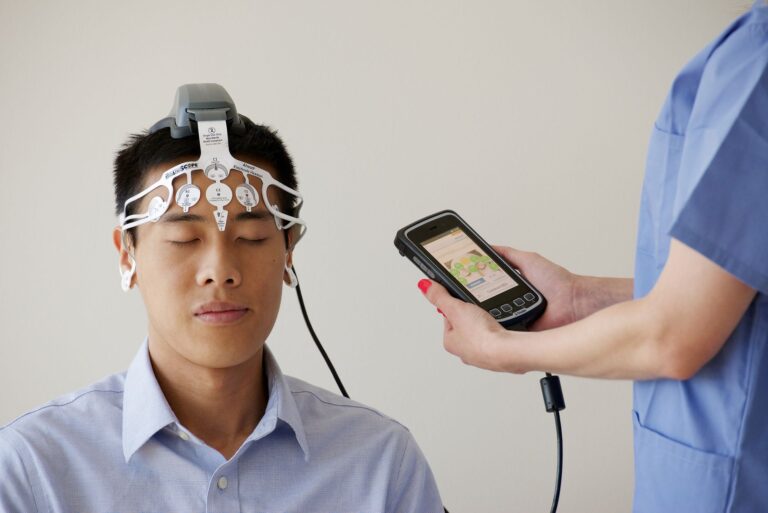
Hearing Loss and Brain Health
Hearing loss and brain health are intimately connected in ways that most people don't realize until it's too late.

Learning New Skills
Learning new skills at any age isn't just about career advancement or personal enrichment—it's a critical component of maintaining independence and...

Reading Benefits
Reading is one of the most valuable activities for maintaining independence and cognitive function as you age.

Brain Games
Brain games are structured activities designed to stimulate cognitive functions like memory, attention, problem-solving, and processing speed through...

Better Sleep
Better sleep means waking up feeling genuinely rested—able to think clearly, move without pain, and handle the day's demands with reasonable energy.
Foods for Memory
Certain foods have a proven ability to support and protect memory function as we age, making diet one of the most practical tools you…
Memory Exercises
Memory exercises are targeted mental activities designed to strengthen recall, focus, and cognitive processing—skills that often decline naturally with...
Keep Your Brain Sharp
Keeping your brain sharp isn't a luxury reserved for the young—it's an active, practical process that works equally well at seventy as it does…
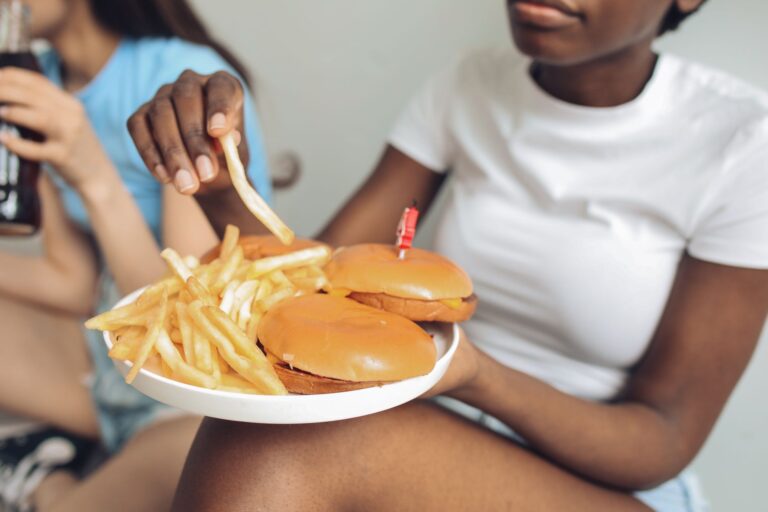
Foods to Avoid
As you age in place, the foods you choose directly affect your independence, energy, and ability to stay active.
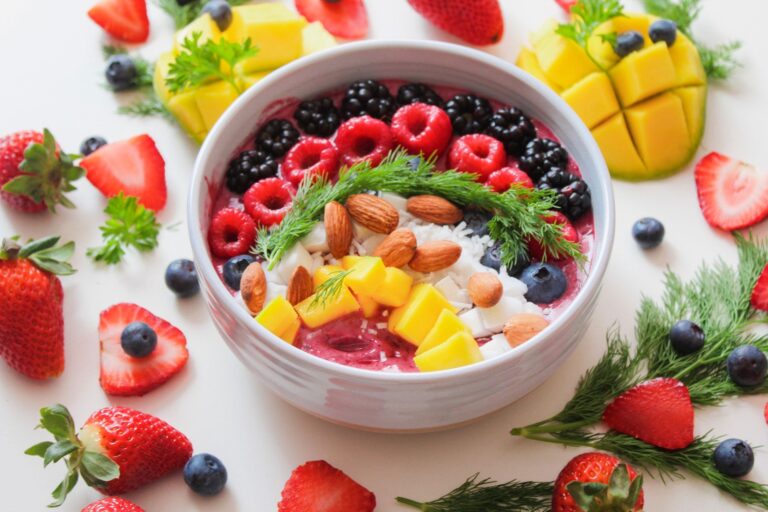
Superfoods
Superfoods are nutrient-dense foods that pack significant amounts of vitamins, minerals, antioxidants, and other beneficial compounds into relatively...
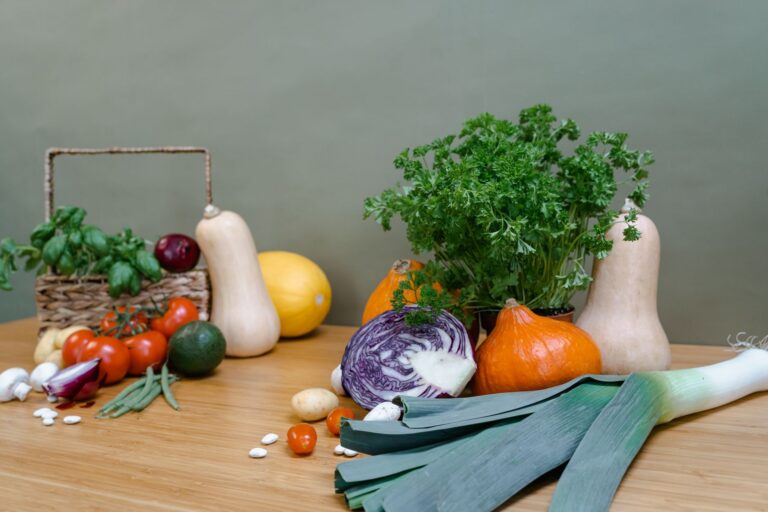
Best Vegetables
The best vegetables for aging in place are those that deliver maximum nutrition with minimum preparation difficulty and offer easy-to-chew textures when...
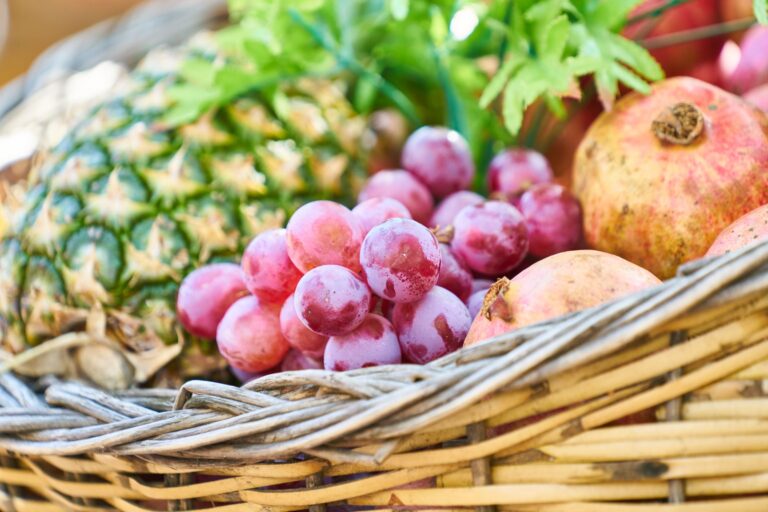
Best Fruits
The best fruits for aging adults and those managing independence are those that combine nutrition density with practical accessibility—berries, bananas,...
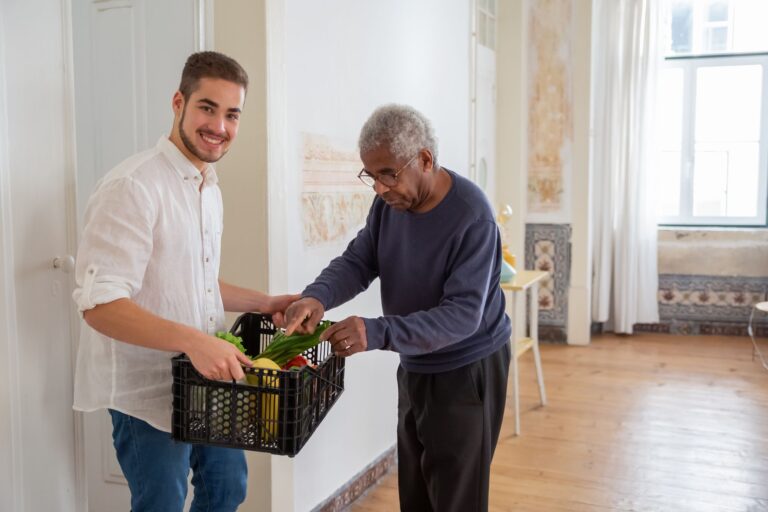
Foods That Help Prevent Falls
Certain foods significantly reduce fall risk by strengthening muscles, improving balance, and supporting bone density—the three pillars of fall prevention.
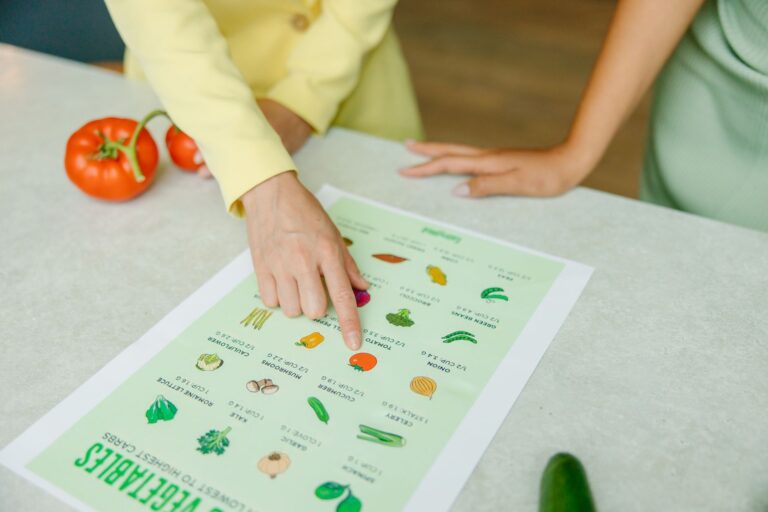
Meal Planning
Meal planning is the process of deciding what to eat over a specific period—typically a week—and preparing a shopping list and cooking schedule based…
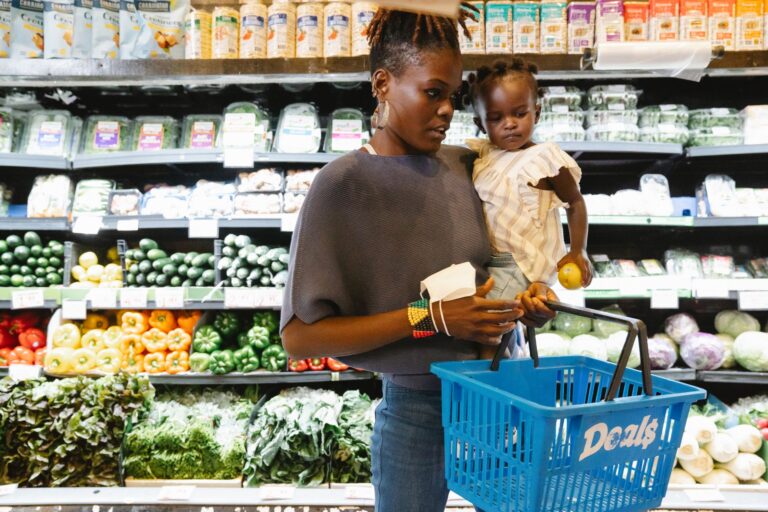
Healthy Grocery List
A healthy grocery list for older adults is one that prioritizes nutrient-dense, easy-to-prepare foods while accounting for real-world constraints like...

Healthy Weight Loss
Healthy weight loss means losing weight in a way that preserves your strength, bone health, and ability to move independently—not just dropping pounds...

Fiber Guide
Fiber is a type of carbohydrate that your body cannot fully digest, and it becomes increasingly important as you age because it supports digestive…
Magnesium Benefits
Magnesium is a mineral that helps your muscles relax, keeps your heart rhythm steady, and supports bone strength—three things that become increasingly...
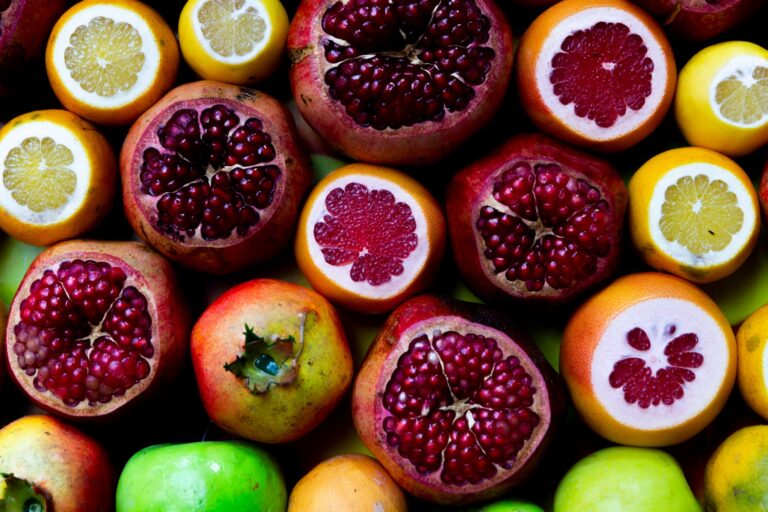
Vitamin D Guide
Vitamin D is a hormone your body produces when skin is exposed to sunlight, and it's essential for building strong bones, maintaining muscle function,…
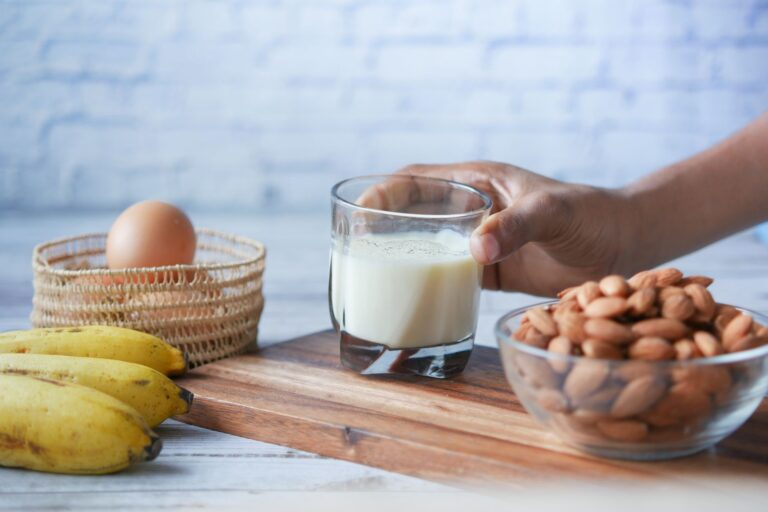
Calcium Rich Foods
Calcium is a mineral your bones need to stay strong and prevent fractures—a critical concern for anyone over 50 who wants to avoid falls…

Hydration Tips
Proper hydration becomes increasingly important as we age, yet many older adults don't drink enough water throughout the day.