
Learning new skills at any age isn’t just about career advancement or personal enrichment—it’s a critical component of maintaining independence and capability as you grow older. Whether it’s learning to use new technology, adapting to physical changes, developing fresh ways to solve everyday problems, or building resilience through knowledge, learning keeps your mind sharp, your options open, and your life under your control. The landscape of learning has shifted dramatically in recent years, making it easier than ever to acquire new abilities on your own terms. Consider someone in their 60s who decides to learn basic smartphone navigation to video call grandchildren, or a person managing a mobility change who learns adaptive techniques to remain active in their favorite hobbies.
These aren’t small accomplishments—they’re declarations of independence. Research shows that 22 million new learners joined platforms like Coursera in 2025 alone, reflecting a cultural shift: people across all ages recognize that learning new skills is essential to living life on their own terms, not someone else’s timeline. The path forward isn’t complicated. Learning happens through multiple channels—structured courses, online platforms, community programs, hands-on experimentation, and sometimes simple trial and error. What matters most is that you choose what to learn based on your goals, not external pressure, and that you have realistic expectations about pace and difficulty.
Table of Contents
- Why Learning New Skills Becomes More Important With Age
- How the Learning Landscape Has Shifted—And What That Means for You
- The Skills That Matter Most Right Now for Independent Living
- Choosing Your Learning Method—Online, In-Person, or Hybrid
- The Reality of Skill-Building When Physical Capability Is Changing
- Learning With Technology When Technology Feels Unfamiliar
- Building a Sustainable Learning Practice Into Your Life
- Conclusion
Why Learning New Skills Becomes More Important With Age
As you age, learning new skills directly supports your independence. Mobility changes might require learning adaptive techniques. Technology evolves faster than ever, and understanding digital tools—from email to online banking to telehealth—isn’t optional anymore; it’s fundamental to accessing services and staying connected.
A study tracking workplace learning found that 86% of people pick up new skills by figuring things out on the job, which suggests the most practical learning happens through real-world experimentation, not formal education. The stakes feel different with aging, but the mechanism is the same: your brain needs challenge and novelty to remain resilient. Learning a new skill—whether it’s gardening techniques, language basics, or how to use a new medication management app—activates neural pathways and creates cognitive reserve that protects against cognitive decline. The skills that matter most to older adults aren’t always the same ones making headlines: instead of chasing AI fluency (though that can be valuable), you might prioritize learning new ways to solve problems, critical thinking about health information, or collaboration skills to navigate group activities or community involvement.

How the Learning Landscape Has Shifted—And What That Means for You
The old model of credentialing—spending years on formal education before entering the workforce and calling it done—is obsolete. Skills-based learning has replaced credentials-based hiring, and this shift creates both opportunity and pressure. In 2024, 81% of employers reported using skills-based hiring, and that trend is accelerating. For older adults, this means the cultural permission to “keep learning” throughout life is stronger than ever. It also means the pressure to constantly upskill can feel overwhelming. Here’s the limitation you need to know: access to quality training is uneven.
Research shows that 60% of workers need new training before 2027, but only 50% have access to adequate training opportunities. For older adults, this gap is often wider. Some seniors have access to robust community programs, volunteer opportunities for learning, or family members who teach them technology. Others live in areas where resources are scarce or programs aren’t designed with aging learners in mind. Additionally, only 38% of companies currently offer AI training programs, suggesting that formal opportunities for learning emerging technologies are still limited even in structured environments. This means you’ll likely need to source learning independently—using online platforms, libraries, senior centers, or community colleges—rather than waiting for opportunities to come to you.
The Skills That Matter Most Right Now for Independent Living
The top skills gaining priority in 2026 aren’t what you’d expect from popular media. While AI fluency is identified as becoming a company-wide operating system for workplaces, the skills that genuinely support independence and quality of life are different: critical thinking (essential for evaluating health information, news, and decisions), problem-solving and decision-making (invaluable when navigating complex healthcare, financial, or caregiving decisions), collaboration skills (important for community involvement, group exercise classes, or navigating elder care options), and practical digital literacy. Take a real example: an older adult learning to evaluate health information critically rather than trusting everything they read online is engaging in a skill that directly impacts their wellbeing.
Someone learning decision-making frameworks to choose between treatment options or living arrangements is investing in autonomy. These skills don’t come from a single course; they develop through multiple experiences, conversations, and reflection. The good news is that community centers, libraries, and senior programs increasingly offer learning opportunities targeted at these exact needs, from technology workshops to health literacy classes to decision-making support groups.

Choosing Your Learning Method—Online, In-Person, or Hybrid
The methods for learning have expanded significantly. Virtual reality and augmented reality are emerging as training tools, hands-on experiential learning integrated into real-world tasks is gaining traction, and AI-powered learning technologies can personalize instruction to your pace. For most older adults, however, the most effective approach remains a combination of in-person instruction (particularly for technology skills, where you can get immediate help) and self-paced online learning (which fits around doctor appointments, family obligations, and your natural energy rhythms).
Here’s the tradeoff: formal structured learning like community college courses offers guided curriculum, peer interaction, and certification, but requires committing to a schedule and syllabus. Self-directed learning through online platforms, YouTube tutorials, or library resources offers flexibility and personalization, but requires discipline and self-motivation to see it through. Many successful older learners use a hybrid approach: taking an in-person technology class at a senior center to build confidence, then deepening that knowledge through free online resources like Khan Academy or library tutorials. The learning method matters less than choosing one that matches your lifestyle, learning style, and available support.
The Reality of Skill-Building When Physical Capability Is Changing
One significant challenge older adults face in learning is adapting learning methods to physical changes. Arthritis might make extended computer work uncomfortable. Vision changes might require larger text or different lighting. Hearing loss might necessitate captions or one-on-one instruction rather than group classes. Fatigue might mean learning in shorter sessions rather than extended study blocks. These aren’t obstacles to learning—they’re conditions that shape how you learn. The limitation here is that many online learning platforms and community programs weren’t designed with older learners’ accessibility needs in mind.
A video tutorial without captions or adjustable speed becomes useless if you have hearing loss. A class held only in the evening might conflict with medication schedules or sleep needs. The warning: don’t assume you can’t learn something because the current offering doesn’t work for you. Instead, advocate for what you need. Ask instructors about modifications, seek out platforms with accessibility features (many do), or find alternative programs. Your library, senior center, or community college may offer adapted versions of classes. Learning is worth the effort to customize—it’s worth asking for what you need.
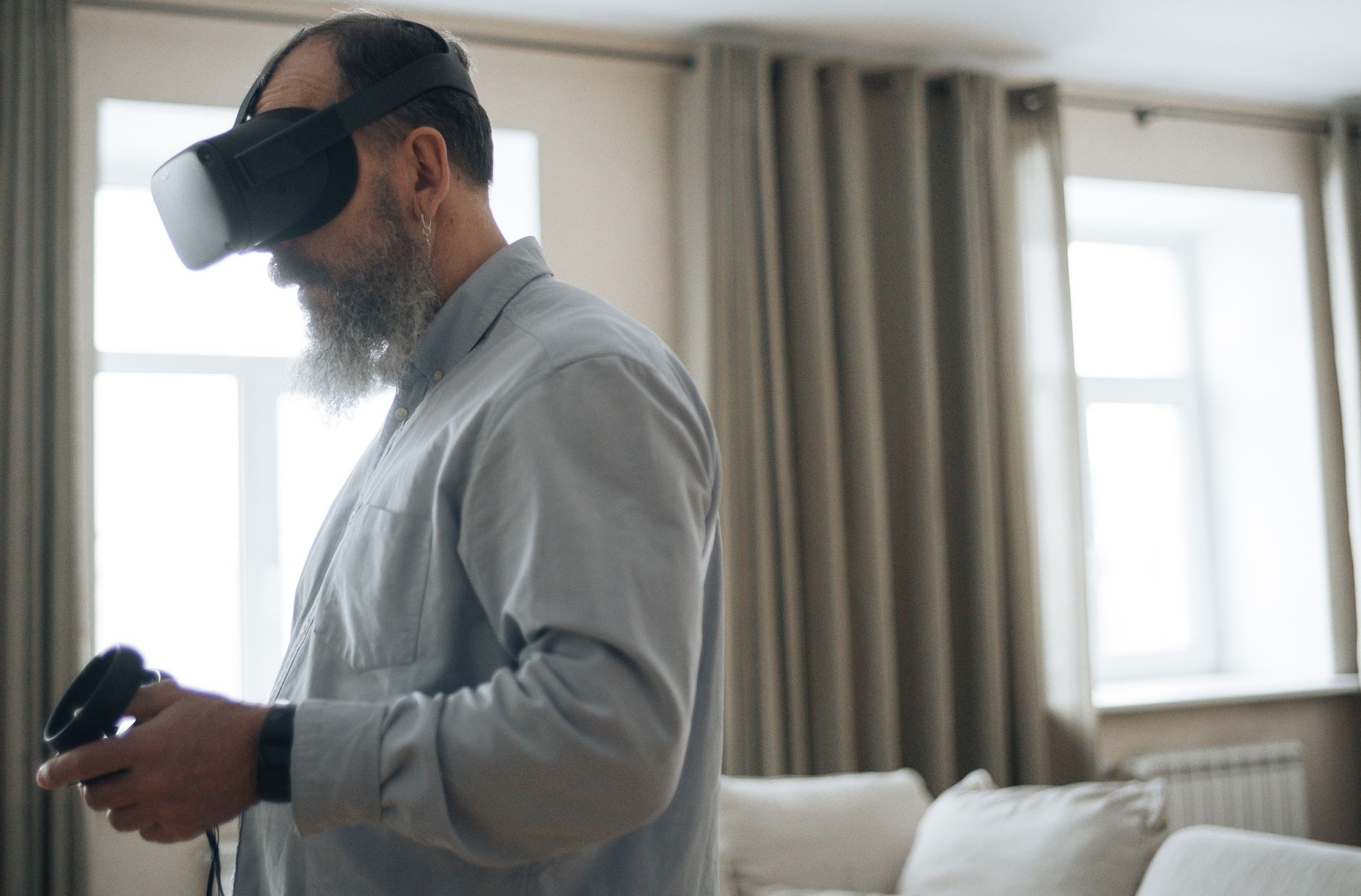
Learning With Technology When Technology Feels Unfamiliar
The digital divide is real, particularly among older adults who didn’t grow up with computers. Yet 82% of business leaders say employees will need new skills to work with AI, reflecting how thoroughly technology now shapes access to services. For aging in place, that means learning at least basic digital skills isn’t optional anymore—it’s necessary for accessing healthcare portals, managing finances, staying connected, and navigating many community resources. Start where you are. If you’re technology-averse, begin with the absolute basics: how to turn on a device, basic mouse or touchscreen navigation, how to close an unwanted pop-up.
Organizations like AARP offer technology classes specifically for older adults, often free or low-cost. Many libraries offer tech training hours where staff help one-on-one. YouTube has countless tutorials designed for older beginners, though you’ll need to practice discernment about source quality. The key is patience with yourself. Technology feels intuitive to people who grew up with it, but that doesn’t make you slow or incapable—you’re simply navigating unfamiliar logic systems, and that becomes easier with repetition and practice.
Building a Sustainable Learning Practice Into Your Life
Learning new skills shouldn’t be a project you complete and then abandon. Instead, it’s most sustainable when integrated into your regular life. This mirrors how 86% of people actually learn—by figuring things out on the job or in real situations, not in formal classroom settings. That might mean learning gardening skills by attempting a new garden bed, learning cooking techniques by trying a new recipe, learning technology by helping a grandchild with a problem, or learning health information by researching a condition you care about.
Looking ahead to 2026 and beyond, the cultural expectation around continuous learning will only strengthen. The skills most valued are becoming complementary—combining technical competency with leadership, ethics, critical thinking, and problem-solving. For older adults, this translates to valuing not just “what” you know, but your judgment, your perspective, and your ability to solve problems creatively. Your life experience becomes an asset when combined with new skills. An older adult who learns to use a computer for the first time at 75, combining that new technical skill with decades of judgment and practical wisdom, has something genuinely powerful to contribute.
Conclusion
Learning new skills is how you maintain agency, capability, and independence as you age. It doesn’t require returning to school, moving to a big city, or mastering technology overnight. It requires identifying what matters to you, finding realistic pathways to learn it, adapting methods to fit your life and body, and practicing persistence when the learning feels slow. The landscape has shifted in your favor: more resources exist than ever before, the cultural expectation that learning happens throughout life is stronger than ever, and the skills that matter most for aging well—critical thinking, problem-solving, collaboration, and practical adaptation—are learnable at any age. Your next step is simple: identify one skill that would genuinely improve your independence, capability, or quality of life.
That might be learning to navigate a specific app, understanding a health condition more deeply, exploring a new hobby, or developing a practical technique to adapt to a physical change. Then explore three realistic ways you might learn it—a local resource, an online platform, or a friend or family member. Start with whichever option feels most accessible, and give yourself permission to adjust the approach if the first attempt doesn’t work. Learning isn’t about perfection. It’s about movement forward.