
Meal planning is the process of deciding what to eat over a specific period—typically a week—and preparing a shopping list and cooking schedule based on those decisions. For adults aging in place, meal planning becomes far more than just convenience; it’s a practical strategy for maintaining independence, managing health conditions, staying nourished, and reducing the daily decision fatigue that can lead to skipped meals or unhealthy choices. When you plan ahead, you control what goes into your body, you shop more efficiently with fewer trips to the store, and you reduce the risk of falling into patterns of takeout meals that may not meet your dietary needs. Consider a 72-year-old woman living alone who used to rely on restaurants for most meals.
After developing prediabetes and arthritis, her doctor urged her to eat more whole foods and fewer processed options. By dedicating one hour on Sunday to planning five dinners, writing a shopping list organized by store section, and partially preparing ingredients like cutting vegetables ahead of time, she cut her weekly food costs in half, lost twelve pounds over three months, and felt more confident managing her blood sugar. This is what intentional meal planning can accomplish. Meal planning also creates a framework for managing the practical realities of aging—limited energy, potential mobility challenges, and the need to coordinate with caregivers or family members who may be helping with shopping or cooking. Without a plan, you either risk nutritional gaps or spend more time, money, and physical effort than necessary.
Table of Contents
- HOW DOES MEAL PLANNING SUPPORT INDEPENDENCE AT HOME?
- THE REAL LIMITATIONS AND CHALLENGES OF MEAL PLANNING
- NUTRITION AND MEAL PLANNING FOR AGING ADULTS
- PRACTICAL STRATEGIES WHEN MOBILITY OR ENERGY IS LIMITED
- COMMON MISTAKES IN MEAL PLANNING AND HOW TO AVOID THEM
- TOOLS AND TECHNOLOGY THAT SUPPORT MEAL PLANNING
- ADAPTING YOUR MEAL PLAN AS YOUR NEEDS CHANGE
- Conclusion
- Frequently Asked Questions
HOW DOES MEAL PLANNING SUPPORT INDEPENDENCE AT HOME?
Meal planning directly supports independence because it removes ambiguity and reduces the number of decisions you need to make each day. Decision fatigue is real, especially as we age; the more small choices you can eliminate, the more mental and physical energy you preserve for activities that matter. When your meals are already decided, you’re not standing in front of the refrigerator at 6 p.m. wondering what to make, which often leads to either skipping the meal or ordering delivery. You already know what’s coming, you have the ingredients on hand, and you can prepare meals even on days when your energy or mobility is lower. Meal planning also reduces dependency on others.
If you live alone or see family members infrequently, a well-planned kitchen means you’re not calling a daughter to bring groceries or asking a neighbor to pick something up from the store multiple times a week. Compare this to someone without a plan: they run to the store when hunger strikes, spend more money on impulse purchases, and may end up with foods that go bad unused. A person with a clear meal plan buys exactly what they need, reduces food waste, and maintains control over their own nutrition and budget. The independence factor extends to managing health conditions. People with diabetes, high blood pressure, kidney disease, or other dietary restrictions find that meal planning is not optional—it’s essential. When your doctor says you need to limit sodium or watch your potassium intake, a plan lets you track these nutrients proactively rather than trying to figure it out at mealtime.
THE REAL LIMITATIONS AND CHALLENGES OF MEAL PLANNING
One major limitation of meal planning is that it assumes you have the physical capacity to shop and cook, or that you have reliable help. A person with severe arthritis might find that gripping a shopping cart or chopping vegetables causes pain that lasts for hours afterward. Meal planning doesn’t solve this problem on its own; it requires pairing the plan with practical adaptations—pre-cut vegetables from the grocery store, a rolling walker to navigate the store, or arranging for a caregiver to handle shopping and initial food prep. Another real challenge is that meal planning requires front-end mental effort. You have to think about nutrition, consider what you actually enjoy eating, account for dietary restrictions, check what’s already in your pantry, and write a coherent shopping list. For someone dealing with early cognitive changes, memory loss, or depression, this planning stage can feel overwhelming. A person who is depressed may also find that meal planning feels pointless when they lack appetite or motivation to cook.
In these cases, meal planning works best when simplified—maybe just planning Monday, Wednesday, and Friday dinners instead of seven days—or when a family member helps with the planning stage. It’s also worth noting that meal planning can fail if you don’t actually follow through. You write a plan for Sunday, buy the ingredients, then Wednesday comes and you don’t feel like cooking what you planned. Food spoils. Money is wasted. This is especially common when people underestimate how much energy cooking requires on any given day. The solution isn’t to abandon planning; it’s to build flexibility into your plan—mark certain meals as swappable or keep backup options on hand.
NUTRITION AND MEAL PLANNING FOR AGING ADULTS
The nutritional needs of older adults differ somewhat from younger people. You need adequate protein to maintain muscle mass (muscle naturally declines with age, a process called sarcopenia), enough calcium and vitamin D for bone health, sufficient fiber for digestive health, and adequate hydration. Meal planning is the tool that ensures these nutrients actually make it onto your plate rather than being an abstract goal. A practical example: A 78-year-old man recovering from a fall realizes his doctor has recommended he eat more protein to help his bones and muscles heal. Without a meal plan, he might eat a bowl of cereal for breakfast, a sandwich for lunch, and pasta for dinner—adequate calories but insufficient protein.
With a plan, he commits to eggs at breakfast three times a week, adds chicken or fish to lunch at least four days, includes Greek yogurt as a snack, and builds meals around lean protein sources. Within six weeks, he feels stronger and moves around his home with more confidence. Meal planning also helps you accommodate multiple dietary needs simultaneously. Perhaps you need to watch sodium because of high blood pressure, but your spouse prefers heartier flavors. A plan allows you to prepare a base meal—say, grilled chicken and vegetables—and then let your spouse add salt or sauce while you keep yours plain. This prevents two separate meals and cooking double, which would be exhausting.
PRACTICAL STRATEGIES WHEN MOBILITY OR ENERGY IS LIMITED
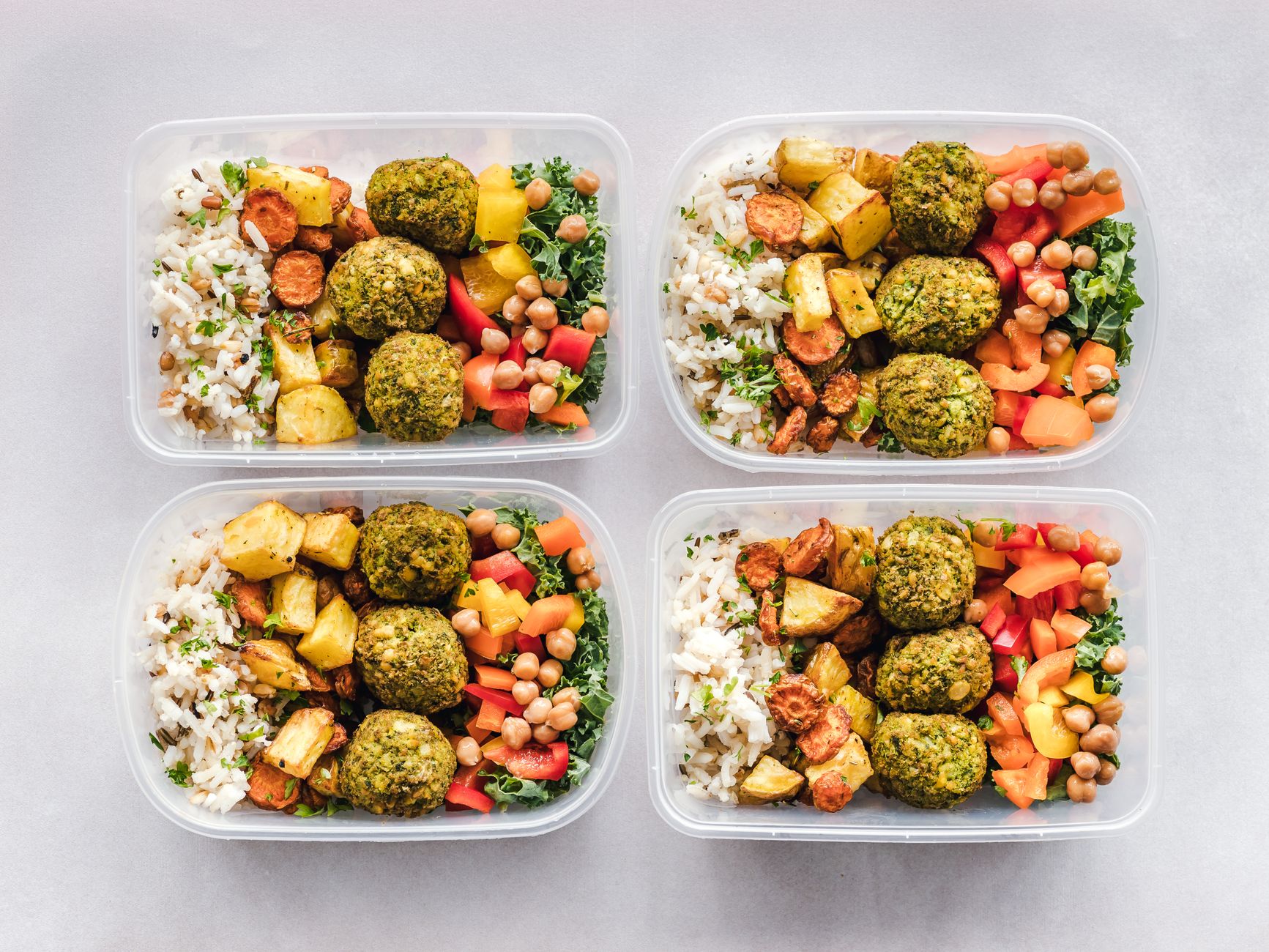
If you have limited mobility or tire easily, meal planning needs to be paired with specific cooking strategies. One effective approach is batch cooking: you spend two to three hours once a week cooking several components—a pot of brown rice, roasted chicken, steamed broccoli, and a pot of beans—then mix and match these throughout the week. On a day when you’re tired, you simply reheat components and assemble a plate; you’re not starting from scratch. Another strategy is to use conveniences strategically. This doesn’t mean eating processed food exclusively; it means buying pre-cut vegetables, rotisserie chicken, canned beans you can rinse and use, or frozen fish fillets to reduce the prep work.
Compare the time cost: making chicken salad from a whole chicken takes 45 minutes; making it from rotisserie chicken takes ten minutes. For someone with limited energy, that difference is significant. The tradeoff is that convenience foods typically cost more than doing everything from scratch, but for many people maintaining their independence at home, the time and energy savings justify the cost. Simple tools can also reduce physical strain. A bench scraper for chopping with one hand, a lightweight pot, good-quality knives that require less force, or a food processor to do chopping for you can make cooking sustainable. Many people find they can sustain a reasonable cooking routine if they’ve made it physically easier.
COMMON MISTAKES IN MEAL PLANNING AND HOW TO AVOID THEM
One frequent mistake is planning meals that are too complicated. A person decides they’ll cook recipes with five ingredients, multiple steps, and specialty items they’ve never bought before. By Wednesday, they’re exhausted, the recipe turned out disappointing, and they give up on the plan. A better approach is to plan meals you’ve actually made before and know you enjoy. You don’t need gourmet; you need reliable, nutritious, and doable. Another common problem is not accounting for how much food you’ll actually eat. Someone plans to make a big pot of chili and eat it four nights in a row, but by day two, they’re tired of chili and it sits uneaten in the refrigerator.
A warning: repetition gets tiresome. It’s better to plan for variety even if it means more cooking, or to plan smaller portions of items that freeze well. Foods that freeze well—soups, stews, casseroles, pre-cooked rice—are your allies in meal planning because they let you prepare ahead without forcing daily repetition. A third mistake is planning without checking your pantry. You write a plan assuming you have olive oil and garlic at home, then shopping day comes and you realize you’re out. You either buy them again (wasting money) or your planned meals fall apart. The fix is simple: before you finalize a meal plan, do a quick pantry check for staples you use regularly.

TOOLS AND TECHNOLOGY THAT SUPPORT MEAL PLANNING
Simple tools can make meal planning manageable. Some people use a physical notebook or printed template—write the days of the week, sketch out what sounds good, then flip through a cookbook or favorite recipes to fill in the blanks. Others use spreadsheets or apps designed specifically for meal planning like Plan to Eat or BigOven, which can generate shopping lists automatically. These apps work well if you’re comfortable with technology; if you’re not, a pen and paper is perfectly adequate.
A practical example of low-tech meal planning: A woman who lives alone creates a simple handwritten chart taped to her refrigerator with days of the week across the top and proteins down the left side. Every Sunday, she fills in what she’ll prepare each day. The chart is visible to her caregiver who helps with shopping, and it gives both of them clarity about what’s needed and what’s planned. This costs nothing and works perfectly.
ADAPTING YOUR MEAL PLAN AS YOUR NEEDS CHANGE
Meal planning isn’t static. As you age, your needs will shift—perhaps you develop a new health condition, your mobility changes, your appetite decreases, or your living situation evolves. An effective meal plan is one you revisit and adjust regularly, maybe every three months or whenever something significant changes in your health or circumstances.
For example, someone who could comfortably cook elaborate Sunday dinners at 70 might find at 82 that they’d rather prepare simple meals and freeze portions. Someone whose arthritis worsens may shift from fresh produce they prep themselves to frozen or pre-cut options. A person who loses their spouse must adjust their portions and stop cooking foods only for them. The goal isn’t to have the perfect meal plan carved in stone; it’s to have a planning practice that evolves with you and keeps you nourished and independent.
Conclusion
Meal planning is a practical tool for maintaining independence as you age, managing health conditions, conserving energy, and ensuring proper nutrition without excessive cost or waste. It works best when it’s realistic—plans you can actually follow, using recipes you enjoy, with strategies that accommodate your physical capacity on any given day. The time you invest in planning reduces daily decision fatigue and increases the likelihood you’ll eat well consistently rather than relying on convenience or skipping meals.
Start small if meal planning feels new. Pick three dinners you’ll plan for next week, write a simple shopping list, and see how it goes. From there, you can expand or refine your process based on what works for your life, your health needs, and your energy level.
Frequently Asked Questions
How far in advance should I plan meals?
Most people find that planning one week at a time works well. It’s far enough ahead to shop strategically but close enough that you can adjust if circumstances change or your appetite shifts unexpectedly.
What if I live with a caregiver or family member who doesn’t like the foods I’m planning?
Have a conversation about preferences and dietary needs upfront. You might plan base meals that can be customized (like taco night where toppings vary) or alternate who gets to choose meals. The goal is sustainable meals everyone can accept, not perfect meals no one will eat.
Should I meal plan if I have diabetes or another condition?
Yes, particularly if you have diabetes, kidney disease, or heart disease. Meal planning is one of the most effective ways to manage these conditions without relying on takeout or processed foods that may not fit your dietary needs. Consider asking your doctor or a registered dietitian for help with initial planning.
Can meal planning work if I have a very limited budget?
Absolutely. Meal planning helps you spend money more efficiently by buying what you need, not on impulse. Focus on inexpensive proteins like eggs and beans, seasonal produce, and foods that stretch across multiple meals.
What if I don’t have much cooking ability?
Start with very simple meals—baked chicken and roasted vegetables, pasta with sauce, soups. You don’t need to be a skilled cook to meal plan; you need to be consistent and realistic about what you can actually do.
How do I know if my meal plan is meeting my nutritional needs?
Discuss this with your doctor or ask for a referral to a registered dietitian, especially if you have health conditions. They can review your planned meals and make sure you’re getting adequate protein, vitamins, and minerals. A simple check: are you including protein, vegetables or fruit, and a grain at most meals? If yes, you’re on the right track.