
Certain foods significantly reduce fall risk by strengthening muscles, improving balance, and supporting bone density—the three pillars of fall prevention. A 60-year-old eating a calcium-rich breakfast with eggs and leafy greens, followed by a protein-heavy lunch, develops stronger legs and better proprioception than someone subsisting on processed foods and sugar. Research shows that older adults with adequate protein intake, vitamin D, and calcium have fewer falls and fractures, while those deficient in these nutrients experience a marked increase in both frequency and severity of falls.
Fall prevention through nutrition isn’t about a single “superfood.” Instead, it’s about consistent intake of foods that build and maintain muscle mass, support bone strength, enhance nervous system function, and stabilize blood sugar. An 80-year-old who prioritizes protein, vitamin B12, and magnesium throughout the day maintains better balance and coordination than a peer eating the same calories but missing these key nutrients. Falls are preventable, and food choices matter as much as physical exercise.
Table of Contents
- Which Nutrients Matter Most for Preventing Falls?
- Protein-Rich Foods That Build Muscle for Balance
- Calcium and Vitamin D Foods for Strong Bones
- How to Integrate These Foods Into Daily Meals
- Blood Sugar Stability and Its Effect on Balance and Dizziness
- Magnesium and Potassium for Muscle Function and Nerve Signals
- The Long-Term Impact of Consistent Nutritional Support
- Conclusion
- Frequently Asked Questions
Which Nutrients Matter Most for Preventing Falls?
Protein is the non-negotiable foundation of fall prevention because muscle mass directly determines stability and reaction time when you stumble. Unlike younger people who can recover from near-falls through quick muscle activation, older adults with low muscle mass often cannot catch themselves—protein intake of 1.0 to 1.2 grams per kilogram of body weight daily supports maintenance of leg strength and can reduce fall risk by up to 30 percent. A 150-pound person needs roughly 70 to 80 grams of protein daily from sources like chicken, fish, beans, yogurt, and cottage cheese. vitamin D and calcium work as a pair: vitamin D allows your body to absorb calcium, and calcium keeps bones dense so they don’t fracture if you do fall.
Low vitamin D levels correlate with poor muscle function and impaired balance, while calcium deficiency leads to osteoporosis. Many people consume calcium through dairy but get inadequate sun exposure for vitamin D production; this combination leaves bones weak and muscles sluggish even if you’re eating enough total calories. B vitamins—particularly B6, B12, and folate—support nerve function and reduce homocysteine, an amino acid that impairs balance and coordination when elevated. People over 65 often have reduced stomach acid, which limits B12 absorption from food alone, yet many don’t realize they’ve developed a deficiency until their coordination noticeably worsens. Deficiency is sneaky because the symptoms (tiredness, poor balance, tingling in feet) develop gradually, and many people attribute them to aging rather than nutrition.
Protein-Rich Foods That Build Muscle for Balance
Lean meats, fish, and poultry contain complete proteins with all essential amino acids needed for muscle repair. A three-ounce serving of baked salmon provides 25 grams of protein plus omega-3 fatty acids that reduce inflammation in joints and nerves. However, meats can be expensive and some older adults on fixed incomes cut protein portions to save money, not realizing they’re compromising their fall safety. Eggs are cheaper and contain all nine essential amino acids in a small package; one large egg has about 6 grams of protein, so two eggs at breakfast for about $0.50 delivers significant muscle-building nutrition. Greek yogurt and cottage cheese offer protein with added calcium, making them dual-benefit foods.
A half-cup of Greek yogurt contains 10 to 15 grams of protein depending on the brand, while providing 100 to 200 milligrams of calcium. The limitation is that many commercial yogurts contain high sugar content, which spikes blood glucose and can increase fatigue and dizziness—both fall risk factors. Choosing plain, unsweetened yogurt and adding berries yourself controls sugar intake while maximizing nutrition. Plant-based proteins like lentils, chickpeas, and peanut butter offer good value and fiber, though individually they lack all essential amino acids. A half-cup of cooked lentils has about 9 grams of protein but needs pairing with a grain like rice or whole wheat bread to provide complete protein. For someone eating on a limited budget, combining beans with rice creates a complete protein at a fraction of the cost of meat, making it sustainable for long-term fall prevention through consistent nutrition.
Calcium and Vitamin D Foods for Strong Bones
Dairy products—milk, cheese, and yogurt—remain the most accessible calcium sources for most people, with one cup of milk providing 300 milligrams of calcium (about 25 percent of daily needs) and often fortified with vitamin D. A realistic approach is adding a glass of milk at dinner, cheese to lunch, and yogurt at breakfast; this hits calcium targets without creating an overly restrictive diet. Non-dairy options like fortified plant-based milks, canned salmon with bones, and leafy greens (kale, collards, turnip greens) provide calcium but in less absorbable forms—spinach, paradoxically, has high calcium but oxalates that prevent absorption, so it’s not the ideal choice despite its reputation.
Vitamin D comes from fatty fish (salmon, mackerel, sardines), egg yolks, and fortified dairy, but sunlight exposure is the most efficient source. A 65-year-old spending 20 to 30 minutes outdoors three times weekly in midday sun can produce significant vitamin D, reducing fall risk more than most supplements. However, those with mobility limitations or living in northern climates struggle to get adequate sun exposure; for these individuals, consistent dietary sources or supplementation becomes necessary. Mushrooms exposed to sunlight (especially when left outside or under a window) also produce vitamin D naturally, though the amounts are modest compared to fatty fish.
How to Integrate These Foods Into Daily Meals
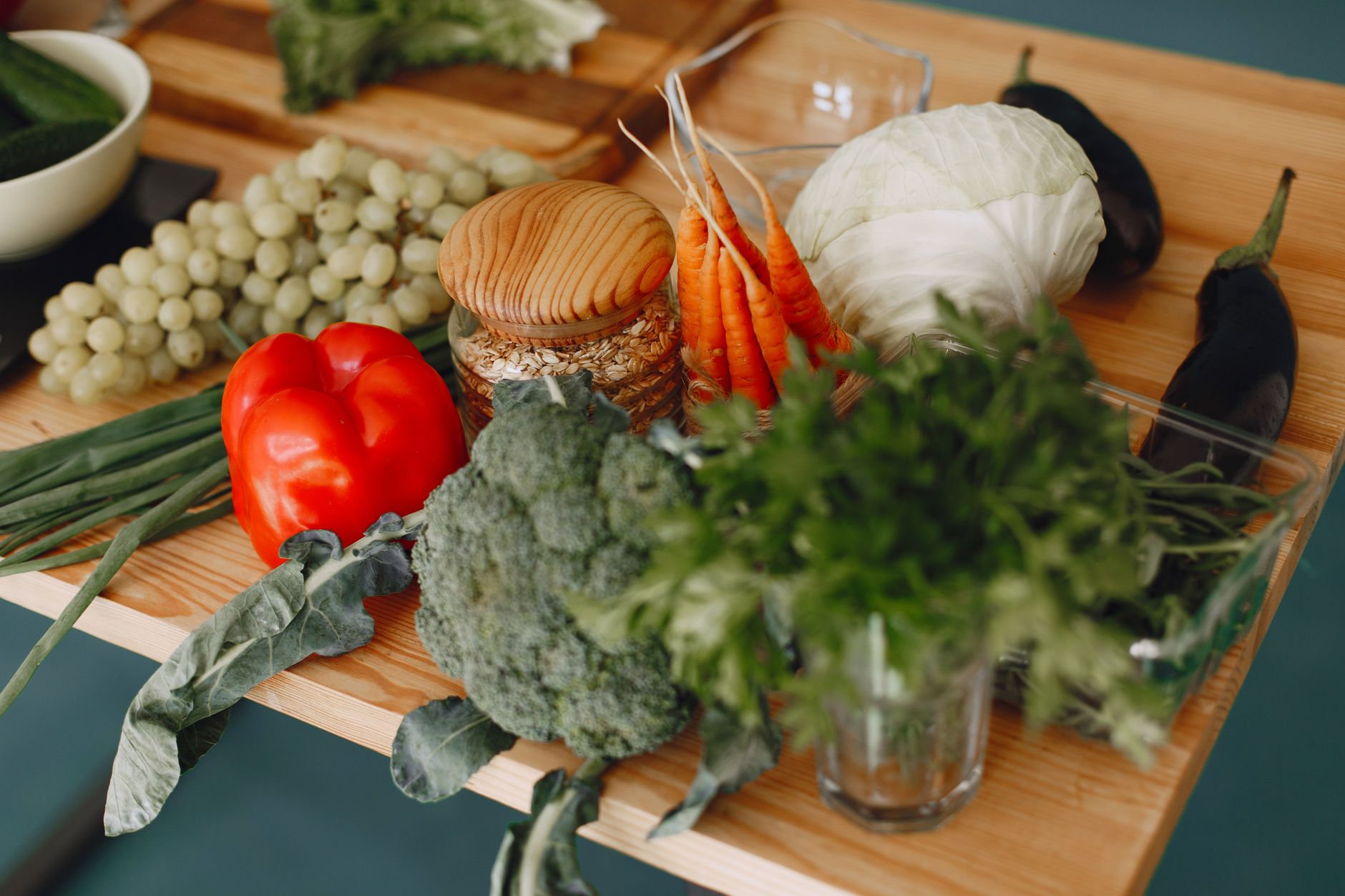
A practical approach is building meals around a protein source, adding a calcium-rich side, and including a vegetable for micronutrients. Breakfast could be two eggs (protein and B vitamins) with whole wheat toast (B vitamins and fiber) and a glass of fortified milk (vitamin D and calcium). Lunch could be a chicken and bean wrap (complete protein from the combination, with calcium from the tortilla if fortified) with leafy greens (micronutrients). Dinner might be baked salmon (protein, omega-3s, vitamin D) with sweet potato (potassium and fiber) and broccoli (calcium and vitamin C).
This structure doesn’t require cooking skills—all components can be grilled, baked, or even microwaved. The tradeoff of convenience is often nutrition: frozen dinners and takeout provide quick meals but typically lack adequate protein, excessive sodium, and missing micronutrients. A 70-year-old eating frozen meals daily might consume 1,500 calories but only 40 grams of protein and negligible vitamin D, whereas 1,500 calories from whole foods could provide 80 grams of protein and adequate micronutrients. Meal prep—cooking larger portions on Sunday to eat throughout the week—addresses the convenience issue without sacrificing nutrition and is feasible for most people, including those with mild arthritis.
Blood Sugar Stability and Its Effect on Balance and Dizziness
Uncontrolled blood sugar creates fatigue, dizziness, and poor concentration—all major fall risk factors. Foods high in refined carbohydrates (white bread, sugary cereals, pastries) cause rapid blood sugar spikes followed by crashes that leave you feeling weak and unsteady. An 75-year-old eating a breakfast of toast with jam and coffee experiences a sharp energy surge followed by a decline by mid-morning, often accompanied by lightheadedness when standing.
Pairing carbohydrates with protein and fat slows glucose absorption and sustains energy; the same person eating toast topped with almond butter (fat and protein) maintains steady energy and balance throughout the morning. Fiber further stabilizes blood sugar and aids digestion, yet many older adults don’t consume adequate amounts—whole grains, legumes, and vegetables provide fiber but require teeth and digestive system in good working order. For those with dental issues, well-cooked vegetables and mashed beans still deliver fiber and nutrients. The warning here is that people sometimes compensate for poor appetite by eating calorie-dense processed foods that spike blood sugar; this often worsens fatigue and balance, creating a negative cycle where the attempted solution (eating easy foods) worsens the underlying problem.

Magnesium and Potassium for Muscle Function and Nerve Signals
Magnesium is essential for muscle relaxation and nerve function; deficiency causes cramping, weakness, and irregular heartbeat—all potentially leading to falls. Leafy greens (spinach, kale), nuts (almonds, peanuts), seeds (pumpkin, sunflower), and whole grains provide magnesium. A quarter-cup of almonds delivers 100 milligrams of magnesium (about 25 percent of daily needs) in a satisfying snack.
Potassium, found in bananas, sweet potatoes, beans, and spinach, regulates muscle contractions and heart rhythm; low potassium causes muscle weakness and dangerous heart palpitations that increase fall risk. A 68-year-old experiencing muscle cramps and fatigue might attribute it to aging when the real issue is magnesium and potassium deficiency from eating too few vegetables and whole foods. Adding a banana daily (about 400 milligrams potassium) and a small handful of almonds (about 100 milligrams magnesium) to an otherwise unchanged diet sometimes resolves symptoms within weeks. The challenge is that people often turn to medications for symptoms that food can prevent or reduce, missing the opportunity for a safer, more sustainable solution.
The Long-Term Impact of Consistent Nutritional Support
Fall prevention through nutrition is a long-term investment rather than a quick fix. Someone starting to eat more protein and calcium at 70 doesn’t notice dramatic changes in week one, but over six months to a year, muscle strength, bone density, and balance improve measurably. This delay in results sometimes causes people to lose motivation and revert to previous eating habits before benefits fully manifest.
Those who persist—continuing to prioritize protein, vitamin D, and calcium year after year—maintain independence longer, require fewer medications, and experience fewer hospitalizations. As people age into their 80s and 90s, the accumulated effect of consistent nutrition becomes even more apparent: those who maintained good eating habits show resilience after accidents, recover better from falls, and maintain mobility that their malnourished peers have lost. The future of fall prevention in aging populations increasingly focuses on simple, sustained dietary approaches rather than elaborate interventions, recognizing that what you eat today determines your stability and independence tomorrow.
Conclusion
Foods that prevent falls work through four mechanisms: building muscle (protein), strengthening bones (calcium and vitamin D), supporting the nervous system (B vitamins and magnesium), and stabilizing energy (fiber and balanced carbohydrates). The most practical approach is eating consistent meals that combine a protein source, a calcium-rich component, and vegetables or whole grains—nothing exotic or restrictive, just real food chosen with intention.
Starting this week, add one source of protein to each meal, get adequate sunlight or eat fatty fish three times weekly, and include vegetables at lunch and dinner. These small shifts compound over months and years into noticeably better balance, strength, and fall resistance. Falls are not an inevitable part of aging; they’re largely preventable through exercise, home safety, and the sustained nutrition that makes exercise effective.
Frequently Asked Questions
Do I need supplements if I eat the right foods?
Most people over 65 benefit from a vitamin D supplement (1,000 to 2,000 IU daily) because sun exposure is often inadequate, and getting enough from food alone is difficult. B12 supplementation is often needed for those over 65 due to reduced absorption, regardless of diet. Calcium and magnesium are best obtained from food when possible, but supplements help bridge gaps. A healthcare provider can check your blood levels and recommend supplements specific to your situation.
How much protein do I actually need?
Adults over 65 should aim for 1.0 to 1.2 grams per kilogram of body weight daily. A 150-pound person (68 kg) needs roughly 70 to 80 grams daily, which equals about 25 to 30 grams per meal at three meals. This is achievable with eggs, lean meat, fish, yogurt, beans, or nuts at each meal.
Can diet alone prevent all falls?
Diet is one of three critical components alongside physical exercise and home safety. Strong muscles from protein and vitamin D prevent falls, exercise trains your reaction time and balance, and removing tripping hazards prevents falls from occurring. All three are necessary; diet alone cannot compensate for extreme weakness or a cluttered home.
Which is better—fresh or frozen vegetables?
Frozen vegetables are nutritionally equivalent to fresh and often superior to fresh that has traveled long distances and sat in stores for days. Frozen broccoli, spinach, and mixed vegetables are convenient, retain nutrients well, and cost less than fresh during off-season. Use whichever you’ll actually eat consistently.
What if I have trouble chewing or swallowing?
Soft foods like cooked beans, scrambled eggs, canned fish, mashed sweet potatoes, yogurt, and well-cooked vegetables deliver the same nutrients as their firmer counterparts. Protein shakes and smoothies can supplement when whole foods are difficult to eat, though they should not entirely replace whole food because fiber and certain micronutrients are lost in processing.
Should I avoid fat to stay healthy?
Dietary fat is essential for absorbing vitamins A, D, E, and K and for maintaining brain health and hormone function. The key is choosing healthier fats—olive oil, nuts, fatty fish, and avocado—over trans fats and excess saturated fat. A 75-year-old eating grilled salmon with olive oil and nuts will maintain better muscle function and balance than someone eating the same calories from refined carbohydrates and avoiding all fat.