
As you age in place, the foods you choose directly affect your independence, energy, and ability to stay active. Certain foods carry specific risks for older adults—from choking hazards to medications that clash with what you eat, to foods that destabilize blood sugar or blood pressure. Learning which foods to avoid isn’t about restriction; it’s about protecting the mobility and mental clarity you need to stay independent.
For example, if you take blood thinners, eating large amounts of leafy greens can interfere with how the medication works, potentially creating a health crisis that forces a hospital visit and temporary dependence on caregivers. The risks vary based on your medications, dental health, swallowing ability, and existing conditions. A food perfectly safe for one person might be dangerous for another. Understanding your personal risk factors—and communicating them clearly with whoever prepares your meals—keeps you safer and reduces caregiver burden.
Table of Contents
- What Foods Present the Biggest Risks for Older Adults?
- Why Digestive and Metabolic Complications Matter More as You Age
- Medications and Foods Create Hidden Conflicts
- Practical Meal Planning Without Giving Up Foods You Enjoy
- Common Mistakes That Older Adults Make Around Food Safety
- Dining Out and Social Eating Safety
- Planning Ahead With Your Caregiver or Family
- Conclusion
What Foods Present the Biggest Risks for Older Adults?
The foods to avoid most carefully fall into a few clear categories: hard or sticky foods that increase choking risk, foods that interact with common medications, and foods that trigger digestive distress or chronic disease flare-ups. Hard candies, popcorn, nuts, and tough meats top the choking list, especially if you’ve noticed any difficulty swallowing in recent years. Sticky foods like peanut butter or caramel can lodge in your throat and create panic—even if you eventually clear them, the stress and potential aspiration risk makes them worth avoiding or eating with caution. Raw vegetables like carrots and apples, while healthy, can be dangerous if not cut small or softened first.
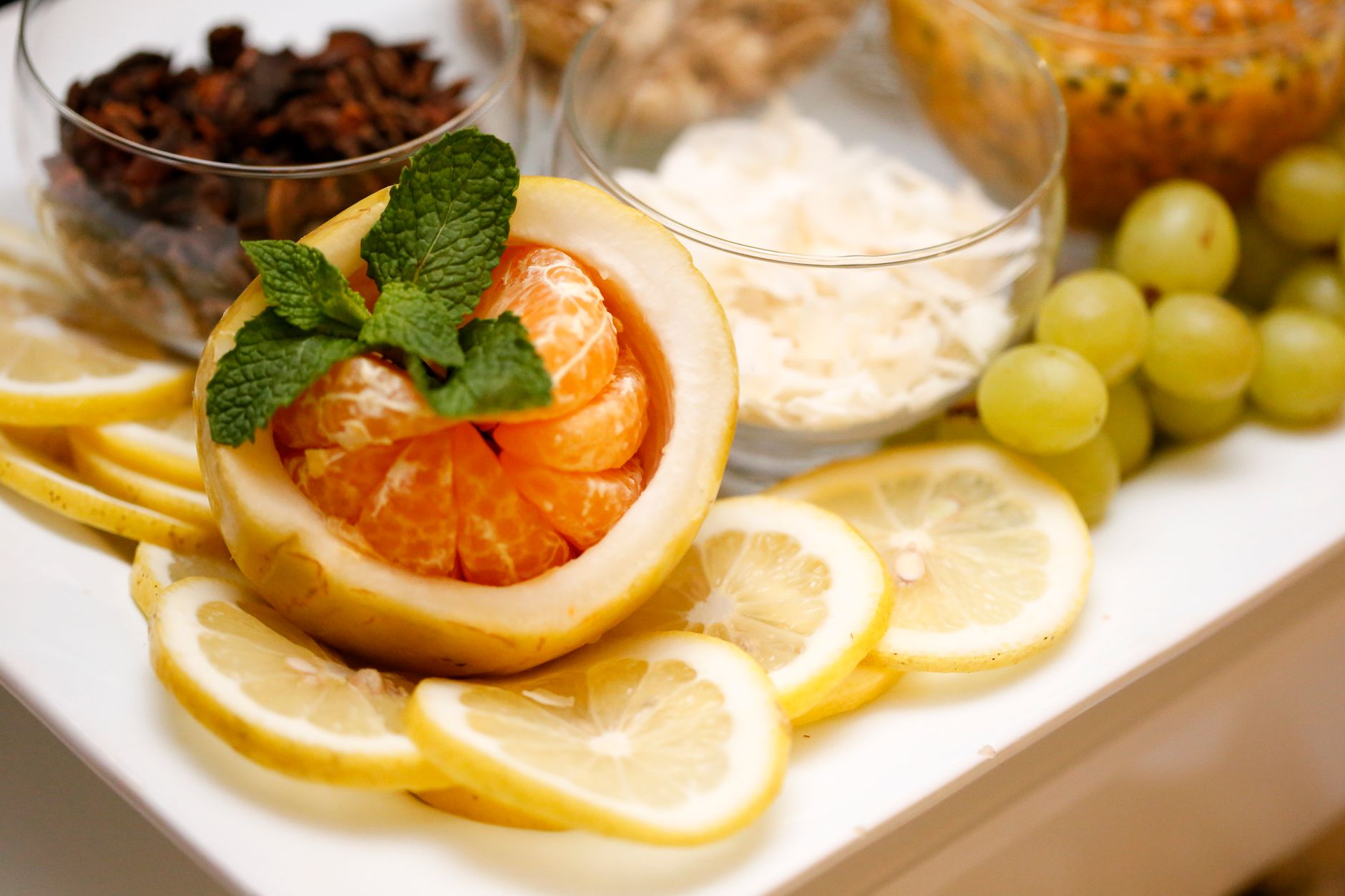
Foods that interact with medication are equally serious but less obvious. Grapefruit and grapefruit juice interfere with how your body processes dozens of common medications, from blood pressure pills to cholesterol drugs, potentially causing overdose-level effects. Licorice can raise blood pressure and reduce the effectiveness of blood pressure medication. High-sodium processed foods interact poorly with heart and kidney medications, making your condition harder to control. If you’re on warfarin or similar anticoagulants, sudden large changes in vitamin K intake—from dark leafy greens or Brussels sprouts—can make your blood thinner or thicker than intended, creating stroke or clot risk.
Why Digestive and Metabolic Complications Matter More as You Age
Your digestive system becomes more sensitive with age. Spicy foods, high-fat fried foods, and excess caffeine trigger reflux, constipation, or diarrhea—problems that feel minor but cascade into dehydration, falls, and loss of appetite if left unmanaged. A bout of severe constipation from eating too many binding foods (like white rice, cheese, or bananas without enough fiber elsewhere) can lead to straining that raises blood pressure dangerously, or worse, contributes to a fall.
Diarrhea from too much coffee or sugar-free sweeteners causes dehydration, which in turn causes dizziness, confusion, and falls—the primary cause of injury and lost independence for older adults. High-sugar and high-sodium processed foods deserve special attention because their effects are slow and cumulative. A diet heavy in packaged snacks, frozen dinners, and sweetened drinks destabilizes blood sugar, worsens inflammation, and raises blood pressure—all of which reduce your energy, cloud your thinking, and increase your dependence on caregivers for driving, errands, and daily tasks. The limitation here is that “healthy” convenience foods often contain surprising amounts of sodium and sugar, so label reading is critical.
Medications and Foods Create Hidden Conflicts
Drug-food interactions are a leading cause of hospital visits for older adults, and many people don’t realize they’re happening. If you take levothyroxine for thyroid issues, eating too close to taking the pill (or consuming calcium-rich foods, iron supplements, or soy) reduces how much hormone your body absorbs, leading to fatigue and brain fog that feels like aging itself. If you take metformin for diabetes, alcohol consumption is riskier and large amounts of high-fiber foods taken suddenly can cause stomach distress.
Talk to your pharmacist or doctor about your specific medications and which foods to time carefully. This conversation takes 10 minutes but can prevent medication failures that leave you fatigued, confused, or with poorly controlled blood sugar—any of which threatens independence. Keep a written list of your medications and any food interactions, and give it to any caregiver or family member who shops or cooks for you.

Practical Meal Planning Without Giving Up Foods You Enjoy
The goal isn’t to eliminate entire food groups. It’s to modify how and when you eat them. Hard foods can often be softened: cook vegetables longer, choose tender cuts of meat, cut apples and nuts into small pieces, or blend them into smoothies. If choking is a concern, eating slowly and taking smaller bites matters more than removing foods entirely.
Sitting upright while eating and staying seated for 20 minutes afterward helps prevent aspiration. For medications, the tradeoff is simple: take your medication at a consistent time (morning, evening, with or without food) and avoid the problematic foods at least 2–4 hours before and after. You don’t have to give up grapefruit forever, but if your blood pressure medication depends on it, it’s worth avoiding. Work with your doctor to see if a different medication would allow more freedom, or commit to avoiding that one food class. Keeping a food and symptom diary for two weeks reveals which specific foods trigger your problems—not general rules, but your personal pattern.
Common Mistakes That Older Adults Make Around Food Safety
Many people assume that if a food is “healthy,” it won’t hurt them—but context and quantity matter enormously. Eating too many whole grains at once can cause severe constipation and bloating. Drinking too much water (especially if you take certain blood pressure medications) can dilute sodium levels dangerously.
Switching suddenly from low-fiber to high-fiber foods in an attempt to “get healthy” causes digestive distress that leaves you weak and dependent on a caregiver for a week. Another mistake is not mentioning subtle symptoms to a doctor: you feel tired, or your memory feels foggy, or you’re having more falls than usual. These are often food-medication interactions or inadequate nutrition, not normal aging—and they’re reversible once you identify the cause. Don’t assume you have to feel worse as you age.

Dining Out and Social Eating Safety
Eating alone at home lets you control ingredients, but isolation increases depression and accelerates decline. Dining out or with family requires strategy, not avoidance. When ordering, ask how dishes are prepared (is the meat tender or tough? how much sodium?).
Don’t be embarrassed to request modifications: softer vegetables, sauce on the side, salt left out. Most restaurants accommodate these requests without comment. If swallowing is a concern, choose softer cuisines—soup-based dishes, well-cooked pasta, fish, or scrambled eggs—over hard or sticky options. Bring a small notebook with your main food restrictions and medication information, and hand it to whoever you’re eating with; this prevents awkward conversations and ensures they understand why you’re declining certain foods.
Planning Ahead With Your Caregiver or Family
As soon as you recognize any changes in your swallowing, appetite, or digestion, talk to your family and doctor. If a caregiver joins your household—whether a family member, home health aide, or part-time helper—give them a clear written list of foods to avoid, why, and what to do instead. This conversation prevents well-intentioned relatives from bringing your favorite pie only to watch you struggle, or a new caregiver unknowingly giving you medication with grapefruit juice.
Technology can help: share a photo of your medication list in a family group chat, or use a shared note in your phone or tablet. As your needs change, update the list. Staying ahead of food-safety issues means staying independent longer because you’re not derailed by preventable crises.
Conclusion
Foods to avoid aren’t a mystery once you understand your medications, swallowing ability, and digestive patterns. The goal is harm reduction and independence—eating well enough to stay strong, alert, and active, not perfect.
Most “forbidden” foods can be modified, timed carefully, or replaced with safe alternatives that satisfy the same craving. Start this week by checking your medications for drug-food interactions, asking your pharmacist one question about the foods you eat most, and having a brief conversation with whoever prepares meals about your specific concerns. These small steps now prevent the hospital visits and loss of independence that chaotic eating patterns create later.