
A healthy grocery list for older adults is one that prioritizes nutrient-dense, easy-to-prepare foods while accounting for real-world constraints like limited mobility, fixed incomes, chewing difficulties, and medication interactions. Rather than following trendy superfoods or complicated recipes, a practical healthy list focuses on affordable staples that support independence, maintain strength, and reduce the need for caregiving assistance. For example, a foundation list might include eggs (inexpensive protein), frozen vegetables (longer shelf life, pre-cut), canned beans (no prep), whole grain bread, Greek yogurt, and canned fish—foods that deliver nutrition without requiring extensive cooking skills or physical stamina.
The goal isn’t perfection or restriction. It’s creating a shopping list that actually gets used, that fits your budget and abilities, and that helps you or the person you’re caring for stay nourished and independent longer. Many older adults abandon “healthy” lists because they’re too complicated, too expensive, or require cooking abilities that pain, tremors, or cognitive changes have made difficult. A realistic list removes those barriers.
Table of Contents
- What Should Be on a Healthy Grocery List for Older Adults?
- Building a Nutrient-Dense List Without Overspending
- Managing Dietary Restrictions and Health Conditions
- Shopping Smart: Planning and Preparing for Real-World Independence
- Common Pitfalls: Why Healthy Lists Fail and How to Avoid Them
- Adapting Your List When You Have Limited Mobility or Health Conditions
- Staying Flexible: Making Your Grocery List Work Long-Term
- Conclusion
- Frequently Asked Questions
What Should Be on a Healthy Grocery List for Older Adults?
A foundational healthy grocery list for aging adults includes proteins, whole grains, fruits, vegetables, and healthy fats—but in forms that are actually manageable. Proteins matter most because muscle loss accelerates with age, and maintaining strength directly supports independence in daily activities like getting up from a chair, climbing stairs, or carrying groceries. Affordable protein sources include eggs, Greek yogurt, canned beans, canned tuna, rotisserie chicken (can be shredded for multiple meals), and milk. These don’t require complicated preparation and deliver 10 to 30 grams of protein per serving. Vegetables and fruits should include both fresh and frozen options. Frozen vegetables are often fresher than fresh (frozen at peak ripeness), last longer, require no chopping if you have hand weakness, and cost less. Frozen broccoli, spinach, mixed berries, and peas are excellent choices.
For fresh items, focus on what’s in season and therefore cheaper—a seasonal list changes throughout the year and saves money compared to buying out-of-season produce. Whole grains like oatmeal, brown rice, and whole wheat bread provide fiber and sustained energy, but here’s a real limitation: whole grains do require more chewing and digestion effort. If you have dentures, GERD, or digestive sensitivity, you may need to include some refined grains alongside whole options. Healthy fats round out the list: olive oil, nuts or nut butters (peanut butter counts and is cheap), avocados when affordable, and fatty fish like salmon if budget allows. These support heart health and brain function—particularly important for maintaining cognitive independence. A practical note: many older adults on fixed incomes struggle with the cost of premium items like fresh salmon or organic produce. Frozen fish, canned beans, and conventionally grown vegetables are perfectly healthy alternatives.
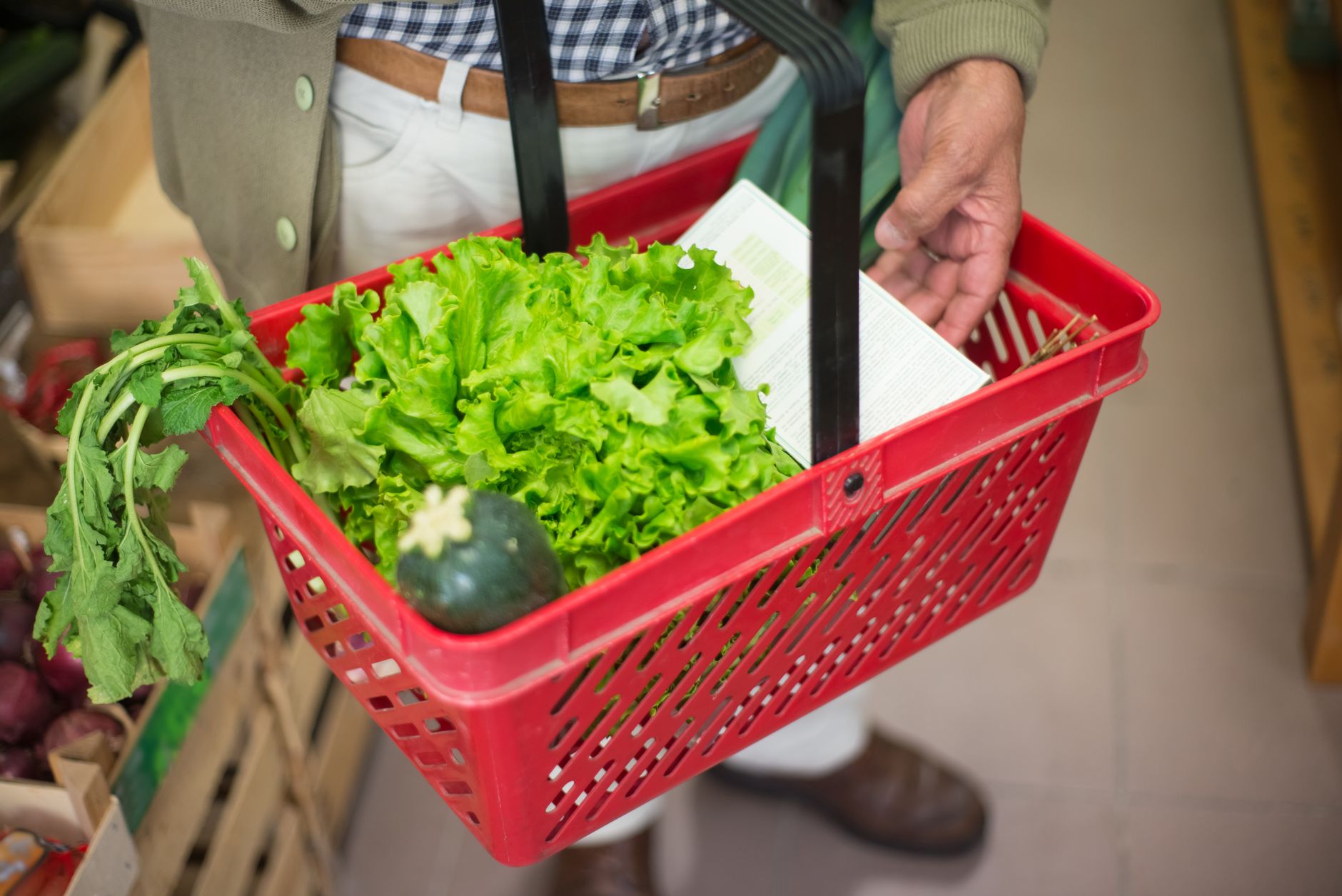
Building a Nutrient-Dense List Without Overspending
The tension between “healthy” and “affordable” is real, especially for people on Social Security or fixed pensions. Nutrient density—getting the most nutrition per dollar—is a better goal than seeking expensive superfoods. Eggs deliver protein, choline, and lutein (eye health) for under $0.30 per egg. Canned chickpeas provide fiber and plant-based protein for under $1 per can. Frozen spinach is packed with iron and folate. Rolled oats are one of the cheapest whole grains.
These aren’t trendy, but they’re reliably nutritious and won’t stretch a limited budget. One significant limitation: healthy eating sometimes requires a larger upfront investment, which creates hardship for people living paycheck to paycheck or who receive assistance. A bag of frozen vegetables costs $2 to $3 but provides 4 to 6 servings; a $4 rotisserie chicken yields 3 to 4 meals. These are reasonable values for most, but someone with $30 per week for groceries may need help with that front-loaded spend. Additionally, foods designed for accessibility—pre-cut vegetables, boneless skinless chicken, soft breads—cost significantly more than whole versions. If you’re on a very tight budget, sometimes choosing canned beans over fresh and doing your own prep is necessary, even if it requires more physical effort.
Managing Dietary Restrictions and Health Conditions
Most older adults manage multiple health conditions that directly affect grocery choices. Diabetes requires attention to added sugars and refined carbs, which means checking labels on canned goods and choosing beans, lentils, and vegetables as primary carbohydrate sources. Heart disease or high blood pressure means limiting sodium—problematic because canned vegetables and beans are often high in salt, though low-sodium versions exist. Kidney disease restricts potassium, phosphorus, and protein in some cases, requiring a completely different list structure. Difficulty swallowing or denture issues demand soft or mashable foods: canned tuna, scrambled eggs, oatmeal, yogurt, applesauce, and well-cooked vegetables.
A specific example: An 72-year-old woman with diabetes, high blood pressure, and arthritis in her hands might build a list of no-sugar-added canned vegetables, low-sodium broth, eggs, Greek yogurt, canned beans (drained and rinsed to reduce sodium), frozen berries, and whole grain bread. Her arthritis means opening cans is painful, so pre-opened or pre-packaged foods reduce barrier to use, even if they cost slightly more. Another woman with the same age but cognitive decline might need a simpler list: milk, eggs, cheese, bread, bananas, frozen vegetables, and canned soup—foods that require almost no decision-making or preparation. Medication interactions are an often-overlooked aspect of grocery planning. Certain foods interfere with medications: grapefruit and grapefruit juice interact with statins and blood pressure medications; high-vitamin-K foods like spinach and kale interact with warfarin; tyramine-rich foods interact with some antidepressants. Your pharmacist or doctor should be asked about interactions specific to your medications, and your grocery list adjusted accordingly.

Shopping Smart: Planning and Preparing for Real-World Independence
Effective grocery planning starts with a realistic assessment of cooking ability and interest. If you live alone, enjoy cooking, and have good physical function, you might plan for fresh ingredients and batch-cooking. If you’re fatigued, have arthritis, or rely on caregiving support, you need minimal-prep options: rotisserie chicken instead of raw chicken to roast, canned beans instead of dried, pre-cut vegetables, and frozen meals that just need heating. Neither approach is “wrong.” The trade-off is convenience versus cost; prepared foods cost more per serving but require less labor and energy. Shopping frequency matters too. Older adults with limited mobility might prefer one shopping trip every two weeks rather than frequent trips, which means prioritizing shelf-stable and frozen items that don’t spoil quickly. Canned vegetables, frozen fruits, beans, grains, nuts, and cheese keep longer than fresh produce.
Alternatively, some people have groceries delivered, which removes the physical barrier but adds cost. Making a list that matches your actual shopping frequency prevents waste and overspending on fresh items that rot before use. A practical strategy: Write or print a standard list that reflects your usual meals and the foods you’ll actually eat. Tape it to the fridge. Each week, check it and add fresh items around that foundation. This removes decision fatigue and ensures you buy proteins, vegetables, and whole grains consistently. Many older adults report that the cognitive load of planning meals and shopping is a real barrier; a standing list removes that burden.
Common Pitfalls: Why Healthy Lists Fail and How to Avoid Them
The biggest reason healthy grocery lists fail: they’re based on aspirational eating, not actual eating patterns. You buy kale because it’s healthy, but you hate kale and have no recipes you enjoy. You buy dried beans with good intentions but never cook them. You buy fresh fish that spoils before you prepare it. The solution is brutal honesty: only buy foods you’ve actually eaten and enjoyed before, and only buy forms (fresh, frozen, canned) that match how you actually use them. If you never cook from scratch, frozen meals and canned soups are not failures—they’re realistic foundations. Another pitfall: underestimating how medications, depression, or cognitive changes affect appetite and eating. Medications like metformin can suppress appetite or cause nausea. Depression, loneliness, and cognitive decline genuinely reduce interest in eating, even if you know it’s important.
An older adult living alone might lose motivation to cook for one person. In these cases, your grocery list needs to include lower-barrier foods: shelf-stable shakes, smoothies, yogurt, cheese, nuts, fruit, and canned soups. These are less “exciting” than a fresh-cooked meal, but they get nutrition in when normal cooking feels overwhelming. A warning: significant appetite loss or sudden changes in eating patterns can signal serious health issues—talk to a doctor. Sodium is a hidden pitfall in seemingly healthy foods. Low-fat salad dressings, canned vegetables, canned beans, frozen meals, and even whole grain breads contain surprising amounts of added sodium. For people with high blood pressure or heart disease, this undermines the health goal. Rinsing canned beans reduces sodium by about 40 percent and costs nothing in effort. Choosing low-sodium broth, vegetables, and beans is worthwhile if your budget allows. If not, offset with fresh vegetables and home-cooked meals where you control the salt.

Adapting Your List When You Have Limited Mobility or Health Conditions
Physical limitations change what a “healthy” grocery list looks like. Limited hand strength or arthritis means avoiding foods that require opening, peeling, or extensive prep: choose pre-peeled garlic, canned beans instead of dried, pre-cut vegetables, boneless chicken, and soft fruits like bananas or canned peaches. These cost more per unit, which is a real trade-off, but they enable independence by removing a barrier. A caregiver’s time spent shopping and cooking is valuable; sometimes paying slightly more for pre-prepped items frees them for other tasks. Vision changes require attention to food labels and expiration dates. Larger-print labels or digital label readers help.
Keeping a simple inventory system—a notepad on the fridge listing what you have—prevents buying duplicates and helps use food before it spoils. Delivery services that allow you to see images and descriptions online can be easier than navigating crowded stores if you have mobility or cognitive issues. For someone in a wheelchair or with severe arthritis, kitchen accessibility matters. Canned goods with pull-top lids and bottles with pump dispensers (oil, vinegar) reduce the fine motor control needed. Lightweight packages and foods stored at arm height on shelves you can reach without climbing reduce strain. These logistics aren’t “healthy eating” in a traditional sense, but they’re essential to whether a healthy list is actually used.
Staying Flexible: Making Your Grocery List Work Long-Term
A healthy grocery list isn’t fixed. It evolves as your health, abilities, and circumstances change. A diagnosis of kidney disease changes priorities overnight. A hospitalization might reduce your energy for cooking temporarily, requiring more prepared foods. A move to assisted living means you no longer shop at all, or shop very differently.
Instead of viewing these changes as failures, see them as adjustments. The goal is always nourishment and independence—the foods that achieve that shift. Building relationships with your pharmacy, doctor, and even store staff (who can help you find things or carry bags) creates informal support that makes healthy eating more achievable. Some communities have meal programs for older adults, senior food banks, or grocery assistance through local nonprofits. These aren’t replacements for self-sufficiency, but they’re real resources that can bridge gaps when budgets are tight or mobility is limited. The most sustainable healthy grocery list is one that’s honestly adapted to your current life, not one that requires willpower, physical ability, or financial resources you don’t actually have.
Conclusion
A healthy grocery list for aging adults prioritizes real foods you’ll actually eat, in forms that match your current abilities and budget. It centers on affordable protein, accessible produce (frozen is fine), whole grains if you can tolerate them, and healthy fats—adjusted for any health conditions, medication interactions, or physical limitations you face. The list succeeds when it reduces decision fatigue, fits your cooking ability, and prevents waste by matching your shopping frequency and realistic use patterns. Start by listing 10 to 15 foods you genuinely enjoy and eat regularly, ensuring they cover proteins, vegetables, and whole grains.
Build your shopping list around those anchors each week, adding fresh items as needed. Review it with your doctor or pharmacist if you have multiple health conditions. Be willing to adjust forms—frozen instead of fresh, canned instead of dried—without viewing those choices as compromises. The point isn’t a perfect list; it’s a list you’ll use, that supports your health, and that helps you maintain independence as long as possible.
Frequently Asked Questions
How do I plan a healthy grocery list on a limited budget?
Focus on affordable staples like eggs, canned beans, frozen vegetables, oatmeal, peanut butter, and canned tuna. Avoid expensive superfoods. Buy store brands and items on sale. One rotisserie chicken can provide 3 to 4 meals; frozen vegetables are often cheaper and fresher than fresh. Rinsing canned beans reduces sodium at no cost.
What if I can’t cook or have very limited cooking ability?
Your list should emphasize no-cook and minimal-prep foods: rotisserie chicken, canned fish, cheese, yogurt, nuts, bread, peanut butter, cereal, milk, frozen meals, and canned beans. Pre-made rotisserie chicken and canned fish are more expensive per unit than raw, but the extra cost is justified if it means you actually eat protein instead of skipping meals.
How do I handle food allergies, religious restrictions, or cultural food preferences in my grocery list?
Work with your doctor or a registered dietitian if you have allergies to ensure you’re not removing entire food groups unnecessarily. For religious or cultural preferences, build your list around the foods within those traditions that are nutritious and accessible to you. Your grocery list should reflect your actual identity and values, not external judgments about what’s “healthy.”
How often should I revise my grocery list?
Your baseline list can stay the same week to week, reducing decision fatigue. Revise it if your health, abilities, or medications change; if you’re not using certain items; or seasonally to take advantage of cheaper produce. A complete overhaul isn’t necessary—small adjustments are more sustainable.
What if I’m experiencing appetite loss or depression affecting my eating?
Talk to your doctor, as appetite loss can signal medication side effects or health issues. While you’re addressing the underlying cause, focus on calorie-dense, nutrient-dense foods: nuts, nut butters, avocados, cheese, eggs, and yogurt. Lower barriers to eating by keeping easy foods visible. Eating with others, even via video call, sometimes helps motivation.
How do I balance the cost of healthy foods with other expenses?
If budgets are extremely tight, focus first on protein and vegetables (which support independence and health), then whole grains, then diversify. Canned beans and frozen vegetables are legitimately affordable. Local food banks, SNAP benefits, and senior meal programs exist for this reason. Using them isn’t failure—it’s using available resources to meet a basic need.