
Browse every active aging guide on Aging Independence, sorted by newest first.
Emergency Preparedness
Emergency preparedness is the practical process of planning, gathering supplies, and establishing communication protocols to protect yourself and your...
Choosing a Walker
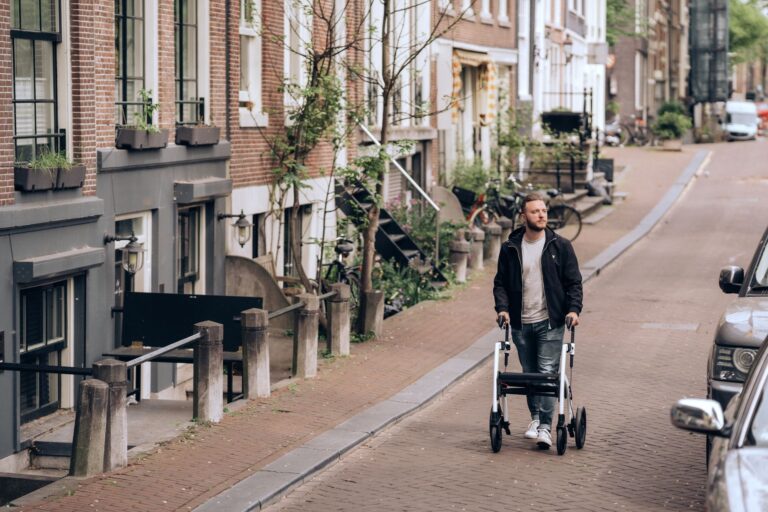
Choosing the right walker depends on three core factors: your mobility level, the environments where you'll use it most, and how much assistance you...

Choosing a Cane
Choosing a cane means finding the right balance between support level, comfort, and your specific mobility needs—and it's not one-size-fits-all.
Best Walking Aids
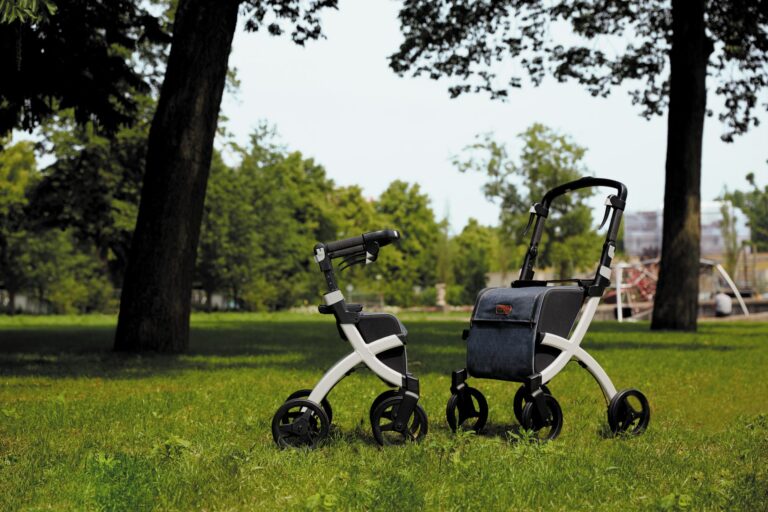
The best walking aid for you depends on your specific mobility needs and living situation, but the most effective ones—canes, walkers, and rollators—are...

Grab Bars Guide
Grab bars are horizontal or angled metal bars installed on walls to provide stability and prevent falls, particularly in bathrooms where wet surfaces and...
Better Home Lighting
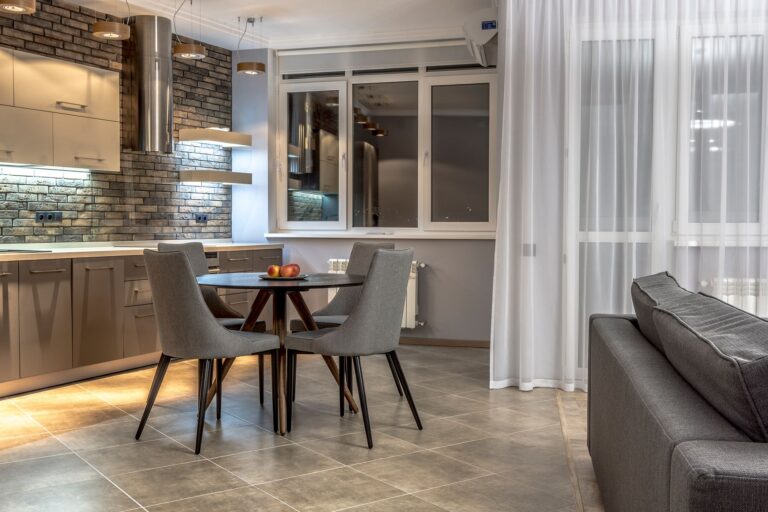
Better home lighting reduces falls, improves safety, and helps older adults maintain independence longer.

Stair Safety
Stair safety is fundamental to aging in place and maintaining independence at home, yet it remains one of the most overlooked hazards in residential...

Bedroom Safety
Bedroom safety is about reducing the risk of falls, injuries, and health emergencies in the space where you spend a third of your life.
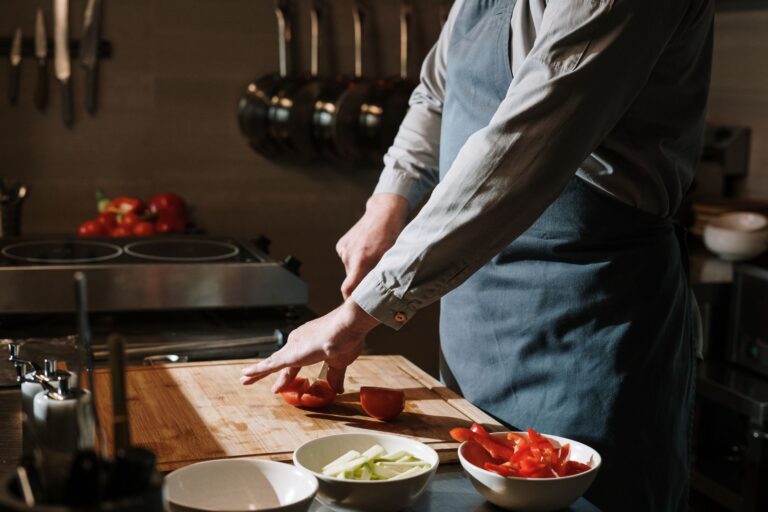
Safe Kitchen Tips
Safe kitchen practices for older adults and those with mobility challenges focus on three core areas: preventing falls, minimizing burn and cut risks, and...
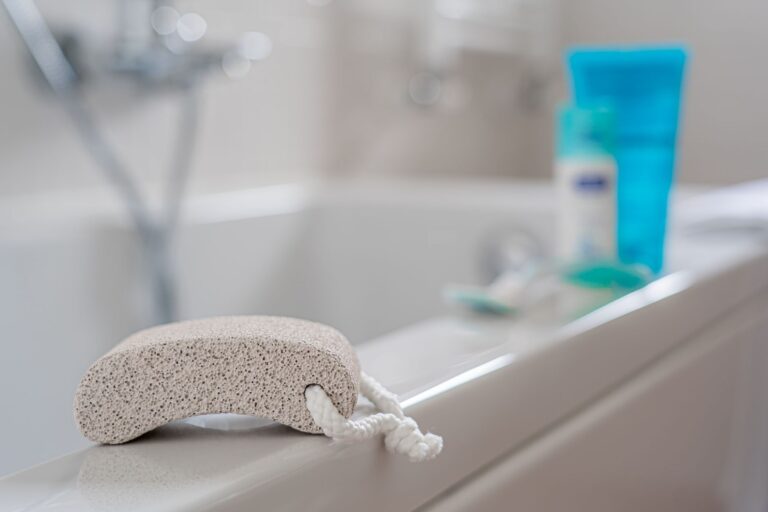
Prevent Bathroom Falls
Bathroom falls are the leading cause of nonfatal injuries and trauma-related deaths among adults over 65, accounting for over 80% of emergency room visits...

Home Safety Checklist
A home safety checklist is a systematic list of potential hazards and safety measures to inspect throughout your living space—from securing handrails on...
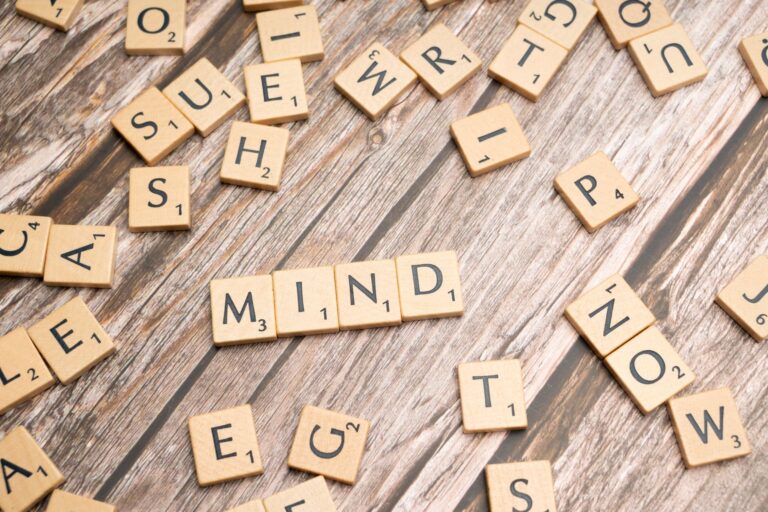
Daily Brain Workout
A daily brain workout is a structured regimen of cognitive exercises—typically spanning just 5 to 10 minutes per day—designed to challenge and strengthen...
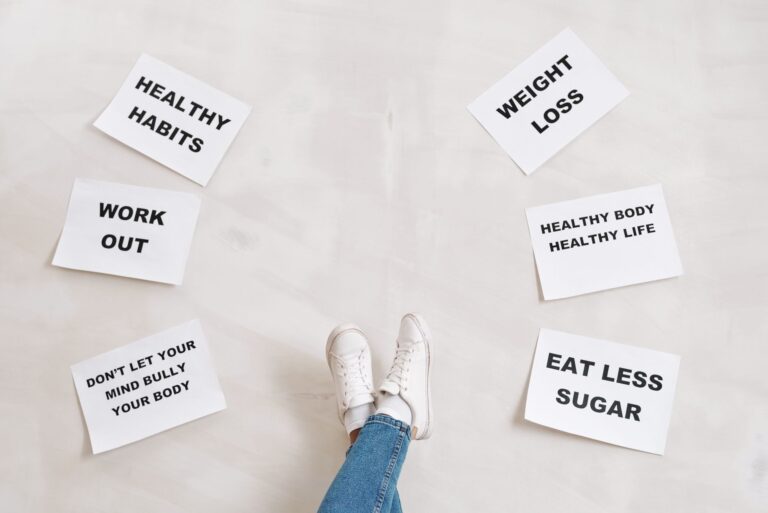
Healthy Brain Habits
Healthy brain habits are the daily practices and lifestyle choices that maintain cognitive function, protect against memory loss, and support independence...

Digital Skills
Digital skills—the ability to use computers, smartphones, tablets, and online tools effectively—are no longer optional for maintaining independence and...

Staying Curious
Staying curious is one of the most powerful tools you have to maintain independence and quality of life as you age.

Preventing Cognitive Decline
Preventing cognitive decline is possible through a combination of lifestyle choices, mental stimulation, and social engagement—though the process requires...

Lifelong Learning
Lifelong learning is the practice of continuous education and skill development throughout your entire life, and it's one of the most powerful tools for...

Music and Memory
Music activates memory pathways in the brain that often remain accessible even when other cognitive functions have declined.

Meditation Benefits
Meditation can reduce anxiety and blood pressure while improving focus and emotional resilience—practical benefits that help older adults and caregivers...
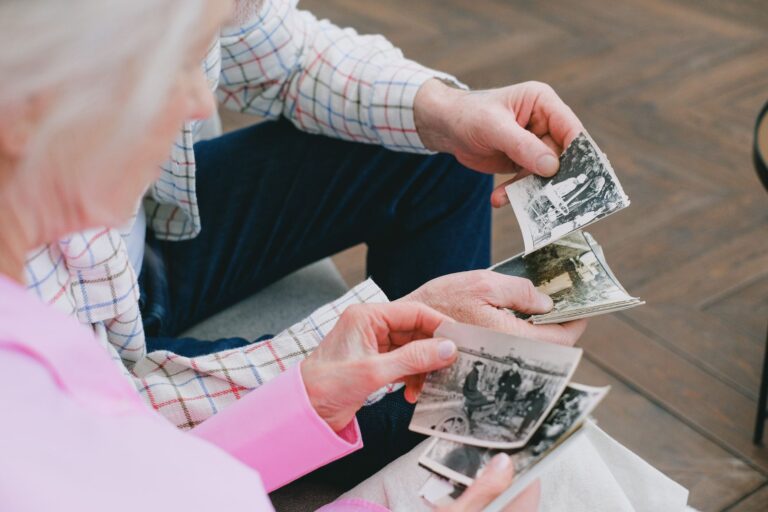
Early Memory Changes
Early memory changes are the subtle shifts in how your mind recalls information, finds words, or remembers daily tasks—the kind that don't interfere with...

Vision Changes
Vision changes are one of the most common and often inevitable parts of aging, affecting nearly everyone over 60 to some degree.