
Better sleep directly sharpened one retiree’s daytime alertness, balance, and ability to handle daily tasks independently. Robert, 73, noticed that after adjusting his sleep schedule and environment—moving his bedtime earlier, reducing blue light exposure in the evening, and keeping his bedroom cooler—he woke feeling genuinely rested rather than groggy. Within three weeks, he felt steadier during morning walks, made fewer mistakes with medications, and had the mental clarity to manage household finances without fatigue fogging his judgment.
The connection between sleep quality and daytime function becomes more critical after retirement. Poor sleep in older adults doesn’t just mean feeling tired—it affects balance, reaction time, memory, and the cognitive sharpness needed to live independently. When Robert improved his sleep, he wasn’t just less tired; he was safer, sharper, and more capable of handling the physical and mental demands of aging in place.
Table of Contents
- Why Sleep Quality Declines with Age and What to Do About It
- The Hidden Cost of Poor Sleep on Independence and Safety
- How Better Sleep Sharpens Daily Decision-Making and Memory
- Setting Up a Sleep-Friendly Environment and Routine
- When Sleep Problems Require Medical Attention
- The Ripple Effect of Better Sleep on Caregiving and Social Engagement
- Building a Sustainable Sleep Practice as Part of Aging in Place
- Conclusion
Why Sleep Quality Declines with Age and What to Do About It
Sleep architecture changes naturally as we age. Older adults spend less time in deep, restorative sleep stages and wake more frequently during the night, often without remembering it. Hormonal shifts—including reduced melatonin production—make falling asleep harder, while conditions like sleep apnea, restless leg syndrome, and prostate issues cause frequent awakenings. The cumulative effect is fragmented sleep that leaves people feeling unrested despite spending eight hours in bed. This isn’t inevitable.
Unlike some age-related changes, sleep quality can improve with intervention. Robert’s adjustment of his bedtime earlier (from 11 p.m. to 10 p.m.) aligned his sleep schedule with his natural circadian rhythm, which shifts earlier with age. He also stopped using his phone after 8 p.m., reducing blue light exposure that suppresses melatonin. These behavioral adjustments, combined with a slightly cooler bedroom (68°F instead of 72°F), addressed multiple factors driving his poor sleep. A limitation to understand: medication side effects might require consultation with a doctor, especially blood pressure medications or steroids that can disrupt sleep—simply changing bedtime won’t help if a medication is the root cause.

The Hidden Cost of Poor Sleep on Independence and Safety
The danger of poor sleep extends beyond daytime fatigue. Research in gerontology shows that sleep-deprived older adults have slower reaction times, impaired balance, and increased fall risk—a critical concern when aging in place. They also struggle with decision-making, medication adherence, and managing complex tasks. one study of adults over 70 found that those averaging less than five hours of sleep nightly had three times the risk of falling, largely because fragmented sleep degrades the vestibular system responsible for balance.
Robert experienced this directly. Before improving his sleep, he had a near-fall while reaching for a high shelf and often felt unsteady on stairs. After consistently sleeping seven hours nightly, his balance improved noticeably within two weeks—he felt secure enough to resume yard work he’d avoided for months. However, a critical limitation: sleep improvement alone cannot replace medical treatment for actual balance disorders, vision problems, or neurological conditions. Robert’s improvement was partly due to better sleep but also because he wasn’t sleep-deprived and overconfident about his abilities.
How Better Sleep Sharpens Daily Decision-Making and Memory
Cognitive function relies heavily on sleep consolidation, the process by which sleep converts short-term memories into long-term storage and clears metabolic waste from the brain. Poor sleep impairs this process, leaving people forgetful, confused, and prone to poor judgment. For someone managing multiple medications, financial decisions, and household safety—all core to independent living—these cognitive impacts are serious.
After two weeks of consistent, better sleep, Robert noticed he no longer forgot whether he’d taken his morning medications. His wife remarked that he seemed more present during conversations and made household decisions more thoughtfully rather than impulsively. This improvement stemmed partly from his brain consolidating memories more effectively during the longer deep-sleep periods he was now achieving. A practical note: if someone is genuinely confused or experiencing cognitive decline, better sleep helps but should be accompanied by medical evaluation—sleep improvement isn’t a substitute for diagnosing dementia, delirium, or medication side effects.
Setting Up a Sleep-Friendly Environment and Routine
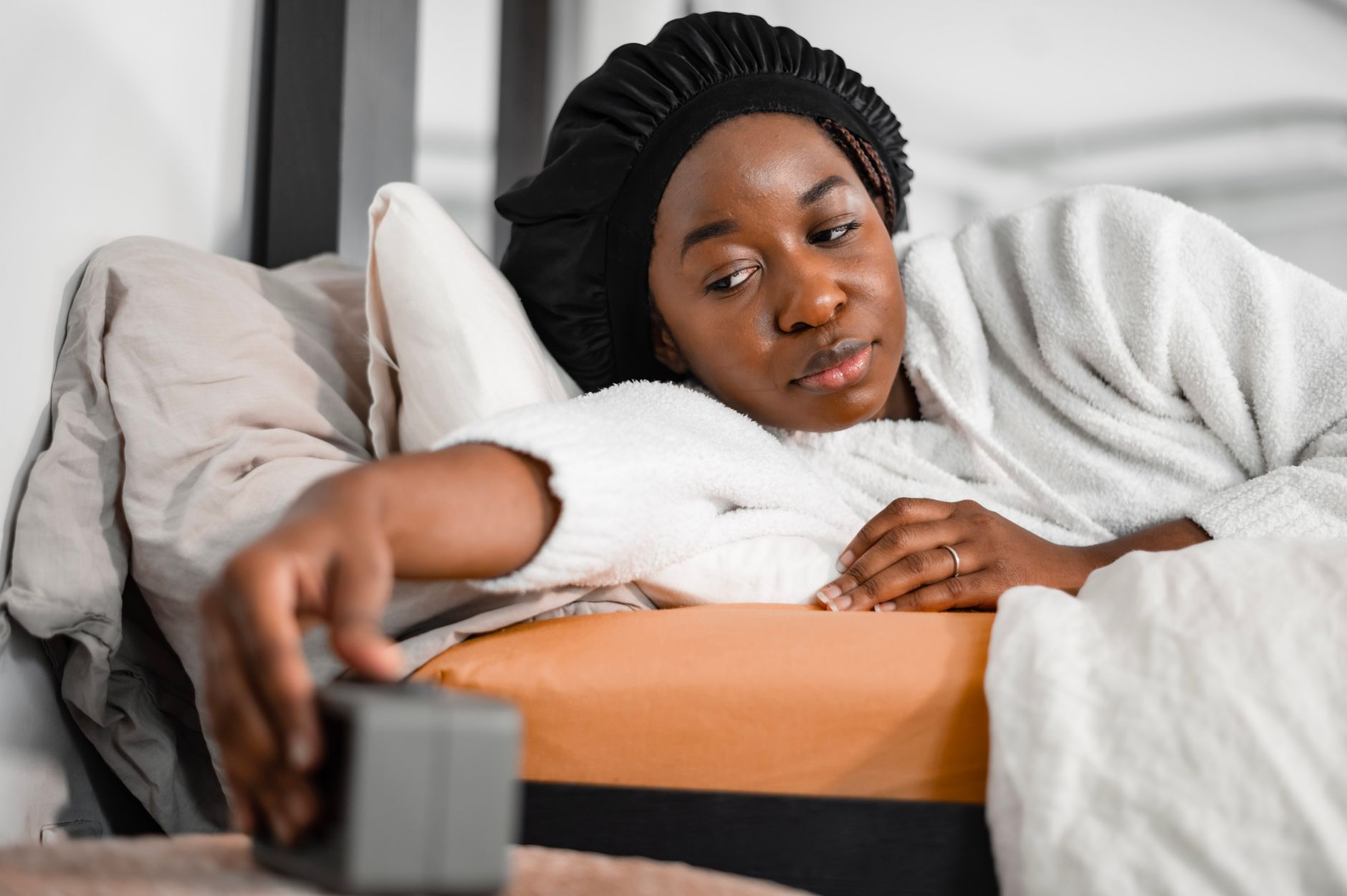
The mechanics of improving sleep are straightforward but require consistency. Robert’s core changes were establishing a fixed bedtime (10 p.m. nightly, even weekends), removing screens from the bedroom, and lowering the room temperature. He also reduced caffeine after 2 p.m., which had previously lingered in his system, and took a 15-minute walk after dinner to promote sleepiness without being too strenuous before bed.
He stopped napping during the day, which he’d used to compensate for poor nighttime sleep but which actually worsened his nighttime sleep architecture. Compared to sleep medication, these behavioral changes take two to three weeks to show results but don’t carry the risks of dependence, morning grogginess, or falls from medication side effects. The tradeoff is that they require discipline—Robert had to stay committed even when friends invited him for evening events, and he had to resist the urge to nap when he felt tired mid-afternoon. For someone sharing a bedroom with a partner who has different sleep needs, changes like temperature adjustment or using a white noise machine require negotiation and compromise.
When Sleep Problems Require Medical Attention
While behavioral changes work well for many older adults, some sleep issues signal underlying conditions that need professional evaluation. Sleep apnea—a common problem in older men—disrupts sleep hundreds of times nightly without the person always noticing. Signs include loud snoring, gasping during sleep, or extreme daytime sleepiness despite seemingly getting enough hours. Someone with untreated sleep apnea could improve their bedtime routine indefinitely without achieving genuine rest because their airway keeps collapsing.
Robert had borderline sleep apnea risk factors (overweight, older, male) but ultimately ruled it out through a home sleep test after his doctor ordered one following his reports of fatigue. The warning here is important: if behavioral changes don’t noticeably improve sleep quality within three weeks, or if someone wakes gasping, has witnessed pauses in breathing, or experiences severe daytime sleepiness, a sleep study is worth pursuing. Ignoring sleep apnea also increases cardiovascular risk, which undermines the independence gains from better daytime function. A limitation: sleep disorders are sometimes missed in older adults because fatigue gets attributed to aging rather than evaluated as a medical symptom.

The Ripple Effect of Better Sleep on Caregiving and Social Engagement
As Robert slept better and felt sharper, he noticed a domino effect. He had the energy and confidence to visit his grandchildren independently, managed his own grocery shopping without his wife’s assistance, and reduced the worry his adult children had about his safety. For people whose independence matters not just practically but emotionally, better sleep can restore confidence and reduce the sense of becoming a burden on family members.
Partners and family members also benefit. Robert’s wife, who had been waking from his frequent nighttime awakenings and restlessness, slept better herself once his sleep improved. The household stress around his fatigue and instability eased. This is an often-overlooked benefit: improving one person’s sleep can reduce caregiving strain and improve the quality of relationships, which itself supports aging in place successfully.
Building a Sustainable Sleep Practice as Part of Aging in Place
Six months into his improved sleep routine, Robert no longer consciously thinks about his bedtime or screen habits—they’ve become automatic. This consistency is important because sleep quality remains fragile in older age; disruptions from illness, travel, or stress can quickly degrade it. What matters is having established good habits beforehand so that returning to them after a disruption takes days, not weeks.
Looking forward, research on aging and sleep continues to reveal how critical good sleep is to extending independent, high-function years. For someone committed to aging in place safely, prioritizing sleep quality ranks alongside physical activity and nutrition. Robert’s story isn’t dramatic—he didn’t cure a disease or overcome a major illness. But he reclaimed alertness, confidence, and capability in his daily life, which is exactly what makes aging in place sustainable and meaningful.
Conclusion
Better sleep directly sharpens the cognitive function, balance, and decision-making capacity that older adults need to live independently and safely. Robert’s improvement came not from medication but from aligning his sleep schedule with his aging body’s natural rhythms, removing sleep disruptors like evening screen use, and maintaining consistency. His experience illustrates that while sleep changes with age, sleep quality itself is modifiable.
If you’re struggling with daytime fatigue, poor balance, or cognitive fog, start by examining your sleep foundation: consistent bedtime, screen-free evenings, a cool, dark bedroom, and daytime habits like limiting caffeine and napping. If these changes don’t produce noticeable improvement within three weeks, or if you suspect sleep apnea or another medical cause, talk to your doctor. The stakes for older adults are high—better sleep isn’t just about feeling less tired, it’s about maintaining the sharpness and stability required to age safely and independently at home.