
Browse every active aging guide on Aging Independence, sorted by newest first.

Why Older Americans Month Celebrates Independent Living
Older Americans Month celebrates independent living because it honors the core mission of the Older Americans Act—legislation born from a specific crisis...

How to Find Help That Keeps You in Your Own Home
Finding help that allows you to stay in your own home starts with knowing what types of services exist and being honest about what…

The Benefits Seniors Miss That Could Fund Their Independence
Many seniors are leaving thousands of dollars on the table each year through unclaimed tax credits, overlooked government benefits, and assistance...

How Community Resources Extend Senior Independence
Community resources extend senior independence by providing practical support systems that help older adults remain in their homes and maintain control...

Why Age-Friendly Design Is the Future of Independence
Age-friendly design is the future of independence because it directly removes the physical and cognitive barriers that force older adults into unnecessary...
The Local Programs That Help Older Adults Stay Home
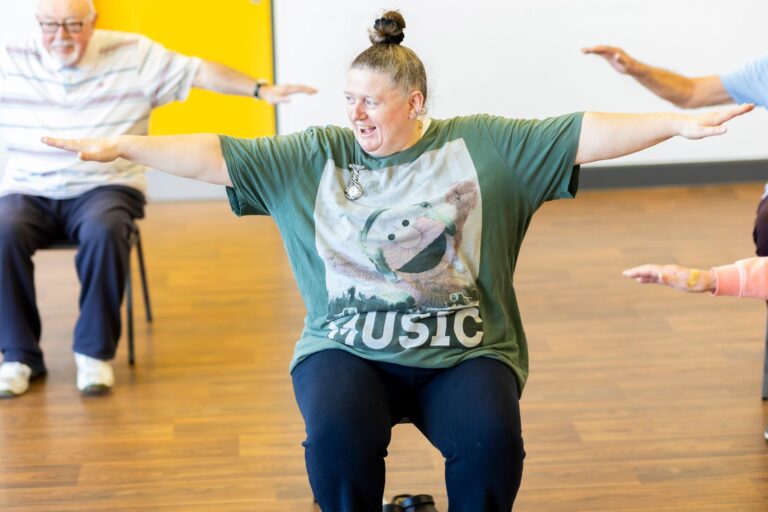
Local programs designed to help older adults stay home combine practical services, community support, and professional care to make aging in place both...

How Age-Friendly Communities Keep Seniors Self-Sufficient
Age-friendly communities keep seniors self-sufficient by removing the barriers that force dependence.
How New Policies Are Helping Seniors Stay Independent
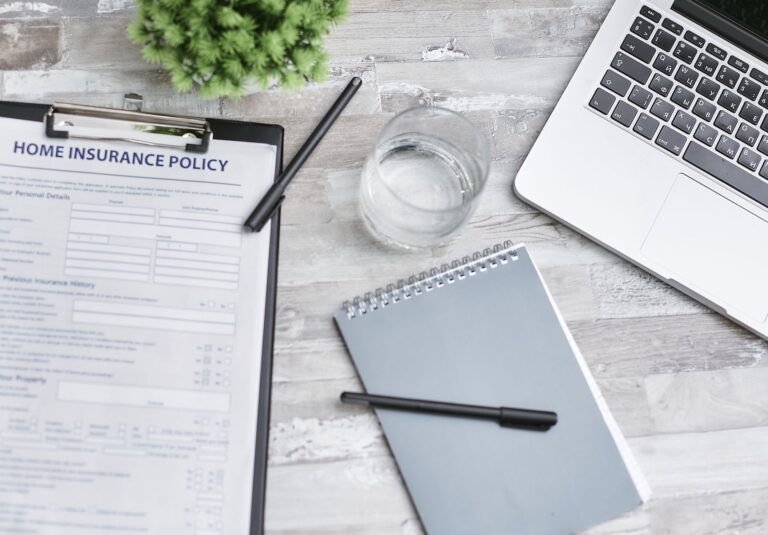
New federal policies and legislative expansions in 2026 are directly addressing seniors' desire to age in place by increasing funding for in-home support...

The Tools Families Use to Monitor Without Hovering
Families looking to monitor aging relatives or vulnerable loved ones have access to dozens of tools designed to offer peace of mind without constant...

How Long-Distance Caregivers Keep Parents Independent
Long-distance caregivers keep their parents independent through a combination of technology, regular communication, practical planning, and strategic use...
The Check-In System That Balances Safety and Freedom
A check-in system that balances safety and freedom is a recurring contact agreement—scheduled calls, texts, video chats, or visits—that lets an older...

Why Respecting Autonomy Keeps Seniors Healthier
Respecting autonomy keeps seniors healthier because it directly engages the biological and psychological systems that prevent decline.

The Conversations Families Have to Keep Seniors Home
The conversations families need to have to keep seniors home center on five core discussions: what aging in place actually looks like, who will…

The Fine Line Between Helping and Taking Over
The line between helpful care and over-protective control is not always obvious, but it matters enormously for the person receiving care.

How Caregivers Help Parents Stay Independent — Not Dependent
Caregivers help parents stay independent by handling the physical and logistical tasks that aging or illness makes difficult—not by taking over...

How E-Bikes and Scooters Keep Seniors Moving
E-bikes and scooters extend mobility for seniors by reducing the physical effort needed to travel while maintaining independent movement around...
Why the Right Cane Can Restore Confidence and Independence
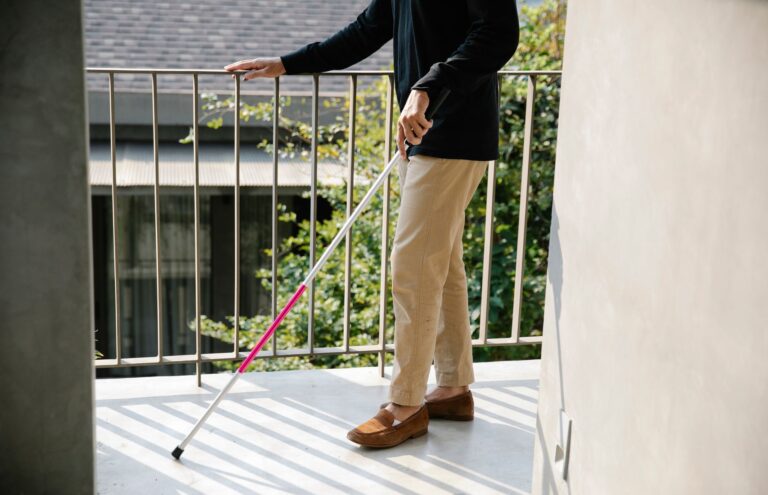
The right cane doesn't just provide physical support—it fundamentally shifts how older adults perceive themselves and their ability to move through the...

How One Man Used a Walker to Keep Doing Everything He Loved
One man discovered that using a walker didn't mean stepping back from his life—it meant stepping forward into it differently.

The Mobility Aids That Expand Freedom Instead of Limiting It
Mobility aids don't restrict independence—they create it. When a person uses a cane, walker, wheelchair, or scooter, they're not admitting defeat; they're...
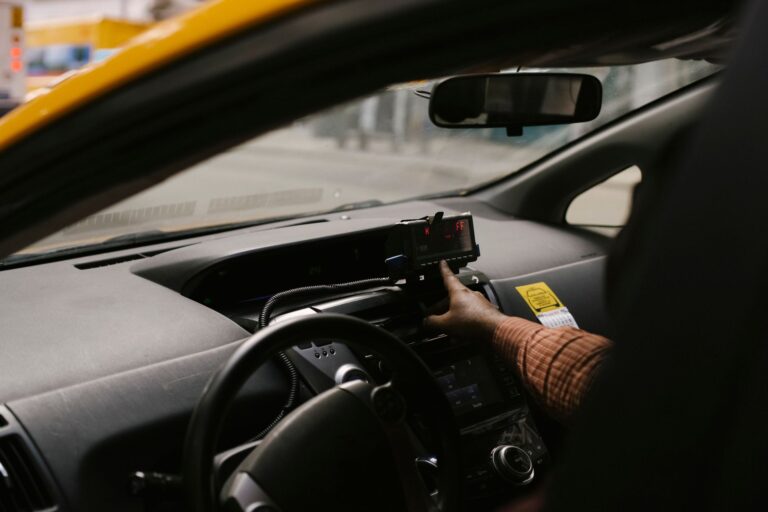
How Ride Services Keep Non-Drivers Independent
Ride services keep non-drivers independent by replacing the ability to drive with access to transportation.
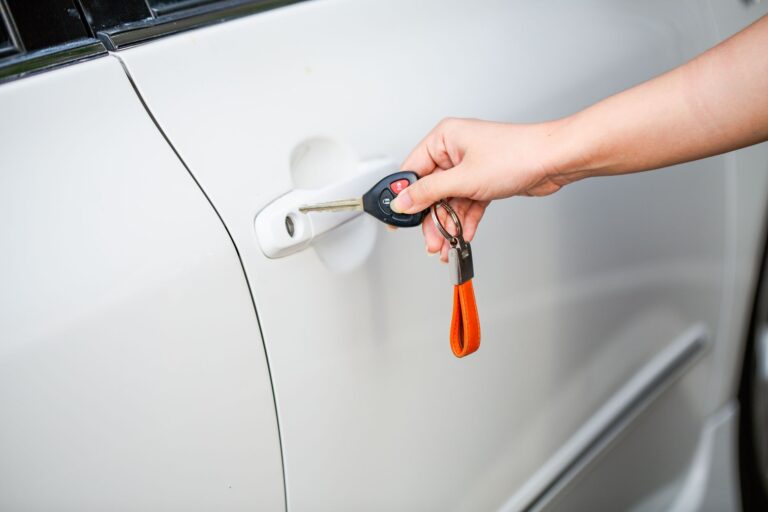
Why Losing the Car Keys Doesn’t Mean Losing Freedom
Losing your car keys—or the ability to drive—doesn't have to mean losing your independence or your life outside the home.