
Dental health is not a cosmetic concern for older adults—it’s a fundamental pillar of independence. Poor oral health directly undermines a senior’s ability to eat nutritious food, speak clearly, maintain social connections, and feel confident moving through the world. When teeth are compromised or missing, the ripple effects extend far beyond the mouth: malnutrition becomes more likely, social withdrawal often follows, and the risk of serious systemic infections increases. Consider Margaret, 74, who ignored her declining dental health for years.
As her teeth deteriorated, she began avoiding meals with friends, struggled to eat protein-rich foods, and eventually isolated herself. Within two years, she had become frail, dependent on her daughter for basic tasks, and faced a cascade of health problems that her dental decline had set in motion. The connection between dental health and independence is so strong that dentists and geriatricians increasingly view oral care as essential to aging in place safely. Seniors with good oral health are more likely to maintain adequate nutrition, enjoy social engagement, stay mobile and active, and avoid hospitalizations from preventable infections. Conversely, tooth loss, gum disease, and poor oral hygiene are reliable predictors of dependence on caregivers and decline in quality of life.
Table of Contents
- How Does Tooth Loss Affect Eating, Nutrition, and Physical Strength?
- Why Does Gum Disease Lead to Systemic Health Problems in Aging Adults
- How Do Mouth Infections Impact Hospitalization and Independence?
- What Practical Steps Can Seniors and Caregivers Take to Protect Oral Health?
- What Are the Most Common Dental Problems That Threaten Senior Independence?
- How Does Dental Care Access Affect Older Adults on Fixed Incomes?
- Planning Ahead: Preventive Dental Strategy for the Aging Years
- Conclusion
- Frequently Asked Questions
How Does Tooth Loss Affect Eating, Nutrition, and Physical Strength?
Missing teeth fundamentally change what a person can eat, and for seniors on fixed budgets, this often means abandoning affordable, nutritious foods. Someone missing molars cannot chew raw vegetables, tough cuts of meat, or whole grains effectively. They may resort to soft, processed foods—which are often higher in sodium, sugar, and calories but lower in vitamins and minerals—leading to malnutrition that weakens muscles and bone density. Over months, this nutritional decline translates to reduced strength, slower walking speed, and increased fall risk. A senior who cannot properly chew is also at higher risk for choking, swallowing difficulties, and digestive problems. This is not purely theoretical.
Studies show that seniors with six or fewer teeth consume significantly fewer vegetables and less protein than those with a full or restored set of teeth. A person with dentures or missing teeth often requires more time and effort to prepare meals, which can discourage cooking altogether. For those living alone or managing mobility challenges, the added difficulty may mean relying on convenience foods or eating less overall. The result: visible weight loss, anemia, weakened immunity, and increased susceptibility to falls and fractures—all things that erode independence quickly. The physical consequences are compounded by the psychological ones. Someone who struggles to eat often eats less and feels less satisfied, which affects mood, motivation, and overall resilience. The effort required to manage eating difficulties is real, and it’s worth acknowledging as a genuine barrier to the independence that good nutrition supports.
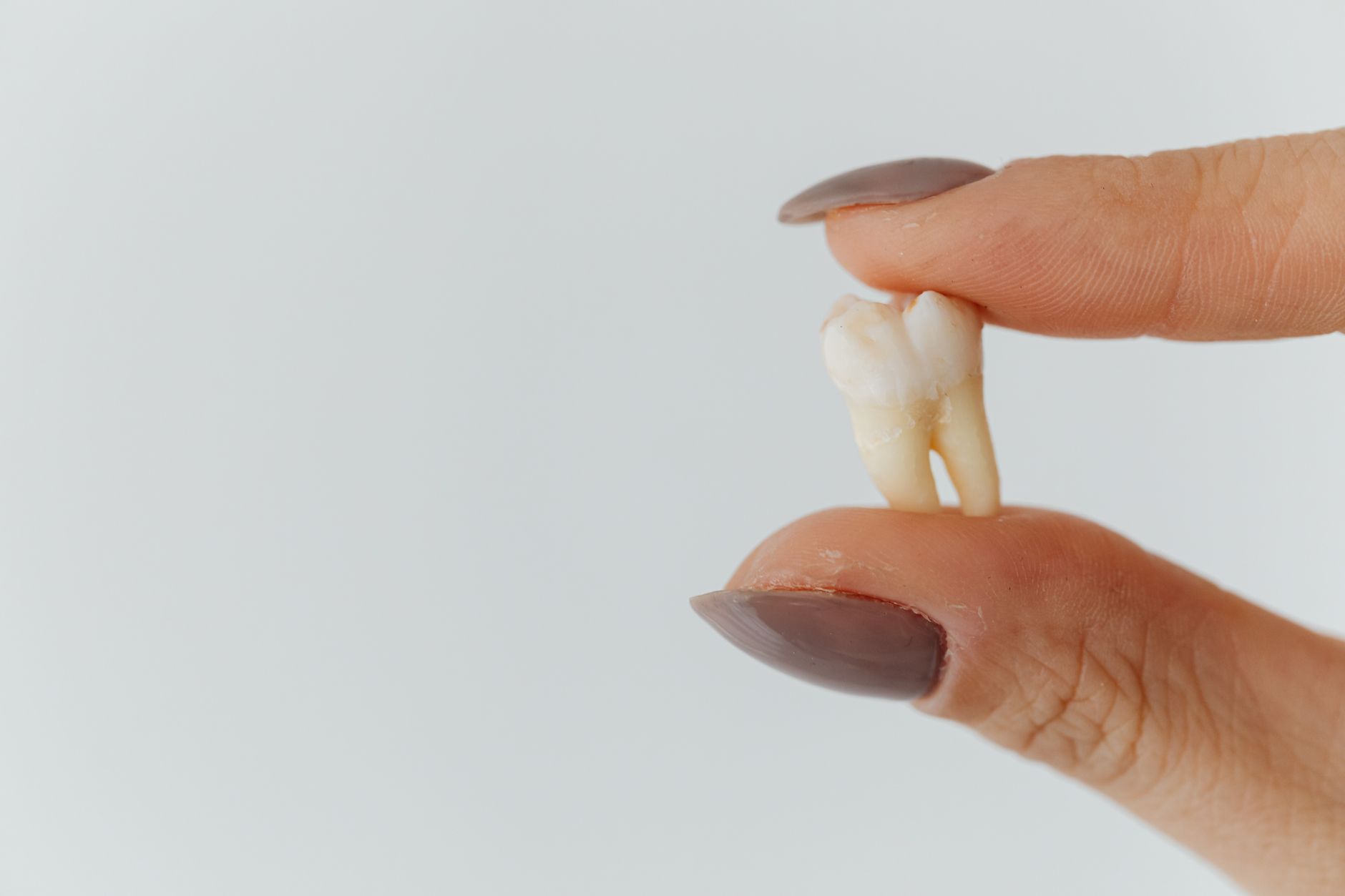
Why Does Gum Disease Lead to Systemic Health Problems in Aging Adults
Gum disease in older adults is not just about red, swollen gums—it’s a gateway to serious infections that can destabilize the entire body. Untreated periodontal disease allows bacteria to enter the bloodstream, triggering inflammation and contributing to cardiovascular disease, stroke, diabetes complications, and respiratory infections. For seniors already managing chronic conditions, a mouth infection can be the tipping point that lands them in the hospital or accelerates existing illness. one limitation of this connection is that it’s not always obvious to seniors or their caregivers. A person may have active gum disease with few symptoms and not realize the systemic risk they’re facing.
They might attribute fatigue, shortness of breath, or increased diabetes symptoms to aging or other causes, missing the oral health component entirely. This is why regular dental screening—not just when teeth hurt—is so important for older adults. Early detection of gum disease can prevent serious complications that would require hospitalization and significantly reduce independence. Additionally, treating gum disease becomes more complex as people age. Mobility limitations may make it hard to reach the dentist, medications can dry out the mouth and worsen gum disease, and cognitive changes may affect oral hygiene habits. The challenge is not just managing the disease itself but managing it within the real constraints of aging and caregiving.
How Do Mouth Infections Impact Hospitalization and Independence?
Severe oral infections—like dental abscesses or advanced periodontitis—can trigger systemic infections that land seniors in emergency rooms. Sepsis, pneumonia, and endocarditis have all been linked to untreated dental infections. Once hospitalized, an older adult often loses ground quickly: they may develop delirium, lose muscle mass, become deconditoned, and struggle to regain their previous level of function even after the infection is treated. What began as a preventable tooth problem becomes a life-altering event.
Consider the real burden this places on caregivers. A preventable dental infection that results in a three-day hospital stay disrupts care routines, incurs significant medical costs, and often marks a permanent shift toward greater dependence. An older adult who was managing independently at home may return from the hospital unable to live alone, now requiring 24-hour care. This illustrates why dental prevention is not a luxury but a critical component of caregiver planning and aging in place strategy. The cost of preventing a dental problem is infinitesimal compared to the cost and life disruption of treating its complications.

What Practical Steps Can Seniors and Caregivers Take to Protect Oral Health?
The first step is establishing a realistic, sustainable oral hygiene routine that fits the senior’s abilities and living situation. Someone with arthritis may not be able to grip a traditional toothbrush; an electric toothbrush with a wider handle might work better. Someone with limited mobility should have the bathroom organized so they can care for their teeth without unnecessary strain. If a senior is no longer able to care for their own teeth, a caregiver should be trained to help with gentle brushing and flossing, and the caregiver should watch for signs of problems like swelling, discoloration, or foul odor. Regular dental visits are essential, but they require planning.
Transportation may be a barrier, so seeking a dentist who offers in-home visits for homebound seniors, or scheduling appointments when a caregiver can provide transport, is practical. Many dentists offer chairs that can recline without requiring the patient to tip backward, and some have equipment that works well for patients with arthritis or Parkinson’s disease. Discussing mobility challenges with the dentist ahead of time allows them to adapt the appointment. One important comparison to understand: investing time and resources in preventive dental care for a healthy, independent senior is far less burdensome than managing the dental emergencies, infections, and cascading health problems that result from neglect. The upfront effort—making appointments, arranging transport, assisting with oral hygiene—pays enormous dividends in maintained independence and avoided crises.
What Are the Most Common Dental Problems That Threaten Senior Independence?
Root decay is one of the most overlooked dental problems in older adults. As gums recede with age, the softer root surface of the tooth becomes exposed and is far more susceptible to decay than the harder enamel crown. A senior might believe their teeth are fine because the visible part looks okay, not realizing decay is progressing below the gum line. By the time pain or problems develop, significant damage may have occurred. This is a warning sign: seniors should have annual dental exams specifically focused on root health, not just cavity checks. Medication side effects are another hidden threat. Many commonly prescribed medications—for blood pressure, depression, anxiety, and pain—reduce saliva flow.
Dry mouth is not just uncomfortable; it dramatically increases cavity risk because saliva protects teeth and helps with digestion. A senior on multiple medications may face accelerated tooth decay without realizing the medications are the culprit. Managing dry mouth requires both addressing the underlying medication issue (if possible, with their doctor) and taking active steps like frequent water intake, sugar-free lozenges, and possibly saliva substitutes. Denture-related problems are also surprisingly common and affect independence. Dentures that don’t fit well can cause sores, difficulty eating, and social embarrassment. Some seniors avoid wearing dentures because of discomfort, which leaves them in a worse position than having teeth that need care. Others develop fungal infections under dentures because of poor cleaning habits or reduced immunity. These problems often require professional adjustment or treatment, and a caregiver should watch for complaints of pain, sores, or visible inflammation.

How Does Dental Care Access Affect Older Adults on Fixed Incomes?
Dental care is expensive, and many seniors on Medicare find that dental coverage is limited or nonexistent. This creates a real tradeoff: spend money on dental care and cut back elsewhere, or skip dental care to protect limited funds. Many older adults choose the latter, postponing or avoiding necessary treatment. Some programs offer low-cost dental clinics through community health centers, dental schools, or nonprofit organizations, but availability varies widely by location.
A caregiver should research local resources—dental schools, community health departments, and aging services agencies often have lists of affordable options. The other barrier is simply access. An older adult with mobility limitations, transportation challenges, or health conditions that make dental visits difficult may struggle to get regular care even if cost is not an issue. Planning ahead—finding a dentist who can accommodate mobility needs, scheduling appointments during times when caregiver support is available, and considering mobile dental services—makes a significant difference in whether dental care actually happens.
Planning Ahead: Preventive Dental Strategy for the Aging Years
The time to invest in good dental health is before serious problems develop. Seniors in their 60s and early 70s who address gum disease, restore damaged teeth, and establish good habits are far more likely to maintain their natural teeth or well-fitting restorations into their 80s and beyond. This matters because maintaining natural teeth—even with some problems—often requires less ongoing care and expense than managing multiple missing teeth or severe denture problems.
Planning also means discussing dental health with family members and caregivers before it becomes urgent. A senior who values staying independent should make their wishes clear about dental priorities, financial limits, and preferences for treatment. When an older adult enters a period of decline or moves into assisted living, good communication about dental needs prevents gaps in care and reduces emergency dental problems.
Conclusion
Dental health is a cornerstone of senior independence that is often overlooked until problems become serious. Poor oral health directly undermines a senior’s ability to eat well, maintain social connections, stay physically strong, and avoid life-threatening infections. The good news is that many dental problems are preventable or manageable with planning, regular care, and practical adaptations that fit a senior’s abilities and circumstances.
For caregivers and aging adults, the priority is recognizing dental care as essential to aging in place safely and maintaining independence for as long as possible. This means establishing realistic oral hygiene routines, accessing regular dental care despite barriers, monitoring for warning signs of problems, and planning ahead during the healthy years. The time spent on dental prevention and maintenance now is an investment in independence, quality of life, and avoiding the cascade of complications that untreated oral disease can trigger.
Frequently Asked Questions
At what age should seniors increase dental care attention?
There’s no magic age, but as adults enter their 60s, the risk of gum disease, root decay, and medication-related dry mouth increase significantly. Dental visits should shift from annual to more frequent (every 3-4 months) for seniors with existing conditions like diabetes or gum disease, or those taking multiple medications. Regular screening becomes even more important because early problems are often silent.
Can a homebound senior still receive dental care?
Yes. Some dentists provide in-home visits, especially for patients who are truly homebound and unable to travel. Some geriatric care centers have dentists on staff. Community health organizations and dental schools may offer mobile services in some areas. The key is asking about options—not all seniors realize this type of care exists.
What should I do if a senior refuses dental care despite visible problems?
This is common and requires both patience and practical problem-solving. Understand the barrier: is it fear, cost, mobility, or past negative experiences? Address that specific concern. If fear is the issue, a gentler dentist or in-office sedation might help. If cost is the barrier, research low-cost options. If it’s mobility, explore home visits. Sometimes smaller steps—like addressing just one problem first—build confidence and willingness to proceed.
How does dry mouth from medications affect dental health?
Dry mouth dramatically speeds up tooth decay because saliva protects teeth and helps control bacteria. A senior taking medications that cause dry mouth is at much higher risk of cavities and gum disease, even if they have good hygiene habits. Managing dry mouth means frequent sips of water, sugar-free lozenges, and asking their doctor if any medications can be adjusted. Saliva substitutes and prescription fluoride rinses can also help.
Are dentures a good solution for missing teeth in older adults?
Dentures work for some seniors and are a reasonable option, but they’re not a set-it-and-forget-it solution. They require daily cleaning, careful fitting, and adjustment as the jaw changes with age. Some seniors find them uncomfortable or difficult to manage. Implants are more stable but far more expensive and require adequate jaw bone and good overall health. The best option depends on the individual’s health, preferences, and resources.
How can a caregiver tell if a senior has a serious dental infection?
Warning signs include swelling of the jaw or face, difficulty swallowing or speaking, fever, foul breath, visible pus, or complaints of severe pain. Some seniors with cognitive changes may not communicate pain clearly, so caregivers should watch for behavioral changes like refusal to eat, increased irritability, or difficulty opening the mouth. Any of these signs warrant prompt dental or medical evaluation because dental infections can become serious quickly.