
Managing chronic conditions protects your freedom because uncontrolled illness forces dependence on others, while managed conditions allow you to remain in control of your own life. When diabetes, hypertension, arthritis, or heart disease go unchecked, they escalate—leading to mobility loss, cognitive decline, hospitalizations, and eventually the need for full-time caregiving. But when you actively manage these conditions through medication, lifestyle, and monitoring, you prevent the cascade of complications that strip away your autonomy. Freedom in aging isn’t about never getting sick; it’s about refusing to let sickness make decisions for you. Consider Sarah, a 72-year-old who controlled her type 2 diabetes with consistent medication, diet, and exercise. At her age, she still drives to the grocery store, manages her own finances, and lives alone.
Her neighbor Jim, the same age, ignored his diabetes diagnosis for five years. By 70, he’d suffered a stroke, developed neuropathy, lost vision in one eye, and moved into his daughter’s basement—unable to cook, unable to drive, unable to be alone. Both men had the same disease. One managed it; one didn’t. The difference wasn’t luck. It was the difference between independence and dependence.
Table of Contents
- How Does Managing Chronic Conditions Preserve Your Ability to Live Independently?
- What Happens When Chronic Conditions Go Unmanaged?
- How Does Managing Chronic Disease Preserve Decision-Making Power?
- What’s the Practical Framework for Managing Chronic Conditions to Stay Independent?
- What Are the Hidden Risks of Assuming “I’ll Deal With It Later”?
- How Does Chronic Disease Management Affect Your Role in Family and Relationships?
- The Future of Independence: How Early Intervention Changes Your Options
- Conclusion
How Does Managing Chronic Conditions Preserve Your Ability to Live Independently?
Chronic disease management is fundamentally about prevention of cascading complications. Each controlled health metric—a maintained blood pressure, a stable A1C level, regular heart monitoring—is an investment in your ability to walk into your home and do what you want without asking permission or calling for help. When conditions like heart disease or COPD go unmanaged, they create a downward spiral: reduced exercise capacity leads to deconditioning, which leads to falls, which leads to fractures, which leads to loss of mobility, which leads to dependence on others. Managed conditions break this chain. The medical evidence is clear: patients who actively manage hypertension reduce their stroke risk by up to 35%. People who manage their diabetes properly delay complications by an average of 10 to 15 years. Those who control their weight and exercise regularly with arthritis stay mobile and functional longer.
These aren’t small differences. They’re the difference between living in your own home and moving to assisted living; between driving yourself to appointments and depending on others to take you. Real example: A 68-year-old man with rheumatoid arthritis started biologic drugs and committed to physical therapy. Five years later, he was still playing golf and managing household repairs. His sister, with the same condition but no treatment plan, became unable to open jars or walk up stairs by 65. She moved in with her adult child and lost the ability to contribute to household decisions or maintain friendships outside supervised visits. The difference: one woman managed her disease; the other didn’t.
What Happens When Chronic Conditions Go Unmanaged?
Unmanaged chronic conditions don’t stay isolated—they multiply. A person with uncontrolled diabetes often develops high blood pressure as a result. High blood pressure untreated leads to kidney damage. Kidney damage leads to further complications. Within a few years, a single diagnosis becomes three or four, each one requiring hospitalization, emergency care, and finally, full-time supervision. This is not inevitable aging. It is preventable disease progression. The limitation here is real: not all people have equal access to medication, healthcare, or the stability needed to follow a treatment plan. A person working two jobs, living in poverty, or managing untreated depression may struggle to take medications on time or attend appointments.
Chronic illness in low-income populations often progresses faster because the barriers to care are steeper. This is a systemic problem, not a personal failing. However, even with constraints, some management is almost always better than none. A person who takes medication three days a week and skips the rest will still have better outcomes than someone who takes nothing. Another downside of unmanaged conditions: cognitive fog. High blood sugar, poor oxygen levels from untreated heart disease, and medication side effects all cloud thinking and memory. This fog itself becomes a barrier to independence. A person who can’t remember if they took their medication, or who struggles with confusion, can’t live alone safely. Dependence accelerates once cognitive decline begins.
How Does Managing Chronic Disease Preserve Decision-Making Power?
Independence is not just physical—it’s mental and social. It means deciding when to wake up, what to eat, whom to see, and how to spend your time. Unmanaged chronic illness erodes all of this. A person who is constantly fatigued by uncontrolled anemia can’t decide to go out with friends; they’re asleep. A person whose joints are inflamed by unmanaged arthritis can’t decide to cook their own meal; they need help. A person with uncontrolled heart failure can’t decide to visit their grandchild across town; they might have a cardiac event. Managing your conditions means reclaiming these small daily choices, which add up to dignity and autonomy. When your blood pressure is stable, when your pain is controlled, when your energy levels are predictable, you can plan your week.
You can volunteer. You can work. You can visit. You can stay in your home because you’re not in crisis mode, reactive to the next emergency. Example: A woman in her seventies with well-managed bipolar disorder, hypertension, and arthritis continues to work part-time, manage a household, and serve on a nonprofit board. Her condition is the same as her brother’s, but he refused treatment. He lost his job, moved in with their mother, and has no social life outside his family. The difference between these two lives comes down to management. One person preserved agency; the other surrendered it.
What’s the Practical Framework for Managing Chronic Conditions to Stay Independent?
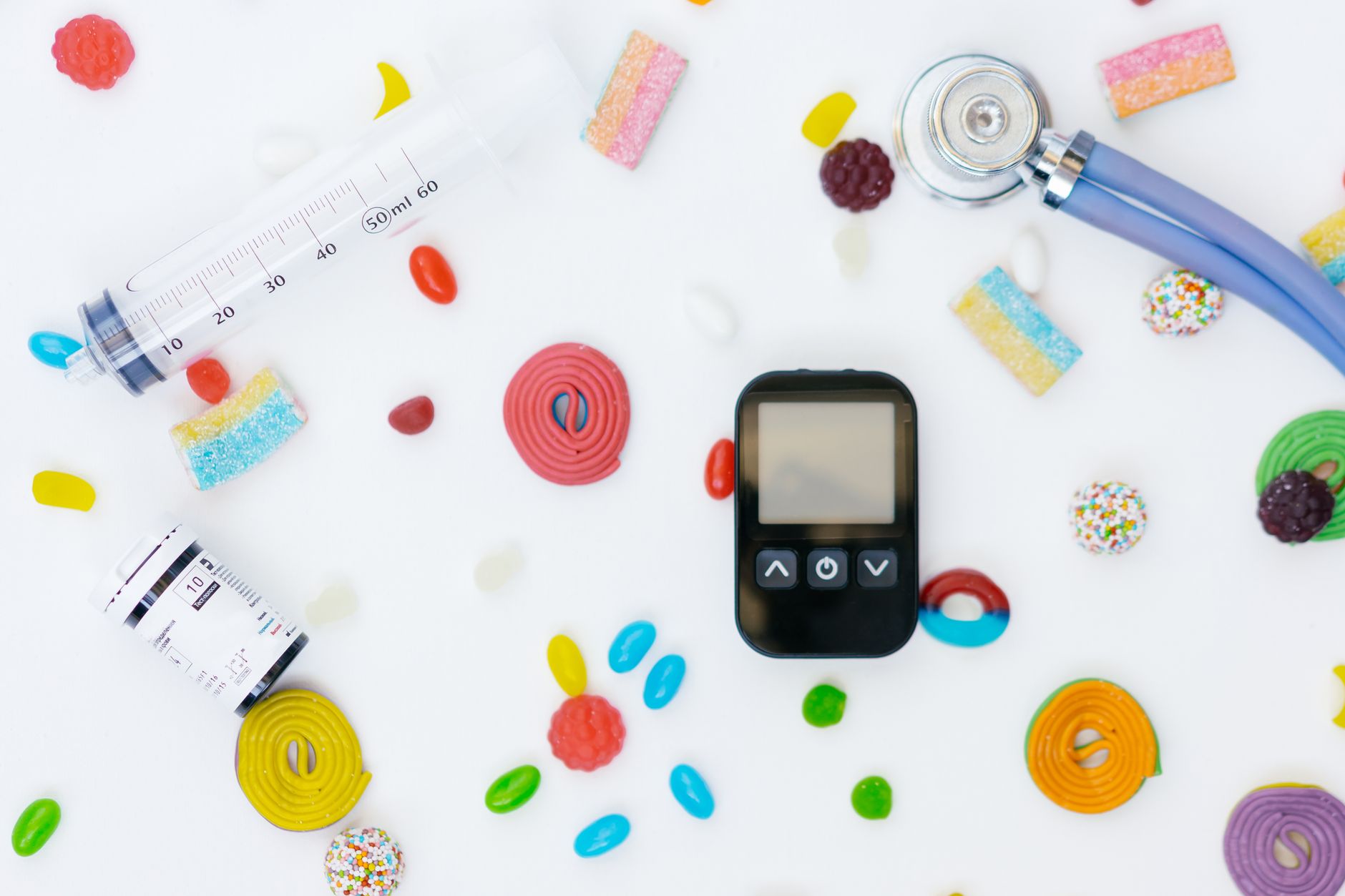
Effective disease management requires three interlocking systems: medication adherence, lifestyle change, and monitoring. These aren’t optional add-ons; they’re the foundation of staying independent. Medication adherence means taking prescriptions as directed, even when you feel fine. Lifestyle change means diet, exercise, stress management, and sleep—the parts of management that many people neglect. Monitoring means regular check-ups, labs, and tracking of symptoms. None of these is glamorous, but together they work. The tradeoff is real: managing a chronic condition requires time, effort, and often money out of pocket.
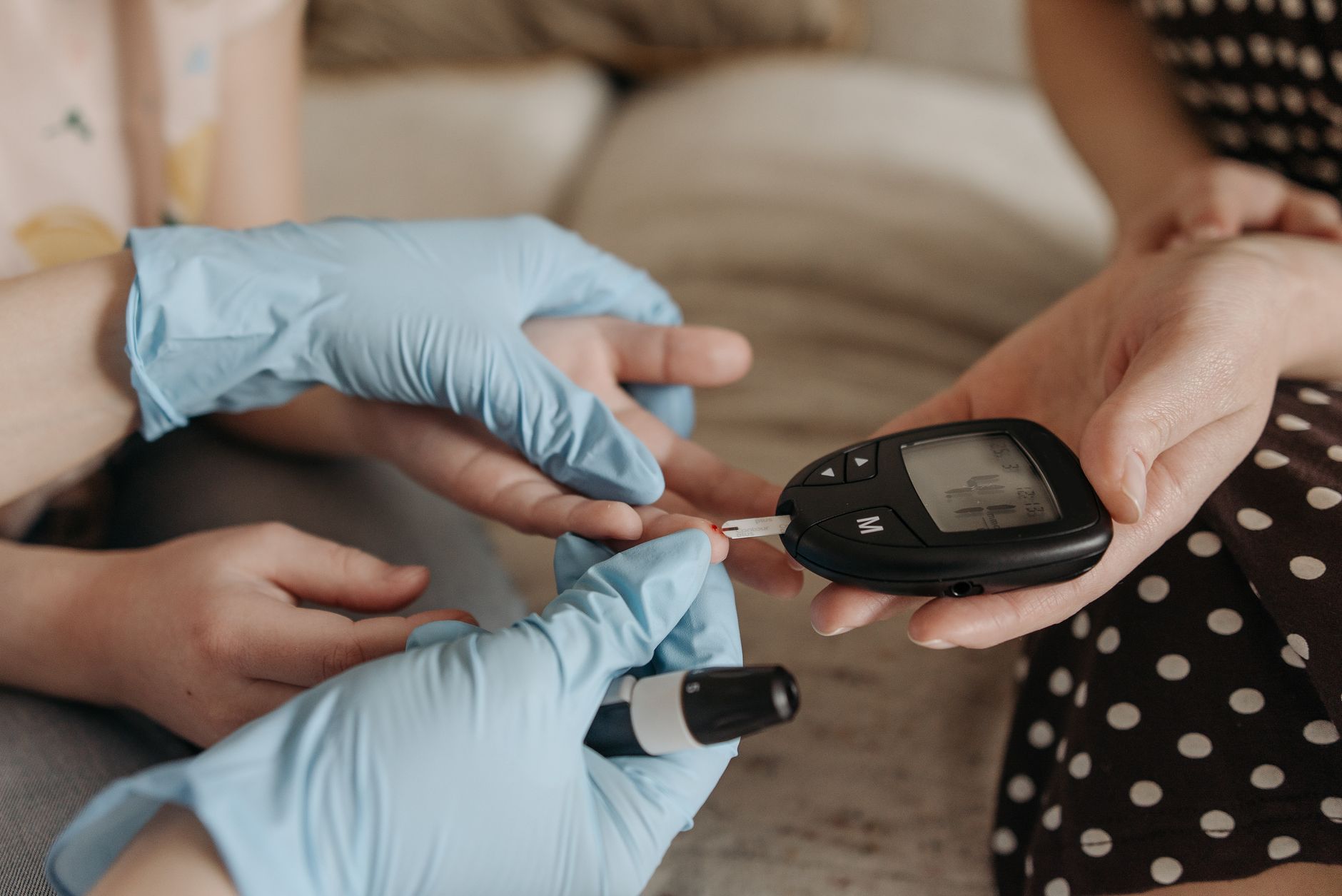
A person with diabetes must check blood sugar, manage carbs, take medications, attend appointments, and exercise regularly. This is work. But the comparison is clear: an hour a week managing your diabetes now, or losing your independence, moving into assisted living, and spending 24 hours a week being cared for. The time investment to stay independent is infinitesimal compared to the time you’ll spend dependent if you don’t manage. Practically, this means: picking up prescriptions on time (or using auto-refills), keeping medical appointments, investing in a scale and blood pressure cuff for home monitoring, and building exercise into your routine. It means having a written care plan, knowing your target numbers (blood pressure, cholesterol, weight, etc.), and reviewing them quarterly. It means telling your doctor what barriers you face—cost, memory, transportation—so you can problem-solve together. The goal is to make management automatic enough that it doesn’t consume your life, but intentional enough that it actually works.
What Are the Hidden Risks of Assuming “I’ll Deal With It Later”?
Many people with chronic conditions tell themselves they’ll start managing once symptoms get bad, or once they have a scare. This is a dangerous miscalculation. By the time most people get scared enough to take action, damage has already accumulated. A person who has a stroke because of uncontrolled hypertension may recover, but they’re unlikely to recover fully. They may have permanent speech problems, weakness, or cognitive changes. A person who has a heart attack because of ignored high cholesterol might survive, but their heart is now damaged, and they are now permanently limited in what they can do. The limitation is that once certain complications have occurred—amputation from diabetes, organ damage from hypertension, advanced cognitive decline from untreated dementia—management can’t undo them.
Management can only slow further decline. This means that waiting to manage is not just procrastination; it’s a permanent reduction in your future independence. The person who starts managing at 50 will be significantly more independent at 75 than the person who starts at 65. Another risk: the compounding effect of multiple untreated conditions. A person with high blood pressure, high cholesterol, and diabetes—all untreated—faces a risk of cardiovascular events that is exponentially higher than the sum of the three risks individually. They interact. They accelerate each other. By contrast, managing even two of these three conditions significantly reduces overall risk.

How Does Chronic Disease Management Affect Your Role in Family and Relationships?
Independence isn’t just about living alone; it’s about being present and capable in the relationships that matter. A person who is managed and healthy can be a grandparent who plays actively with grandchildren, a friend who hosts dinners, a spouse who is a partner rather than a burden. An unmanaged person gradually withdraws—canceled plans, missed events, hospitalizations that center family life around their illness. Example: A grandfather with controlled type 2 diabetes, high blood pressure, and mild arthritis attends his grandchildren’s soccer games, takes them on fishing trips, and helps with yard work on weekends.
His health condition is stable enough that he’s a resource to his family, not a drain on their time and money. His sister, with similar conditions, is mostly housebound. Her daughter manages her medications, attends every doctor’s visit with her, and coordinates her care. The sister’s illness has become a full-time job for her family. The grandfather’s managed condition is nearly invisible to his family because it doesn’t control their lives.
The Future of Independence: How Early Intervention Changes Your Options
The most important thing to understand about chronic disease management is that it’s not a static situation—it’s a trajectory. Every year you manage well, you’re compounding the benefit. Every year you don’t, you’re compounding the damage. A person who manages hypertension starting at 45 will be markedly different at 75 than someone who starts at 65.
The earlier you start, the more independence you preserve. As medicine advances, the tools for management are getting better: continuous glucose monitors for diabetes, newer blood pressure medications with fewer side effects, wearable devices that track heart rhythms, apps that remind you to take medications. These technologies can make management easier, not harder. But they only work if you use them. The future of independence depends on treating chronic disease management as a priority now, not as something to address when you’re forced to by a crisis.
Conclusion
Managing chronic conditions protects your freedom because disease management is the price of autonomy in aging. You cannot be truly independent while your health is crumbling. The person who manages their conditions gets to decide how they live, where they live, and who they live with. The person who doesn’t manage becomes dependent on others’ schedules, decisions, and capacity. This is not pessimism—it is fact. The good news is that management works.
It’s not complicated. It requires consistency, not perfection. Start where you are: take your medications as prescribed, keep your appointments, move your body, and monitor what your doctor tells you to monitor. Talk to your healthcare provider about barriers you face. The time you invest in managing your health now is time you’re buying back in independence later. That’s the trade worth making.