
Vision changes are one of the most common and often inevitable parts of aging, affecting nearly everyone over 60 to some degree. These changes range from needing stronger reading glasses to more serious conditions like cataracts, macular degeneration, or glaucoma—each can significantly affect your ability to read mail, navigate safely around the house, or recognize faces across a room. The good news is that many vision changes are manageable or even reversible with early detection and the right interventions, but ignoring them can create real safety hazards and unnecessary dependence.
Consider Margaret, a 72-year-old who dismissed her blurry vision and difficulty reading as just needing new glasses. After a fall caused by missing a step in her hallway—which she couldn’t see clearly anymore—she finally went to an eye doctor and learned she had early cataracts and uncontrolled glaucoma. Once treated, her confidence returned, her independence improved, and she avoided further accidents. Her story is common: vision problems often develop gradually, and many people assume they’re just part of aging rather than conditions that need professional attention.
Table of Contents
- What Causes Vision Changes as You Age?
- Common Age-Related Vision Conditions and Their Limitations
- How Vision Changes Affect Daily Independence and Safety
- Practical Adaptations and Home Modifications for Vision Loss
- When Vision Loss Becomes a Safety Issue and Driving Concerns
- Vision Screening, Eye Exams, and When to Seek Help
- Living Well With Vision Changes and Planning for the Future
- Conclusion
- Frequently Asked Questions
What Causes Vision Changes as You Age?
The human eye ages just like the rest of the body. The lens—which focuses light onto the retina to create clear images—becomes less flexible over time, making it harder to focus on close objects. The pupils also shrink, reducing the amount of light that reaches the back of the eye, which is why older adults need more light to read or perform detailed tasks. The retina itself, the light-sensitive tissue at the back of the eye, can develop problems, and the fluid inside the eye may not drain properly, leading to increased pressure.
Beyond these natural aging processes, certain health conditions accelerate vision decline. Diabetes can damage blood vessels in the eyes, high blood pressure can affect vision quality, and even arthritis medications can have eye-related side effects. Some people also develop presbyopia—difficulty focusing on close objects—by their 40s or 50s, while others experience presbycusis (hearing loss) and vision loss simultaneously, which compounds communication and safety challenges. The key insight is that vision changes are not always just about needing new glasses; they often signal underlying health conditions that need management.
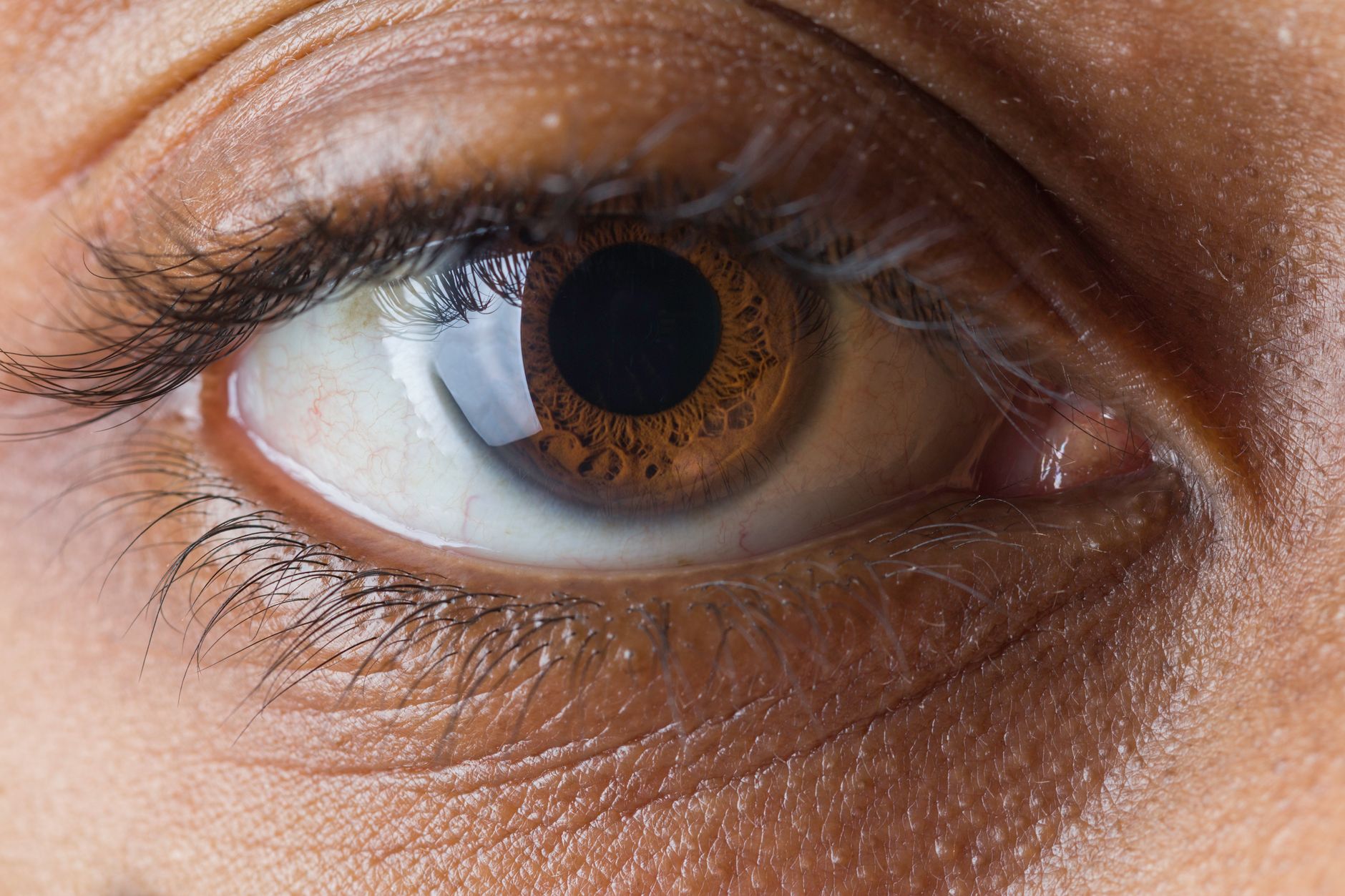
Common Age-Related Vision Conditions and Their Limitations
Cataracts—clouding of the lens—affect about one in six people over 60 and are the leading cause of vision loss in older adults. Unlike a smudge on glasses that you can wipe away, cataracts develop inside the eye and progressively dim and distort vision. The limitation is that they can’t be reversed with medication or glasses alone; surgery is eventually needed, and waiting too long can make the cataract harder to remove safely.
Macular degeneration (AMD) destroys central vision, making reading, recognizing faces, and watching television difficult or impossible, while peripheral vision usually remains intact. Glaucoma is often called the “silent thief of sight” because it typically causes no symptoms until significant damage is done—by which point the vision loss is permanent. Age-related presbyopia makes it impossible to focus on close objects without reading glasses, which is why many older adults keep multiple pairs scattered around the house but still struggle. These conditions often coexist; someone might have both cataracts and early macular degeneration, requiring a multi-pronged approach to treatment and adaptation.
How Vision Changes Affect Daily Independence and Safety
Vision problems directly impact the activities that allow someone to live independently: reading bills and medication labels, cooking safely, navigating stairs and hallways, and driving. Someone with poor vision may avoid social activities because they can’t recognize friends, leading to isolation and depression—which then accelerates cognitive decline. Falls are a major consequence; poor vision contributes to one in four falls in older adults, and falls are the leading cause of injury-related death in people 65 and older.
A real-world example: Robert, 68, started missing his medicine doses because he couldn’t read the small print on his bottles. His daughter noticed his condition worsening and took him to an eye exam, where they discovered he needed both vision correction and medication adjustments due to uncontrolled diabetes. Once his vision was corrected, he could read labels, manage his medications independently, and regain control over his health routine. This illustrates why vision changes aren’t just inconvenient—they’re a gateway to broader health and safety problems if left unaddressed.

Practical Adaptations and Home Modifications for Vision Loss
Simple, low-cost modifications can make a huge difference. Install brighter lighting in reading areas, hallways, and bathrooms—aim for 300 to 500 lux, which is much brighter than standard lighting. Use contrasting tape on stair edges, door frames, and light switches so they’re easier to see. Organize items by color and keep them in consistent places so you can find them without reading labels.
Magnifying glasses, large-print books, and high-contrast printed materials cost little but eliminate frustration. Technology offers more options too: smartphone apps magnify text in real-time, e-readers allow you to increase font size, and audio versions of books and newspapers provide content without relying on vision. The tradeoff is that technology requires learning new tools and may feel overwhelming at first, but the investment pays off in independence. Some people use a combination—magnifying glasses for occasional use, smartphone magnification for daily tasks, and audio content for leisure reading. The key is finding what works for your specific vision loss and lifestyle rather than assuming one solution fits all.
When Vision Loss Becomes a Safety Issue and Driving Concerns
Vision is critical for safe driving, and many older adults with declining vision continue driving longer than they should, putting themselves and others at risk. Common warning signs include difficulty seeing road signs until you’re very close, trouble judging distances, difficulty seeing at night, or needing to lean forward to see the dashboard clearly. If you notice these changes, it’s time to have a professional driving evaluation; many hospitals and occupational therapy clinics offer these assessments.
The limitation many face is the psychological blow of giving up driving—it often feels like losing independence entirely. However, not driving doesn’t mean losing all mobility; transportation alternatives like senior van services, paratransit programs, ride-sharing apps, and rides from friends and family can maintain independence in meaningful ways. The warning here is clear: the temporary discomfort of stopping driving is far preferable to causing an accident that could harm yourself or others. Plan ahead by identifying transportation alternatives before vision makes driving unsafe, rather than waiting for a crisis to force the decision.

Vision Screening, Eye Exams, and When to Seek Help
A comprehensive eye exam is different from a vision screening at your primary care doctor’s office. A true eye exam by an optometrist or ophthalmologist includes dilating your pupils to examine the retina, measuring eye pressure for glaucoma, and testing peripheral vision. The American Academy of Ophthalmology recommends adults over 60 get a comprehensive eye exam every 1 to 2 years, or more often if you have risk factors like diabetes, high blood pressure, or a family history of eye disease.
Seek immediate attention if you experience sudden vision loss, flashes of light, a new shower of floaters (spots drifting across your vision), eye pain, or loss of peripheral vision. These can signal detached retina, stroke, or other emergencies. Don’t wait and hope these symptoms resolve on their own; they won’t, and delaying treatment can cause permanent blindness.
Living Well With Vision Changes and Planning for the Future
Many people adapt successfully to vision loss through a combination of treatment, environmental modification, and technology. The most successful approach involves regular eye care, addressing vision problems early rather than waiting until they’re severe, and building a support system that includes family members who can help with tasks requiring sharp vision.
Looking ahead, emerging treatments for macular degeneration and glaucoma continue to improve, and new low-vision aids are becoming more accessible and affordable. The future of vision care will likely include earlier detection through home-based screening tools and better management through telemedicine. The key insight is that vision loss doesn’t have to mean loss of independence—but it does require proactive planning, honest conversations with family and healthcare providers, and a willingness to adapt your environment and routine.
Conclusion
Vision changes in later life are common and often manageable, but only if you take them seriously and address them early. Regular eye exams, prompt attention to vision problems, and practical home modifications can preserve independence and prevent accidents. The difference between someone who maintains their quality of life despite vision changes and someone whose life shrinks dramatically often comes down to whether they acted early or waited until problems were severe.
Start by scheduling a comprehensive eye exam if you haven’t had one in the past year, and talk honestly with your eye care provider about how vision changes are affecting your daily life. If you notice changes in a family member’s vision or behavior that might indicate vision problems, gently bring it up—sometimes older adults minimize symptoms out of fear, and a caring push from someone they trust can lead to the care they need. Vision loss doesn’t define your later years, but ignoring it can.
Frequently Asked Questions
Is it normal to need reading glasses as you age?
Yes. Most people develop presbyopia—difficulty focusing on close objects—by their 50s or 60s. Needing stronger glasses over time is completely normal and easily corrected with the right prescription.
Can vision loss be reversed?
Some types can. Cataracts can be surgically removed, refractive errors can be corrected with glasses or surgery, and some diabetic vision problems improve with better blood sugar control. However, damage from advanced macular degeneration or glaucoma is usually permanent, which is why early detection is critical.
How do I know if my vision loss is serious?
Sudden vision loss, flashing lights, new floaters, eye pain, or loss of peripheral vision are warning signs that need immediate evaluation. Gradual changes should still be checked by an eye doctor, but they’re typically less urgent.
What should I do if I can no longer read labels or bills?
Start with a simple magnifying glass or handheld magnifier, use your smartphone’s magnification feature, ask family members to help read important documents, or request large-print statements from banks and utilities. Don’t struggle in silence.
When should I stop driving due to vision loss?
When your eye doctor or an occupational therapist trained in driving assessment says you’re no longer safe to drive. Don’t wait for a close call or accident to make this decision.
Are there devices that can help with low vision?
Yes. Options include magnifying glasses, high-contrast reading materials, audio books, electronic magnification devices, special lighting, and even specialized apps that enlarge and enhance text in real-time. Discuss options with your eye care provider.