
A home safety checklist is a systematic list of potential hazards and safety measures to inspect throughout your living space—from securing handrails on stairs to ensuring clear pathways and adequate lighting. For adults aging in place and their caregivers, this checklist serves as a preventive tool to identify fall risks, fire hazards, and accessibility issues before they become emergencies. For example, a 72-year-old homeowner reviewing their checklist might discover that the bathroom lacks grab bars, rugs create tripping hazards, and medications are stored in hard-to-reach cabinets—three problems that a single organized inspection can address. The importance of a structured safety review increases significantly with age. Falls remain the leading cause of unintentional injury among older adults, often resulting in extended hospital stays, loss of independence, and lasting disability.
Yet many of these incidents are preventable through deliberate environmental changes. A comprehensive checklist ensures that nothing gets overlooked, that modifications are made before a crisis occurs, and that both the person aging at home and their caregiver share a common understanding of what’s been addressed and what still needs work. A practical home safety checklist doesn’t require hiring a professional or spending thousands of dollars. Many critical improvements—removing clutter, adjusting lighting, securing rugs, installing a nightlight—cost little or nothing. Others, like grab bars or ramp installation, represent modest investments that pay for themselves by preventing even one serious fall. This article walks through the essential categories of home safety, explains why each matters, and provides concrete steps for implementation.
Table of Contents
- Why Does a Structured Home Safety Checklist Matter?
- Fall Prevention—The Foundation of Home Safety
- Lighting and Visibility—Often Overlooked, Always Important
- Bathroom Safety—Where Many Falls Occur
- Stairs, Rugs, and Clutter—Cumulative Hazards
- Kitchen Safety and Medication Management
- Technology, Monitoring, and Adaptive Equipment
- Conclusion
Why Does a Structured Home Safety Checklist Matter?
Most people address home safety reactively—after a fall, after a fire scare, or after a close call in the bathroom. A checklist reverses that approach by encouraging proactive inspection and modification. This matters because the consequences of delayed action are severe: a single fall can trigger a cascade of health problems, loss of confidence in one’s own mobility, and reduced independence. By contrast, a person who has methodically addressed fall risks, lighting, and accessibility issues has already made invisible but powerful investments in their own safety and autonomy.
Another key reason for using a checklist is consistency and completeness. The human mind naturally focuses on familiar dangers (like the known slippery tile in the bathroom) while overlooking systematic problems (like how all the hallway lighting comes from a single fixture, creating shadows in corners). A checklist prompts you to examine every room, every transition, every potential hazard category—not just the ones you remember or fear. For caregivers, a checklist also serves as documentation, evidence that appropriate steps were considered and addressed, which can be important if injury occurs and someone asks what precautions were in place.
Fall Prevention—The Foundation of Home Safety
Falls account for millions of emergency room visits and hospitalizations each year among older adults, making fall prevention the cornerstone of any home safety effort. Falls result from a combination of factors: reduced balance and strength, medications that affect coordination, vision problems, hazards in the environment, and often a combination of all these elements. While you cannot always control biological aging, you can systematically eliminate environmental factors that increase fall risk—and this is where the checklist becomes essential. Common fall hazards include loose or curled rugs, clutter on floors and stairs, inadequate lighting, absent or improperly installed grab bars, worn carpet, and slippery floors.
The bathroom is particularly dangerous: it combines moisture, hard surfaces, the need to balance while undressing or using the toilet, and often reduced privacy that might delay discovery if a fall occurs. Stairs, both inside and outside the home, present significant risk, especially descending. However, a limitation of many fall-prevention guidelines is that they emphasize eliminating hazards while sometimes overlooking the person’s need for mobility and confidence. Over-correcting—removing all rugs, restricting access to certain areas—can reduce hazards but may also reduce quality of life or independence. The goal is balance: modify genuinely dangerous conditions while preserving as much function and dignity as possible.
Lighting and Visibility—Often Overlooked, Always Important
Poor lighting is one of the most underestimated home safety hazards. Reduced vision is common with age, and dim or absent lighting means that normal hazards like step changes, door frames, and furniture become invisible tripping threats. Many falls and injuries occur at night when a person gets up to use the bathroom or navigate to another room in darkness. Yet lighting is easily addressed: it’s inexpensive, non-invasive, and makes an immediate difference.
Effective home lighting involves multiple layers: ambient lighting (general room brightness), task lighting (for reading, cooking, or grooming), and nighttime lighting (dim lights along pathways, in hallways, and in bedrooms). Motion-activated lights are particularly valuable in bathrooms and hallways—they turn on automatically when needed, avoiding the fumbling with switches that can cause falls. One specific example: an older adult who used to fall getting to the bathroom at night may find that a single motion-activated night light, positioned low on the hallway wall, eliminates the problem entirely. The light guides them safely without being bright enough to disrupt sleep. Importantly, brightness matters less than contrast and positioning—a very bright overhead light can create confusing shadows, while strategically placed, moderate lighting at ground level is safer and more natural.

Bathroom Safety—Where Many Falls Occur
Bathrooms present unique safety challenges because they combine moisture, hard surfaces, and activities that require balance and flexibility. Grab bars are the single most important safety modification in a bathroom, yet they must be properly installed into wall studs or blocking, not just into drywall, or they will fail exactly when needed. Many elderly people are reluctant to install grab bars because they perceive them as admissions of dependence or signs of aging, which is a real but manageable barrier to implementation. The comparison here is useful: grab bars in bathrooms are functionally similar to handrails on public building stairs or escalators—ordinary safety features that don’t signal weakness, yet many homeowners resist them in private homes.
Beyond grab bars, bathroom safety involves several practical steps: removing rugs or using non-slip alternatives, ensuring the toilet seat height is appropriate (raised seats ease standing and reduce balance demands), installing a handheld showerhead (which allows bathing while seated), checking that bath mats are secured and non-slip, and arranging frequently used items so they don’t require reaching or bending. A limitation of bathroom modifications is that some—like seated bathing or raised toilet seats—require initial adjustment and acceptance. A person accustomed to standing showers or standard toilets may experience some loss of routine and comfort even though safety improves. The tradeoff is generally worthwhile, but it’s real.
Stairs, Rugs, and Clutter—Cumulative Hazards
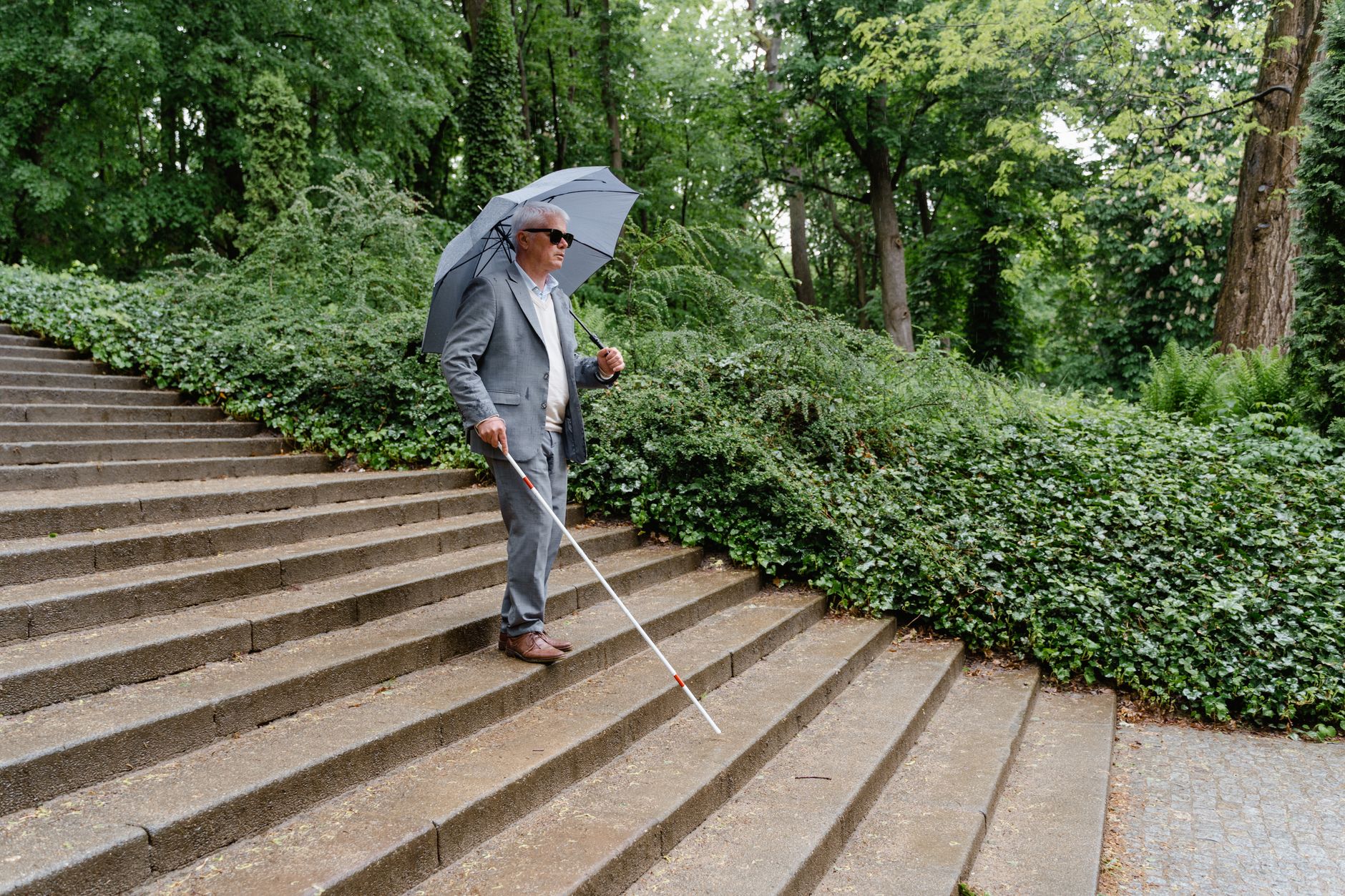
Stairs pose a particularly high fall risk, especially when descending. Improved lighting on stairs (ideally illuminating the outer edge of each step), firm, non-slip treads, and secure handrails on both sides of a stairway significantly reduce this risk. However, a warning: handrails must support weight and be installed at a height (typically 34-38 inches) that allows a person to grasp them securely. Hastily installed or inadequate handrails provide false confidence and offer little actual support if a slip occurs. Rugs and area carpets create tripping hazards when they bunch, curl at edges, or lie on slippery floors.
Removing non-essential rugs is the safest approach, but many people value rugs for warmth, aesthetics, or comfort. A practical middle path involves using thin, flat rugs with non-slip underlayment and regularly checking that edges remain secured and flat. Clutter accumulates gradually and often goes unnoticed—piles of papers, closed storage boxes, shoes, and furniture arranged in patterns that made sense years ago may now block pathways or create obstacles. A systematic sweep through the home to remove, donate, or relocate clutter is a necessary part of the checklist. This is especially true in hallways, stairwells, and other transition spaces where people navigate in familiar patterns without looking carefully.
Kitchen Safety and Medication Management
The kitchen is a high-activity area where burns, falls, and medication errors can occur. Organizing the kitchen for safety involves ensuring that frequently used items are within easy reach (waist to eye level) to avoid stretching or bending, that pot handles are turned inward to prevent catching, that the kitchen floor is kept dry, and that adequate lighting exists over stove and counter areas. Many kitchens are not designed with aging in place in mind, so modifications can range from simple (adding a stool for seated food prep) to more complex (adjusting cabinet heights or installing under-cabinet lighting).
Medication management is closely related to kitchen safety because medications are often stored in kitchen cabinets and used during meal preparation. A clear, organized system for medications—ideally with a pill organizer sorted by date and time, stored in a visible and accessible location—prevents accidental overdoses or missed doses. Some people benefit from placing medications in a single, labeled drawer or cabinet, always checking the organizer before taking pills. Over-the-counter medications, prescription bottles, and supplements should be kept separate, clearly labeled, and stored safely away from children or others who might access them inadvertently.
Technology, Monitoring, and Adaptive Equipment
Modern technology offers new options for home safety monitoring, though these represent enhancements to environmental modification rather than replacements for it. Medical alert devices, fall-detection wearables, smart home systems that can adjust lighting automatically, and cameras (with privacy protections) that allow remote monitoring have all become more affordable and user-friendly. These tools can be valuable, especially for people who live alone or whose caregivers are not present continuously. However, technology works best as a complement to a safe physical environment—no app or device can prevent a fall on an unsecured staircase.
Adaptive equipment such as shower seats, raised toilet seats, reacher tools, and lever-style door handles can significantly improve independence and safety. Unlike environmental modifications, adaptive equipment can be rented or borrowed initially, allowing a trial period before purchase. For example, someone considering a raised toilet seat can often borrow or rent one for a week to see whether it improves their comfort and safety before investing in a permanent installation. This approach reduces the risk of purchasing equipment that doesn’t address the actual problem or that the person finds uncomfortable to use.
Conclusion
A home safety checklist is a practical, evidence-based tool that empowers people aging in place to take control of their environment and reduce injury risk. By systematically reviewing each room, addressing fall hazards, improving lighting, securing stairs and pathways, and ensuring that bathrooms and kitchens are configured for safety, a person can maintain independence and confidence while living in their own home. The process doesn’t require perfection or significant expense—it requires intention, follow-through, and periodic review.
The next step is to obtain or create a detailed home safety checklist, work through it room by room, and prioritize modifications based on the hazards present in your specific home and the risks relevant to the person aging in place. Involve your caregiver, adult children, or trusted friends in the review; they often spot hazards that residents have unconsciously adapted to. After modifications are complete, schedule annual reviews to ensure that new hazards haven’t accumulated and that installed safety features—grab bars, lights, non-slip surfaces—remain in good condition.