
Safe kitchen practices for older adults and those with mobility challenges focus on three core areas: preventing falls, minimizing burn and cut risks, and ensuring you can access what you need without strain. A 78-year-old with arthritis can avoid most kitchen injuries by keeping frequently used items between shoulder and knee height, installing grab bars near the stove, and wearing non-slip footwear—simple changes that let her continue cooking independently instead of relying on takeout or family help. The kitchen is one of the most dangerous rooms in the home for anyone over 65, with falls accounting for nearly 60% of nonfatal injuries in this age group, yet most hazards can be addressed with straightforward modifications and awareness.
Safety in the kitchen isn’t about giving up cooking or independence—it’s about removing the obstacles that force you to stop. When you can stay in your own kitchen, you preserve both dignity and control over your meals, medications, and daily routines. This article covers the practical steps, equipment choices, and organizational strategies that allow aging in place without constant caregiver presence.
Table of Contents
- How Can I Prevent Falls and Slips in the Kitchen?
- What About Reaching, Bending, and Storing Items Safely?
- How Should I Arrange My Kitchen for One-Handed Use or Limited Mobility?
- What Are the Best Stove and Oven Safety Practices for Aging in Place?
- What Should I Know About Preventing Kitchen Fires and Gas Leaks?
- How Can I Simplify Meal Prep and Keep Emergency Numbers Accessible?
- How Often Should I Review Kitchen Safety and Plan for Changes?
- Conclusion
How Can I Prevent Falls and Slips in the Kitchen?
falls in the kitchen happen most often on wet floors, loose rugs, and cluttered pathways. The first step is eliminating trip hazards: remove or secure any throw rugs with non-slip backing, wipe spills immediately, and ensure electrical cords don’t cross walkways. If you use a walker or cane, clear a straight path from your entry to the sink, stove, and refrigerator. Wear shoes with firm, non-skid soles—lightweight slip-ons or sneakers work better than socks or house slippers, which offer almost no grip.
Consider installing grab bars next to the stove and sink; many people assume these are only for bathrooms, but a sturdy 24-inch horizontal bar at elbow height beside the range gives you something to steady yourself against while reaching for pots or standing for extended periods. Good lighting is often underestimated. If you’re squinting at the stovetop or reaching into dimly lit cabinets, you’re more likely to misstep or knock something over. Install under-cabinet LED strips above your work surfaces and ensure the area directly in front of your stove is well-lit—you want to see boiling water, spill spots, and your own feet clearly. If you live alone or without immediate help nearby, consider a medical alert system that you can activate from your wrist if you do fall; most include a button you can press even from the floor.

What About Reaching, Bending, and Storing Items Safely?
How you store food and cooking tools directly affects whether you stay independent or start asking others to fetch things. The goal is to put your most-used items—cereal, coffee, plates, pots—at waist to eye level (roughly 30 to 60 inches off the ground). This eliminates both dangerous overhead reaching and bending down to retrieve things from low cabinets, both of which increase fall risk and strain your back. Many people store everyday pots and pans in high cabinets out of habit or because those spaces were available when they moved in; moving these items to knee-to-hip-height drawers or lower shelves is a simple swap that pays off every time you cook.
The limitation of this approach is that it requires reorganizing your kitchen, which takes time and effort—but it pays for itself within a week. If mobility or bending is limited, ask for help moving items one afternoon rather than struggling daily. Mark the fronts of drawers and lower cabinet doors with large labels or a simple photo showing what’s inside; this helps you and any caregiver or visitor find things quickly without you having to direct them verbally. avoid stacking items too high in cabinets; if a dish or can falls from above eye level, it can strike your head or feet.
How Should I Arrange My Kitchen for One-Handed Use or Limited Mobility?
If you have limited grip strength, arthritis, or use one arm more than the other, a few adaptations make cooking possible without constant frustration. Store canned goods in a small lazy Susan or rotating shelf in a lower cabinet so you can turn it toward you instead of reaching; the same works for spices and condiments. For items you use daily—cutting boards, cooking utensils, dish soap—keep them on your counter or in a utensil holder, not tucked away in drawers. This removes extra steps and reaches.
Adaptive equipment is worth considering if you cook regularly. A jar opener mounted under a cabinet lets you open cans and jars without hand strength; an electric kettle shuts off automatically when water boils, eliminating the need to carry a heavy pot from sink to stove; an ergonomic peeler or adaptive knife reduces wrist strain during food prep. A specific example: a 72-year-old with rheumatoid arthritis switches from a standard wooden cutting board to one with a raised edge and non-slip mat, and uses a rocking knife (curved blade) instead of a chef’s knife—these two changes cut her meal prep time in half and reduced her hand pain significantly. You don’t need all these tools at once; add them as you identify tasks that cause strain or difficulty.
What Are the Best Stove and Oven Safety Practices for Aging in Place?
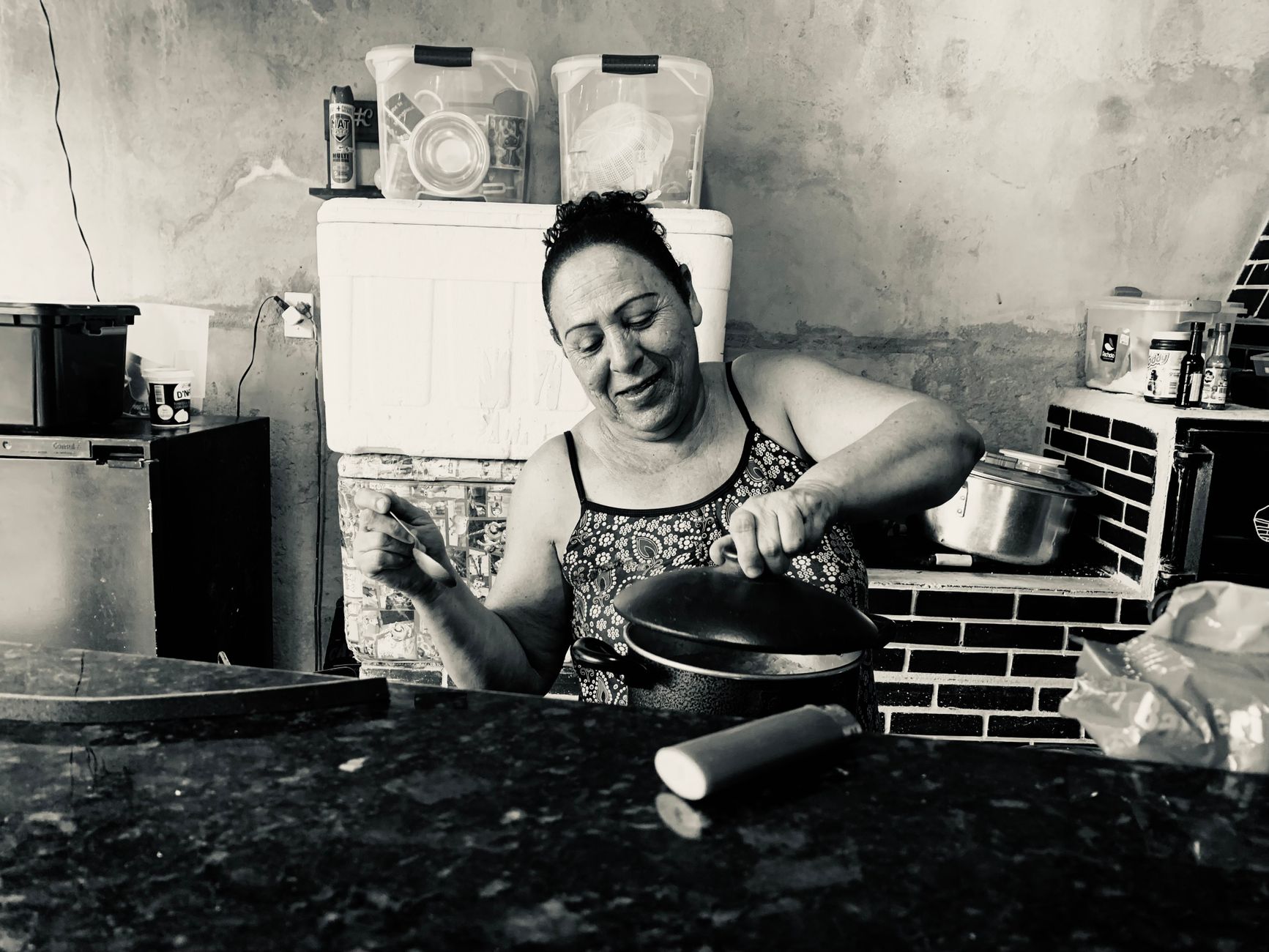
Your stove is a burn and fire risk that requires specific habits. Always turn pot and pan handles inward so they don’t stick out over the edge of the range—reaching for a handle and accidentally bumping it is a leading cause of spilled hot liquid and burns. If your eyesight or balance isn’t perfect, mark the “off” position on your stovetop knobs with a dot or tape so you can quickly confirm the burner is off without looking at the dial. Many kitchens now have smooth cooktops instead of traditional coil burners; smooth-tops are easier to clean but harder to notice when turned on, so the marking system is even more important.
If you live alone, avoid cooking long-simmering dishes that require constant attention; a one-pan meal that takes 15 minutes is safer than a stew that needs an hour. The tradeoff is that you lose some cooking flexibility, but you gain the ability to keep the kitchen door open so you can hear if something goes wrong, and you’re less likely to leave a burner unattended. If you use a microwave for most cooking, that’s fine—there’s no shame in adapting your methods to your physical capabilities. Many people assume they must cook every meal from scratch; in reality, a combination of fresh ingredients, pre-cut vegetables, rotisserie chicken, and frozen grains gives you good nutrition and variety with much less kitchen work. An oven timer with a large display and loud alarm removes the guesswork about when food is done and prevents overcooked or burned meals.
What Should I Know About Preventing Kitchen Fires and Gas Leaks?
A stovetop fire can escalate quickly, especially if you’re not positioned well to respond. Keep a small fire extinguisher rated for kitchen fires (Class B or Class K) in an easily accessible spot—not under the sink, where you can’t reach it in a panic. Know where it is and how to use it before an emergency; many people freeze when a fire starts because they’ve never practiced. A warning: if a fire is large or spreading quickly, don’t attempt to extinguish it yourself—evacuate immediately and call 911.
A towel or blanket should never be your first response to a pan fire; if oil is burning, use a fire extinguisher or smother the pan with a metal lid (if you have the strength to handle it safely). If you use a gas stove, know what a gas leak smells like—natural gas has an additive that produces a rotten-egg or sulfur smell—and have a plan to leave immediately and call the gas company if you detect it. Don’t rely on your nose alone if you have anosmia (loss of smell) or if your sense of smell has diminished with age; install a battery-powered gas leak detector near your stove. A limitation many people face is that they live in apartments or rentals where they can’t install certain safety equipment; in those cases, extra vigilance and quick communication with your landlord or property manager become even more important. If your landlord won’t install safety features you need, document your requests in writing and consider whether the space truly supports your aging in place.

How Can I Simplify Meal Prep and Keep Emergency Numbers Accessible?
Preparing food should be straightforward, not a puzzle. Use pre-cut vegetables, canned beans, bagged salads, and rotisserie chicken; your goal is nutrition and safety, not impressing anyone with knife skills or cook time. Keep a list of emergency numbers (poison control, fire department, your doctor, a trusted neighbor) posted on the refrigerator or inside a cabinet door at eye level. Include your address clearly—if you’re confused or injured, a responder should be able to see where you live without asking.
A specific example: post a laminated card with just the numbers and your name, avoiding dense paragraphs of text that are hard to read in a crisis. Consider a “cooking day” with a caregiver or family member if complex meal prep becomes difficult; you might spend two hours together preparing portions that you freeze and reheat throughout the week. This gives you independence (you’re eating your own cooked food, not relying on takeout) while reducing daily kitchen time and risk. It’s also a chance to check that your kitchen setup still works for you and to catch hazards like burned-out cabinet lights or loose shelf brackets.
How Often Should I Review Kitchen Safety and Plan for Changes?
Your kitchen safety setup isn’t permanent—your mobility, strength, and vision change over time, so your kitchen should change too. Every six months, walk through your kitchen as if you’re visiting for the first time and note where you struggle: Do you reach for items above your head? Do you have to bend deeply? Are there corners you bump into? After any fall, hospitalization, or significant change in health, do another full review. Ask a trusted friend or your doctor’s office for feedback; they may spot hazards you’ve normalized over time.
The good news is that kitchen modifications are often inexpensive and impermanent. Grab bars mount with adhesive if drilling isn’t an option; shelf organizers and labels can be moved or adjusted as needs change. A kitchen that works for you today might need tweaking next year, and that’s normal. Staying ahead of changes keeps you cooking and eating well for years, which is the whole point of aging in place.
Conclusion
Safe kitchen practices are built on three pillars: removing trip and fall hazards, storing items at accessible heights, and developing safe habits around heat and fire. These changes don’t require a full kitchen renovation—they’re adjustments to layout, lighting, storage, and routine that reduce risk while preserving your independence and dignity. The kitchen is where meals, medications, and daily routines begin; keeping it safe and accessible is one of the most effective ways to stay independent as you age.
Start with one or two changes that address your biggest concerns—better lighting, a grab bar, or reorganizing one cabinet. Then build from there. If you’re unsure whether a change will help or if you have questions about your specific kitchen setup, ask your doctor, occupational therapist, or a trusted family member for input. Small adjustments now can keep you cooking and living independently for years to come.