
Meditation can reduce anxiety and blood pressure while improving focus and emotional resilience—practical benefits that help older adults and caregivers manage the stress that often accompanies aging and health challenges. Research shows that consistent meditation practice, even 10 minutes daily, correlates with measurable improvements in sleep quality, pain perception, and decision-making clarity. For someone managing chronic pain from arthritis or a caregiver juggling multiple responsibilities, these aren’t abstract wellness benefits; they’re tangible shifts in how the brain responds to discomfort and stress.
Regular meditation doesn’t reverse physical decline or replace medical treatment, but it does work with the body’s own regulatory systems. Unlike some interventions that require expensive equipment or perfect physical ability, meditation is accessible to almost anyone—whether you’re in a mobility aid, managing cognitive changes, or overwhelmed by caregiver responsibilities. The evidence suggests the benefits compound: people who meditate consistently report not just lower stress, but better pain management, improved sleep, and a steadier mood over weeks and months.
Table of Contents
- How Meditation Reduces Stress and Anxiety in Aging Adults
- Meditation’s Effect on Chronic Pain and Physical Discomfort
- Better Sleep, Clearer Thinking, and Cognitive Benefits
- Building a Meditation Practice That Fits Real Life
- When Meditation Might Not Work and Common Challenges
- Meditation for Caregivers and Managing Caregiver Burnout
- The Evolving Science and Practical Integration
- Conclusion
- Frequently Asked Questions
How Meditation Reduces Stress and Anxiety in Aging Adults
The stress response system doesn’t retire with age; it stays active and sometimes becomes overactive. Meditation works by engaging the parasympathetic nervous system—the body’s built-in “rest and digest” mode—which counterbalances the sympathetic “fight or flight” system that stays elevated during chronic stress. When someone practices focused breathing or body-scan meditation, heart rate and cortisol (the stress hormone) decline measurably. Studies tracking older adults who meditated 15–20 minutes daily showed significant drops in anxiety scores after just four weeks. For caregivers, meditation offers particular relief. A family member managing a parent’s dementia diagnosis, coordinating doctor visits, and handling household tasks faces a constant low-level threat response.
Meditation interrupts this cycle. One study of family caregivers found that eight weeks of mindfulness meditation reduced caregiver depression scores by 30% and improved their sense of competence and patience. The mechanism is straightforward: focused attention on the present moment interrupts rumination—the mental loop that anxiety and worry thrive in. A limitation worth noting: meditation isn’t a cure for clinical depression or severe anxiety disorders. Someone with major depression may need medication, therapy, or both alongside meditation. Also, some people find meditation initially uncomfortable—sitting with their own thoughts can feel harder than distraction, and that’s normal. Starting with guided meditations or group classes often helps.

Meditation’s Effect on Chronic Pain and Physical Discomfort
Pain perception is partly physical—the actual injury or inflammation—and partly neurological: how the brain interprets those signals. Meditation influences the second part. Functional MRI studies show that people who meditate regularly have different activation patterns in the brain’s pain-processing centers. They literally perceive pain as less threatening, which reduces the emotional suffering layered on top of the physical sensation. For someone with osteoarthritis or fibromyalgia, this difference matters daily. The research is strongest for chronic pain. A landmark study published in clinical journals found that mindfulness-based stress reduction—an eight-week program combining meditation, gentle yoga, and body awareness—was as effective as physical therapy for knee osteoarthritis in reducing pain and improving function.
Older adults who meditated regularly also took fewer pain medications and reported doing more activities without pain limiting them. However, this doesn’t mean meditation replaces necessary treatment. Someone with acute pain from a fracture or infection still needs standard medical care. A practical downside: meditation takes time to build. The benefits don’t show up after one session; they accumulate over weeks. Someone expecting immediate relief might get discouraged and stop. Also, for people with certain trauma histories, sitting alone with focused attention can trigger uncomfortable memories or dissociation. Working with a trained teacher or starting in a group setting helps navigate this.
Better Sleep, Clearer Thinking, and Cognitive Benefits
Insomnia is common among older adults, and meditation is one of the few interventions that consistently improves sleep without medication. Meditation reduces nighttime heart rate variability, encourages slower brain wave patterns (theta and delta waves, the same frequencies that deepen sleep), and lowers racing thoughts that keep people awake at 3 a.m. Studies show people who meditate fall asleep faster and spend more time in deeper sleep stages. A study of older adults with chronic insomnia found that eight weeks of mindfulness meditation improved sleep quality as much as a common sleep medication—without the next-day grogginess or dependence risk. better sleep translates directly to better daytime cognition. Memory, reaction time, and decision-making all improve when someone sleeps well.
For aging adults worried about cognitive decline, this is meaningful. Regular meditation also appears to support cognitive reserve—the brain’s ability to adapt and compensate for changes. Longitudinal studies suggest that long-term meditators have less age-related cognitive decline and may maintain better focus and mental flexibility in their 70s and 80s than non-meditators. For a person concerned about staying independent and managing their own affairs, sharper daytime thinking is practical protection. One caveat: meditation improves sleep quality, but it’s not a replacement for addressing sleep apnea, which requires medical diagnosis and treatment. Also, very anxious people sometimes find that sitting quietly makes their racing thoughts feel louder before the meditation practice builds enough skill to quiet them. Pairing meditation with other sleep hygiene practices—consistent sleep schedule, cooler bedroom, no screens before bed—typically works better than meditation alone.

Building a Meditation Practice That Fits Real Life
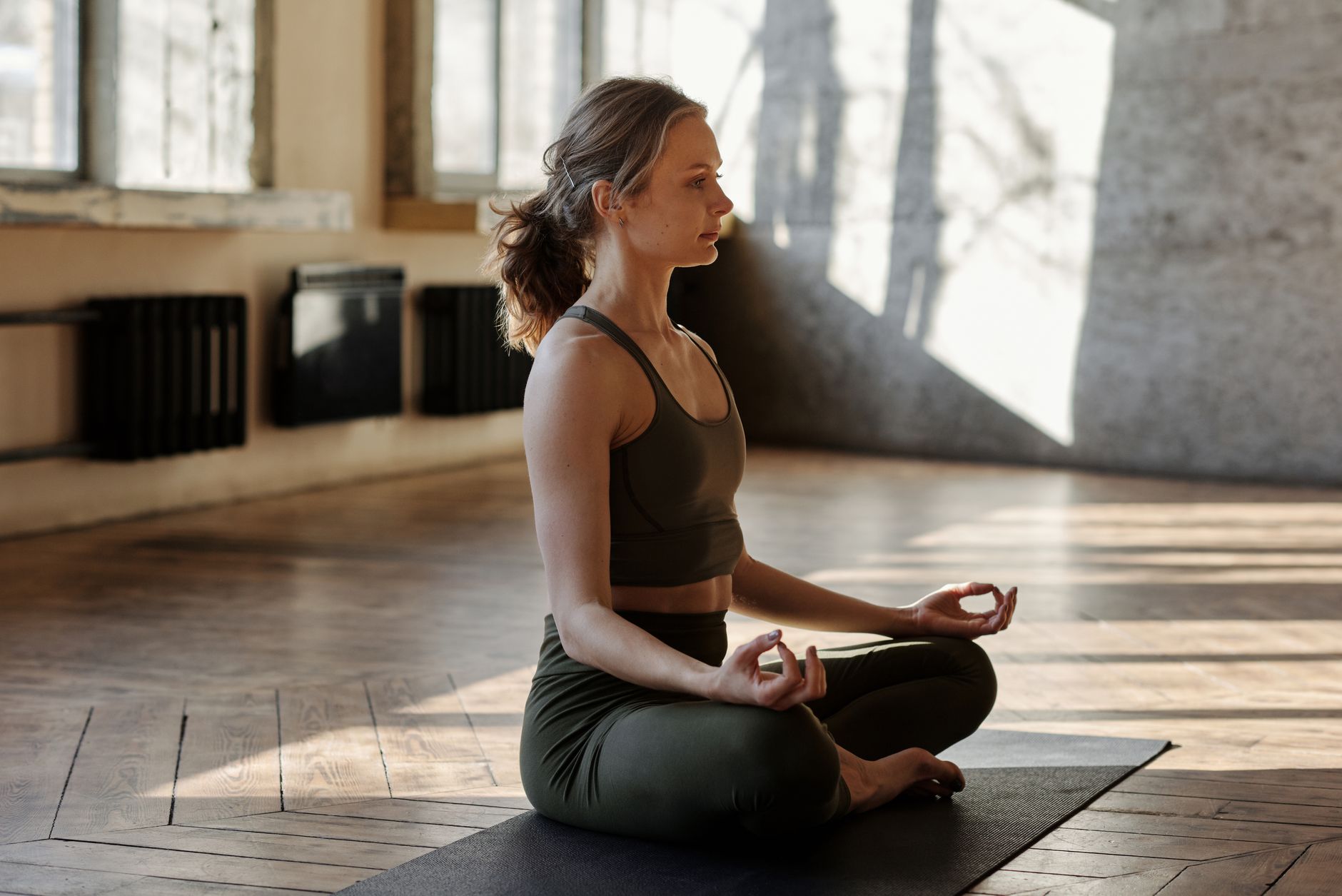
Starting a meditation practice doesn’t require a retreat, special clothing, or an empty schedule. A person can meditate sitting in a chair (even a mobility-friendly one), lying in bed if standing is difficult, or even while doing gentle activities like walking. The simplest entry point is breath awareness: sitting comfortably, closing eyes, and counting breaths—in for four, hold for four, out for four—for five minutes. Many people start there and expand when they see benefits. For older adults managing multiple health conditions, adapting the practice matters. Someone with chronic back pain might try a guided body-scan meditation lying down rather than sitting. Someone with restlessness or difficulty focusing might prefer movement-based practices like tai chi or walking meditation.
Apps like Insight Timer or Headspace offer short, guided sessions (5–10 minutes) tailored to specific needs: sleep, pain, anxiety, or focus. These work better for many people than trying to meditate in silence alone, at least at first. The tradeoff is consistency versus perfection. Five minutes of meditation five days a week builds more benefit than once-a-week 20-minute sessions. A person who aims for perfect, uninterrupted meditation in the morning and gets frustrated when interrupted is more likely to quit than someone who meditates at lunch for five minutes, or right before bed. The research shows that frequency and regularity matter more than duration. Even imperfect practice—meditation interrupted by a caregiver’s call or a pet jumping on the lap—still activates the parasympathetic nervous system and builds skill.
When Meditation Might Not Work and Common Challenges
For some people, meditation doesn’t click, or it takes trial and error to find the right approach. Someone with trauma might find sitting quietly triggering. Someone with severe ADHD might feel more restless during silent meditation than during movement-based practice. Someone grieving a recent loss might find meditation intensifies painful feelings rather than soothing them. These aren’t failures; they’re signals to try a different format or pair meditation with other support. Physical limitations also shape practice. A person with severe arthritis might not be able to sit upright for 20 minutes, which doesn’t mean meditation isn’t available—just that lying-down or supported-sitting variations work better.
Similarly, someone with hearing loss can use written guides or video guides with captions instead of relying on audio instructions. Someone with vision problems can use audio-only guided meditations. The barriers are usually solvable. One important warning: for people taking psychiatric medications, meditation can sometimes interact with or reduce the perceived need for medication. This doesn’t mean meditation is replacing the medication—it’s not. Rather, the combination of meditation and the right medication often works synergistically. Anyone considering changing psychiatric medication should discuss it with their doctor, not assume meditation has made the medication unnecessary.
Meditation for Caregivers and Managing Caregiver Burnout
Caregiving is physically and emotionally demanding, and burnout is common. A caregiver managing a parent with dementia or a spouse with chronic illness faces constant vigilance, decision-making, and often guilt about not doing enough. Meditation directly addresses burnout: it reduces the shame and self-criticism that layer on top of genuine exhaustion and increases emotional flexibility—the ability to sit with difficult feelings without getting stuck in them.
Caregiver-specific meditation programs show strong results. A 12-week program pairing mindfulness meditation with supportive community among caregivers reduced depression by 40% and improved caregiver sense of purpose. The meditation practice gave participants space away from the demands, but the community piece mattered just as much—knowing others understood the specific stress of caregiving. For a family caregiver, even 10 minutes of meditation daily can lower cortisol and blood pressure, but combining it with peer support, respite care, or counseling creates more sustainable relief.
The Evolving Science and Practical Integration
The research supporting meditation benefits has solidified significantly in the past decade. Brain imaging, biomarker studies, and large-scale randomized trials have moved meditation from “wellness trend” into evidence-based practice. Medical institutions increasingly offer meditation programs: Mayo Clinic, Johns Hopkins, and major health systems now integrate mindfulness into pain management, cardiac rehabilitation, and geriatric care.
This mainstreaming means insurance sometimes covers mindfulness-based stress reduction when it’s medically prescribed, making it more accessible. For someone aging in place or managing independence while dealing with health challenges, meditation is a low-cost, accessible tool that works alongside medical treatment, physical therapy, and other interventions. It won’t reverse joint damage or change a cognitive diagnosis, but it improves how you live with those conditions. As the research base grows, the practical question shifts from “Does meditation help?” to “What form of meditation works best for this specific person’s situation?”.
Conclusion
Meditation benefits are real and measurable: reduced stress and anxiety, better sleep, improved pain management, and clearer thinking. For older adults focused on maintaining independence and caregivers managing burnout, these improvements have direct practical value in daily life. The evidence is strong enough that major health institutions have incorporated meditation into clinical care, not relegated it to wellness trends.
Starting a practice is simple and costs nothing: five minutes of focused breathing, a body-scan meditation lying in bed, or a guided meditation on an app. The only investment required is consistency—building the practice over weeks so the benefits compound. For most people, combining meditation with other health practices—good sleep, movement, social connection, and necessary medical care—produces the best results.
Frequently Asked Questions
How long does it take to feel meditation’s benefits?
Some people notice reduced stress or better sleep after one week of daily practice. For chronic pain or anxiety disorders, measurable improvements typically take 4–6 weeks of consistent practice. Cognitive and neurological changes continue developing over months and years.
Can I meditate if I have physical pain or mobility limits?
Yes. You can meditate sitting in any comfortable chair, lying down, or even standing. Guided meditations can be adapted to your position. The practice isn’t dependent on how your body is positioned.
Is meditation a substitute for therapy or medication?
No. Meditation is a complementary practice that works alongside medical treatment, therapy, or medication. It shouldn’t replace professional mental health care or necessary medications. Always discuss changes to medication with your doctor.
What if I can’t stop thinking during meditation?
That’s not a failure—that’s exactly what happens when you start. The practice is noticing your thoughts and gently returning focus to your breath or body, not achieving a blank mind. Improvement happens through repeated practice.
Are there any risks to meditation?
Meditation is generally safe. However, for people with certain trauma histories, unmanaged psychosis, or severe dissociation, intensive meditation can be uncomfortable or triggering. Starting with guided, group-based approaches and consulting a therapist helps navigate this.
How much meditation do I need to see benefits?
Studies show benefits from as little as 5–10 minutes daily. Consistency matters more than duration. Five minutes every day typically produces better results than one 30-minute session per week.