
Browse every active aging guide on Aging Independence, sorted by newest first.

Avoiding Scams
Avoiding scams means learning to recognize deceptive tactics, verifying the legitimacy of requests before responding, and knowing who to contact when...

Online Banking Safety
Online banking can be safe for older adults and their caregivers when you understand the risks and follow straightforward security practices.

Video Calling Guide
Video calling is a real-time conversation tool that lets you see and hear family members, friends, and care providers through a camera and microphone...

Smartphone Tips
Smartphone tips for older adults center on three core practices: choosing a phone with features suited to your vision and hearing, adjusting the settings...

Technology for Seniors
Technology for seniors today is fundamentally about maintaining independence and safety without sacrificing quality of life.
Retirement Activities
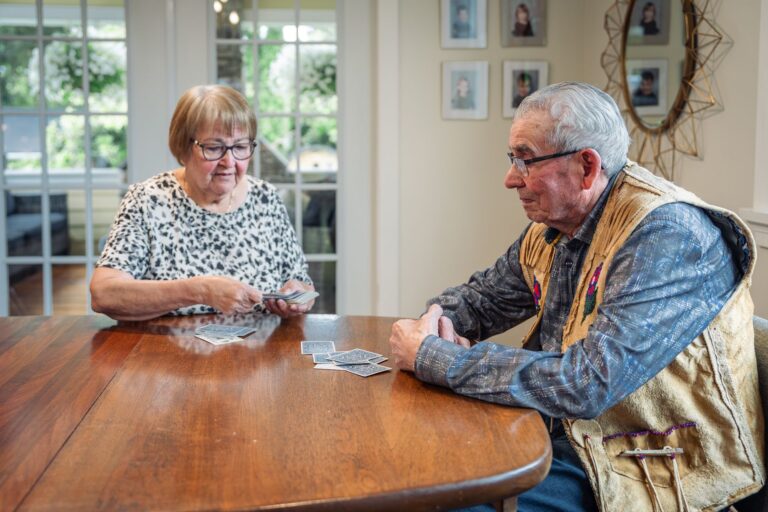
Retirement activities are the structured or unstructured pursuits that retirees engage in to maintain physical health, cognitive function, social...

Public Transportation
Public transportation—buses, trains, subways, and light rail systems—provides a lifeline for older adults who want to maintain their independence without...

Driving Safely
Driving safely as you age means understanding how your body changes and adapting your habits before a problem becomes a crisis.

Traveling After 60
Yes, you can and should travel after 60 if you want to—but how you travel needs to change. Traveling in your sixties and beyond…
Volunteering
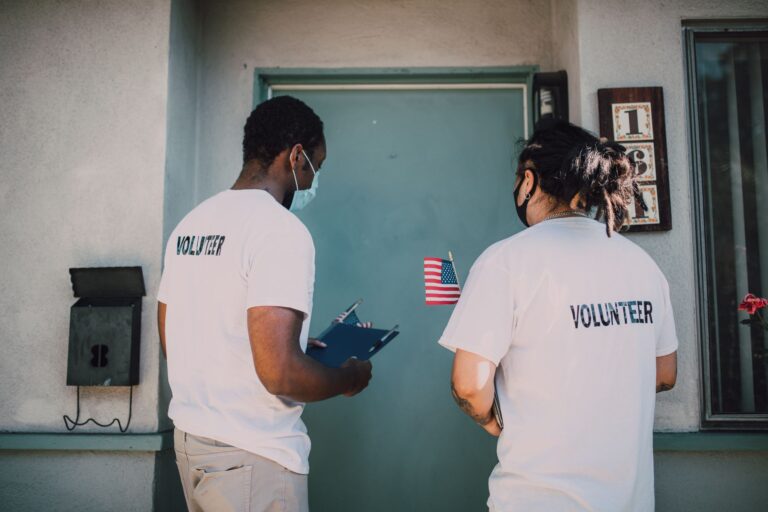
Volunteering is one of the most effective ways older adults can maintain independence, purpose, and meaningful connections to their communities.

Finding New Hobbies
Finding new hobbies is the most practical step you can take to maintain your independence, mental sharpness, and social connections as you age.

Staying Connected
Staying connected means maintaining regular contact with friends, family, and community—and it directly impacts how well you can age independently at home.

Living Alone Safely
Living alone safely is possible at any age, but it requires realistic planning, the right systems in place, and honest assessment of your physical...

Downsizing Without Stress
Downsizing without stress is possible when you approach it methodically, focus on what truly matters, and give yourself permission to take your time.
Stay Independent Longer
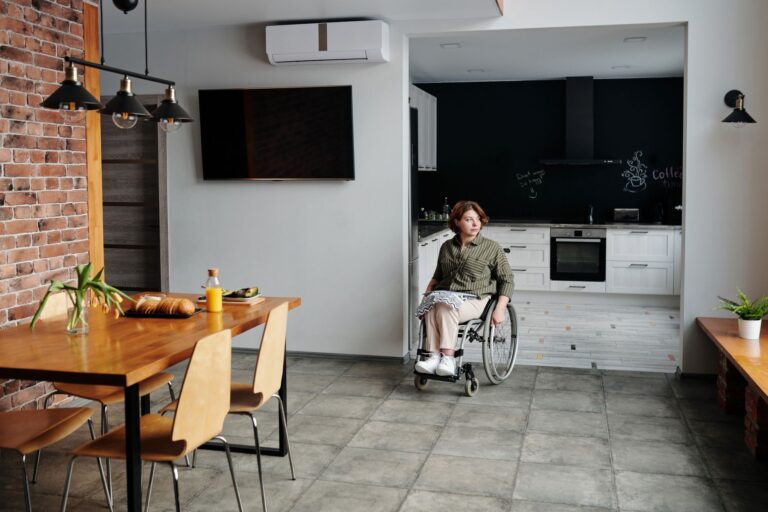
Staying independent longer is fundamentally about maintaining control over your daily life, your choices, and your environment for as long as possible.

Community Resources
Community resources are the programs, services, and organizations in your area designed to support older adults in maintaining independence, staying...

Financial Planning
Financial planning for aging in place and maintaining independence means creating a strategic roadmap for how you'll pay for healthcare, housing,...

Building a Care Team
A care team is a group of professionals and trusted individuals who work together to support your health, safety, and independence as you age.
Caregiver Self-Care
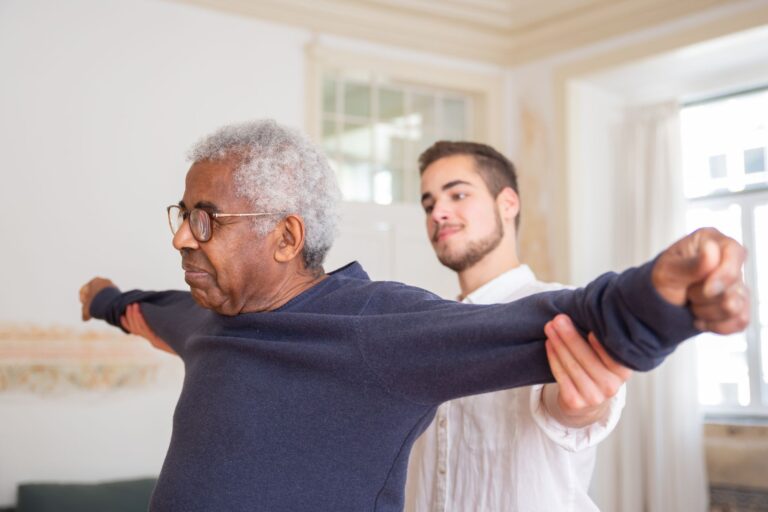
Caregiver self-care is not a luxury or an afterthought—it is a foundational requirement for anyone providing care to an aging parent, spouse, or family...

Caring for Someone With Dementia
Caring for someone with dementia requires patience, planning, and a willingness to adjust your approach as their condition changes.

Hospital Discharge Checklist
A hospital discharge checklist is a structured guide that ensures nothing critical is missed when you or a loved one leaves the hospital.