
The best walking aid for you depends on your specific mobility needs and living situation, but the most effective ones—canes, walkers, and rollators—are proven tools that help people maintain independence and safety in daily life. About 7.7% of the U.S. adult population currently uses a walking aid like a cane, walker, or crutches, and that number rises to 31% among seniors over age 65.
What makes a walking aid truly “best” isn’t its price or how medical it looks, but whether it genuinely helps you move through your home and community without pain, falls, or exhaustion. Walking aids serve a fundamental purpose: they reduce the load on your legs and joints while giving you stability points to catch yourself. A person recovering from a stroke might benefit most from a quad cane with four feet for broader support, while someone with arthritis in one knee might need only a simple single-point cane for reassurance during trips to the mailbox. The real measure of success is whether the aid helps you do what matters to you—visiting a grandchild, going to appointments, or simply moving safely within your home.
Table of Contents
- What Are the Main Types of Walking Aids Available?
- Why Walking Aids Matter More Than Most People Realize
- Choosing Between Canes, Walkers, and Rollators for Your Situation
- How to Select and Fit the Right Walking Aid
- Hidden Challenges and Extended-Use Considerations
- Innovative and Emerging Walking Aid Technologies
- The Future of Walking Aids and Independence in Place
- Conclusion
What Are the Main Types of Walking Aids Available?
Canes and walking sticks are the simplest and most portable option, ranging from single-tip canes for minimal balance support to quad canes with four-point bases that provide significantly more stability. A single-tip cane weighs only a few ounces and fits easily in a car or closet, making it ideal for people who need occasional support or who are concerned about stigma. Quad canes, by contrast, create a much broader base of support and are particularly effective for people recovering from stroke or those with more significant balance challenges—the trade-off is that they’re heavier and require more space to navigate, especially in narrow hallways or small bathrooms.
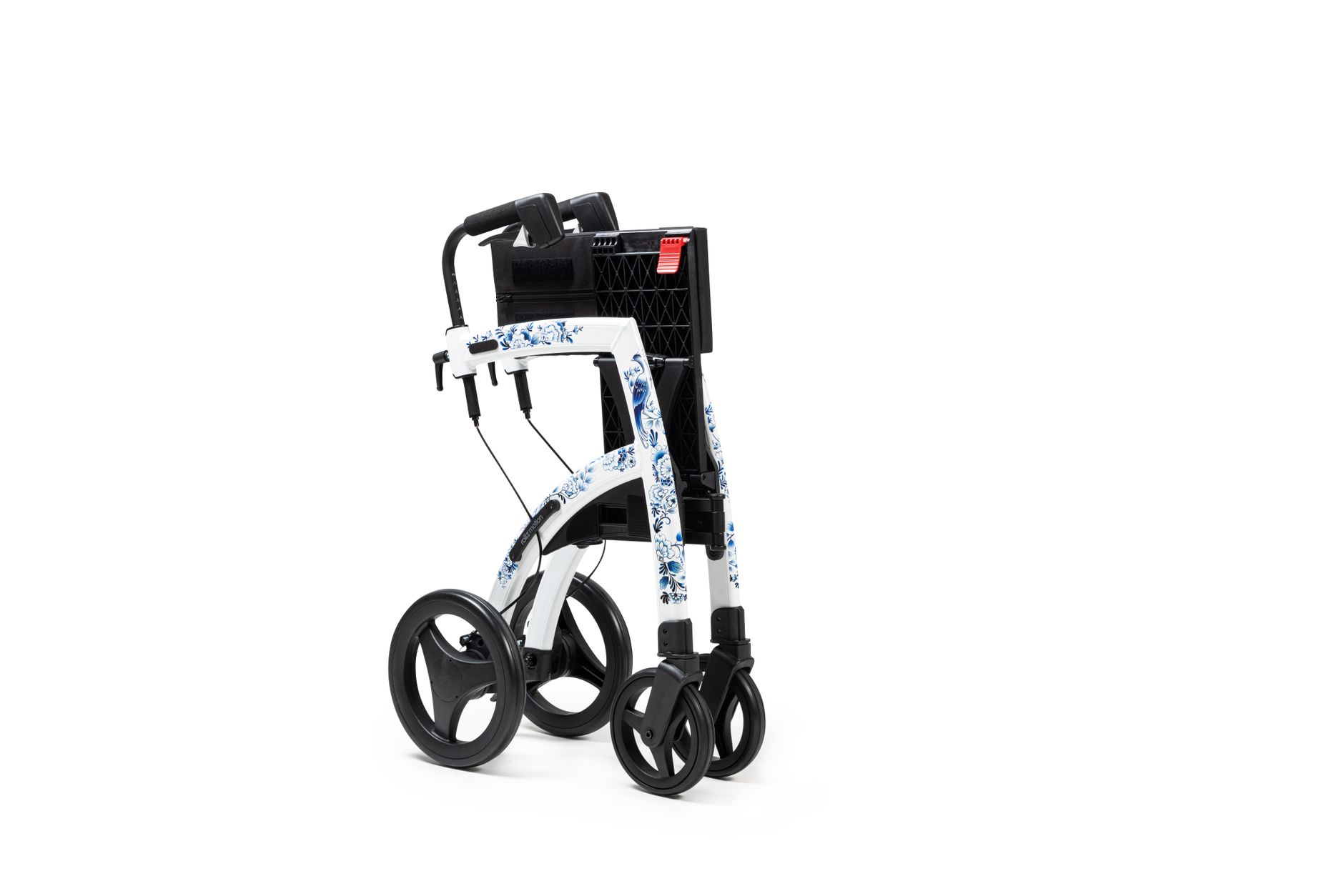
Walkers come in three main categories: basic walkers with rubber tips that you lift with each step, two-wheel front walkers with rubber back tips for areas where you need extra control, and rollators with four wheels, built-in seats, and hand brakes. Rollators have become increasingly popular because they reduce the physical effort required with each step—you push rather than lift—and they offer a place to sit and rest when you’re tired. However, rollators are heavier than canes or basic walkers, making them less portable and less suitable for people living in upper-floor apartments or those who drive themselves to appointments.

Why Walking Aids Matter More Than Most People Realize
The statistics are revealing: 70% of people with mobility issues report feeling more independent after starting to use a walking aid, yet many delay getting one out of concern about looking old or disabled. This delay often comes at a cost—people who avoid walking aids and instead move slowly, shuffle, or grab onto walls are actually at greater risk of falls and injuries. By the time they finally accept a cane or walker, they’ve often developed compensatory movement patterns that take weeks to unlearn.
One important limitation to understand is that about 30% of users report discomfort with extended use, particularly with basic walkers that don’t have adequate padding on the handles or with canes that aren’t adjusted to the right height. If you’re considering a walking aid, getting proper measurement is essential—a cane should be adjusted so your arm hangs naturally with a slight bend at the elbow, typically reaching the crease of your wrist when standing with arms at your sides. An improperly fitted cane or walker won’t just be uncomfortable; it can actually cause shoulder or back pain after several hours of use.
Choosing Between Canes, Walkers, and Rollators for Your Situation
Your living environment and daily activities should largely determine which walking aid makes sense. Someone living in a small urban apartment with narrow doorways and limited space might choose a lightweight folding walker or a single-point cane, even if a rollator would technically provide more support—because an aid that stays in the closet because it won’t fit through the bathroom door isn’t useful. Someone with significant arthritis in both knees and hips might prefer a rollator even though it’s bulkier because the reduced physical effort saves their joints from painful wear throughout the day.
The comparison matters most when considering rollators versus basic walkers. A rollator with a seat appeals to people who need to rest frequently, and the hand brakes give you control on slopes and when navigating uneven terrain. But rollators are heavier to lift in and out of cars, they take up more storage space, and they can be harder to use on stairs or in crowded spaces. A basic walker or quad cane, by contrast, takes up minimal space and is easier to transport, but you can’t sit down mid-trip and you expend more physical effort with each step.
How to Select and Fit the Right Walking Aid
The fitting process is straightforward but often skipped, leading to discomfort and underuse. For a cane, stand with your arms relaxed at your sides; the top of the cane should reach your wrist crease. For walkers, the handles should align with your wrists when your arms hang naturally. Many people either choose canes or walkers that are too tall (causing you to shrug your shoulders, which strains your neck and back) or too short (forcing you to bend over, which stresses your lower back).
Physical therapists can assess your gait and strength to recommend the right type, and many insurance plans cover this evaluation. When shopping, test the aid in the store if possible, or ensure the retailer has a good return policy. Walk with it on a flat surface, then on a slightly inclined surface if available. Listen to how it sounds—some canes are quiet, while others click or clack with each step, and you may have a strong preference about the auditory feedback. Weight matters more than people expect; an extra pound or two makes a significant difference if you’re using the aid for several hours daily or if you have arthritis in your hands or wrists.
Hidden Challenges and Extended-Use Considerations
One reality that manufacturers downplay: many walking aids cause hand or wrist pain during extended use, particularly if the grip isn’t padded adequately or if your walking aid doesn’t match your hand size. People with arthritis sometimes find that gripping a standard cane handle for more than 20 or 30 minutes causes flare-ups. If this is your situation, look for walking aids with ergonomic grips, padding, or even handles designed for people with limited grip strength. Some rollators now come with gel-padded handles or soft-grip materials that reduce fatigue.
Another limitation worth acknowledging: outdoor terrain can be surprisingly challenging for walkers and canes. Standard rollators and walkers work well on smooth, flat surfaces like supermarket floors or hallways, but they struggle on gravel, grass, and uneven sidewalks. If you spend significant time outdoors or in less controlled environments, you may need a heavier-duty walker with larger wheels or an all-terrain rollator—which costs more but handles real-world conditions better. This is a common source of frustration; people buy a standard walker in a store with smooth floors, then become disappointed when they can’t reliably navigate their own yard or neighborhood.

Innovative and Emerging Walking Aid Technologies
Beyond traditional canes and walkers, the walking aid market is expanding with newer options that may suit specific situations. Compression garments and functional electrical stimulation devices help some people improve their gait without carrying anything, though they require professional fitting and regular adjustment. Smart shoes with gait-change detection alert you to stumbling patterns before they become falls. Hip protectors worn under clothing reduce injury from falls but don’t prevent falls themselves.
These innovations tend to be more expensive and less immediately useful than a well-fitted cane or walker, but for certain users—particularly those with specific neurological conditions or recovery goals—they can make a difference. The global walking aids market is projected to reach $5.5 billion by 2026, and much of that growth is driven by lightweight, foldable designs becoming the new standard. Manufacturers are increasingly positioning walking aids as everyday products rather than medical devices, with colors, styles, and materials that appeal to people’s sense of identity and aesthetic preference. This shift in marketing reflects a real change in how people view mobility aids—not as signs of decline, but as tools for maintaining the activities and independence that matter most.
The Future of Walking Aids and Independence in Place
The trend toward making walking aids lighter, more portable, and more stylish reflects a larger shift in how aging in place and independence are understood. As people live longer and want to remain in their own homes and communities, the demand for effective walking aids continues to grow. Research and product development are now focused on making aids that work well both indoors and out, that transition seamlessly between environments, and that people genuinely want to use rather than hide away.
What’s becoming clear is that the “best” walking aid is the one you’ll actually use consistently, without shame or reluctance. If a cane allows you to maintain your regular walking routine, attend social events, and stay engaged in your community, then it’s the right choice—regardless of what marketing materials say about more advanced options. The goal isn’t to use the most sophisticated aid; it’s to use the aid that lets you live the way you want to live.
Conclusion
Walking aids are practical tools that help millions of people maintain mobility, independence, and safety. The three most common and effective options—canes, walkers, and rollators—each have specific advantages and trade-offs, and the right choice depends on your mobility level, living environment, and how you spend your time. Proper fitting is essential to prevent discomfort and ensure long-term use, and understanding the real-world limitations of each type helps you make a choice you won’t regret.
If you’re considering a walking aid, talk with your doctor or physical therapist about what would work best for your situation. Don’t wait until balance becomes significantly compromised or until a fall forces the issue—people who proactively choose a walking aid earlier maintain better function longer. The aid itself doesn’t matter as much as what it enables you to do: walk safely, remain active, visit people you care about, and live independently in your own home and community.