
The routine that seniors who never left their longtime homes share is deceptively simple: they stay active, they eat well, they maintain social connections in their established communities, and they embrace technology that extends their independence. For the 75% of older adults who express a strong desire to age in place, this isn’t just a preference—it’s a deliberate strategy for maintaining control over their lives and preserving their sense of self. Consider Martha, 81, who has lived in her Portland house for 48 years. Her daily rhythm includes a morning walk through the same neighborhood streets she’s known for decades, preparing nutritious meals she can manage alone, and video calls with her children using voice-activated technology that responds to her commands.
This routine works because it’s built on three pillars: staying physically engaged, nourishing the body adequately for sustained strength, and leveraging the accumulated social capital of lifelong community ties. The difference between seniors who thrive while aging in place and those who struggle often comes down to what they do every single day. Eight in 10 older adults currently live independently in their own homes, yet not all of them maintain the same quality of life. The ones who stay engaged—who follow a consistent routine that includes movement, proper nutrition, and connection—report significantly better outcomes in both physical health and mental well-being. This isn’t about following a rigid schedule; it’s about establishing patterns that sustain independence over years and decades.
Table of Contents
- WHAT DOES A TYPICAL AGING-IN-PLACE ROUTINE ACTUALLY LOOK LIKE?
- HOW TECHNOLOGY IS RESHAPING THE DAILY ROUTINES OF AGING-IN-PLACE SENIORS
- THE ROLE OF ESTABLISHED COMMUNITIES IN SUSTAINING INDEPENDENCE
- NUTRITION AND MOVEMENT: THE TWO NON-NEGOTIABLES
- WHEN ROUTINES BECOME RISKY: RECOGNIZING THE WARNING SIGNS
- THE ROLE OF FAMILY AND COMMUNITY SUPPORT SYSTEMS
- THE FUTURE OF AGING IN PLACE: WHAT’S CHANGING IN 2026 AND BEYOND
- Conclusion
- Frequently Asked Questions
WHAT DOES A TYPICAL AGING-IN-PLACE ROUTINE ACTUALLY LOOK LIKE?
The daily rhythm of a senior who has aged in place successfully typically begins with some form of physical activity. This might be a walk around the block, gentle stretching exercises, or tending to a garden they’ve maintained for years. Exercise routines are critical for maintaining health and independence in older adults, as they preserve muscle mass, bone density, and cardiovascular function—all essential for continuing to live independently. The key difference between seniors who maintain this habit and those who don’t is often rooted in their history with the activity. A woman who has walked daily for 30 years doesn’t need motivation; she needs a reason to stop. The midday hours typically center on meal preparation and eating, which deserves special attention. Nutrition becomes increasingly critical for maintaining strength and independence, as the body’s ability to build and maintain muscle declines significantly with age.
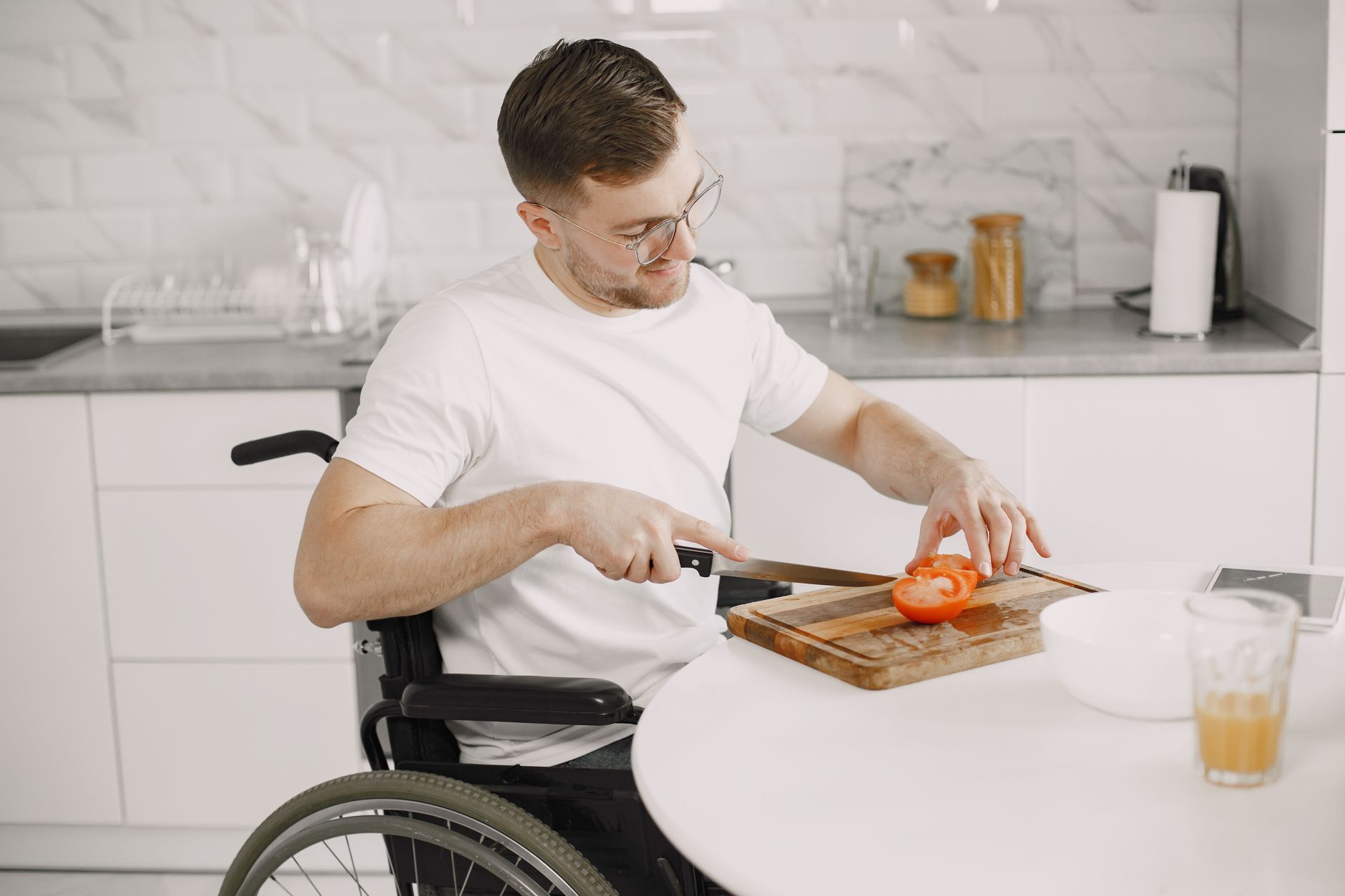
Seniors aging in place who maintain independence often prepare their own meals, choosing foods they understand and preparing them in ways they’ve perfected over decades. This is functionally different from ordering meals delivered or having them prepared by someone else—there’s both the physical activity of preparation and the psychological reinforcement of self-sufficiency. A 78-year-old man who prepares his own lunch isn’t just eating; he’s exercising fine motor control, engaging his cognitive function by following recipes from memory, and reinforcing his identity as someone who can still take care of himself. The evenings frequently involve engagement with community or family. Because 60% of seniors express emotional attachment to their home as a primary reason to stay, this attachment extends to the people and places nearby. Evening routines often include phone calls, visits from neighbors or family members who live close by, or time spent in the established community where they’ve lived for years. This social continuity isn’t incidental to aging in place—it’s foundational to it. Seniors who remain near their established communities report greater security and sense of belonging, which directly impacts their motivation to maintain independence.

HOW TECHNOLOGY IS RESHAPING THE DAILY ROUTINES OF AGING-IN-PLACE SENIORS
In 2026, the routines of seniors who never moved out are being quietly transformed by technology that was unimaginable a decade ago. Voice-activated assistants now handle medication reminders, call emergency services, and control the home environment without requiring the fine motor control or memory precision that physical switches demand. A senior with arthritis can dim the lights by speaking a command, or ask their device what time they took their last blood pressure medication. Sensor-based fall detection systems monitor movement and alert family members if an unusual pattern suggests a fall has occurred. Medication adherence tracking systems send reminders and confirm that pills have been taken. Automated environmental controls adjust temperature and lighting to optimize both comfort and safety. Yet there’s a critical limitation here: technology adoption requires initial learning, comfort with unfamiliar interfaces, and often, a degree of digital literacy that not all seniors possess.
Some older adults who have aged in place successfully have embraced these tools enthusiastically; others resist them entirely or use them only partially. The seniors who thrive tend to be those who view technology as an extension of their existing routine rather than a replacement for it. A woman who uses a voice assistant to set reminders hasn’t stopped keeping a written calendar; she’s added a redundant system. The real risk comes when seniors or their families assume that technology alone can substitute for human attention and the fundamental routines of movement, nutrition, and connection. The most significant advantage of modern aging-in-place technology is that it extends the window during which a senior can safely remain in their longtime home. A fall detection system doesn’t prevent falls, but it ensures that help arrives quickly when one occurs. Medication tracking doesn’t ensure adherence, but it catches missed doses. These systems buy time—not indefinitely, but often long enough to allow several additional years of independence in a familiar environment.
THE ROLE OF ESTABLISHED COMMUNITIES IN SUSTAINING INDEPENDENCE
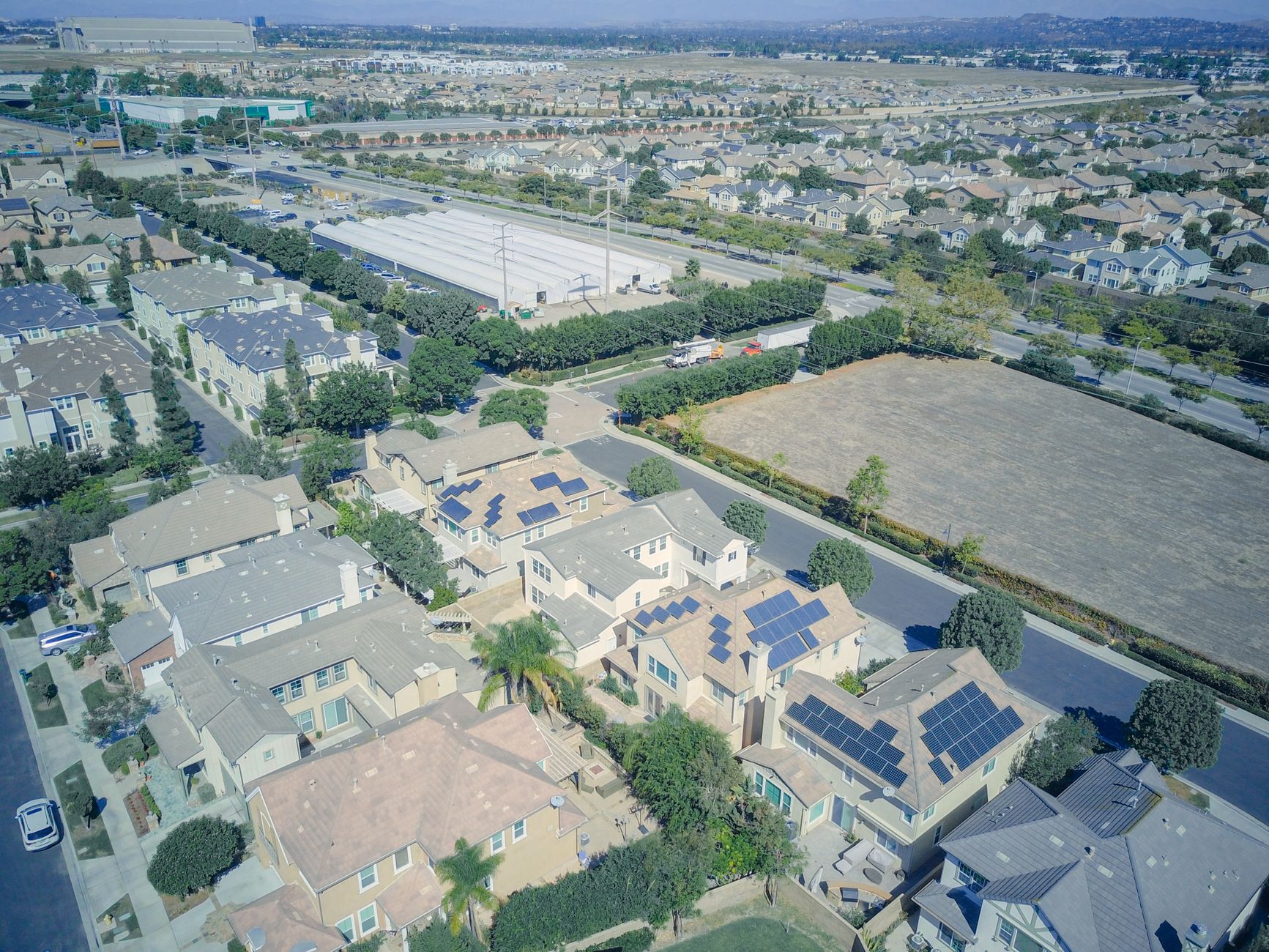
When 40% of seniors cite independence as the most important benefit of aging in place, they’re not speaking abstractly about political freedom or personal autonomy. They mean practical independence: the ability to walk to a store they’ve known for 20 years and buy exactly what they want, to call a neighbor who’s known them for decades and ask for help without embarrassment, to maintain a role in a community rather than becoming an outsider arriving at a new place. This interdependence—the web of relationships built over decades—is what makes independence possible. Consider the difference between aging in place in a longtime neighborhood versus moving to a senior community or assisted living facility. In the established neighborhood, a senior might have lived through the growth of the entire area, knew the shopkeepers who have since retired and been replaced by their children, and accumulated relationships that don’t require explanation.
They can ask a neighbor to keep an eye on their house without fear of inconvenience; they know the pharmacist who fills their prescriptions and can call with questions; they have a relationship with their doctor that spans decades. Seniors who remain near their established communities report greater security and sense of belonging, and this psychological foundation directly supports their willingness and ability to maintain daily routines of self-care. The limitation, however, is significant: established communities can also become isolated. As peers die or move away, as long-familiar businesses close or change, the continuity that made the community feel like home can erode. The routine that worked at age 72 may become dangerous at age 88 if the support systems have weakened. Successful aging in place requires periodic assessment of whether the community is still providing what it did, and honest reckoning with what resources need to be added.
NUTRITION AND MOVEMENT: THE TWO NON-NEGOTIABLES
The most successful routines among seniors who age in place share two consistent elements: regular physical activity and intentional nutrition. These aren’t optional enhancements; they’re the foundation. Nutrition becomes increasingly critical for maintaining strength and independence, as the body’s ability to build and maintain muscle declines significantly with age. Unlike younger adults who can neglect nutrition for a week and recover, a senior might lose meaningful muscle mass in just days of inadequate eating. This creates a cascade: less muscle means less strength, less strength means increased fall risk, increased fall risk means fear of movement, and fear of movement means further muscle loss. Exercise routines are critical for maintaining health and independence in older adults, functioning as both a physical intervention and a psychological anchor.
When a senior has walked three miles most mornings for 30 years, that walk is no longer just exercise—it’s a statement about who they are. It’s the structure around which they organize their day, the reason they wake up at a certain time, the context in which they encounter their neighbors, and the proof that they’re still capable. The seniors who maintain independence aren’t necessarily the ones doing formal fitness routines; they’re the ones who’ve woven movement into their daily life so thoroughly that stopping would feel like stopping being themselves. The tradeoff is clear: routines built on movement and nutrition are sustainable only if they’re chosen, not imposed. A senior forced into an exercise program by a concerned adult is far less likely to maintain it than one who chooses to continue an activity they’ve always done. Similarly, a senior who cooks because they enjoy it will eat better than one who cooks only because they’ve been told they should. The key is identifying what activities an older person has already chosen to maintain and supporting those choices, rather than introducing new obligations.
WHEN ROUTINES BECOME RISKY: RECOGNIZING THE WARNING SIGNS
The same routines that support independence can become dangerous if circumstances change. An older adult’s reliable morning walk becomes a fall risk if arthritis develops or if their balance deteriorates. The ability to prepare meals independently can become unsafe if cognitive decline makes it difficult to remember whether the stove has been turned off. The independence that comes from living alone becomes isolation if mobility limitations prevent leaving the house. This is the hard truth that families and older adults themselves must confront: a routine that worked for years may stop working, and the earlier that shift is recognized, the better. Warning signs that a routine is becoming unsustainable include weight loss, increased falls or near-falls, missed or double-dosed medications, a declining ability to keep up with household cleaning, and social withdrawal. Many families don’t notice these changes until they’re severe, partly because older adults are skilled at hiding declining capacity.
A senior might order takeout more frequently not because they enjoy it but because they can no longer reliably prepare their own meals. They might avoid walking to familiar places not because they don’t want to but because they’ve become afraid of falling. These shifts happen gradually, which makes them easy to miss in the absence of regular, honest conversations. The limitation of aging in place as a philosophy is that it can become dogmatic. “I’ll never leave this house” becomes a prison rather than a choice if staying means living in fear, in isolation, or in conditions that are actively unsafe. The goal isn’t to age in place at any cost; it’s to maintain independence as long as safely possible. Sometimes that means accepting help earlier than a senior would choose, or transitioning to a more supportive environment when staying becomes more about stubbornness than sustainability.
THE ROLE OF FAMILY AND COMMUNITY SUPPORT SYSTEMS
Successful aging in place is rarely a solo effort, even when it appears to be. The 8 in 10 older adults who live independently in their own homes are typically part of networks—formal or informal—that provide oversight, occasional assistance, and emergency support. A senior might shop independently most weeks but have a family member who checks in weekly and helps with heavy items. Another might cook all their own meals but have a visiting nurse who monitors medication adherence and blood pressure. These support systems are most effective when they’re planned rather than reactive.
The most robust support systems operate on a sliding scale. A family meeting in which everyone discusses what independence looks like, what risks are acceptable, and what will trigger a reassessment is far more effective than a system where concern suddenly peaks when a crisis occurs. A senior whose children know their daily routine—who understand that the morning walk at 8 a.m. is part of how they start their day, who know what medications they take and when—can be monitored informally without the older adult feeling surveilled. Technology can assist here: a family member who receives a weekly medication reminder report from an automated system has information without intrusion.
THE FUTURE OF AGING IN PLACE: WHAT’S CHANGING IN 2026 AND BEYOND
The landscape of aging in place is shifting rapidly, driven by both demographic realities and technological innovation. The desire to age in place—the 75% of older adults who express this preference—isn’t going away, but the tools and strategies available to support it are becoming more sophisticated. Voice-activated assistants, sensor-based fall detection, medication adherence tracking, and automated environmental controls are now common supports, but the next wave includes more predictive systems that can identify health deterioration before it becomes acute. What hasn’t changed, and what won’t, is the fundamental truth that aging in place is built on three things: physical activity, adequate nutrition, and connection to community.
Technology can support these, but it can’t replace them. A senior in 2026 might receive their medication reminder from an AI assistant, but they still need to actually take the medication. They might live in a home equipped with fall detection, but they still need to move enough to maintain the muscle and balance that prevents falls. They might video call with distant family members, but they still need to know their neighbors and feel part of their community.
Conclusion
The routine shared by seniors who never moved out is built on consistency, choice, and connection. It includes daily movement, regular meals they prepare themselves, and engagement with a community where they’ve accumulated decades of relationships and belonging. These routines are sustainable only when they’re chosen rather than imposed, and they require honest periodic assessment of whether they’re still supporting independence or merely maintaining the appearance of it. The difference between seniors who thrive while aging in place and those who merely survive is often the difference between a routine that feels like an expression of identity and one that feels like a burden. For anyone committed to aging in place—whether you’re a senior planning for your own future or an adult child supporting an aging parent—the lesson is clear: invest in the fundamentals.
Support movement through activities that have always mattered. Ensure adequate nutrition by removing barriers to cooking or eating. Maintain connection to established communities through regular contact and involvement. Where technology can assist, use it, but treat it as an enhancement, not a replacement. The goal isn’t independence at any cost; it’s maintaining the life someone has built, for as long as it remains safe and meaningful to do so.
Frequently Asked Questions
At what age should someone start planning to age in place?
Planning is valuable at any age, but becomes increasingly important in the mid-60s, before health challenges make changes more urgent. This planning includes assessing your home for safety, building community connections if they don’t already exist, and establishing routines of movement and nutrition that you can sustain long-term.
What’s the difference between aging in place and refusing help?
Aging in place means maintaining independence as long as safely possible, which includes accepting appropriate help when needed. Someone aging in place successfully might have a visiting nurse assist with medication management or family help with house maintenance, but they maintain control over decisions and autonomy in daily life. Refusing all help isn’t independence; it’s denial of changing circumstances.
How can I encourage a parent to stay active without making them feel pressured?
Connect their activities to their identity and interests rather than framing them as exercise obligations. If they’ve always gardened, support gardening. If they’ve always walked, maintain that routine. If they’ve always cooked, remove barriers to cooking. People maintain habits they’ve chosen, not habits they’ve been told to do.
What technology is essential for aging in place safely?
The most important technologies are those that extend the time before help is needed: fall detection systems, medication reminders, and communication devices. Voice-activated assistants can reduce barriers to controlling the home environment. The key is that technology should simplify daily life, not complicate it.
How do I know when it’s time to transition from aging in place to more support?
Warning signs include significant weight loss, repeated falls, missed medications, inability to keep the home clean or safe, and social withdrawal. An honest conversation with healthcare providers and family members can help distinguish between temporary challenges and permanent shifts that require more support.
Can someone age in place successfully without family nearby?
Yes, but it requires more intentional planning and investment in community connections and support services. Building relationships with neighbors, establishing care coordination with healthcare providers, and leveraging technology for monitoring and communication can create the safety net that geographic family proximity would provide. The key is planning these systems before they’re needed by crisis.