
The transportation options that preserve independence are those that allow people to get where they need to go without relying entirely on someone else to drive them. This includes driving a personal vehicle for as long as safe, using ride-sharing services like Uber or Lyft, taking public transportation, using specialized paratransit services, exploring medical transportation programs, and tapping into volunteer driver networks. For many people over 65 or those managing mobility challenges, access to reliable transportation is the difference between living independently in their own home and becoming housebound.
A 78-year-old in suburban Ohio, for example, might keep driving locally while using paratransit for longer medical appointments—a combination that keeps her living in her own home rather than moving closer to family or into assisted living. The critical insight is that true independence rarely depends on a single transportation method. Instead, it’s built on having options—backup plans, alternatives for different situations, and flexibility as circumstances change. A person’s transportation strategy at 65 looks different at 75 and different again at 85, which is why planning ahead and understanding all available options matters long before an emergency or a major health change forces a sudden decision.
Table of Contents
- WHAT TRANSPORTATION CHOICES WORK BEST FOR YOUR SITUATION?
- PERSONAL VEHICLES—DRIVING SAFELY AS YOU AGE
- RIDE-SHARING AND PRIVATE TRANSPORTATION SERVICES
- PUBLIC TRANSPORTATION—WHAT’S AVAILABLE AND HOW TO USE IT
- PARATRANSIT AND MEDICAL TRANSPORTATION SERVICES
- VOLUNTEER DRIVER NETWORKS AND COMMUNITY RESOURCES
- PLANNING YOUR TRANSPORTATION FUTURE
- Conclusion
WHAT TRANSPORTATION CHOICES WORK BEST FOR YOUR SITUATION?
Evaluating your transportation needs starts with honest assessment of three factors: your current driving ability and confidence, the distances you regularly travel, and your access to alternatives in your area. Someone living in a dense urban area with excellent public transit has very different options than someone in a rural county with no bus service. The goal isn’t to find one perfect solution, but to layer options so you always have a way forward. Start by assessing your driving.
If you’re still driving safely, that‘s valuable—driving represents maximum independence and flexibility. But “I’ve been driving 50 years” isn’t the same as “I’m safe to drive now.” A retired doctor who hasn’t had an accident in decades might still be slower to react, miss visual cues at night, or feel anxious merging on highways. Some people benefit from a professional driving assessment through occupational therapists, which costs $200-$300 but gives you concrete feedback on your abilities and suggestions for accommodations. Others downsize to shorter trips only, or stop driving at night. Both are strategies that preserve independence for as long as safely possible.
PERSONAL VEHICLES—DRIVING SAFELY AS YOU AGE
If you‘re still driving, modifications and support strategies can extend safe driving years. Wider mirrors reduce blind spots. Pedal extensions help if arthritis limits your reach. Steering wheel covers improve grip. Hand controls let someone with lower-body weakness operate the gas and brake. These aren’t expensive—many cost $50-$200—and they address specific challenges without requiring you to stop driving.
A 72-year-old with slight hearing loss might install a backup camera and adjust mirrors; a 70-year-old with early-stage arthritis might add power steering assist or automatic transmission. The limitation here is that equipment helps with specific problems, but it can’t fully compensate for slower reaction times, cognitive changes, or significant health events. Someone recovering from a stroke, dealing with uncontrolled seizures, or in early dementia shouldn’t be behind the wheel regardless of assistive equipment. Secondly, modifications and assessments cost money that not everyone has. And even with the best equipment and strategy, there will come a time—for most people—when driving is no longer safe. Planning for that transition while you still have time and choices is far better than losing your license suddenly and finding yourself stranded.
RIDE-SHARING AND PRIVATE TRANSPORTATION SERVICES
Uber and Lyft have become a real alternative for people who no longer drive. They’re convenient, available on-demand in most urban and suburban areas, and less formal than scheduling ahead. A person can maintain flexibility and spontaneity—going to lunch with a friend, making an unexpected doctor’s appointment, picking up groceries when it’s convenient. The cost is typically $10-$30 per trip depending on distance and demand, which adds up if you’re taking multiple trips weekly, but remains cheaper than owning and maintaining a car if you only drive occasionally. The real-world limitation is that ride-sharing doesn’t work everywhere and doesn’t work for everyone. Rural areas have no Uber availability. The app itself can be intimidating for someone unfamiliar with smartphones, though family members can order rides for you.
Drivers are often unfamiliar with accessibility needs—you may need to explain you need a moment to board, or that your walker doesn’t fold. Peak surge pricing can make a normally $8 trip cost $25 during rain or busy hours. And there’s a loss of control: you’re dependent on the driver showing up, taking you where you ask, and getting you there safely. Most are fine. Some aren’t. For some people, that uncertainty is acceptable. For others, it’s stressful enough to prefer other options.

PUBLIC TRANSPORTATION—WHAT’S AVAILABLE AND HOW TO USE IT
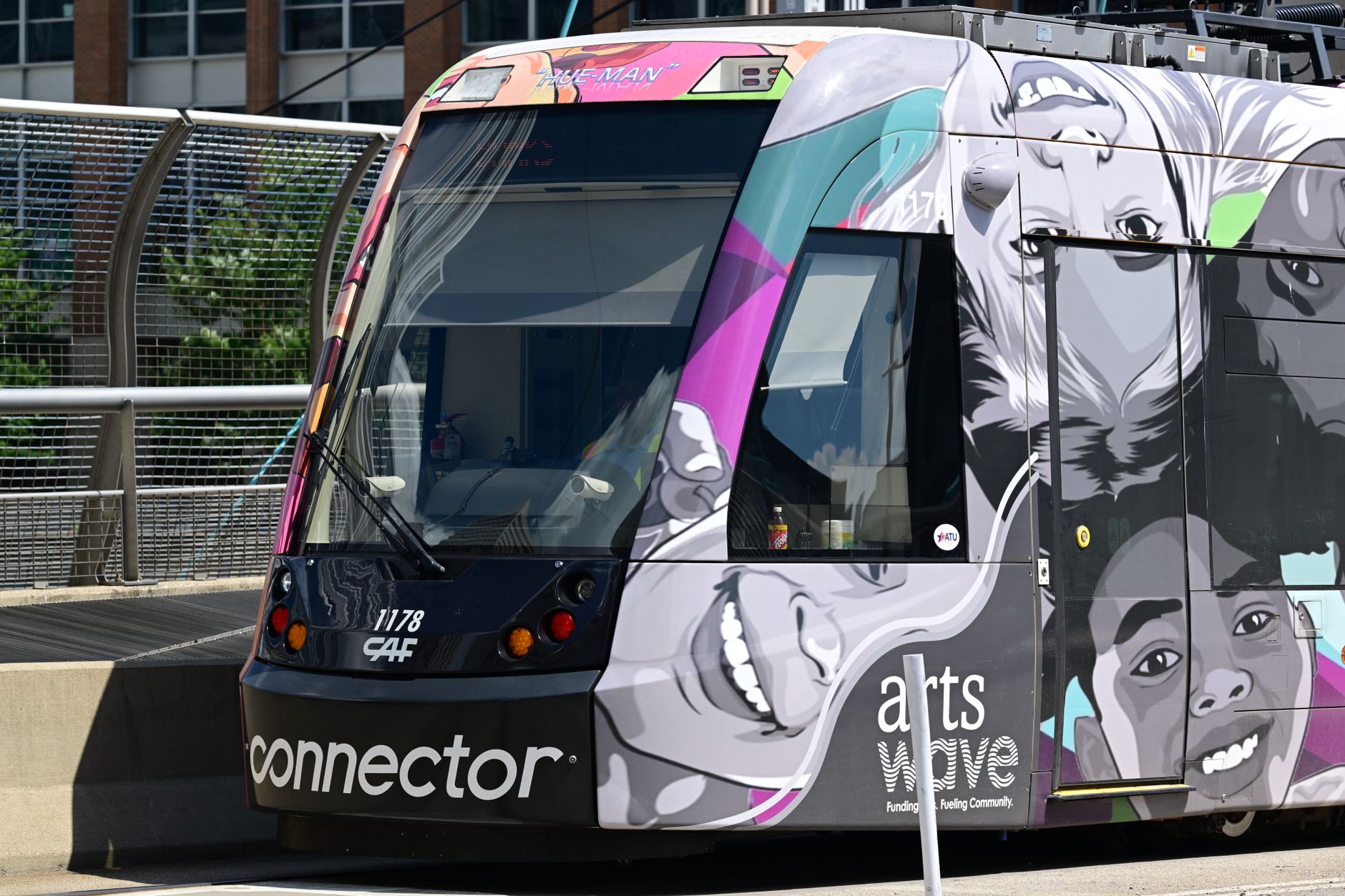
Public buses, trains, and light rail exist in most cities and many suburban areas. A monthly transit pass in a major city typically costs $30-$100, making each trip extremely cheap. Public transportation also offers the benefit of getting out into the community, seeing people, and maintaining cognitive engagement—you’re navigating routes, reading schedules, interacting with other passengers. For someone who enjoys that, transit is independence with a side benefit of social connection. Accessibility on public transit varies.
Newer buses have lifts or low floors for wheelchairs; older ones don’t. Trains may have elevators at some stations but not others. Stations can be crowded, confusing, or unsafe depending on time of day and location. An 80-year-old with balance issues might be terrified of falling when the bus stops suddenly, or of missing her stop because she couldn’t see the street sign clearly. The comparison here is important: public transit in Boston works very differently from public transit in Phoenix, which works completely differently from public transit in rural Kansas. Before assuming public transit is an option for you, visit a station, ride a few routes, and see if the physical reality matches your needs and comfort level.
PARATRANSIT AND MEDICAL TRANSPORTATION SERVICES
Paratransit is door-to-door service for people unable to use fixed-route public transportation due to disability. It’s required by the Americans with Disabilities Act, meaning it exists in nearly every community with public transit. You typically need to apply and be certified as eligible—based on a disability or chronic condition that prevents independent use of buses—and then you reserve rides 24 hours to a few days ahead. The cost is usually 2-3 times a single bus fare, so roughly $3-$6 per trip in most areas. The driver will help you on and off if needed. Rides are flexible—you can request the approximate time you want, and the driver fits you into a route with other passengers. The significant limitation is that paratransit requires advance planning.
If you wake up and decide to visit a friend, you can’t take paratransit—you need a reservation. Rides can take longer than you’d like because the driver may pick up or drop off other passengers. Wait times for pickup can be unpredictable. And you need to reapply and recertify periodically—the paperwork burden isn’t huge, but it exists. For routine medical appointments and regular outings, paratransit works well and preserves significant independence. For spontaneity, it’s limiting. Medical transportation services work similarly but specifically for healthcare appointments; many hospitals and health systems run volunteer driver programs or partner with local nonprofits to provide free or low-cost rides to appointments.

VOLUNTEER DRIVER NETWORKS AND COMMUNITY RESOURCES
Most communities have some form of volunteer driver program—through senior centers, churches, nonprofits, or local agencies. Drivers are typically trained volunteers who take people to appointments, groceries, social events, or other outings. The program is usually free or very low-cost (a suggested donation of $1-$5 is common). Quality varies tremendously depending on program funding, volunteer screening, and oversight. A well-run program with thorough background checks and driver training is a genuine lifeline. A poorly organized one might have drivers with minimal training or inconsistent reliability. A concrete example: Mrs.
Chen, 84, has no family nearby and doesn’t drive anymore. Her church has a volunteer driver program that takes her to church on Sunday, to her doctor appointments, and to the grocery store twice a month. The same volunteer has driven her for three years; they’ve developed a relationship. She pays $3 a month. Without this program, she would either be dependent on paying for every trip or moving into assisted living. These programs exist in most places but aren’t always well-known. Your local Area Agency on Aging can tell you what volunteer driver resources exist in your community.
PLANNING YOUR TRANSPORTATION FUTURE
Transportation independence isn’t something you figure out in a crisis. The time to explore options, understand what’s available where you live, and test different methods is while you still have choices and flexibility. If you’re 65 and still driving comfortably, you don’t need to change anything today. But you might want to check out the bus route to your grocery store, sign up for a volunteer driver program’s waiting list, or talk to your doctor about a driving assessment in a few years.
If you’re 75 or managing a health condition that affects your driving, now is the time to actively build a multimodal transportation strategy. Technology is also expanding options. Specialized ride-sharing apps and services aimed at older adults are emerging—some offer fall prevention features, driver training in working with mobility challenges, or priority support. Some communities are piloting autonomous shuttle services in limited areas. The landscape will keep shifting, but the fundamental principle remains: having multiple options, knowing what’s available locally, and making intentional choices about your transportation keeps you living independently longer than defaulting to one method and losing control when that method fails.
Conclusion
True transportation independence isn’t about driving forever; it’s about never being stuck without options. Whether you’re still driving, combining driving with ride-sharing, relying on public transit, or using paratransit and volunteer services, the key is having a plan that you’ve tested and that suits your current life. The worst time to figure out transportation is the day your doctor says you shouldn’t drive anymore or the night you have a fall and need help getting somewhere safe. Start now, wherever you are: If you drive, assess honestly.
If you don’t drive, test your local options. Talk to your doctor, visit your local Area Agency on Aging, check what public transit and paratransit exist nearby, and ask your community center or church about volunteer services. Your future independence depends partly on staying healthy, but it also depends on staying connected to the world. Transportation is how you do that.