
A safe kitchen setup for seniors combines three essential elements: accessible storage and appliances positioned at comfortable heights, clear visibility of cooking surfaces without glare, and safety features like anti-slip flooring and lever-style handles that work for arthritic hands. When 78-year-old Margaret reorganized her kitchen by moving frequently used items to waist-height shelves, installing pull-out drawers, and adding a motion-sensor light above her stove, she stopped relying on her daughter to prepare weeknight dinners and returned to cooking three meals a week independently—something she hadn’t done in two years due to frustration with her original kitchen layout.
The goal isn’t a complete renovation but strategic modifications that address the actual physical challenges seniors face: limited reach, weaker grip strength, balance concerns, and slower reaction times. A well-designed senior-friendly kitchen reduces the risk of falls, burns, cuts, and the kind of small accidents that can cascade into lost confidence and independence. Most changes cost under $500 and take a weekend to implement.
Table of Contents
- What Kitchen Modifications Matter Most for Safe Senior Cooking?
- Lighting, Visibility, and the Overlooked Role of Clear Sight Lines
- Grip, Strength, and Why Standard Handles Fail Seniors
- The Trade-Off Between Accessibility and Aesthetics (And Why It Matters Less Than You Think)
- The Hidden Risks of Induction Cooktops and Modern Appliances
- Storage Organization and Reducing Cognitive Load
- Seating, Rest, and the Role of a Stool in Safe Cooking
- Planning for Change and Future-Proofing Your Kitchen
- Conclusion
What Kitchen Modifications Matter Most for Safe Senior Cooking?
The most impactful changes address the three zones where seniors spend the most time: the counter workspace, the refrigerator and freezer, and the stovetop and oven. Counter height matters—the standard 36 inches works for many people, but seniors with arthritis in their knees, hips, or spine often need 38 to 42 inches to reduce bending and joint strain. If lowering or raising cabinets isn’t practical, simple solutions like pull-out shelves inside existing cabinets can bring items forward without requiring a full reach. One caregiver installed a rolling cart at 34 inches high beside her mother’s main counter; it became the primary workspace for meal prep because it required less bending than the standard countertop.
Refrigerator and freezer access is another critical zone. The standard freezer-on-top design forces seniors to bend or use a step stool—both significant fall risks. Side-by-side models put frequently used items like milk, butter, and vegetables at shoulder to waist height, cutting reach time and strain in half. For seniors who can’t replace their appliance, a small rolling freezer drawer or a labeled shelf at eye level in the main fridge (rotating less-used items below) achieves similar results. The cost difference between designs is often $300 to $600, making it a worthwhile investment if the senior is cooking regularly and needs to reduce daily risk.
Lighting, Visibility, and the Overlooked Role of Clear Sight Lines
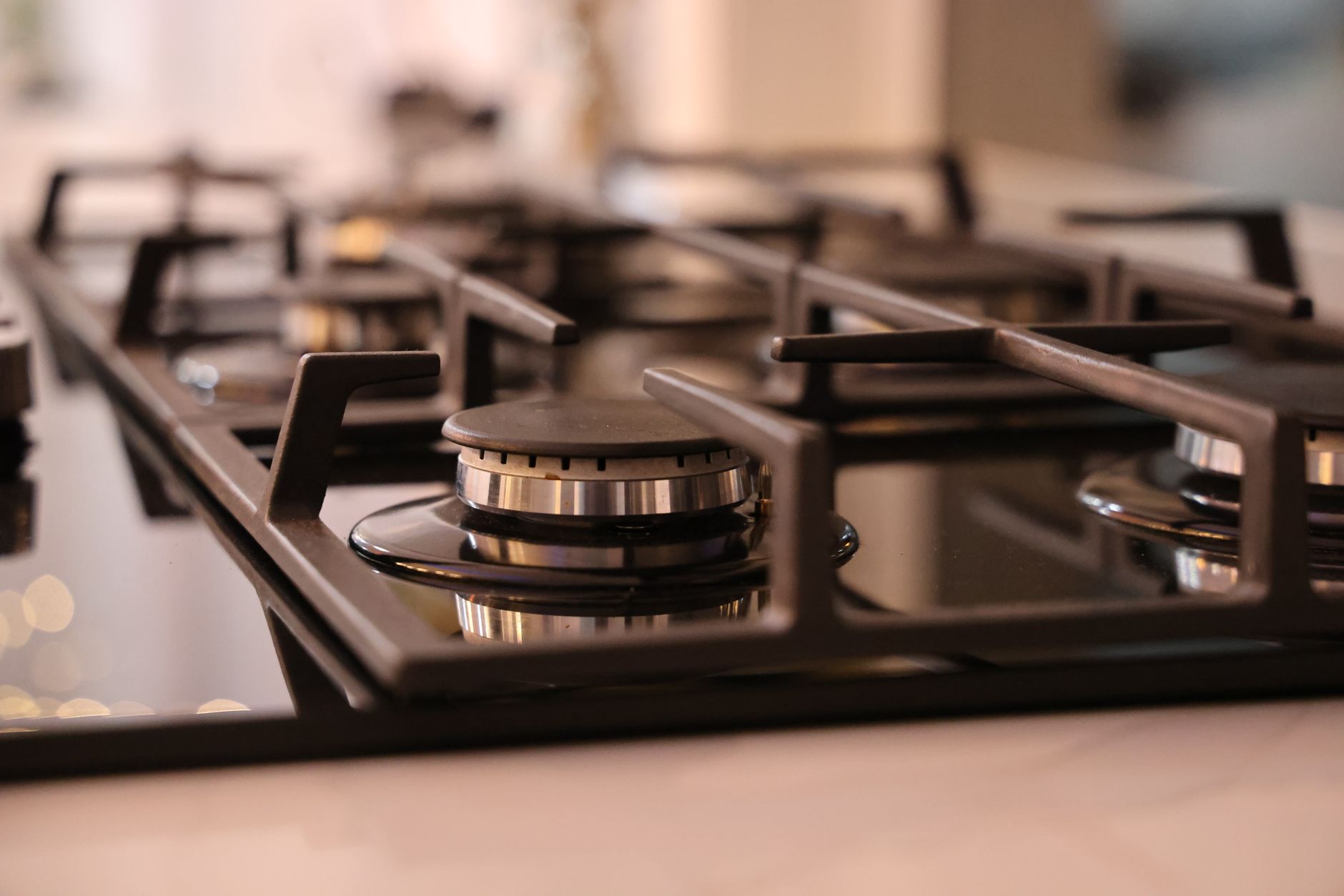
Poor lighting in kitchens is a silent hazard for seniors. Age-related changes in vision mean seniors need two to three times more light to see clearly than younger adults, and glare—which reflects sharply off white or reflective countertops and stovetops—actually reduces visibility rather than improving it. Many seniors turn down the stove heat or rush through cooking to finish before fatigue sets in; better lighting often has the opposite effect, allowing them to cook more deliberately and safely. One 82-year-old widower who frequently fell in his kitchen at dusk installed under-cabinet LED strips and a dimmable pendant light over his sink; his daughter reported that his cooking became visibly slower and more confident, and he stopped using his kitchen at times when light was poor.
The practical limit of visibility is that you can’t reduce risk below what a person’s actual eyesight allows. A senior with significant macular degeneration, for example, won’t benefit from brighter lighting in the same way someone with only presbyopia (age-related loss of near focus) will. Before investing in major lighting upgrades, ask the senior to describe what they struggle to see: Is it the markings on a dial? The color of onions they’re dicing? Whether water is boiling? Specific answers guide spending. Under-cabinet lighting costs $30 to $150 installed and is the best general improvement; pendant lights above the main counter run $50 to $300. Removing glass cabinet doors (which reflect light) and replacing them with open shelving or solid doors—or at least organizing items so the most-used bottles and containers sit in front—improves visibility without major cost.
Grip, Strength, and Why Standard Handles Fail Seniors
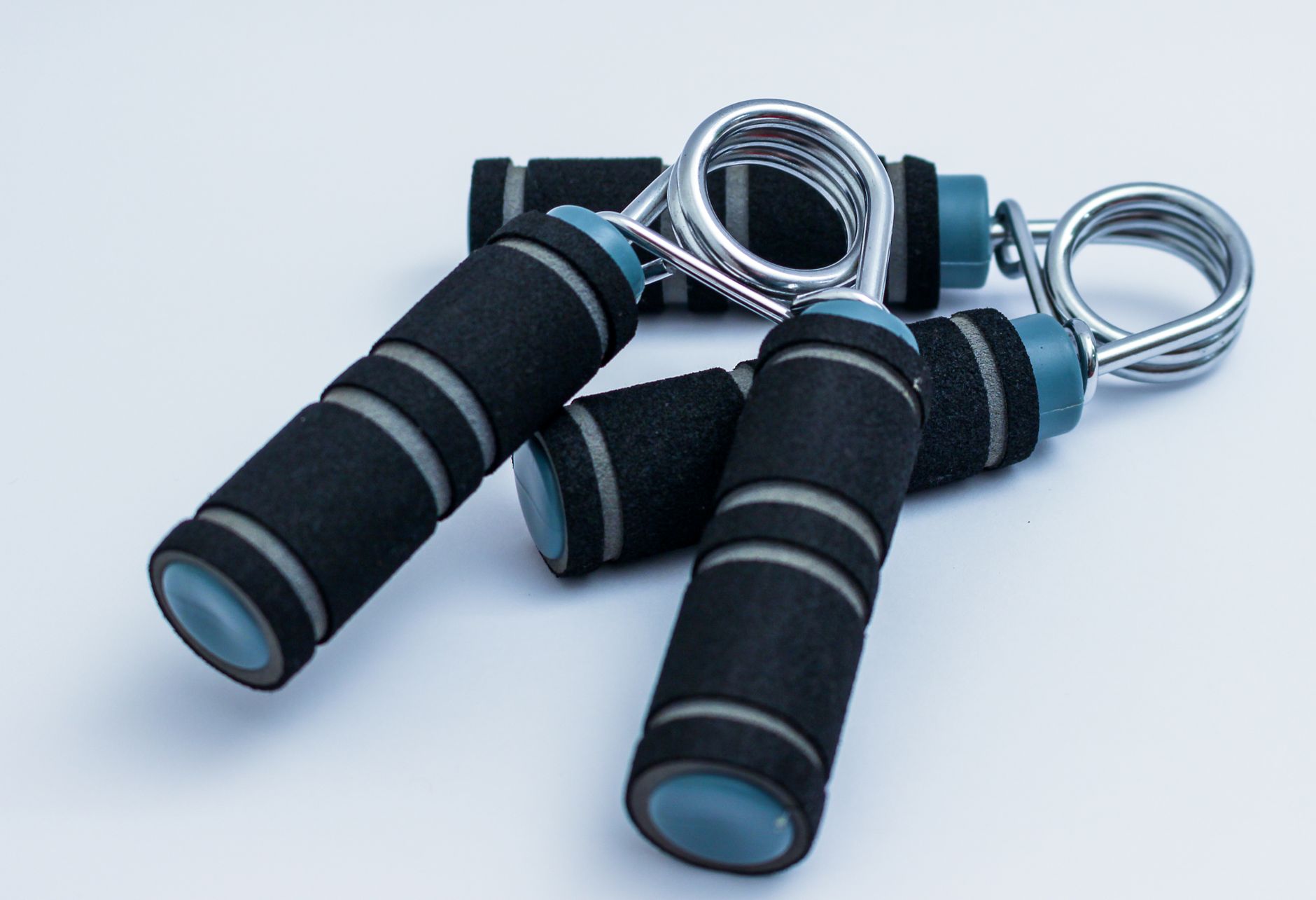
A standard kitchen faucet handle, cabinet pull, or stove knob requires pinch grip (thumb and two fingers) or wrist strength that many seniors with arthritis simply don’t have. This is why seniors often ask their caregivers to open jars, adjust the burner, or fill pots—not laziness, but genuine physical difficulty. Lever-style handles (like door handles in accessible buildings) work with the palm and forearm and are significantly easier for weakened hands. The difference is the same as trying to turn a doorknob with arthritic fingers versus pushing down on a lever; one is physically impossible for some people, and the other is manageable. A 76-year-old woman with rheumatoid arthritis who hadn’t cooked in four years switched to lever-style cabinet pulls, a pull-down sprayer faucet, and a stove with push-button or twist-grip controls, and within two weeks she was making simple lunches again.
Her daughter was shocked at the change, but the upgrade cost only $180 for pulls and handles, installed in an afternoon. One limitation: these modifications work best when combined with other changes. If the kitchen layout still requires excessive reaching or bending, lever handles alone won’t restore independence. Similarly, if grips are installed on cabinet doors that are difficult to reach or require repeated opening, the benefit diminishes. Occupational therapists often recommend starting with high-traffic items—the refrigerator, the stove, frequently opened drawers—and expanding from there based on observed difficulty.
The Trade-Off Between Accessibility and Aesthetics (And Why It Matters Less Than You Think)
Many adult children feel uncomfortable modifying a parent’s kitchen because grab bars, lever handles, and raised stool-free seating look clinical or age-focused, as if the home is announcing decline to visitors. This aesthetic hesitation can prevent necessary changes that would significantly improve safety and independence. In practice, lever handles on white cabinets look almost identical to standard knobs, grab bars can be designed in brushed steel or matte finishes that match modern kitchen aesthetics, and anti-slip flooring comes in elegant tile or wood-look options that don’t read as medical equipment. The real trade-off isn’t appearance but cost and reversibility. A high-contrast stair nosing (which prevents falls by making step edges visible) costs $20 per step but is permanent without some patching.
A shower chair costs $40 and takes two minutes to install or remove. Lever handles on cabinets cost $5 to $20 each but replace standard hardware that wears out anyway. When a 75-year-old’s children insist on waiting until she falls to make changes—claiming she’ll be “offended” by accessibility modifications—they’re essentially gambling with her independence and safety. The honest conversation is this: appearance anxiety is understandable, but it’s also reversible and secondary to preventing falls or giving up cooking. One daughter solved this by introducing kitchen changes as “upgrades for everyone”—lever handles as modern design, better lighting as energy-efficient, pull-out shelves as organization; her mother never viewed them as age-specific.
The Hidden Risks of Induction Cooktops and Modern Appliances
Many families upgrade a senior’s kitchen with modern appliances, thinking sleek and new equals safe. Induction cooktops, for example, are actually safer than gas (no open flame), faster, and easier to clean. However, they require cookware with ferromagnetic bases, have no visible heat indicator (the surface stays cool to the touch), and can be confusing to someone used to gas. A senior might tap the pot multiple times to check if it’s on, not realizing that induction is silent and the water is already simmering. Similarly, modern ovens with digital panels can be harder to use than older mechanical dials if vision is limited or cognitive processing is slower. The practical advice is to choose appliances that match how a senior actually cooks, not how they “should” cook.
If someone has used the same gas stove for forty years, switching to induction might introduce more risk than it reduces—they might stop cooking rather than navigating the learning curve. If a senior is dealing with cognitive decline (early dementia, for example), a stove with a simple knob and visible heat is safer than a touch-screen digital control, even if the touch-screen is technically more modern. When upgrading is necessary, test appliances first. Many kitchen showrooms let you use demo units, or rent a cooktop for a month before buying. One family installed a small portable induction plate alongside their mother’s gas stove; she could experiment with it at her own pace and default to gas when she was tired. After three months, she preferred the induction unit but the option to switch removed the pressure and anxiety.
Storage Organization and Reducing Cognitive Load
Beyond physical reach and strength, kitchen safety for seniors involves cognitive load—the mental effort required to remember where things are and what they’re doing. A disorganized kitchen where spices are scattered across four shelves, canned goods are stacked randomly, and the plating area is cluttered with gadgets demands constant decision-making and searching. This cognitive burden increases the risk of mistakes (using salt instead of sugar), spills, and even burns (a senior distracted by searching for a spatula might lean too close to a burner). The solution is simplified, labeled storage.
Items used daily (olive oil, salt, frequently eaten canned goods) go in one visible location. Less-used items sit in clearly labeled containers on secondary shelves. A small whiteboard on the cabinet listing “daily items here” can help if the senior has mild memory issues. This takes 2 to 3 hours for a full kitchen and costs almost nothing; it’s one of the highest-impact, lowest-cost changes possible. One occupational therapist described reorganizing a client’s kitchen and watching the senior’s cooking speed and confidence improve dramatically within the first week—not because anything fundamental changed about their abilities, but because their brain was no longer working in overdrive just to locate ingredients.
Seating, Rest, and the Role of a Stool in Safe Cooking
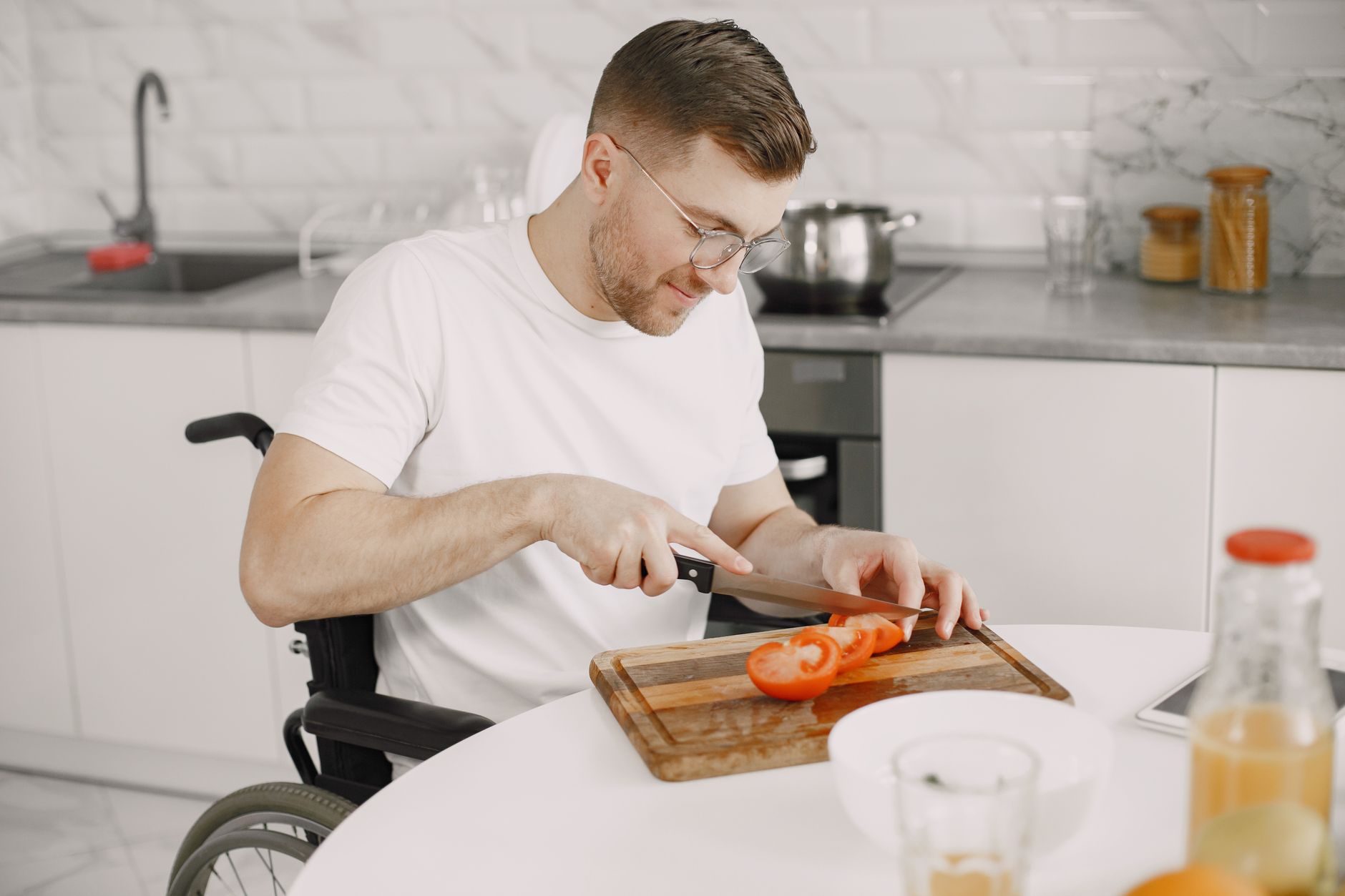
Seniors who become unsteady during long meal prep often compensate by rushing through cooking, which increases mistakes and injury risk. A tall stool (18 to 24 inches high) positioned at the main counter allows prep work while sitting, turning cooking from an all-standing activity into a mixed sitting and standing routine that’s sustainable for two to three hours rather than 20 minutes. This seems minor until you realize that a senior who has to finish lunch prep in 15 minutes because standing exhausts them is far more likely to grab hot items without thinking, misjudge distances while cutting, or forget ingredients mid-recipe.
Stools designed for kitchen work have a footrest (essential for stability) and ideally a backrest. A good kitchen stool costs $80 to $200 and should be tested for height at the specific counter where it will be used—a stool that’s too high or too low creates balance problems rather than solving them. A caregiver working with an occupational therapist discovered that her 80-year-old father, who’d given up cooking because of fatigue, was able to prepare simple dinners again once a properly sized stool was placed at his counter. He still stood for some tasks (managing the stove) but sat for 70% of the work, fundamentally changing his relationship with cooking.
Planning for Change and Future-Proofing Your Kitchen
Most seniors don’t need a fully accessible kitchen overnight; they need a kitchen that evolves as their needs change. The best approach is to start with high-impact, reversible changes (lighting, organization, a stool, lever handles) and observe what’s working and what isn’t after three to six months. A senior who begins using a stool and discovers they want to cook more might then invest in raised cabinets or a different refrigerator model.
Someone who improves their lighting might realize that glare from a glossy countertop is still an issue and consider a matte finish on the next replacement. This incremental approach also sidesteps the emotional barrier of “we’re making you age-in-place,” a phrase that sometimes triggers defensiveness or denial. Instead, it’s “let’s see if this helps” and “this tool made a real difference, so let’s build on it.” For adult children coordinating changes for aging parents, the forward-looking conversation includes questions like: Will they want to cook longer as they age? Are they experiencing early mobility or cognitive changes that suggest more comprehensive modifications? Is their current kitchen becoming a barrier to their independence or a source of stress? Answering those questions honestly drives spending decisions and prevents either under-investing (leaving someone unsafe) or over-renovating (spending money on changes they don’t actually need).
Conclusion
A safe kitchen for seniors isn’t about special equipment or drastic renovation—it’s about removing friction from the activities they care about. Better lighting, accessible storage, lever handles, and a stool cost less than $500 combined and address the actual physical challenges that discourage older adults from cooking. The outcome isn’t just safety; it’s confidence, independence, and the ability to continue doing something that many seniors find deeply meaningful.
When changes are introduced thoughtfully and tested over time, even modest modifications can restore the ability to cook that someone thought was gone. The first step isn’t hiring a contractor; it’s spending an afternoon observing: Where does the senior struggle? When do they ask for help? What makes them hesitate or rush through tasks? Those observations guide changes that will actually matter and address real barriers rather than theoretical ones. A kitchen designed around one person’s actual needs and preferences is far more likely to be used, and a senior who’s cooking regularly is a senior who’s maintaining independence, staying engaged with their home, and managing their own nutrition.