
A clear path through the house is one of the most overlooked yet powerful tools for protecting independence in older age. When hallways are uncluttered, doorways accessible, and routes to essential spaces—kitchen, bedroom, bathroom—are free from obstacles, an aging adult can move safely without asking for help. This isn’t about vanity or neatness; it’s about the difference between doing things yourself and depending on someone else to retrieve items, guide you through rooms, or catch you if you stumble. A person who can walk to the bathroom without navigating around stored boxes, can reach the kitchen without sidestepping furniture, and can move from bedroom to living area without hesitation maintains autonomy over their daily life in ways that go far beyond physical movement. Consider Margaret, a 78-year-old living alone in her three-bedroom house. Three years ago, her adult children encouraged her to “downsize mentally” by clearing unused rooms. She moved her bedroom to the ground floor, removed the guest bedroom furniture she rarely used, and straightened the hallways.
Within months, her falls dropped from three in a year to zero. She walked with more confidence, started inviting friends over without embarrassment about the clutter, and avoided the cascade of events—injury, hospitalization, rehabilitation—that typically ends independent living. Her clear paths didn’t just make her safer; they returned her autonomy. Without them, she would likely need a caregiver by now or be considering assisted living. Clear pathways directly reduce fall risk, which is the leading cause of both fatal and nonfatal trauma in adults over 65. But the protection extends beyond accident prevention: it preserves the ability to move independently, supports cognitive orientation in the home, enables someone with mobility aids to navigate without struggle, and allows aging adults to maintain the routines and rhythms that define independence. The financial, emotional, and health consequences of maintaining clear paths are substantial enough that they should be a priority in any conversation about aging in place.
Table of Contents
- HOW CLUTTERED PATHS INCREASE FALL RISK AND MOBILITY CHALLENGES
- CLEAR PATHWAYS REDUCE THE PHYSICAL AND COGNITIVE LOAD OF DAILY MOVEMENT
- HOW CLEAR PATHS SUPPORT INDEPENDENCE WITH MOBILITY AIDS AND ASSISTIVE DEVICES
- PRACTICAL STEPS TO CREATE AND MAINTAIN CLEAR PATHWAYS IN YOUR HOME
- COMMON OBSTACLES TO CLEAR PATHWAYS AND HOW TO OVERCOME THEM
- CLEAR PATHWAYS AND OVERNIGHT SAFETY
- CLEAR PATHWAYS AS PART OF A BROADER INDEPENDENCE STRATEGY
- Conclusion
- Frequently Asked Questions
HOW CLUTTERED PATHS INCREASE FALL RISK AND MOBILITY CHALLENGES
Falls are the leading cause of both injury death and nonfatal trauma in Americans aged 65 and older, and trip hazards in the home account for the majority of these incidents. A 2023 CDC analysis found that more than one in four older adults experiences a fall each year, and over 800,000 are hospitalized because of fall injuries. Many of these falls happen not on icy sidewalks or unfamiliar terrain, but in the home—in hallways, between the bedroom and bathroom, on the way to the kitchen. The obstacles are often small: a throw rug, a magazine left on the floor, a chair pulled slightly out from its usual spot, boxes stacked for “that project you’ll do someday,” or items left on stairs. To a 30-year-old, these are minor inconveniences. To someone with slower reflexes, weakened leg strength, or reduced balance (conditions that come with age, arthritis, or neurological changes), they are serious hazards.
The risk is magnified if the home inhabitant uses mobility aids like a walker or cane. A person with a walker needs wider hallways and clear sightlines to navigate safely; a single step created by a bunched rug or a stack of books can derail the wheels, causing a loss of balance. Someone using a cane needs to place their hand on railings and walls for stability, which means clear surfaces and unobstructed pathways. A person recovering from hip surgery or stroke rehabilitation who is learning to walk again cannot afford navigation challenges; each obstacle is a setback. Compare a hallway cluttered with storage boxes to the same hallway cleared: in one scenario, the person moves slowly and carefully, stopping to navigate around obstacles, pausing to regain balance. In the other, they move with purpose and confidence. The difference is not just comfort; it’s the difference between safe movement and risk.
CLEAR PATHWAYS REDUCE THE PHYSICAL AND COGNITIVE LOAD OF DAILY MOVEMENT
Aging and certain conditions affect balance, vision, and proprioception—the body’s awareness of where it is in space. These changes mean that an older adult must concentrate harder on walking, especially in unfamiliar or cluttered environments. This concentration is cognitively expensive; it uses up mental resources that could be directed elsewhere. A person navigating a clear, familiar path can walk automatically, allowing their brain to think about other things—what they’re cooking, a phone call they need to make, a book they’re reading. A person navigating a cluttered space must focus intensely on each step, watching for obstacles, planning movement, managing anxiety about falling.
This cognitive load contributes to slower walking speed, increased fatigue, and often leads to avoidance: rather than risk a walk through an obstacle course to reach the kitchen, an older adult might stay in one room all day, leading to deconditioning, mood decline, and accelerated loss of function. One limitation to acknowledge: simply clearing pathways is not sufficient for someone with advanced mobility loss or neurological conditions like Parkinson’s disease or late-stage arthritis. These individuals may benefit from professional home modifications like grab bars, ramps, or widened doorways, not just cleared paths. Additionally, some older adults resist clearing their homes, viewing possessions as important connections to the past or practical necessities (storage for items they believe they’ll need). These are legitimate concerns that require patience and thoughtful conversation, not dismissal. But for the majority of aging adults living independently, clearing and maintaining pathways is achievable, low-cost, and immediately protective.
HOW CLEAR PATHS SUPPORT INDEPENDENCE WITH MOBILITY AIDS AND ASSISTIVE DEVICES
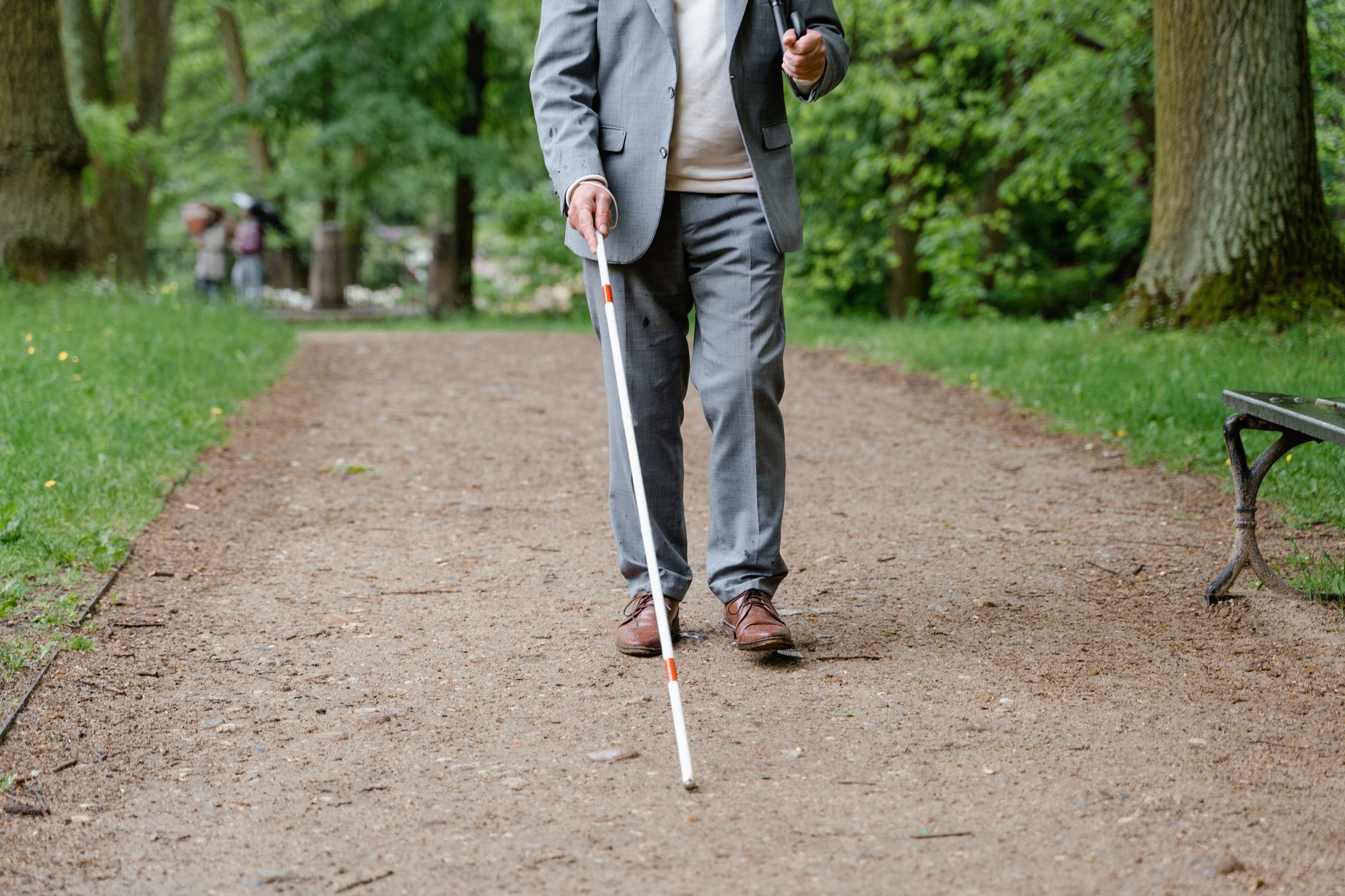
The use of walkers, canes, wheelchairs, and other mobility aids is increasingly common with age, and the home environment must accommodate this shift if the person is to remain independent. A walker that is 26 inches wide needs a hallway at least 32 inches wide to navigate safely and comfortably; most standard interior doorways are only 28-36 inches wide. A wheelchair requires 36 inches of clear space in hallways and much more in rooms to turn around. These specifications are not optional niceties; they are the difference between a person being able to move through their home and being confined to a single room or requiring a caregiver for all transitions. Beyond width, clear pathways mean no trip hazards that could snag wheels or caster legs.
Loose rugs, power cords draped across hallways, furniture with protruding legs, and clutter on floors create unpredictable dangers for someone with reduced balance or relying on a device. A person using a cane can stabilize themselves if they spot a hazard; someone using a walker or wheelchair has less ability to correct. Real-world example: An 82-year-old man using a rolling walker for knee arthritis continued to live independently in his home because his daughter helped him remove items from the hallway leading to his bedroom and bathroom. When he visited his son’s house, where clutter accumulated and items were stored in hallways, he felt unsafe and refused to use the bathroom or kitchen without constant assistance. The identical physical limitation produced vastly different independence outcomes depending on the physical environment.
PRACTICAL STEPS TO CREATE AND MAINTAIN CLEAR PATHWAYS IN YOUR HOME
The first step is to identify the essential pathways in your home—from bedroom to bathroom, bedroom to kitchen, living room to exits. These are the routes used multiple times per day and the ones most critical to maintain. Walk each route slowly, marking obstacles as you go: stored items, cords, rugs, furniture placement, doors that swing into the path. Ask a trusted friend or family member to walk the routes with you and point out hazards you might not notice because you navigate them on autopilot. Then, commit to removing or relocating items that block these pathways. This is not about complete decluttering; it is about protecting specific, high-use routes.
Create a comparison: the effort required to move three boxes of old tax returns out of a hallway (30 minutes) versus the time and heartache of recovering from a broken hip (six months to a year of rehabilitation, possible permanent loss of independence). Most people, when they see this comparison clearly, choose to clear the pathway. The tradeoff is temporary inconvenience—those boxes may need new storage locations—against long-term safety and independence. Establish a routine: weekly or monthly, walk your essential pathways and remove items that have accumulated. Ask family members and visitors to help maintain clear paths (don’t leave items on stairs or hallway floors). If you have cognitive changes that make it difficult to remember which items belong where, ask a family member to establish clear zones with labels or pictures.
COMMON OBSTACLES TO CLEAR PATHWAYS AND HOW TO OVERCOME THEM
Many people struggle to maintain clear pathways not because they don’t understand the safety value, but because clutter accumulates gradually and they lack storage alternatives. A person living in a small space or in a home never designed with storage may have legitimate difficulty finding places for items. Additionally, some adults become more attached to possessions with age, viewing them as anchors to the past or as insurance (“I might need this someday”). These are not character flaws; they are normal human responses to aging, loss, and uncertainty. But they should not override the safety imperative. A warning: avoid the trap of clearing pathways only to reaccumulate clutter within weeks.
This is common and frustrating for family members who see a freshly cleared hallway become blocked again. The solution is not just one-time clearing, but ongoing systems: a dedicated storage area in a garage or basement for items, a regular donation schedule, and family agreements about not leaving items in pathways. If someone in the household has mild cognitive impairment, this requires more active management. One approach is to assign a family member to do a brief pathway check weekly, in addition to the older adult’s own maintenance efforts. Another warning: do not remove items that belong to the older adult without permission or clear agreement, even with the best intentions. Loss of control over one’s home is deeply disempowering and can backfire, causing the person to refuse other helpful changes.
CLEAR PATHWAYS AND OVERNIGHT SAFETY
One scenario often overlooked is nighttime movement. Older adults wake multiple times per night, often to use the bathroom. The lighting, visibility, and obstacles that might be manageable during the day become hazards at night. A bedroom-to-bathroom pathway that is clear and familiar allows someone to move quickly and safely with minimal light.
If the pathway is cluttered, the person either turns on bright lights (which can be disorienting and lead to falls from balance adjustments) or moves very slowly in darkness, increasing fall risk. Installing motion-activated night lights along essential nighttime pathways, combined with clear routes, creates a powerful safety system. One example: a woman in her 80s with nocturia (frequent nighttime urination) was having multiple near-falls on the way to the bathroom at night. Her children cleared the hallway completely, added night lights, and installed a grab rail. These changes allowed her to move independently and safely at night, maintaining her sense of privacy and autonomy during a vulnerable time.
CLEAR PATHWAYS AS PART OF A BROADER INDEPENDENCE STRATEGY
Maintaining clear pathways is one component of aging in place successfully, not a solution by itself. It works best in combination with other strategies: regular physical activity to maintain strength and balance, regular vision and hearing checks, management of medications that affect balance, home safety evaluations by professionals, and adequate lighting throughout the home. Some older adults also benefit from home modifications like grab bars, raised toilet seats, or ramps. But among all these interventions, clear pathways stand out because they are low-cost, immediately achievable, and require no professional installation. They are an investment any aging adult can make unilaterally to protect their independence.
The broader insight is that independence in aging is not a single threshold you either cross or don’t; it’s a series of small, daily choices about how you move through your environment. Every cleared pathway is a choice to maintain capability. Every item removed from a hallway is a choice against future dependence. Collectively, these choices accumulate into the difference between aging in place successfully and aging in institutional settings. This is why the conversation about clear pathways matters: it’s not really about tidiness. It’s about the power to stay in your own home, on your own terms, for as long as possible.
Conclusion
A clear path through the house is protective infrastructure for independence. It reduces fall risk, supports the use of mobility aids, enables confident movement, and preserves the autonomy that defines aging in place. The work required to clear and maintain these pathways is small compared to the consequences of falls, injuries, and the cascade that often leads to loss of independence. For anyone aging in their own home, or for family members supporting an older adult, creating and maintaining clear pathways should be a priority.
Start with the high-use routes: bedroom to bathroom, kitchen, and exits. Remove obstacles, maintain pathways weekly, and involve family members in the process. If cognitive changes make maintenance difficult, build in regular family checks. The investment is time and some decisions about storage and possessions—a small price for maintaining the independence and dignity that come with living safely in your own home.
Frequently Asked Questions
What if I live in a small apartment and don’t have extra storage space?
Small spaces require ruthless prioritization. Keep only items you use regularly, donate things you haven’t used in a year, and use vertical storage (shelves, wall-mounted organizers) instead of floor-based clutter. If storage is truly impossible, consider whether moving to a space better suited to your needs might be necessary—an important decision to discuss with family and professionals.
I’m concerned about falls, but my family wants to keep items in hallways. How do I convince them?
Share specific fall statistics and ask them to walk your hallways and point out hazards. Show them a picture or example of a cleared versus cluttered hallway. Make it concrete, not abstract. Ask them: would you want to navigate this hallway in dim light or after taking a medication that affects balance?
How often should I check my pathways for hazards?
Weekly is ideal if possible, especially if you live with others or have cognitive changes. At minimum, do a full pathway check monthly. After any change in mobility (new walker, balance problems), do an immediate evaluation.
Are motion-activated night lights necessary, or are clear pathways enough?
Clear pathways are essential; night lights are a valuable addition. Night lights cost $10-20 and eliminate the need to turn on bright overhead lights, which can cause dizziness. The combination of clear paths and night lights is more protective than either alone.
What if I have a lot of sentimental items I don’t want to remove?
Move sentimental items to a bedroom or living area display rather than storage in pathways. Display them in a bookcase or shelf, where they serve an emotional purpose without blocking safe movement. This preserves what matters to you while protecting what matters for your independence.