
The habits you build in your 60s directly determine whether you’ll live independently in your 80s. This isn’t theoretical—it’s supported by decades of research from the Baltimore Longitudinal Study of Aging and similar cohorts. The critical window is right now: starting strength training, maintaining balance work, keeping your mind engaged, and staying connected to your community creates a buffer against the physical and cognitive decline that typically accelerates after 75.
A 62-year-old who walks 30 minutes five times a week and does basic resistance exercises twice weekly has dramatically different odds of aging in place compared to someone sedentary at 60 who tries to start a fitness routine at 75 when declining muscle mass and mobility make progress harder and injury risk higher. The difference between staying home independently and requiring institutional care often comes down to a single variable: whether you maintained enough strength and balance to recover from a fall or illness. Your 60s are when you still have the physical capacity to build resilience; by 80, you’re managing what you’ve already built, not creating new capabilities. This article outlines the seven habits that matter most, based on what geriatric specialists and gerontologists have identified as the strongest predictors of aging in place success.
Table of Contents
- Why Strength Training at 60 Matters More Than Cardiovascular Fitness for Staying Home at 80
- Cognitive Reserve: Why Mental Engagement at 60 Prevents Dependence at 80
- Balance and Fall Prevention: The Single Biggest Threat to Independent Living
- Preventative Healthcare: Building Your Medical Foundation While You’re Still Healthy
- Social Connection and Purpose: Why Isolation Accelerates Dependence More Than You’d Expect
- Home Modifications and Environmental Control: Making Independence Possible Before You Need It
- Building Accountability and Tracking Progress: How to Sustain These Habits When You’re Not Yet Facing Decline
- Conclusion
- Frequently Asked Questions
Why Strength Training at 60 Matters More Than Cardiovascular Fitness for Staying Home at 80
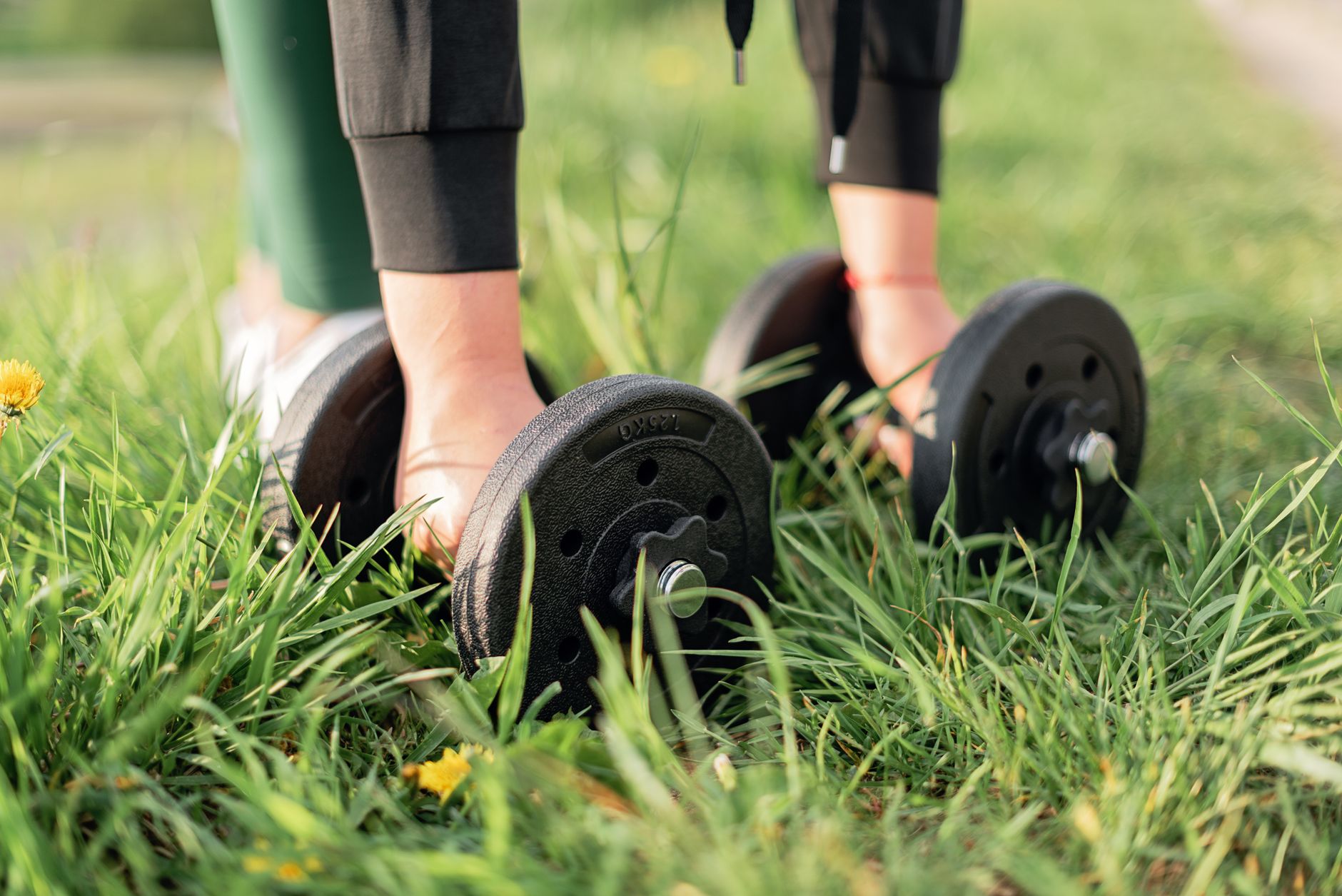
Most people think staying active means walking or cycling—cardiovascular exercise. But geriatricians know that muscle mass and strength are the actual gatekeepers of independence. After age 30, you lose about 3% to 8% of muscle mass per decade, accelerating after 60. The loss isn’t just about looking different; it’s about the specific muscles that prevent falls, allow you to stand from a chair without using your arms, and enable you to carry groceries or a laundry basket. A person with weak quadriceps and glutes can’t recover from a misstep.
A person with weak core muscles can’t maintain balance on an uneven surface. The difference between someone who does resistance training and someone who doesn’t becomes visible by 75. One study from Tufts University followed people into their 80s and found that those who incorporated resistance training starting in their 60s maintained the ability to rise from a chair, climb stairs, and walk without assistance—all things that allow people to live at home. The person who relied only on walking lost these abilities as muscle atrophy accelerated. This doesn’t require a gym membership or expensive equipment; bodyweight exercises (squats, lunges, push-ups, planks) performed twice weekly with progressive difficulty are effective. The limitation is that resistance training requires consistency; missing sessions for two or three weeks means noticeable strength loss, which is why routine matters more than intensity.
Cognitive Reserve: Why Mental Engagement at 60 Prevents Dependence at 80
Cognitive decline isn’t inevitable, but cognitive reserve—the brain’s ability to compensate for aging—is built through challenge and novelty, primarily before age 70. People who learn new skills, engage in complex mental work, and pursue intellectually demanding hobbies show dramatically slower cognitive decline and lower rates of dementia and mild cognitive impairment. The key word is “new”—doing the same crossword puzzle every day provides less protection than learning a language, taking up chess, or studying a subject that requires sustained focus. This matters for independence because cognitive decline leads to medication errors, difficulty managing finances, inability to recognize safety hazards in the home, and poor decision-making about health—all things that make living alone impossible.
A person with mild cognitive impairment can’t reliably take medications on schedule, manage a thermostat to avoid hypothermia, or recognize when symptoms require a doctor’s visit. Starting cognitive engagement at 60 means you’re building reserve when your brain is still highly plastic and capable of forming new neural pathways. The limitation here is that people often overestimate how much mental activity they’re actually getting; watching television or scrolling social media doesn’t build cognitive reserve. Engagement means active learning where you’re making mistakes, correcting them, and improving—something genuinely challenging to your current skill level.
Balance and Fall Prevention: The Single Biggest Threat to Independent Living
Falls are the leading injury-related cause of death for people over 65, and they’re also the leading cause of nonfatal trauma and hospital admission for this age group. A single serious fall—a hip fracture, for instance—often marks the transition from living independently to living in a care facility. The tragedy is that most falls are preventable through targeted balance training, and this training must start before you need it. Balance training at 60 builds the neuromuscular reflexes and proprioception (sense of where your body is in space) that prevent falls at 75 or 80, when reflexes naturally slow.
Tai chi, standing yoga poses, single-leg exercises, and even the simple act of standing on a balance beam or wobble pad for short periods strengthens the small stabilizer muscles and trains your nervous system to catch itself. Someone who practices balance work starting at 60 maintains the ability to catch themselves on a railing, step over an obstacle, or adjust their footing on a slippery surface. Someone who doesn’t will take a fall that someone else recovers from without serious injury. The warning here is that balance training must include some element of challenge and controlled instability; if exercises feel completely safe and stable, they’re not building the neural adaptations you need. Conversely, the risk of starting balance training too aggressively is a fall during training itself, which is why progression should be gradual and you should have something stable to hold onto.

Preventative Healthcare: Building Your Medical Foundation While You’re Still Healthy
Your 60s are when you should establish a relationship with a primary care doctor who actually knows you, complete all age-appropriate screenings, address chronic conditions like hypertension or high cholesterol, and get vaccines. None of this is glamorous or immediately rewarding, but it’s the infrastructure that prevents the cascade of health failures that force people into care. Someone who manages blood pressure and blood sugar in their 60s avoids the stroke, heart attack, or kidney damage that creates sudden dependence at 75. Someone who gets screened for cancer and addresses it early faces treatment and recovery, not a terminal diagnosis that accelerates decline. This is distinct from the acute-care medicine you might need after an accident or sudden illness. Preventative health is about closing the health gaps that exist now, before they become crises.
A comparison: two 60-year-olds, both otherwise similar. One gets their blood pressure managed, maintains a healthy weight, and doesn’t smoke. The other is sedentary, hypertensive, and continues smoking. By 75, the first person likely still has their independence. The second has likely had a stroke or heart event that left them with cognitive or physical impairment that makes living alone impossible. The limitation is that preventative care doesn’t guarantee anything—some people get screened for everything and still get sick—but the probability shifts dramatically in your favor.
Social Connection and Purpose: Why Isolation Accelerates Dependence More Than You’d Expect
Loneliness and social isolation are risk factors for mortality, cognitive decline, and disability that rival smoking, obesity, and physical inactivity. People with strong social connections live longer and maintain independence longer. But more than that, people who have roles, purpose, and reasons to stay engaged are more likely to maintain the habits that keep them independent. Someone who volunteers, takes classes, or stays involved in their community has reasons to get out of the house, maintain social skills, stay mentally sharp, and keep their physical abilities up. Someone isolated at home has fewer reasons to maintain fitness, more vulnerability to depression, and less likelihood of catching health problems early because they have fewer people checking in on them.
This isn’t about forced socializing or pretending to enjoy things you don’t. It’s about identifying communities or activities where you genuinely connect. This might be a running club, a knitting circle, a volunteer position, a book group, a community garden, or involvement in a faith community. The concrete difference shows up in the research: people with active social lives maintain independence longer, recover faster from illness, and have better health outcomes after surgery or hospitalization. One limitation is that if your current social circle is shrinking because friends are moving, dying, or also aging out of activities, you have to be intentional about building new connections, which takes effort and some vulnerability. But the alternative—isolation—is a predictable path to dependence.

Home Modifications and Environmental Control: Making Independence Possible Before You Need It
Your home can either support independence or force dependence. Bathrooms account for a huge portion of fall injuries, particularly around the toilet, tub, and shower. Installing grab bars, shower seats, and anti-slip flooring now—when you don’t strictly need them—means you’ll have them if you develop arthritis, balance problems, or temporary mobility issues after an injury. Removing tripping hazards like loose rugs and installing adequate lighting means you can navigate your home safely.
If stairs are a barrier, installing a stair lift or considering a single-floor living arrangement now is far easier than trying to manage it after a stroke or hip surgery has limited your mobility. The mistake most people make is waiting until there’s a specific problem to modify the home. Someone who stays home after a hip replacement needs grab bars installed quickly, which is expensive and disruptive. Someone who installed them at 60 doesn’t face that crisis. This is an area where the comparison is stark: aging in place in a home that supports your mobility is manageable; aging in a home with barriers you can no longer navigate is not.
Building Accountability and Tracking Progress: How to Sustain These Habits When You’re Not Yet Facing Decline
The challenge with starting these habits at 60 is that the benefit is hypothetical. You’re not currently struggling with strength, balance, or cognitive decline, so the motivation to maintain an exercise routine or cognitive engagement is abstract. The people who succeed are those who build accountability structures before they become optional. This might be a standing appointment with a trainer, a class you pay for in advance, a walking group where people expect you, or a volunteer commitment that depends on you showing up.
Tracking provides another layer of motivation. People who monitor their progress—reps completed, distance walked, languages learned—show better long-term adherence than those who “just exercise” without measurement. The easiest approach is finding activities you genuinely enjoy and communities where you belong, because then the activity isn’t a chore you’re doing for future health. It’s something you do because you want to. But if you can’t wait to enjoy it to start, creating external accountability will carry you until the habit solidifies and the benefits become visible.
Conclusion
The habits you need to start at 60 to stay home at 80 are straightforward: building and maintaining muscle strength, engaging your brain in challenging ways, practicing balance, managing your health preventatively, staying connected to people and communities, creating an environment that supports independence, and building accountability systems that make these habits sustainable. None of these is new or complicated; the barrier is that they require starting before decline makes them urgent, and maintaining them consistently even when the payoff is years away. The transition from independence to dependence rarely happens suddenly.
It’s a series of small losses—a fall that causes a fracture, a hospitalization that causes deconditioning, missed medical care that allows a condition to progress, social isolation that reduces motivation to maintain fitness. Each one is individually recoverable, but they accumulate. Starting now, at 60, means you’re building the resilience that lets you recover from the inevitable health challenges that come with aging. Your 80-year-old self will either thank you or regret the years you could have spent differently.
Frequently Asked Questions
Is it too late to start strength training if I’m 60 and have never exercised regularly?
No. Studies show that people who start resistance training even in their 60s or 70s build significant strength and maintain independence. Your starting point is behind someone who’s been training since 50, but the improvement is dramatic and rapid. The key is starting gradually to avoid injury and finding a form of training you’ll actually stick with.
Does cognitive engagement have to involve formal education or classes?
No. Learning a language, studying history, playing chess, building something complex, or even learning to use new technology builds cognitive reserve. The key is that it’s genuinely new to you and requires sustained focus and problem-solving. Passive activities like watching documentaries don’t provide the same benefit.
What if I have a chronic condition like arthritis or diabetes that limits my activity?
These conditions make the habits more important, not less. Modified exercise—swimming, water aerobics, or gentle yoga—is still protective. Managing blood sugar or blood pressure is still essential. Talk to your doctor about what’s safe, but don’t use a chronic condition as a reason to be sedentary; that accelerates decline.
How much social engagement is enough?
Research shows that having even one or two close relationships and some level of community involvement is protective. You don’t need an active social calendar; you need meaningful connection and reasons to engage with others.
Can I make up for lost time if I didn’t build these habits in my 60s?
You can still improve, but the timeline is compressed. Someone starting an exercise program at 75 will see benefits, but they won’t build the same reserve as someone who started at 60. Prevention is more efficient than recovery.
What’s the biggest mistake people make when trying to prepare for aging in place?
Assuming they have time to start later. Most people think they’ll get serious about fitness when they retire at 65 or 70, but declining health, energy, and motivation make it harder. The 60-year-old who starts now will have built the foundation that makes maintaining fitness at 70 or 80 manageable.