
Browse every active aging guide on Aging Independence, sorted by newest first.

How Many Steps Should Seniors Walk?
Most seniors should aim for 7,000 to 10,000 steps per day, though this target depends on individual health status, mobility level, and overall fitness.

Walking Every Day
Walking every day is one of the most effective ways to maintain independence as you age. Unlike gym memberships or expensive fitness programs, walking...
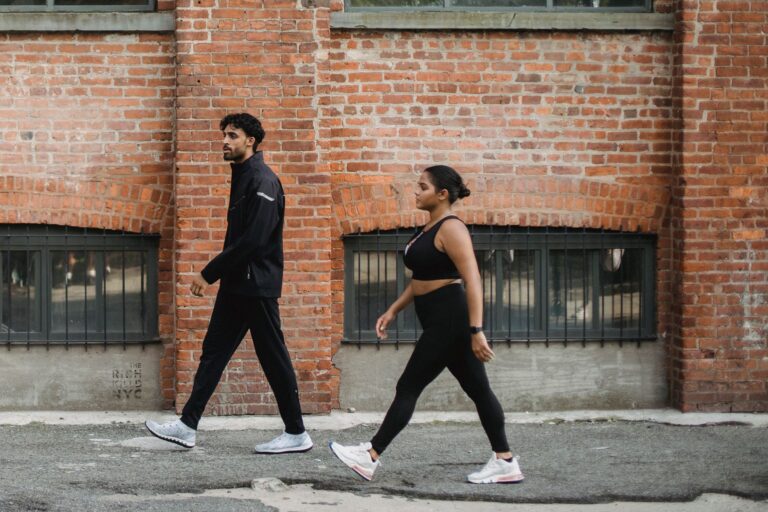
Best Walking Program
The best walking program for aging adults is one that matches your current fitness level, fits into your daily routine, and can be sustained…

Walking vs Running
Walking and running are not interchangeable activities—they differ fundamentally in impact, intensity, and risk.
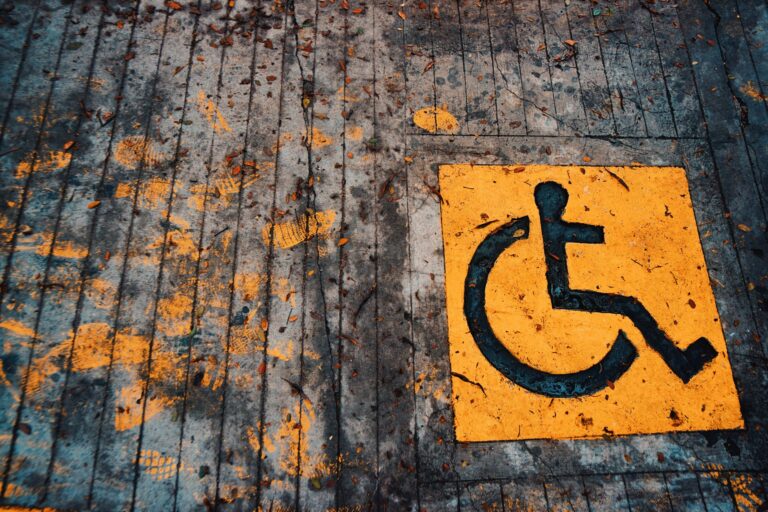
Signs Your Mobility Is Declining
Declining mobility in aging adults often begins subtly—a slight difficulty stepping up onto a curb, an extra second needed to stand from a chair,…

How Fast Should You Walk?
For most older adults, a walking pace between 2 and 3 miles per hour is comfortable and sustainable for daily activities.
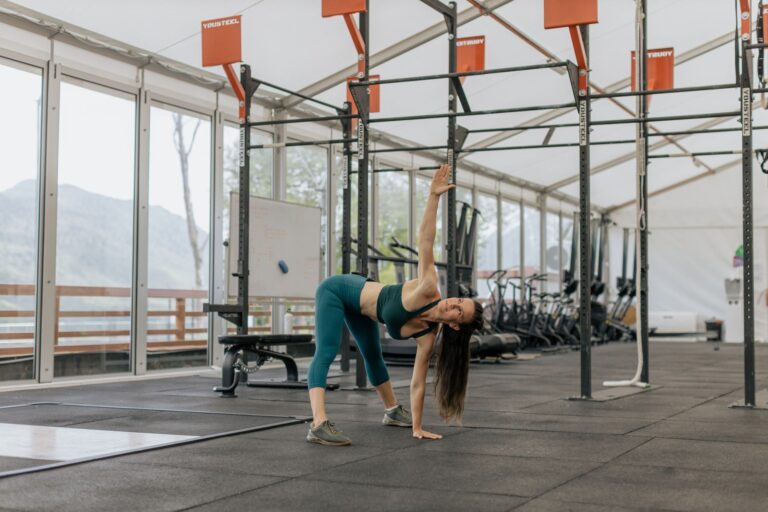
Mobility Tests Everyone Should Know
Mobility tests are standardized physical assessments that measure how well you can move, balance, and perform everyday activities.
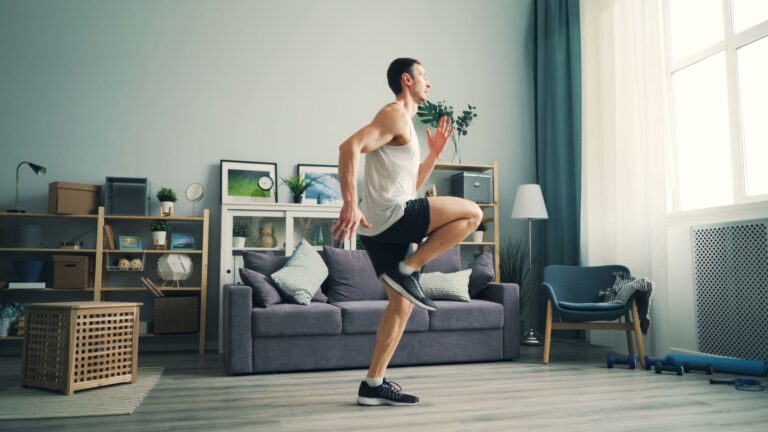
Best Home Exercises
The best home exercises are practical movements you can do safely in your living room, bedroom, or hallway without special equipment—routines that build...
Yoga for Better Balance
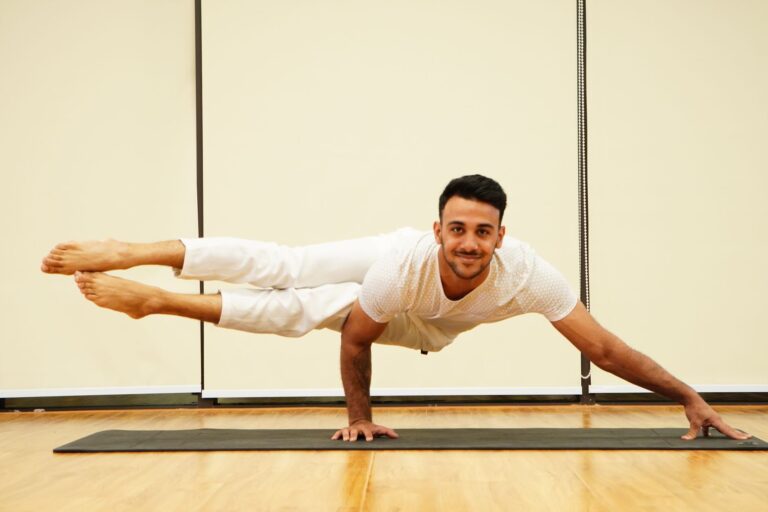
Yoga can improve your balance and reduce your fall risk through targeted poses that strengthen your legs, core, and ankles while training your body…

Tai Chi Benefits
Tai chi offers measurable benefits for balance, cardiovascular health, cognitive function, and fall prevention in older adults.
Best Core Exercises for Seniors
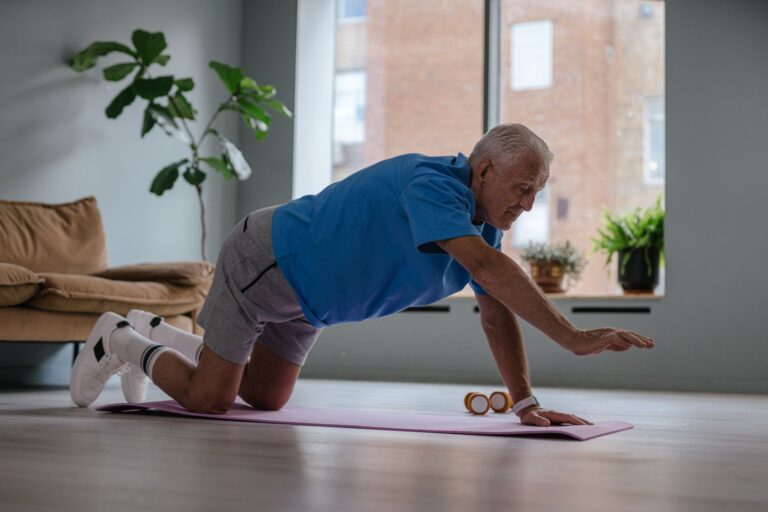
The best core exercises for seniors are those that improve balance, stability, and the ability to perform everyday tasks—like getting out of a chair,...
Why Grip Strength Matters
Grip strength is a direct measure of your ability to maintain independence in daily life. When your hands lose their strength, you lose the…

How to Reduce Fall Risk Naturally
Reducing fall risk naturally centers on three pillars: strengthening the muscles that keep you stable, improving the sensory systems that detect...

Walking With Confidence Again
Walking with confidence again after an injury, illness, or period of decline is possible, and it often starts with relearning the fundamentals of safe,...

Exercises to Improve Stability
Improving stability starts with targeted exercises that strengthen the muscles and systems your body relies on to maintain balance—your legs, core, and...

Standing Exercises Anyone Can Do
Standing exercises are simple movements you do while on your feet that build strength, improve balance, and help you stay independent as you age.
Best Balance Exercises for Beginners
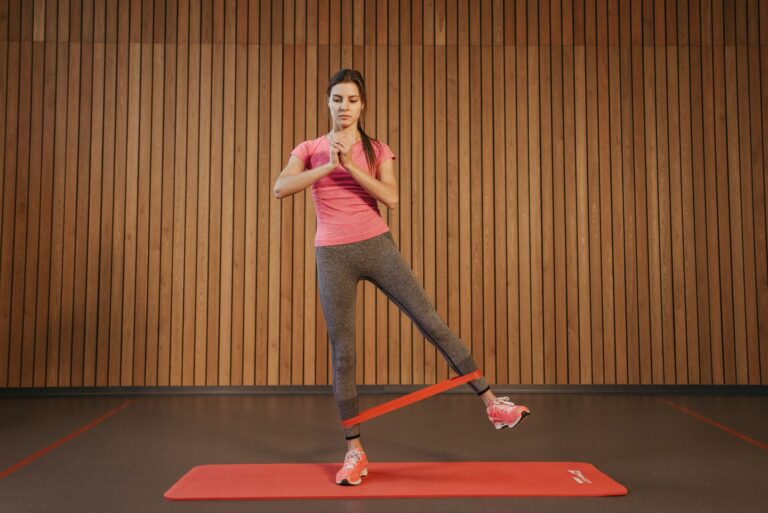
The best balance exercises for beginners are simple weight shifts, single-leg stands, and guided movements that gradually build stability without...
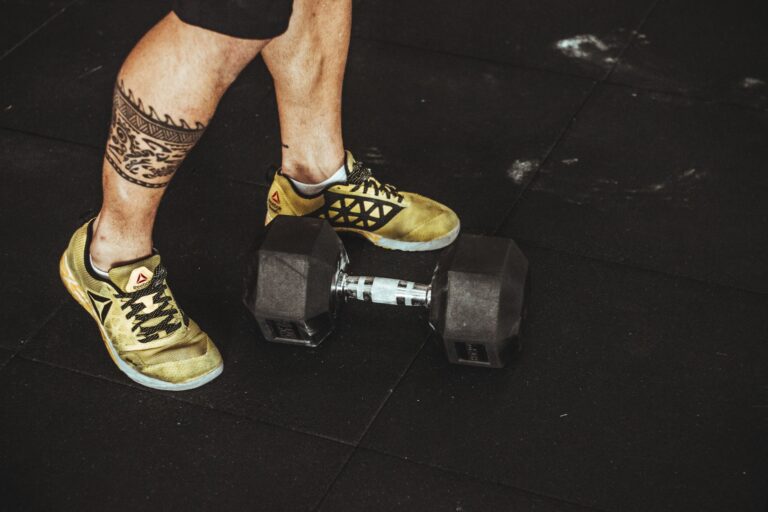
Why Leg Strength Is Critical
Leg strength is the single most important physical attribute for maintaining independence as you age.

Stretching Routine After 60
A stretching routine after 60 is essential for maintaining flexibility, reducing injury risk, and preserving the mobility you need for daily tasks—from...
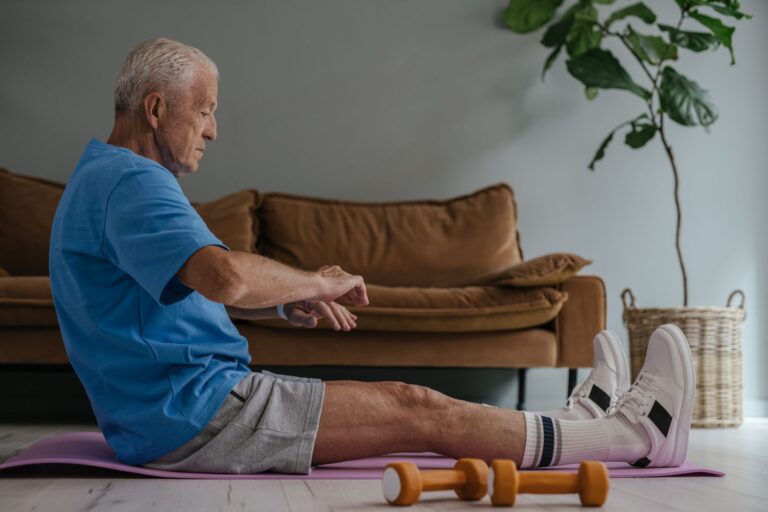
Chair Exercises for Older Adults
Chair exercises are a safe and effective way for older adults to build strength, improve balance, and maintain the independence needed for daily...

Improve Your Balance in 10 Minutes a Day
Yes, you can meaningfully improve your balance in just 10 minutes a day. Balance isn't fixed—it's a skill you can strengthen through targeted exercises...