
Standing exercises are simple movements you do while on your feet that build strength, improve balance, and help you stay independent as you age. These exercises don’t require equipment, don’t take much space, and can be done in your home or yard—they’re designed for people of all fitness levels, including those recovering from injury or managing chronic conditions. For example, a standing marching exercise where you lift your knees in place for 30 seconds a few times a day can improve your hip strength and help prevent falls, something many people over 65 struggle with.
The benefit of standing exercises is that they train your body for real-world movement. When you practice standing on one foot for balance or doing slow squats, you’re preparing your body for the actual movements you make every day—getting out of a chair, walking to the kitchen, or climbing stairs. Unlike sitting exercises, standing work engages your core, legs, and balance system all at once, which is why even a 10-minute routine a few times per week can make a noticeable difference in how steady and capable you feel.
Table of Contents
- Why Standing Exercises Matter for Staying Independent
- How Balance and Core Strength Work Together
- Common Standing Exercises for Real-World Strength
- Creating a Standing Exercise Routine That Works
- When Standing Exercises Are Challenging and How to Adapt
- Balance Training as a Core Component
- Long-Term Benefits and the Path Forward
- Conclusion
Why Standing Exercises Matter for Staying Independent
Standing exercises are one of the most direct ways to maintain the strength and balance you need to stay in your own home. Falls are a leading cause of injury in older adults, and they often happen during simple movements like reaching, stepping, or turning—exactly the movements standing exercises train. By practicing these motions regularly, you build what physical therapists call “functional strength,” which means strength that actually helps you live your life, not just strength measured on a machine. The difference between sitting exercises and standing exercises is significant.
When you sit, gravity supports you and your balance system doesn’t have to work. When you stand, your body activates dozens of small muscles just to keep you upright, and that activation is what strengthens you. A person doing sitting leg lifts builds leg muscles, but someone doing standing marches or slow squats builds leg muscles plus balance and postural control. This combination is critical for preventing falls and maintaining confidence in your movement.
How Balance and Core Strength Work Together
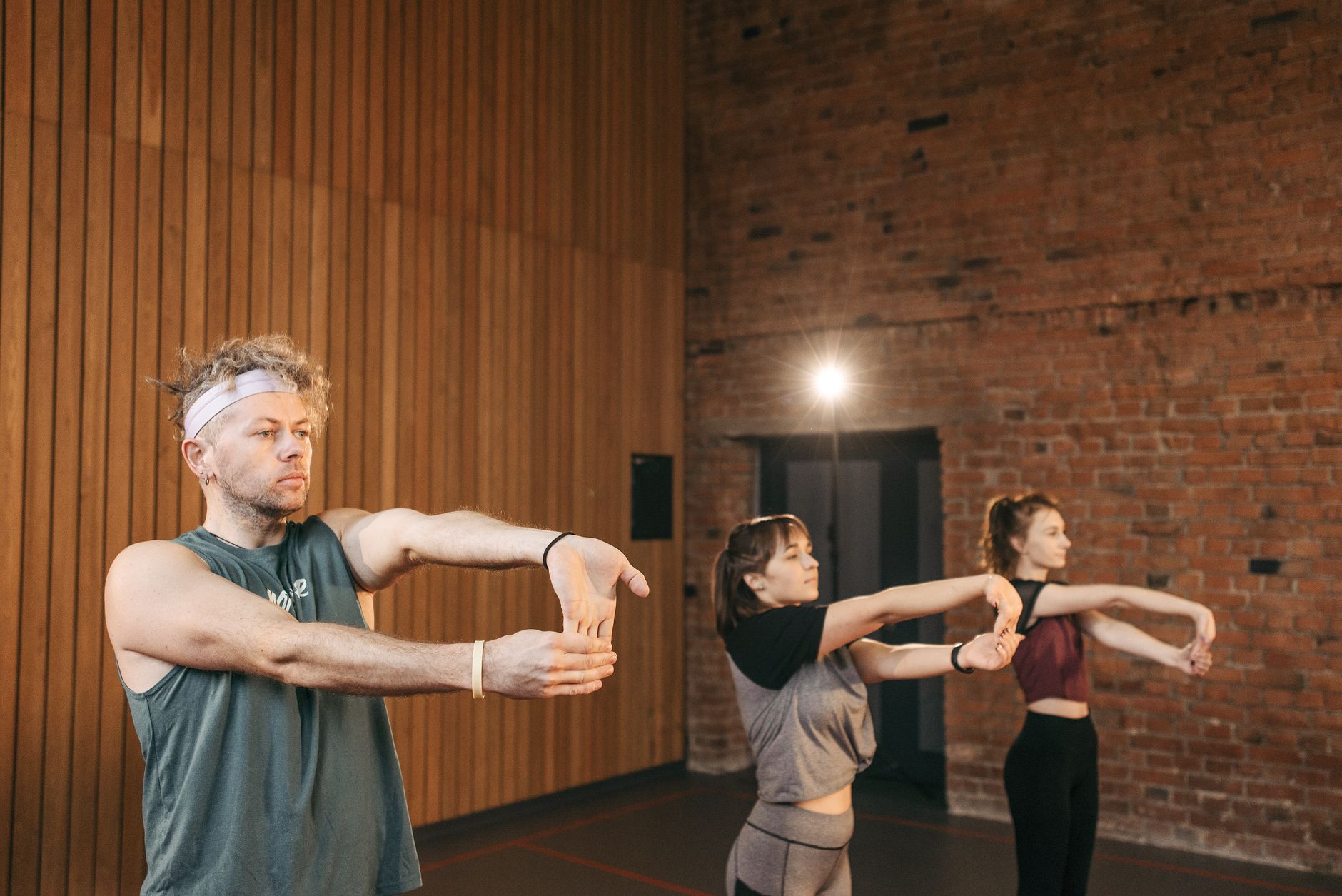
Standing exercises force your body to engage your core—the deep muscles around your spine and pelvis that act like a corset keeping you upright and stable. Your core is what allows you to balance on one foot, turn without losing your footing, or recover if you stumble. Many people assume they can only strengthen their core by doing crunches or planks, but actually, any standing exercise that challenges your stability—like standing on one leg or doing a slow lunge—activates your core more than sitting exercises ever could.
One important limitation is that standing exercises can be risky if you don’t have something stable to hold onto, especially when you’re starting out or if you have balance problems. This is why it’s essential to do these exercises near a counter, chair, or wall. If you have significant balance issues, vertigo, or have had recent falls, you should check with a doctor or physical therapist before starting, because an injury from falling during exercise defeats the purpose. A person with severe arthritis in their knees might also find that some standing exercises are painful and need modifications.
Common Standing Exercises for Real-World Strength
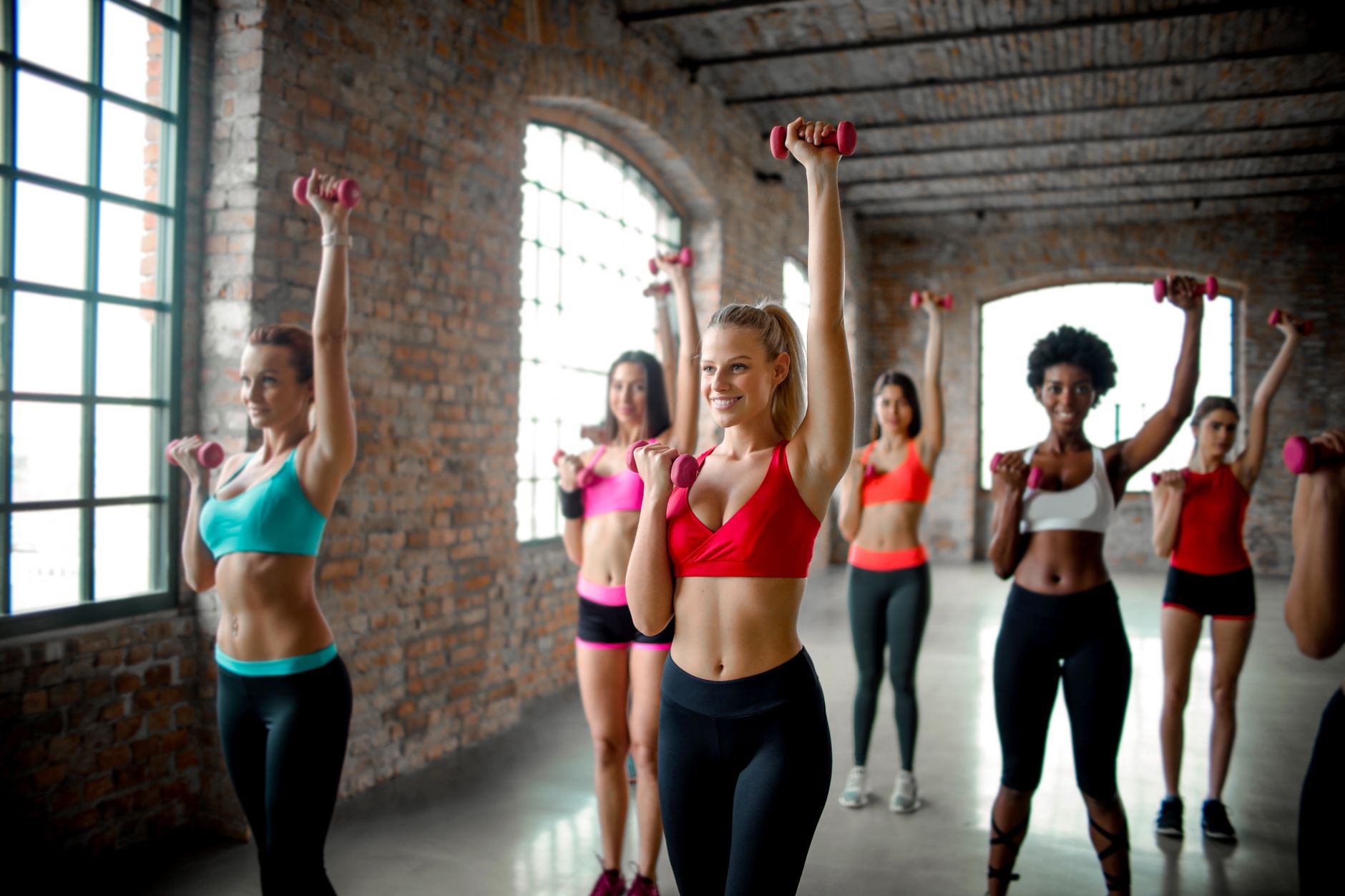
The most effective standing exercises are the ones that mimic everyday movements. Standing marches—where you lift your knees in place as if walking—work your hip flexors and help with balance. Wall push-ups, done with your hands on a wall instead of the ground, build upper body and core strength without the fall risk of a traditional push-up. Slow squats, where you lower yourself down as if sitting into a chair and then stand back up, strengthen your legs and teach your body the movement pattern you use dozens of times a day when standing and sitting.
Another valuable exercise is the tandem stance or semi-tandem stance, where you stand with one foot slightly in front of the other, or eventually progress to heel-to-toe alignment. This trains your balance system directly. For example, someone who feels unsteady when reaching for something in a high cupboard might practice the tandem stance for 20 seconds at a time, several times a day, until their balance improves enough to reach safely. Side-lying leg lifts while standing, where you hold onto a chair and lift one leg out to the side, strengthen the hip abductors that stabilize you when you’re walking or standing on one foot.
Creating a Standing Exercise Routine That Works
A practical routine doesn’t have to be long—even 10 minutes a few times per week can produce results. You might do two minutes of standing marches, two minutes of wall push-ups, three minutes of slow squats (doing them for 30 seconds at a time with rest between), and three minutes of balance work like the tandem stance. The key is consistency, not intensity. A person who does 10 minutes three times a week will get better results than someone who tries to do 30 minutes once and then stops because they’re sore or tired.
The tradeoff with standing exercises is that they require stability equipment and space, unlike some sitting exercises you can do in a chair. You need at least a sturdy chair or counter, and ideally some open floor space to move in. If you live in a small space or don’t have accessible furniture, this limits your options. However, most people can modify their environment—a kitchen counter or bathroom sink can work fine for balance exercises, and the space needed for marching in place is minimal. Starting slowly and building up over weeks also prevents the soreness that makes people give up.
When Standing Exercises Are Challenging and How to Adapt
Arthritis, neuropathy, and other chronic conditions can make standing exercises difficult. If you have painful knees, full squats might be too much, but partial squats or just practicing the sit-to-stand motion without lowering all the way down will still build strength. If you have numbness in your feet from neuropathy, balance exercises become more important but also more challenging—this is when holding onto something sturdy and working with shorter durations (even 10-15 seconds at a time) makes sense.
One warning: if you have heart condition, diabetes, or are on medications that affect blood pressure or balance, you should talk to your doctor before starting a standing exercise routine. Some people experience dizziness when standing, especially if they stand up too quickly after sitting, and this can make standing exercises unsafe without medical guidance. Another limitation is that very deconditioned people or those with severe mobility problems might need to start with sitting exercises or chair-based standing work (where you hold a chair but don’t put full weight through your legs) before progressing to independent standing exercises.
Balance Training as a Core Component
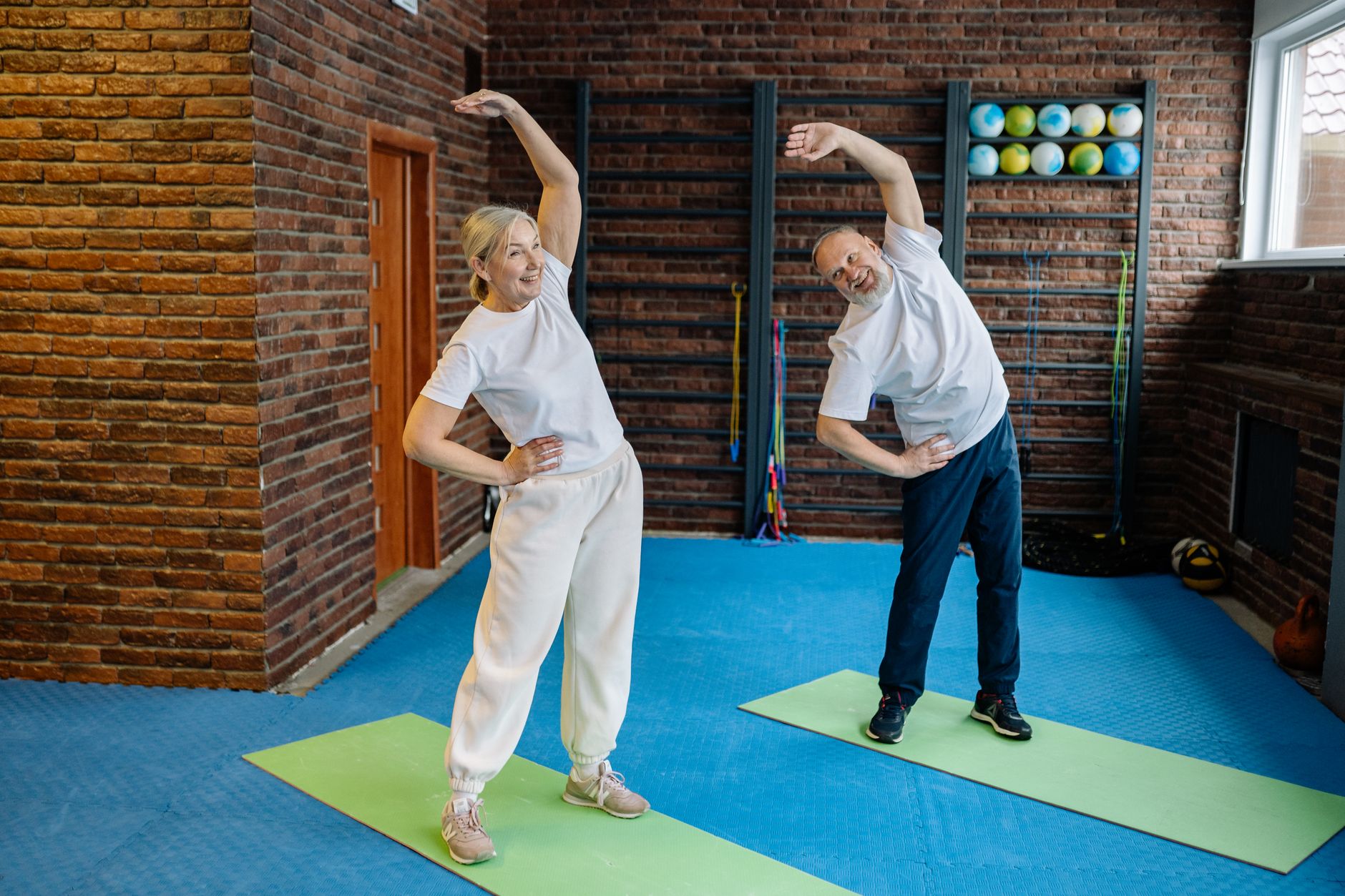
Balance training is the most important part of standing exercises if you want to prevent falls. Many people don’t realize that balance is a skill you can improve at any age—your body adapts and gets better at staying upright when you practice. Simple balance progressions start with standing near a wall with one hand touching it lightly, then progress to using just one finger, then to standing without touching, then to doing it with eyes closed. The progression takes weeks, but each step makes you demonstrably steadier.
A concrete example: a person who feels wobbly reaching into a high cupboard might spend two weeks practicing the tandem stance for 30 seconds a few times a day. After two weeks, they notice they can reach into that cupboard without feeling as anxious. This kind of improvement is real and measurable in daily life, not just in a physical therapy clinic. The body adapts quickly to practice, even in people in their 70s, 80s, and beyond.
Long-Term Benefits and the Path Forward
Regular standing exercises create a positive cycle: as you get stronger and more confident, you move more, which keeps you stronger. This is how people stay independent in their own homes. The goal isn’t fitness achievement or athletic performance—it’s the ability to reach, bend, stand, step, and balance safely in your daily life. People who maintain standing exercise routines often report feeling less anxious about falling and more confident doing the activities they care about, whether that’s gardening, visiting family, or managing their home.
The long-term outlook for anyone starting a standing exercise routine is encouraging. Physical capacity doesn’t inevitably decline with age the way many people assume. It declines when you stop using your body, but when you practice standing exercises consistently, you can maintain or even improve your strength and balance well into your 80s and beyond. The key is starting before you have a crisis and maintaining consistency. Your body will adapt and reward the effort with a better quality of life.
Conclusion
Standing exercises are a practical, equipment-free way to maintain the strength and balance you need to stay independent. They work because they train your body for real movements you make every day, and they can be adapted for nearly any age or fitness level. Whether you’re working to prevent falls, recover from an injury, or simply maintain the ability to do the activities you care about, a simple 10-minute routine a few times per week can make a significant difference.
The next step is to pick one or two exercises to start with—perhaps standing marches and a slow squat—and do them consistently for two weeks. If you have balance concerns, heart issues, or other health conditions, check with your doctor first. Most people find that after a few weeks of practice, movements that felt unstable or difficult become noticeably easier and more confident. That’s when you know the exercises are working.