
Yoga can improve your balance and reduce your fall risk through targeted poses that strengthen your legs, core, and ankles while training your body to sense where it is in space. Falls are one of the leading causes of injury among older adults—one in four people over 65 falls each year—and many of these falls happen because balance deteriorates without regular exercise. A consistent yoga practice, even just 20 to 30 minutes two or three times a week, can rebuild proprioception (your body’s awareness of its position) and stabilize muscles that keep you upright during daily activities like reaching for items on a shelf, standing up from a chair, or walking on uneven ground. Yoga differs from generic balance exercises because it combines strengthening, flexibility, and mindfulness in one practice.
Unlike isolated balance training at physical therapy, yoga addresses multiple systems at once: it lengthens tight hip flexors that pull you forward out of alignment, strengthens the small stabilizer muscles around your ankles and knees, and trains your mind to stay calm and focused when your body feels unstable. An 87-year-old woman in Seattle reported that after eight weeks of gentle yoga, she could pick up her grandchild without feeling dizzy and no longer needed to hold onto the wall when walking through her house at night. The evidence is substantial. Research published in the American Journal of Geriatric Psychiatry found that regular yoga practice reduced fall risk by 35 percent in a group of community-dwelling older adults, and participants also reported greater confidence in their ability to move without falling.
Table of Contents
- Which Yoga Poses Work Best for Balance and Fall Prevention?
- Why Traditional Balance Training Might Not Be Enough
- How Proprioception Retraining Works Through Yoga
- Gentle Yoga Versus Vigorous Styles for Safety
- When Yoga Alone Isn’t Enough and You Need Additional Help
- Setting Up Your Home Practice Space for Safety
- Building a Sustainable Practice That Lasts
- Conclusion
- Frequently Asked Questions
Which Yoga Poses Work Best for Balance and Fall Prevention?
The most effective poses for balance are those that challenge your stability in controlled ways. Tree pose (Vrksasana), where you stand on one leg with the other foot placed on your inner thigh, trains your ankles and hips to work together. Warrior poses, especially Warrior I and Warrior II, build leg strength in all directions while keeping your center of gravity low. Mountain pose (Tadasana) seems simple—you just stand with your feet hip-width apart—but it retrains you to stand in proper alignment, which is the foundation for every other balance skill.
Many older adults are surprised to learn that they need to practice falling during yoga, not just standing poses. Poses done on hands and knees or with hands supported on a wall simulate the reflexes you need if you do start to slip. Kneeling poses and modified planks wake up the muscles that catch you when your center of gravity shifts unexpectedly. A physical therapist in Portland integrates “safe fall simulation” into her yoga classes by having students practice lowering themselves to the floor intentionally, then getting back up using correct form—a skill that could prevent a full-force fall if they do lose their balance.
Why Traditional Balance Training Might Not Be Enough
Balance exercises alone, like standing on one leg or walking heel-to-toe, improve your technical balance but often leave out the emotional component—fear of falling. Yoga reduces what therapists call “fall anxiety,” which paradoxically increases your actual fall risk because fear makes you tense, rigid, and less able to respond. Additionally, many traditional balance exercises bore people into quitting after a few weeks. Yoga keeps engagement higher because the practice feels like self-care, not punishment, and because your body and mind improve together.
One limitation worth knowing: yoga does not replace medical treatment for balance disorders caused by neurological conditions like Parkinson’s disease or inner ear problems like vertigo. If your balance loss comes from medication side effects, inner ear dysfunction, or nerve damage, you should get medical evaluation first. Yoga can be part of a treatment plan, but it cannot cure the underlying cause. An 74-year-old man with BPPV (benign paroxysmal positional vertigo) found that yoga helped his overall stability, but his specific spinning episodes required Epley maneuver exercises prescribed by his audiologist.
How Proprioception Retraining Works Through Yoga
Proprioception is your body’s ability to sense its position without looking—you know where your feet are on the ground even with your eyes closed. As you age, your proprioceptors (sensory nerve endings in muscles and joints) become less responsive, which is why you suddenly feel “clumsy” or misjudge distances. Yoga retrains these nerve endings through repetition and attention. When you hold a one-legged pose and really feel where your standing foot contacts the floor, where your hip is stacked over your ankle, and how your gaze (drishti) stays steady, you are literally rebuilding your proprioceptive map. Practicing yoga with your eyes closed for even 10 seconds at a time is remarkably challenging for older adults who have not done this kind of training.
That difficulty is actually good—it means you are working exactly where you need to work. Over four to six weeks of practice, what felt impossible becomes easy. You begin to notice if you are leaning slightly forward without looking at your feet. Your ankle responds more quickly if your weight begins to shift. A retired nurse in Minneapolis started gentle yoga and said that after two months, her body felt “connected again” and she could navigate her kitchen in the dark without fear.
Gentle Yoga Versus Vigorous Styles for Safety
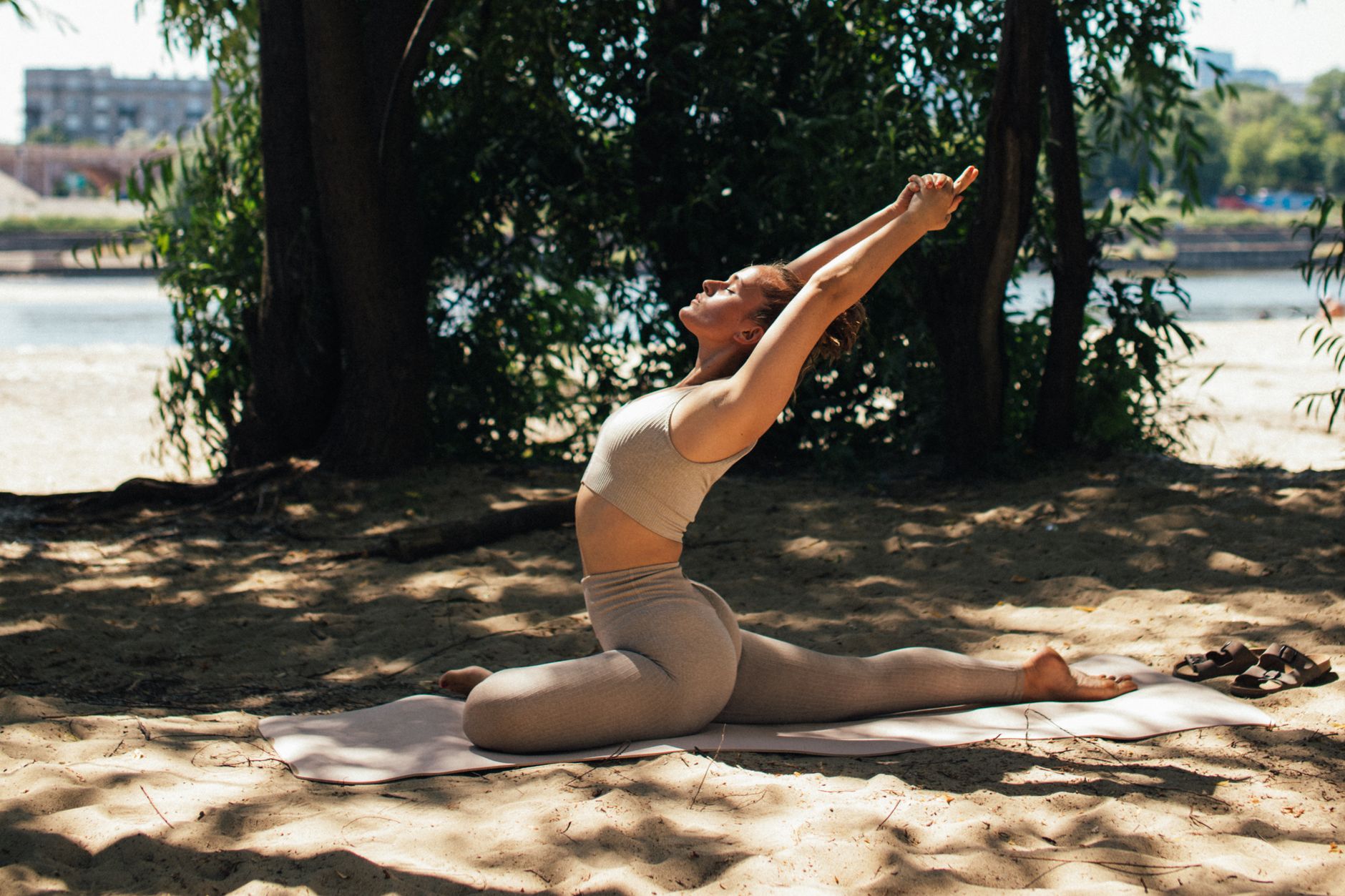
Yin yoga and gentle hatha yoga are safer starting points for older adults because they hold poses longer (two to five minutes) and do not rush through movements. These styles give your nervous system time to adapt and teach stability at a slower pace. Faster styles like vinyasa or power yoga, where you move through poses with each breath, can be done by active older adults but carry higher injury risk if your balance is already compromised.
You cannot recover from losing your balance as quickly when you are transitioning rapidly between poses. The tradeoff is that gentle yoga builds strength and balance more slowly than vigorous styles, but it builds steadier foundations with lower injury risk. If you have already had falls or fear falling, starting with gentle yoga for two to three months before advancing is the safer path. Many teachers recommend combining gentle yoga (three days a week) with short, targeted strengthening exercises on the other days for a well-rounded approach.
When Yoga Alone Isn’t Enough and You Need Additional Help
Yoga is powerful, but it cannot address all causes of balance loss. If you have uncontrolled high or low blood pressure, certain medications that cause dizziness, or vision problems, yoga will improve your balance relative to your baseline, but you will still be at higher risk than someone without these issues. Diabetes can damage the nerves in your feet (peripheral neuropathy), reducing proprioception so severely that yoga alone may not restore safe balance. In these cases, medical treatment must come first, and yoga becomes an important supplement rather than the main solution.
A critical warning: if you have osteoporosis, certain yoga poses can increase fracture risk. Deep forward bends and twists can stress weakened spine bones. If you have osteoporosis, work with an instructor trained in osteoporosis-safe yoga, which emphasizes poses that strengthen your spine without dangerous bending. An 82-year-old woman with advanced osteoporosis found that avoiding deep forward bends and focusing on standing poses and gentle backbends gave her the benefits of yoga without risk. She gained confidence and stability while keeping her spine safe.
Setting Up Your Home Practice Space for Safety
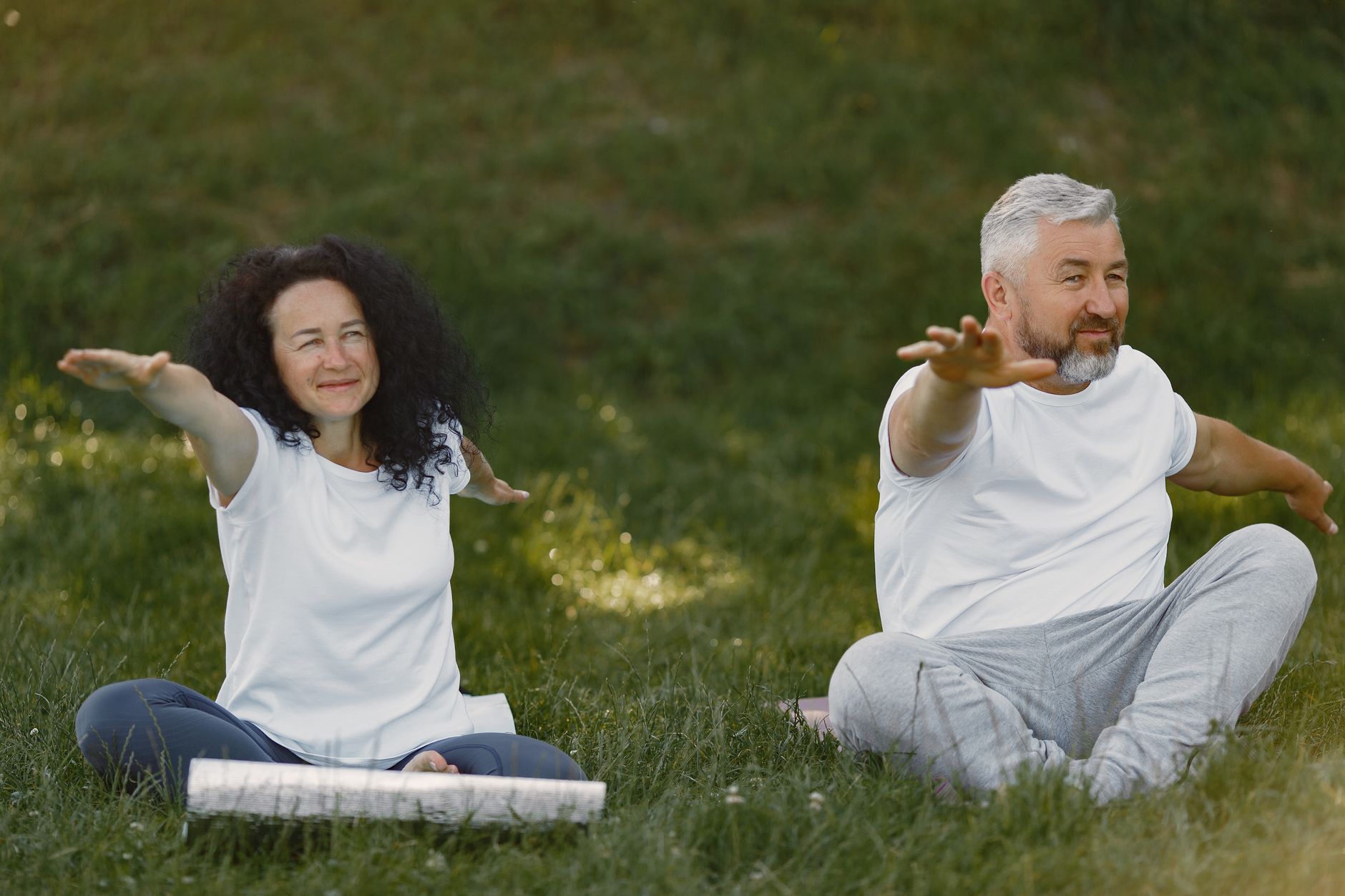
Your home practice space should have clear floor space at least six feet by eight feet, good lighting, and something to hold onto—a sturdy chair, counter edge, or yoga wall strap. Practicing barefoot helps your proprioceptors work better, but if you have balance concerns, starting in socks or shoes is fine. Remove throw rugs that you could catch a toe on, keep a water bottle nearby but outside your practice space so you do not trip, and tell someone when you are practicing in case you need help.
Many older adults practice yoga alongside a wall so they can grab it if needed. This is not cheating—it is smart adaptation. You can place your fingertips lightly on the wall for balance during standing poses, then gradually reduce your touch as your stability improves. Some people use a yoga strap or belt looped around a door handle to provide just enough assistance without total reliance.
Building a Sustainable Practice That Lasts
The biggest predictor of success is not intensity but consistency. Three 30-minute sessions per week beats one 90-minute session because your body needs to practice balance frequently enough that the nervous system keeps the improvements. Many older adults stick with yoga long-term when they join a class (community and accountability) or practice with a partner (mutual encouragement).
Online classes work too, but only if you actually press play regularly. As your balance improves over months, you can try more challenging poses and maybe attend a regular class that mixes younger and older students. Many yoga teachers now offer classes specifically for fall prevention and aging adults, which may suit you better than general classes. The goal is not to become a flexible, advanced yogi—it is to maintain and improve the stability that keeps you independent.
Conclusion
Yoga for better balance works because it combines strength, flexibility, awareness, and calm in a practice that addresses both the physical mechanics of balance and the confidence needed to move without fear. Starting with gentle yoga, practicing consistently two to three times a week, and working with a qualified teacher (ideally one experienced with older adults) will give you results you can feel within weeks. Most people report that daily activities like walking, standing from a chair, and playing with grandchildren feel easier and safer after two months of regular practice.
Your next step is to find a gentle or beginner yoga class specifically for older adults, or to work with a physical therapist who integrates yoga into balance training. If you have existing health conditions, ask your doctor first. Then commit to showing up, be patient with yourself as your body relearns balance, and notice the small improvements—a sturdier stance, less wobbling when you reach for something high, more confidence walking in low light. These small improvements add up to the independence and safety that make daily life sustainable.
Frequently Asked Questions
How long before I see improvements in balance?
Most people notice changes in their balance and stability within two to four weeks of consistent practice. Larger improvements in confidence and strength typically appear after two to three months.
Can I do yoga if I have had a recent fall or injury?
You should get medical clearance from your doctor first. Once cleared, gentle yoga focused on areas away from your injury can help rebuild confidence. Work with a physical therapist or yoga teacher trained in modifications for your specific injury.
Is yoga better than physical therapy for balance?
Yoga and physical therapy address balance through different lenses. Physical therapy is more targeted for specific injuries or conditions, while yoga builds overall stability, strength, and confidence. Many people benefit from both, used together.
What if I do not have good balance to start with—is yoga safe for me?
Yes, with modifications. Use a wall, chair, or partner for support. Tell your instructor about your balance concerns so they can suggest safer variations. Starting slowly is safer than pushing too hard.
Can medication or health conditions interfere with yoga’s balance benefits?
Some medications and conditions make balance improvement slower or less complete, but yoga still helps. Conditions like diabetes with nerve damage, or medications that cause dizziness, require medical attention alongside yoga practice.
How often should I practice to maintain balance improvements?
Two to three times per week is the minimum to maintain improvements. If you miss more than a week, you will notice your balance skills start to slip slightly.