
The best home exercises are practical movements you can do safely in your living room, bedroom, or hallway without special equipment—routines that build strength, balance, and flexibility to help you stay independent and reduce fall risk as you age. A 75-year-old doing wall push-ups three times a week, for example, maintains the upper body strength needed to rise from a chair, pull open a heavy door, or catch themselves if they stumble. Home exercises beat gym memberships for older adults because there’s no drive time, no intimidating equipment, and no need to change clothes; you simply do them when you’re ready, adapting intensity to how you feel that day.
Research from the American Heart Association shows that strength and balance training at home, performed regularly, reduces fall risk by up to 50 percent and helps maintain the bone density and muscle mass that naturally decline with age. The key is consistency over intensity—fifteen to twenty minutes of movement most days of the week works better than occasional longer sessions. Unlike structured fitness programs designed for younger bodies, home exercises can be modified on the spot: if your knees hurt today, you march in place instead of doing lunges; if you’re tired, you do half as many repetitions.
Table of Contents
- What Types of Home Exercises Work Best for Aging Adults?
- How to Set Up a Safe Home Exercise Space and Avoid Injury
- Everyday Strength Exercises You Can Do Right Now
- Balance Training at Home Without Special Equipment
- Common Mistakes and How to Correct Them
- Flexibility and Stretching for Daily Mobility
- Building a Routine You’ll Actually Stick With
- Conclusion
What Types of Home Exercises Work Best for Aging Adults?
The most effective home exercises fall into three overlapping categories: strength training, balance work, and flexibility routines. Strength exercises—wall push-ups, chair squats, step-ups on a low stair, and resistance band work—target the large muscle groups in your legs, core, and arms that you rely on every day to stand, walk, carry groceries, and steady yourself. A 72-year-old who can’t rise from a sofa without using their hands is at immediate risk; five weeks of chair squats and wall push-ups can restore that capability. Balance exercises, like standing on one foot while holding a counter, heel-to-toe walking, and side-stepping along a wall, train your nervous system to prevent falls and react faster if you trip.
Flexibility routines—gentle stretches held for 15 to 30 seconds, neck circles, and shoulder rolls—keep your joints mobile and reduce stiffness that can limit daily activities. What matters most is that these categories overlap and reinforce each other. Chair squats build leg strength and also challenge your balance as you stand back up. A wall push-up engages your core and trains you to engage your shoulder stabilizers. This interconnection means you don’t need separate routines for each category; a well-designed 20-minute home session hits all three.

How to Set Up a Safe Home Exercise Space and Avoid Injury
Before starting any routine, walk through your exercise area and remove tripping hazards—area rugs, cord clutter, pet toys, and low furniture corners. Wear shoes with good grip and support, not socks alone, even in your home. Keep a sturdy chair, the edge of a bed, or a wall within arm’s reach at all times; this is your safety net, not a crutch. A common mistake is exercising when tired or distracted—if you’re drowsy or thinking about a doctor’s appointment, you’re more likely to wobble or lose your footing, which is when injuries happen. Many older adults push too hard too fast, assuming that more repetitions mean faster results; this leads to soreness, discouragement, and sometimes strains.
If an exercise causes sharp pain (not just the mild discomfort of working a muscle), stop and skip it. Start with movements that are easier and more familiar—walking, chair sits, wall touches—before progressing to balance work that requires more stability. If you have heart disease, diabetes, or recent surgery, check with your doctor before beginning, even if you think the routine is mild. A physical therapist can watch you do a few movements and catch form issues that you might not feel; this 30-minute session can prevent months of setbacks from a wrongly-executed routine. Don’t exercise within an hour of a meal or when your blood pressure medication is at its peak effect, as dizziness is more likely at these times.
Everyday Strength Exercises You Can Do Right Now
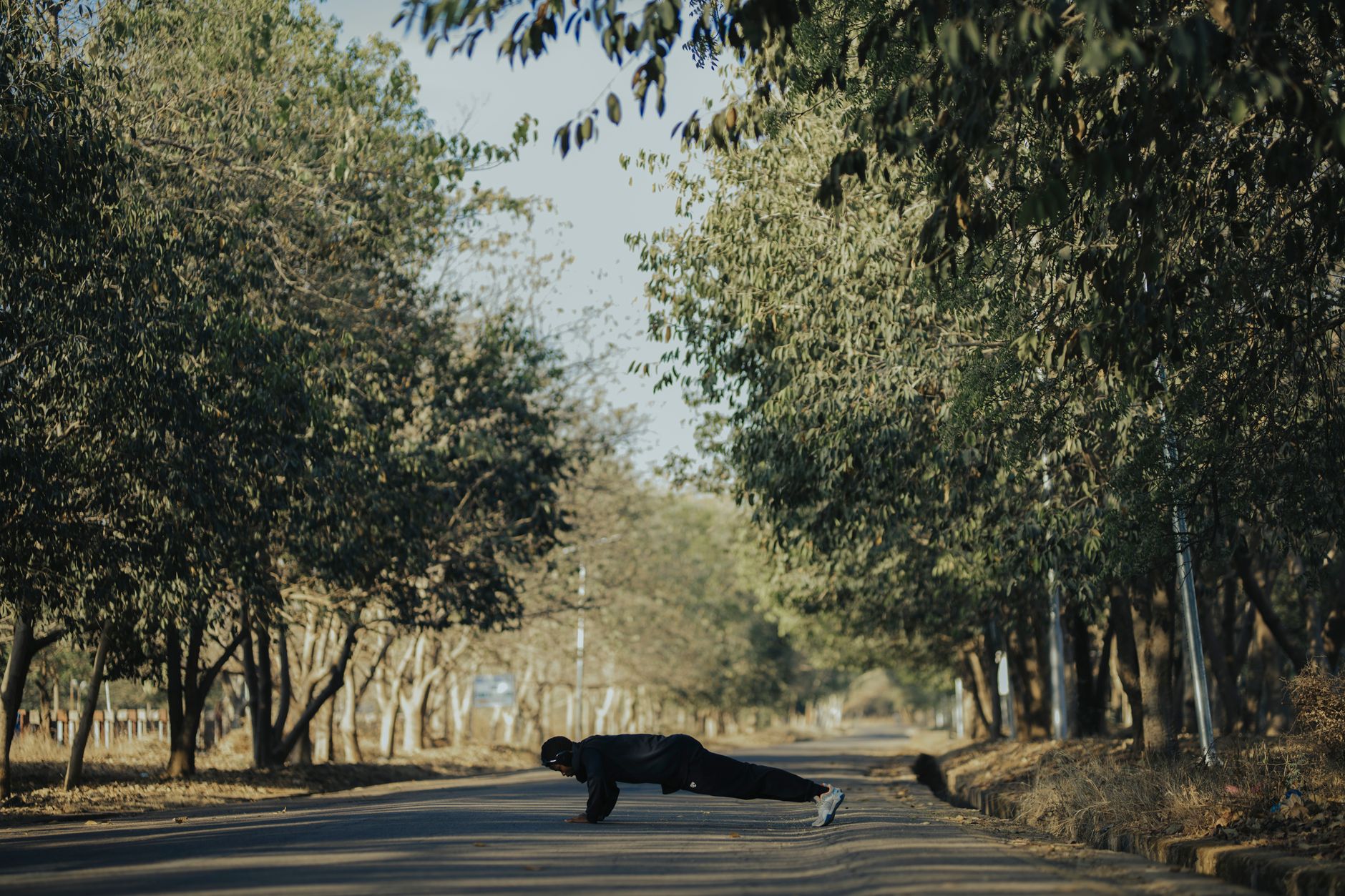
Chair squats are among the most practical home exercises because they mimic one of the most important daily movements—sitting down and standing up. Sit in a firm chair with your feet flat and hip-width apart, then stand up without using your hands, pausing for one second at the top, then slowly lower yourself back down. Do this for one minute, rest, then repeat. If you need to touch the armrest for balance, that’s fine; the goal is to feel your legs doing the work, not your arms. Over time, you’ll use your hands less and less. Wall push-ups build the pushing strength you need to get out of bed or stabilize yourself against a doorframe. Stand about two feet away from a wall, place your palms flat on the wall at shoulder height, and lean in until your forehead almost touches the wall, then push yourself back.
Do 10 to 15 repetitions, and as you get stronger over weeks, you can move your feet slightly farther from the wall to increase difficulty. Step-ups on a low stair or thick stool train the exact movement pattern you need to climb stairs or step over a curb safely. Hold the rail or a wall with one hand, step up with your stronger leg first, then bring your other foot up. Step back down the same way. Do this 10 times on one leg, rest, then repeat on the other side. These three exercises take less than 15 minutes and hit all the major muscle groups. Many caregivers notice that their older adult parent can open jars, carry laundry baskets, and play with grandchildren more easily within three weeks of doing these consistently.
Balance Training at Home Without Special Equipment
Balance exercises prevent falls and are often the most neglected part of home fitness, even though they may matter most. Heel-to-toe walking is simple: stand in a hallway with walls on both sides, walk slowly placing the heel of one foot directly in front of the toes of the other, as if walking a tightrope. Go 20 feet, turn around, and return. If you wobble, touch the wall immediately—this is the whole point, to practice catching yourself. Do this three times a week. Single-leg stands are harder and should only be done after you’ve built some balance foundation.
Stand next to a counter, then shift your weight to one leg and lift the other foot slightly off the ground for 10 to 15 seconds. Do this on each leg, three to five times per side, two to three times per week. The tradeoff with balance work is that it feels awkward and slow compared to strength exercises, and progress is hard to measure on a calendar. You won’t “feel” yourself getting better at balance the way you feel your legs getting stronger. But balance improvements reduce your fall risk immediately, even if you don’t notice them. A study of adults over 65 found that those who did balance exercises for just 12 minutes a day, three days a week, had half as many falls over a year compared to those who did no balance training. If you have a vestibular (inner ear) condition or vision problems, balance training becomes even more important, though you may need a physical therapist to design a safe routine for your specific condition.
Common Mistakes and How to Correct Them
Progression gone wrong is the most common reason people stop home exercise routines. Someone starts with chair squats and feels strong after a week, so they add more repetitions every day, more sets, and suddenly their knees hurt and they quit. The correct progression is slow: add one or two more repetitions per week, or increase difficulty only every two to three weeks. Another mistake is exercising inconsistently. One intense session on Monday followed by nothing until Friday won’t build strength or durability; twice a week at a steady pace beats once-a-week hard efforts every time. Pain is another red flag.
Muscle soreness that lingers a day or two after a new routine is normal, but sharp pain during an exercise or pain that worsens over the following days means something is wrong—stop, rest, and consider calling your doctor or physical therapist. Many people also compare themselves to others, doing exercises their friend or family member does without considering their own limitations. Someone with arthritis in their hands cannot do wall push-ups without modification; they might press against the wall with their forearms instead, or use a resistance band looped around a door frame. Ignoring your own body’s signals in favor of matching someone else’s routine is a fast route to injury or burnout. Finally, some older adults avoid exercise because they think they’re too old, too weak, or too out of shape to start. This is false—studies show that people in their 80s and 90s can build strength, improve balance, and recover function through home exercise. You’re not too old; you’re exactly the right age to start.

Flexibility and Stretching for Daily Mobility
Stiffness in your hips, shoulders, and spine makes everyday activities harder—reaching for a high shelf becomes painful, turning your head to back the car up requires effort, and bending to pick something off the floor feels risky. Gentle stretching for 5 to 10 minutes, three to four times per week, combats this decline. Sit in a chair and gently twist your torso to one side, holding for 15 to 20 seconds, then twist to the other side. Do this three times per side. Shoulder circles—slowly rolling your shoulders backward 10 times, then forward 10 times—ease tightness from reaching and carrying.
A forward fold while sitting, reaching your hands toward your shins while keeping your back straight, stretches your hamstrings and lower back. The key to effective stretching is patience and regularity, not intensity. Never bounce or force a stretch; you should feel gentle tension, not pain. A 68-year-old with tight hips who stretches consistently for a month will find that gardening, getting in and out of the car, and walking become easier and feel less risky. Stretching doesn’t build strength, so it’s not a substitute for the exercises above, but it’s the component that makes strength and balance work sustainable over years.
Building a Routine You’ll Actually Stick With
The best home exercise routine is one you’ll do, which means it must fit your life, feel manageable, and offer enough variety to stay interesting. Most successful routines happen at the same time each day—right after breakfast, or before lunch—because habit makes it easier. Write your routine on a calendar or set a phone reminder; checking off completed days creates momentum and makes you less likely to skip. A sustainable routine might be 15 to 20 minutes on Monday, Wednesday, and Friday with chair squats, wall push-ups, and step-ups, plus 10 minutes of stretching on Tuesday and Thursday mornings. This totals about 2 hours of exercise per week, which is what most doctors recommend for older adults.
Social support matters. Exercising with a family member, a friend, or even joining a virtual class can keep you accountable and make the routine feel less like a chore. Some people use a stationary bike or treadmill at low intensity on their “rest days” to stay active without the cognitive demand of learning new movements. As you stick with your routine for 8 to 12 weeks and feel stronger, you can add new exercises or increase difficulty slightly. The goal is not to become an athlete; it’s to build enough strength, balance, and flexibility to keep doing the things you value—visiting grandchildren, gardening, traveling, managing your home without help, and maintaining your independence.
Conclusion
Home exercises are the foundation of aging in place safely and maintaining independence as you get older. Strength work, balance training, and gentle stretching can be done in your living room, take less than 30 minutes a day, and produce measurable improvements in your ability to do daily tasks within weeks. The evidence is clear that consistency matters more than intensity and that it’s never too late to start, even if you’ve been sedentary for years.
Begin with movements you’re confident about—chair squats, wall touches, slow walking—and progress gradually as your body adapts. Remove tripping hazards from your exercise space, wear supportive shoes, and stop immediately if something causes sharp pain. Track your sessions on a calendar, involve family or friends if possible, and remember that the goal is sustainable, lifelong movement, not perfect form or impressive numbers. If you’re unsure where to start, ask your doctor or request a physical therapy evaluation; a few sessions with a therapist can set you up with a safe, personalized routine that addresses your specific needs and limitations.