
Improving stability starts with targeted exercises that strengthen the muscles and systems your body relies on to maintain balance—your legs, core, and inner ear all work together to keep you upright and safe. When these components weaken, falls become more likely, and that’s where stability exercises make a real difference. A person who practices balance work consistently can often notice improvements within 2-3 weeks, with more significant gains over 8-12 weeks of regular practice. For example, someone who struggles to stand from a chair without using their arms might find that they can do so independently after several weeks of leg-strengthening and balance exercises.
The goal isn’t to become an athlete; it’s to maintain the strength and proprioception (your body’s sense of where it is in space) that let you walk safely, recover from a stumble, and stay independent in your daily life. Stability exercises are particularly important as we age because we naturally lose muscle mass and balance coordination over time. This isn’t inevitable decline—it’s preventable with the right movement practice. The good news is that stability work doesn’t require a gym, expensive equipment, or hours of time. Simple exercises done consistently at home can restore or maintain the stability that keeps you safe in everyday situations like reaching for something on a high shelf, walking on uneven ground, or getting up to answer the door.
Table of Contents
- What Types of Exercises Build Better Stability?
- Specific Exercises That Work at Home
- How Strength Training Supports Stability
- Building a Safe and Practical Routine
- Balance Training and the Fear of Falling
- Environmental Safety and Fall Prevention
- The Long-Term Benefits Beyond Fall Prevention
- Conclusion
What Types of Exercises Build Better Stability?
Stability exercises generally fall into three categories: weight-bearing exercises that challenge your legs and lower body, core strengthening that stabilizes your center, and balance training that improves proprioception. Weight-bearing exercises include simple movements like standing calf raises, where you rise up onto your toes repeatedly, or partial squats where you bend your knees and sit back slightly as if reaching for a chair. These build the leg strength that prevents your knees from buckling or your ankles from giving way. Core exercises target your abdominal and back muscles, which act like a corset holding your spine upright and stable. Balance training includes activities that challenge your ability to stay upright on an unsteady surface or with reduced visual input—things like standing on one foot, walking in a straight line heel-to-toe, or standing with your feet close together.
A useful comparison is to think of stability like a three-legged stool: remove one leg (strength, balance, or core stability) and the whole system becomes wobbly. Someone who has strong legs but a weak core might feel unstable when reaching sideways. Someone with good balance but weak legs might still fall when their muscles fatigue. This is why a well-rounded stability program addresses all three areas rather than focusing on just one type of exercise. Research shows that people who combine strength, balance, and flexibility training have roughly 30 percent fewer falls than those who do strength alone, making the combined approach more effective for real-world safety.

Specific Exercises That Work at Home
Some of the most effective stability exercises require nothing more than a sturdy chair or wall. Wall sits are one example: stand with your back against a wall, then slide down until your knees are bent at roughly 90 degrees, as if sitting in an invisible chair, and hold that position. This builds isometric leg strength—the kind that holds you steady when you need to stand still or move cautiously. Heel-to-toe walking, where you walk along an imaginary line placing one foot directly in front of the other, challenges your balance and coordination in a way that improves your ability to navigate real-world surfaces. Tandem stance, where you stand with one foot directly in front of the other for 20-30 seconds, trains proprioception and ankle stabilizers.
A significant limitation to keep in mind is that home-based balance exercises feel easier than real-world conditions. Walking heel-to-toe on your smooth kitchen floor is safer than navigating a crowded grocery store where other people, carts, and uneven flooring create real distractions and challenges. This is why it’s important to eventually practice balance movements in slightly more challenging environments—not in a way that’s reckless, but gradually moving from predictable to slightly less predictable surfaces as your confidence and ability grow. Another consideration is that people with certain conditions like severe vertigo or neuropathy may need modifications or should consult with a physical therapist before starting a new program. Poor balance can have underlying causes (medication side effects, inner ear issues, vitamin deficiencies) that may need medical attention alongside exercise.
How Strength Training Supports Stability
The muscles in your legs, particularly your quadriceps (front of the thigh), hip abductors (outer hip), and calf muscles, are the primary muscles that keep you from falling when you stumble or when surfaces are uneven. As people age, they naturally lose muscle mass—about 3 to 5 percent per decade after age 30, and more rapidly after 60. This muscle loss happens to everyone, but it’s not inevitable that it leads to instability; regular strength training can slow or even reverse it. A person who does leg-strengthening exercises twice per week can maintain or even build muscle mass well into their 80s and beyond, which directly translates to better stability and fewer falls. The practical takeaway is that exercises don’t need to be intense to be effective.
Bodyweight squats, where you lower yourself toward a chair without fully sitting and then stand back up, build significant leg strength over time. Calf raises, where you stand and rise up and down on your toes, strengthen the muscles that stabilize your ankles. Step-ups, where you step up onto a low step or stair, build the power you need for safe stair climbing and getting up from low seats. The trade-off is time versus intensity: you can either do a few difficult exercises several times per week, or more moderate exercises daily or most days. Research suggests that consistency matters more than intensity for fall prevention, so a program you’ll actually do regularly will produce better results than a more intense program you abandon after a few weeks.
Building a Safe and Practical Routine
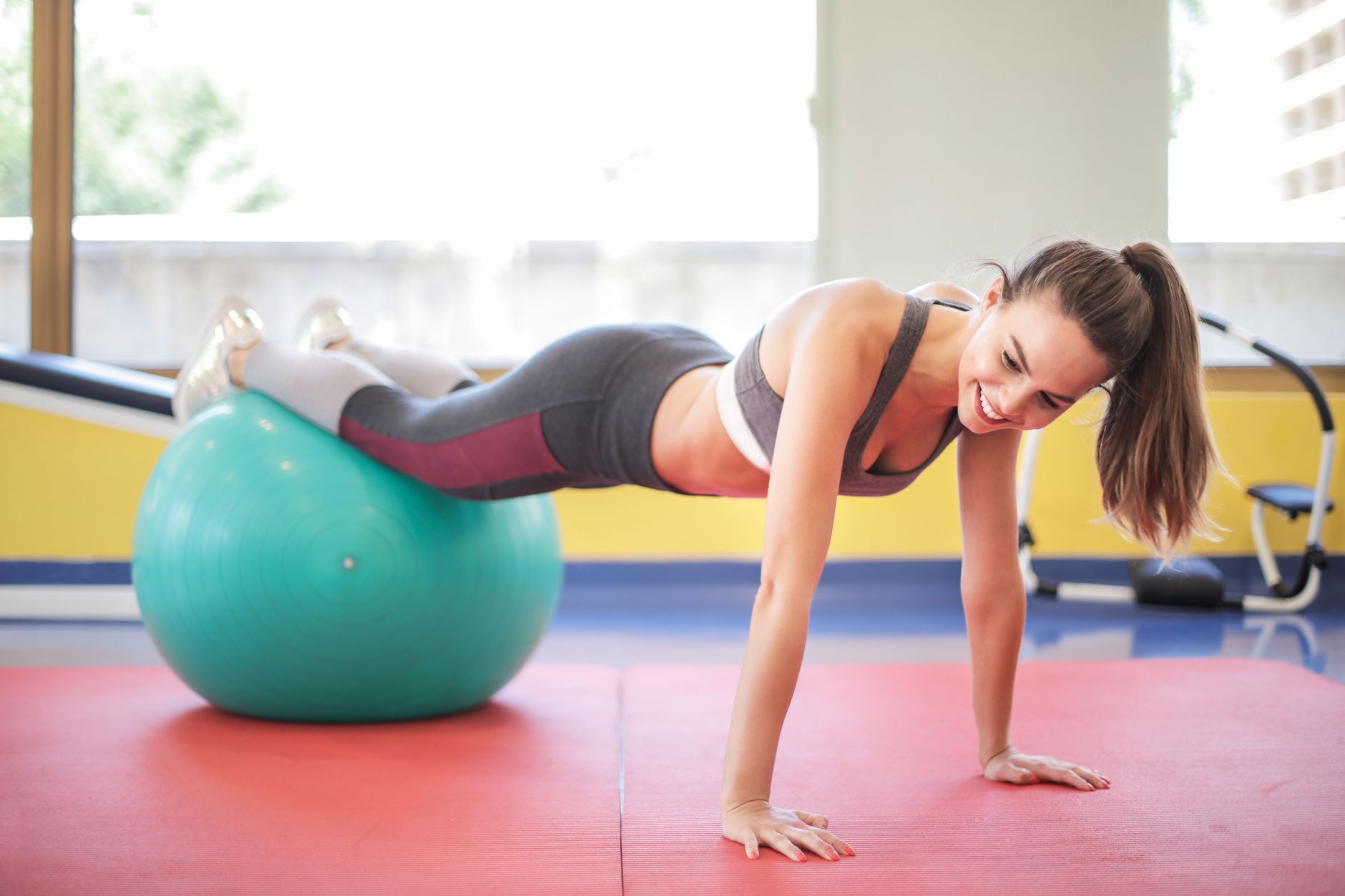
A practical stability routine for maintaining independence might include 15-20 minutes of movement most days of the week, combining strength, balance, and flexibility work. A simple format is to start with 5 minutes of gentle movement to warm up—walking around your home or simple arm circles—then move into 8-10 minutes of strength exercises (squats, calf raises, leg lifts), 3-4 minutes of balance work (heel-to-toe walking, standing on one foot), and finally 2-3 minutes of stretching to maintain flexibility. The beauty of this approach is that you don’t need to go to a gym or hire a trainer; you can do the entire routine in your living room while wearing regular clothes. One important distinction is between challenging yourself and overextending yourself.
An exercise should feel moderately difficult but not painful, and you should be able to breathe normally throughout. If you feel dizzy, sharp pain, or extreme breathlessness, stop and rest. Someone starting a new routine should expect some mild muscle soreness (a dull ache that goes away within a day or two) but never joint pain or sharp sensations. A common mistake is doing too much too quickly in hopes of rapid improvement; doing a reasonable amount consistently produces better results than sporadic intense sessions. It’s also worth noting that stability improvements are most dramatic in the first 4-8 weeks, then slow down—this is normal and doesn’t mean you should stop exercising, but it helps to understand the timeline so you don’t get discouraged when progress plateaus.
Balance Training and the Fear of Falling
For people who have already experienced a fall, balance training becomes especially important because falls often breed fear and anxiety about falling again. This anxiety itself becomes a problem: people who are afraid of falling tend to move more tentatively and rigidly, which actually increases fall risk. Balance training can help rebuild confidence by showing you that your body is capable of recovering from small stumbles and adjusting to unexpected shifts in your center of gravity. Practicing these adjustments in a safe, controlled environment (like your home with furniture nearby to grab if needed) helps you feel more secure when encountering real-world challenges.
A major warning here is that balance training can be risky if done without appropriate safety measures. Always practice near a sturdy object you can hold onto—a kitchen counter, a sturdy chair, a wall—in case you lose your balance. Some people benefit from working with a physical therapist or occupational therapist for the first few sessions, particularly if they have significant balance concerns or prior falls. Another limitation is that balance training is highly individual; what works well for one person (practicing on a foam pad, for example) might be unsafe for another with severe balance problems. Starting conservatively and gradually increasing difficulty is the right approach for most people, but there’s no single routine that works for everyone, which is why feedback from a healthcare provider can be valuable.
Environmental Safety and Fall Prevention
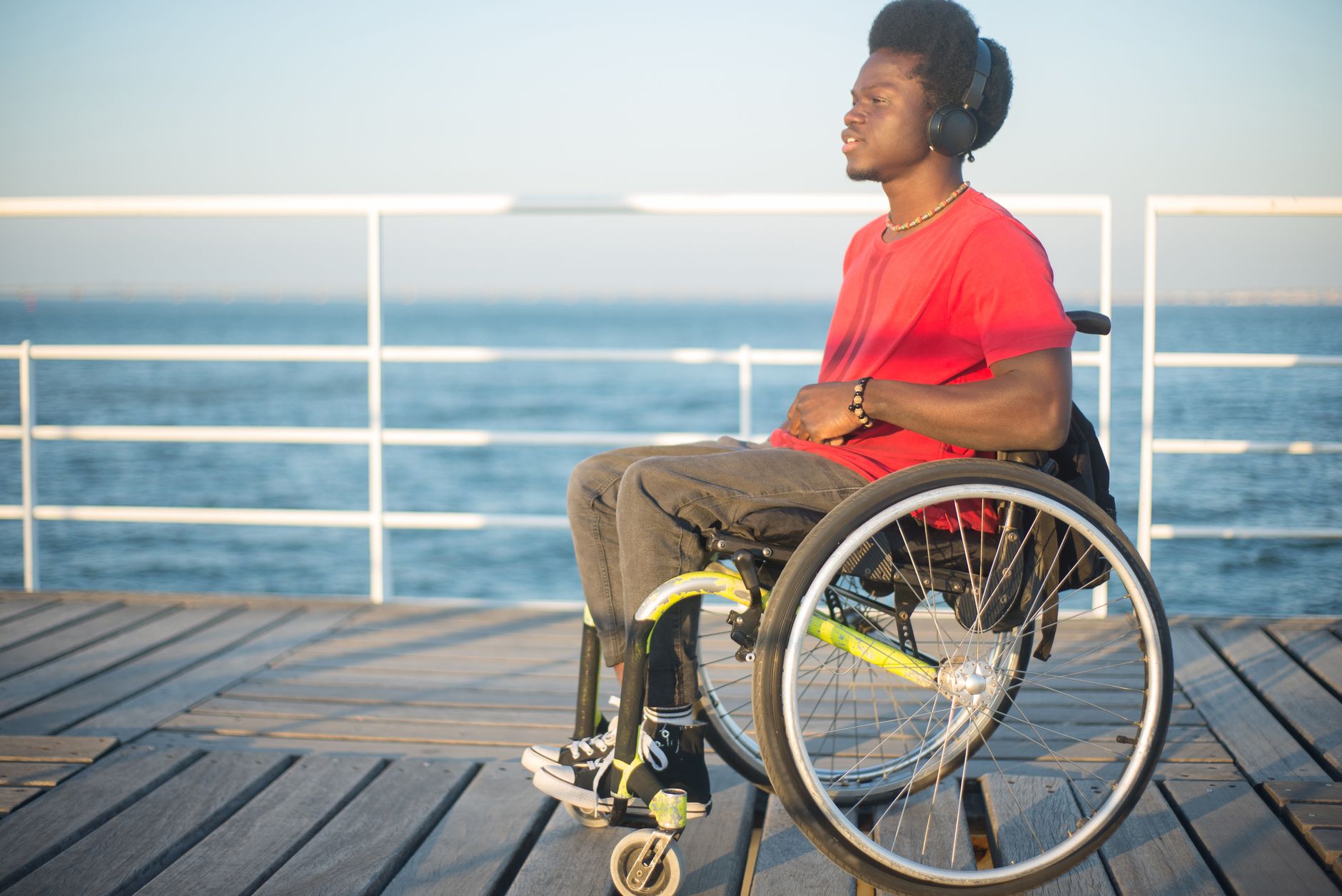
While exercises are crucial, they work best as part of a larger approach to safety that includes managing your environment. Removing tripping hazards like loose rugs, ensuring adequate lighting in hallways and stairs, installing grab bars in bathrooms, and keeping frequently used items at waist height all contribute to stability and fall prevention alongside your exercise routine. Some people benefit from using a cane or walker not because they’re weak, but because these tools provide an extra point of contact with the ground, reducing the demands on your balance system and allowing you to exercise your actual muscles rather than burning energy on staying upright.
Using appropriate assistive devices is a practical decision, not a sign of failure or decline. Footwear matters more than most people realize. Shoes with good ankle support and non-slip soles are significantly better for stability than slippers or socks alone. Someone practicing balance exercises while wearing proper shoes will develop better balance than someone practicing in loose slippers, because the feedback from your feet and ankles is clearer and your feet have less chance of slipping unexpectedly.
The Long-Term Benefits Beyond Fall Prevention
Stability training does more than prevent falls; it improves your actual quality of life in ways that aren’t always obvious. Better stability means you can carry groceries, reach into a high cabinet, play with grandchildren, or recover quickly if you trip—all the small movements and recoveries that add up to independence. People who maintain good stability typically maintain their independence longer and require less help from caregivers, which affects both their sense of self and their family’s situation.
There’s also emerging evidence that the cognitive engagement required for balance training—focusing on your movement, learning new patterns, maintaining balance while thinking about something else—has protective effects on brain health and may help maintain cognitive function over time. As the research on fall prevention and aging continues, one trend is clear: people who stay active and maintain their strength and balance function better across all domains of health and quality of life. This doesn’t mean you need to become an athlete or train intensely; it means incorporating stability and strength work into your regular routine for life, not as a temporary intervention but as an ongoing investment in your independence and safety.
Conclusion
Exercises to improve stability are among the most practical and effective investments you can make in your independence and safety, particularly as you age. These exercises address the reality that strength, balance, and body awareness naturally decline over time, but they don’t have to decline unchecked. By combining leg-strengthening exercises, core work, and balance training into a consistent routine, you can maintain the physical capabilities that let you move safely through your daily life, recover from stumbles, and stay independent. Starting is often the hardest part; picking a simple routine and doing it regularly produces better results than waiting for the perfect program or the perfect moment to begin.
The good news is that stability exercises are safe, affordable, and don’t require special equipment or a gym. If you’re concerned about starting a new exercise routine, especially if you’ve had prior falls or have health conditions, talking with your doctor or a physical therapist is a worthwhile first step. From there, consistency—doing your routine most days—matters far more than intensity. Your future self, stable and independent and moving confidently through the world, is worth the time you invest today.