
Leg strength is the single most important physical attribute for maintaining independence as you age. Your legs carry your body weight, stabilize you against falls, and enable the movements required for daily life—walking to the mailbox, climbing stairs, getting out of a chair, or standing in the shower. Without adequate leg strength, these ordinary tasks become obstacles, and the risk of falling, injury, and loss of independence accelerates. A 75-year-old who can stand from a chair without using their arms has fundamentally different life prospects than one who cannot.
The decline in leg strength is not inevitable, though it is common. Most people lose 3 to 8 percent of their muscle mass per decade after age 30, and that rate accelerates after 60. But this decline can be slowed, stopped, or even reversed with consistent use and targeted exercise. The difference between someone who uses their legs and someone who doesn’t becomes visible within weeks—not years.
Table of Contents
- How Leg Strength Prevents Falls and Injuries
- The Connection Between Leg Strength and Muscle Loss
- Leg Strength and Your Real Ability to Live Independently
- How to Build and Maintain Leg Strength
- Recognizing Weakness Before Crisis Strikes
- The Confidence Factor
- Leg Strength Across Different Ages and Abilities
- Conclusion
- Frequently Asked Questions
How Leg Strength Prevents Falls and Injuries
falls are the leading cause of injury-related death among older adults, and leg weakness is a direct risk factor. Weak legs mean slower reaction time when you stumble, less power to catch yourself, and reduced ability to regain balance. A person with strong legs can respond to a slip almost reflexively; someone with weak legs simply goes down. Additionally, strong legs absorb impact when you step down hard or recover from a misstep. Weak legs transmit that force directly to your knees, hips, and spine. Consider two people stepping off a curb: one with strong quadriceps and calf muscles, one with weak legs.
The person with strength lands with control, muscles engaging to decelerate their body. The person with weak legs lands hard, their muscles unable to absorb the shock, increasing stress on joints and bone. Over time, this difference determines whether someone experiences a minor stumble or a serious fracture. The relationship between leg strength and fall risk is well documented. Research consistently shows that lower extremity strength is one of the strongest predictors of fall likelihood in older populations. Even a modest improvement in leg strength—achievable through regular activity—measurably reduces fall risk.
The Connection Between Leg Strength and Muscle Loss
Muscle loss accelerates with disuse. If you spend most of your time sitting or lying down, your leg muscles shrink and weaken in a self-reinforcing cycle: weak legs make activity harder, so you sit more, which weakens your legs further. This condition, called sarcopenia, is a medical diagnosis in older adults, and it is largely preventable and reversible in its early stages. The limitation here is important: recovery takes longer than decline. You might lose noticeable strength in two weeks of inactivity, but it takes six to eight weeks of consistent exercise to rebuild what was lost.
This is why caregivers and older adults often struggle when injury or illness forces a temporary break from activity. A hospital stay of just five days can result in measurable muscle loss, and the time required to recover that muscle often exceeds the time spent recovering from the original condition. The types of muscle fibers affected matter as well. As you age, your body preferentially loses fast-twitch muscle fibers—the ones responsible for power and quick movements. This is why an older person might be able to walk on flat ground but cannot quickly step up onto a high curb or recover from a near-fall. These fast-twitch fibers are also the most responsive to strength training, which means targeted exercise can restore some of this lost capability even in advanced age.
Leg Strength and Your Real Ability to Live Independently
Independence is not a binary state. It exists on a spectrum. You can live alone but depend on a caregiver to help with groceries and housework. You can walk but need a cane. You can climb stairs but it takes five minutes and leaves you exhausted. Each reduction in leg strength moves you further along the spectrum toward dependence. Specific tasks require specific thresholds of leg strength. Standing from a chair requires quadriceps strength—if your quads are too weak, you cannot complete this motion and need to use your arms or get help.
Climbing stairs requires calf strength and quadriceps endurance. Walking at a normal pace requires hip and calf strength working together. Shopping requires the stamina to walk for 15 minutes and stand while selecting items. These are not trivial requirements, and many older adults cannot meet them. A real-world example: a 70-year-old woman with adequate leg strength can visit her grandchild, help in the garden, and visit the store independently. The same woman with weak legs cannot manage the walk from the car to the store entrance, cannot stand long enough to browse, and cannot walk on uneven ground. She becomes dependent on rides and help with tasks. The difference between these two lives is often just the presence or absence of regular leg-strengthening activity over the previous five years.
How to Build and Maintain Leg Strength
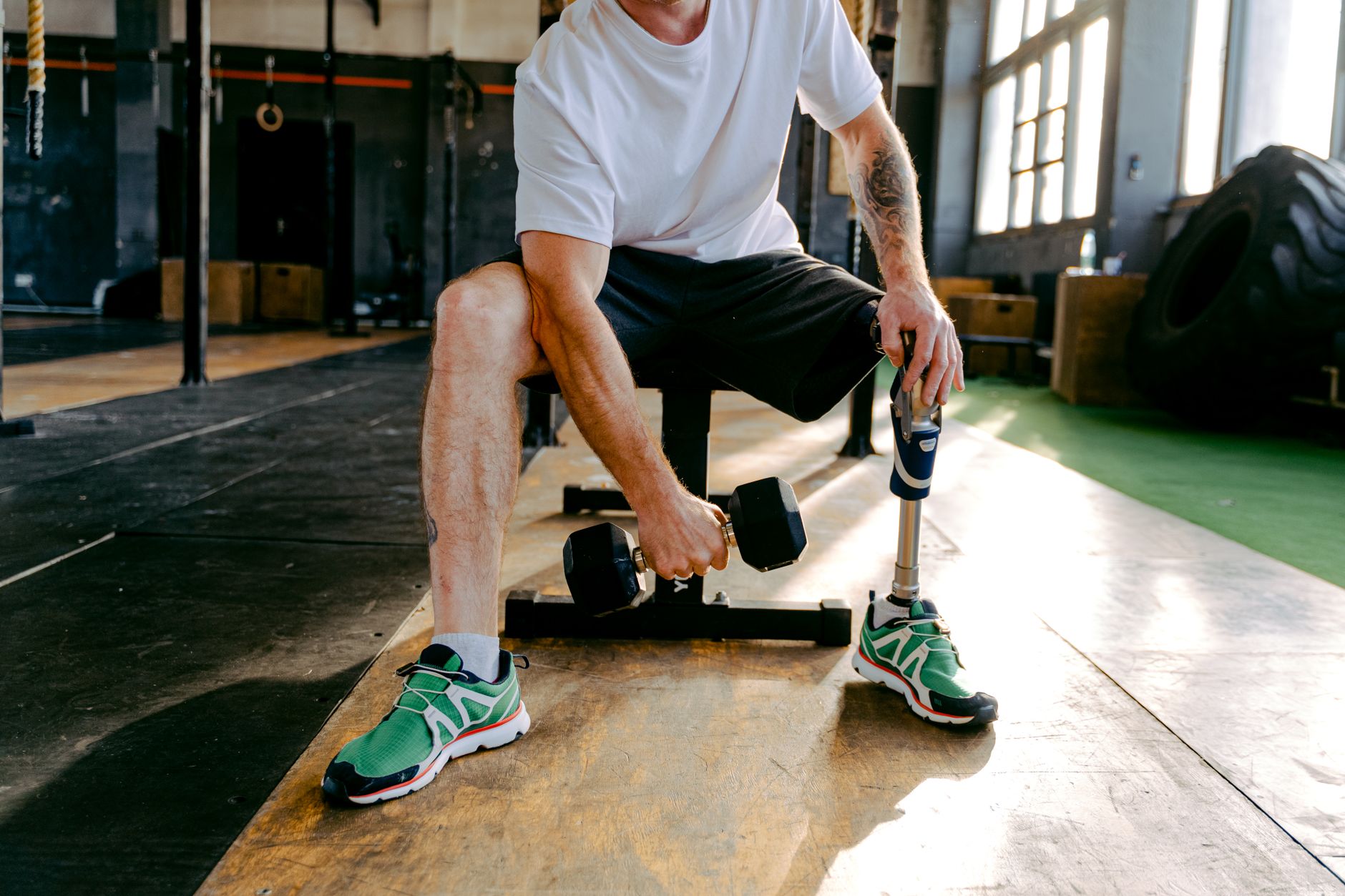
The most effective approach to maintaining leg strength is resistance exercise—movements that challenge your legs against gravity or added resistance. This does not require a gym. Bodyweight exercises are highly effective: squats, step-ups, standing on one leg, walking up stairs, or lunges all build strength without equipment. The key is consistency and gradual progression. Starting with chair squats and progressing to full squats over weeks is more effective than attempting full squats once and quitting. The tradeoff to understand is this: maintaining leg strength requires ongoing effort for the rest of your life. You cannot build strength for six months, then stop exercising and expect to retain it.
Muscle is metabolically expensive for your body to maintain, so it abandons muscles you are not using. However, the good news is that maintaining strength requires less effort than building it. Once you have achieved adequate strength, 2 to 3 sessions per week of moderate activity is often sufficient to preserve it, whereas building strength might require 3 to 4 sessions per week. Walking is insufficient for maintaining strength in most older adults. Walking is excellent for endurance and heart health, but it does not provide enough resistance to prevent muscle loss in people over 60. You need activities that challenge your muscles more directly: climbing stairs, carrying groceries, gardening on uneven ground, or dedicated strength exercises. Many older adults who walk regularly but never do strength work continue losing leg strength simply because walking alone does not provide adequate stimulus.
Recognizing Weakness Before Crisis Strikes
The warning signs of declining leg strength appear gradually and are easy to rationalize away. You start taking the stairs more slowly. You begin using the railing more frequently. You need to sit down to put on socks. You cannot rise from a chair without using your arms. You find yourself shuffling instead of walking with a full stride. Each of these is a red flag that leg strength is declining. Many older adults wait for a crisis—a fall, an illness, a hospitalization—before addressing leg weakness.
This is the worst time to start building strength because you are starting from a lower baseline, often with pain or injury limiting what you can do. A 65-year-old who notices difficulty rising from a chair and starts strength training at that moment has an excellent prognosis. A 75-year-old who waits until after a hip fracture to begin rehabilitation faces a much steeper climb. Another limitation to recognize: some medical conditions do limit what you can do. Arthritis, previous joint surgery, neuropathy, or heart conditions may restrict certain exercises. However, this does not mean accepting strength loss. Physical therapy and modified exercise are often available, and the benefits of maintaining whatever strength you can access are enormous. Even small improvements in strength significantly improve function in someone starting from weakness.

The Confidence Factor
Leg strength and confidence form a feedback loop. When you have strong legs, you trust them to handle stairs, uneven ground, and unexpected situations. This trust translates to actual behavior: you attempt activities you might otherwise avoid, you take walks more readily, you move with purpose. When your legs are weak, you become cautious. You avoid stairs, decline to go places that require walking, and move slowly even on safe ground.
Over time, this caution leads to further disuse and further weakening. A 72-year-old man with adequate leg strength will walk to his neighbor’s house or explore a new neighborhood. The same man with weak legs will stay home, convinced he might fall or that the walk is too far. The physical difference in their legs might be small, but the difference in their lives is enormous. Building leg strength often brings a psychological shift as well—people become more willing to attempt activities, to travel, and to maintain social connections, all of which contribute to better health and longevity.
Leg Strength Across Different Ages and Abilities
The specific leg strength you need is different at 60, 70, and 80. At 60, you may still be managing moderate physical demands—a job that requires standing, caring for grandchildren, yard work. At 70, if you have maintained strength, you can still engage in these activities but may need to manage them more carefully. At 80, even modest strength is precious, and the difference between being able to stand and shower independently versus needing assistance is often determined by whether you did strength work years earlier.
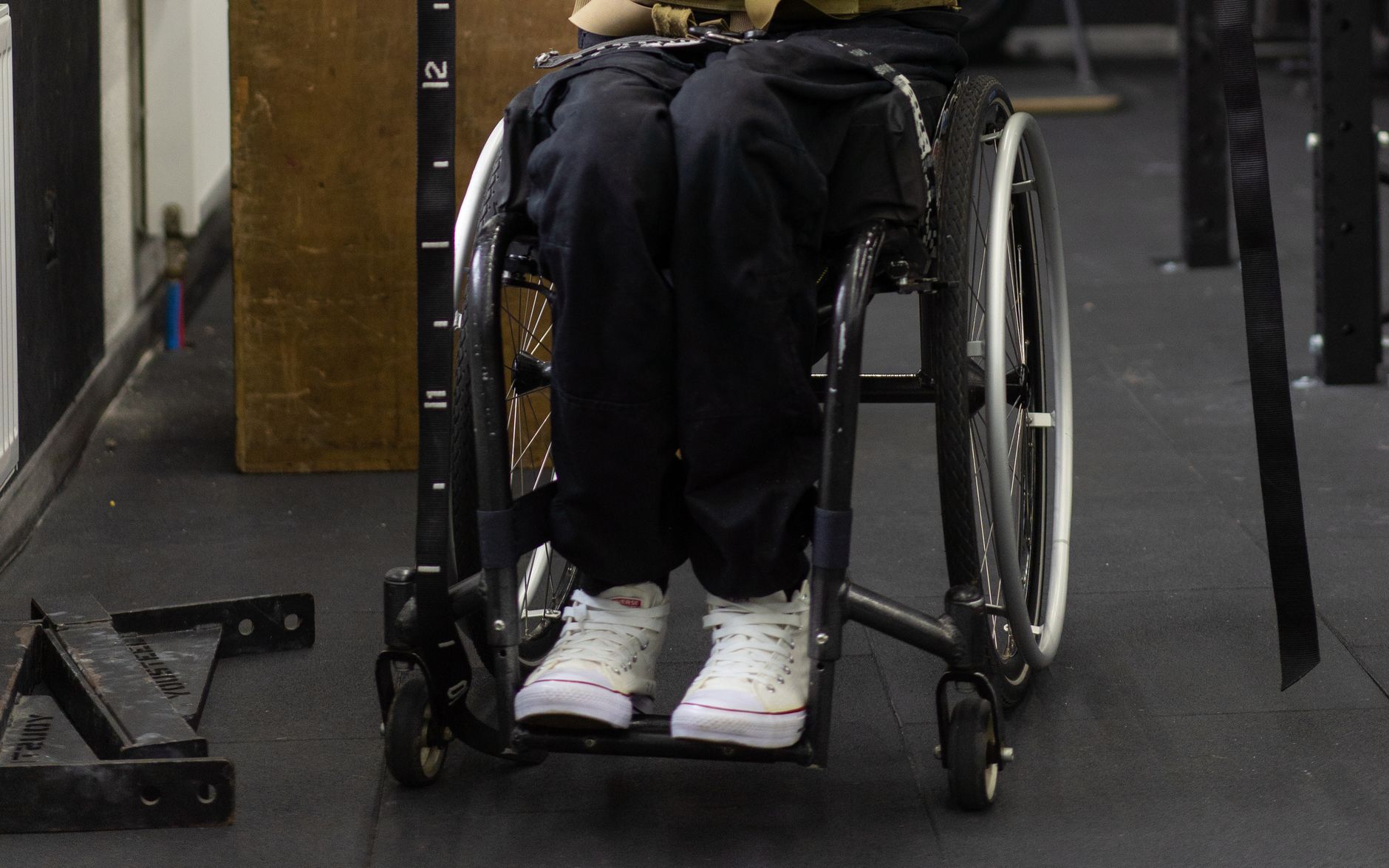
For people who are already quite weak or managing significant disability, the path forward is different but not hopeless. Working with a physical therapist to identify safe, effective movements can restore function even late in life. The capacity for muscle growth and strength development exists at any age, though it requires more stimulus and more time as you get older. Someone beginning strength work at 85 may not return to the strength they had at 60, but they can likely improve enough to meaningfully enhance their independence and quality of life.
Conclusion
Leg strength is the foundation of independence in older age. It determines whether you can walk, climb stairs, rise from a chair, recover from a stumble, and live life on your own terms. The decline in leg strength is not automatic or irreversible; it is the result of disuse, and it can be arrested or reversed with regular, consistent activity.
The time to build and maintain this strength is now, regardless of your current age or fitness level. If you notice difficulty with everyday tasks—rising from a chair, climbing stairs, walking at a normal pace—that is your signal to prioritize leg-strengthening activity. Work with a physical therapist, trainer, or trusted resource to identify safe exercises you can do regularly. The investment now, in consistent strength work, determines the quality and independence of your life in the years ahead.
Frequently Asked Questions
At what age should I start worrying about leg strength?
Leg strength begins declining around age 30 and accelerates after 60. However, it is never too early or too late to start maintaining it. If you are in your 40s or 50s, building strength now protects you for decades. If you are already older and experiencing weakness, improvement is possible with appropriate exercise.
How often do I need to exercise to maintain leg strength?
Maintaining strength typically requires 2 to 3 sessions per week of resistance or strength-focused activity. Building strength requires more frequent work, usually 3 to 4 sessions per week. Walking alone is usually insufficient for maintaining strength in older adults.
Can I rebuild leg strength after a long period of inactivity?
Yes, but recovery takes time. You typically lose noticeable strength within two weeks of inactivity, but rebuilding it takes six to eight weeks of consistent exercise. Starting after a period of inactivity should be done carefully and gradually, ideally with guidance from a physical therapist.
What are the best exercises for leg strength if I have arthritis or joint pain?
Water-based exercises, isometric exercises (holding positions without movement), and low-impact resistance work are often effective for people with joint pain. A physical therapist can recommend exercises tailored to your specific condition and limitations. Do not assume that joint pain means you cannot do strength work—appropriate exercise often reduces pain over time.
Is it normal for leg strength to decline quickly after hospitalization?
Yes, and it is a major concern. Five days of bed rest can cause measurable muscle loss. This is why physical therapy and early mobilization are now standard after hospitalization. Do not wait weeks to resume activity after a hospital stay; start gradually as soon as your medical team clears you.
How do I know if my leg weakness is serious enough to see a doctor?
See a doctor if you cannot rise from a chair without using your arms, if you have difficulty climbing stairs, if you feel unsteady walking on even ground, or if your leg weakness developed rapidly. These can indicate muscle loss, nerve problems, or other conditions that benefit from medical evaluation.