
The best core exercises for seniors are those that improve balance, stability, and the ability to perform everyday tasks—like getting out of a chair, climbing stairs, or carrying groceries without strain. A strong core doesn’t require a gym membership or complicated equipment. Simple exercises like wall sits, standing leg lifts, and gentle planks can be done at home and deliver measurable improvements in stability and functional ability within weeks. For a 72-year-old who has noticed she’s become unsteady reaching into high cabinets, consistent core work often restores enough confidence to move through her home safely again.
Core strength directly affects your ability to live independently. The core muscles—your abdominals, back, and the deep stabilizers around your spine—work together every time you stand, walk, turn, or bend. Without adequate core strength, falls become more likely, balance deteriorates, and ordinary movements begin to feel uncertain. Senior-focused core exercises emphasize stability and functional movement rather than speed or intensity, which means they are safe to start at any fitness level and can be progressively challenging as strength improves.
Table of Contents
- Why Core Strength Matters More for Seniors Than You Might Think
- Understanding the Specific Muscles You’re Targeting
- Common Core Exercises That Work for Aging Adults
- Building a Sustainable Core Routine for Long-Term Results
- Avoiding Injury and Knowing When to Stop
- Using Equipment to Make Core Work More Accessible
- The Broader Picture of Independence and Core Strength
- Conclusion
- Frequently Asked Questions
Why Core Strength Matters More for Seniors Than You Might Think
Your core is the foundation of nearly every movement you make. When core muscles weaken—which happens naturally with age if not actively maintained—the spine loses support, posture slumps forward, and balance becomes compromised. Research consistently shows that seniors with stronger cores have fewer falls, better mobility in daily activities, and greater confidence in their movement. This isn’t about aesthetic appearance; it’s about the practical ability to reach, bend, and move without risking injury.
The difference between a senior with weak versus strong core muscles is often visible in how they move. A person with weak core support tends to move stiffly, avoid bending, or grip furniture when standing. Someone with core strength stands taller, moves more fluidly, and shows less hesitation in transitioning between positions. For someone caring for an aging parent, noticing improved posture and more confident movement is one of the first signs that a core exercise routine is working. The stakes are high because falls are a leading cause of injury and loss of independence in older adults; core strength is one of the most direct ways to reduce that risk.
Understanding the Specific Muscles You’re Targeting
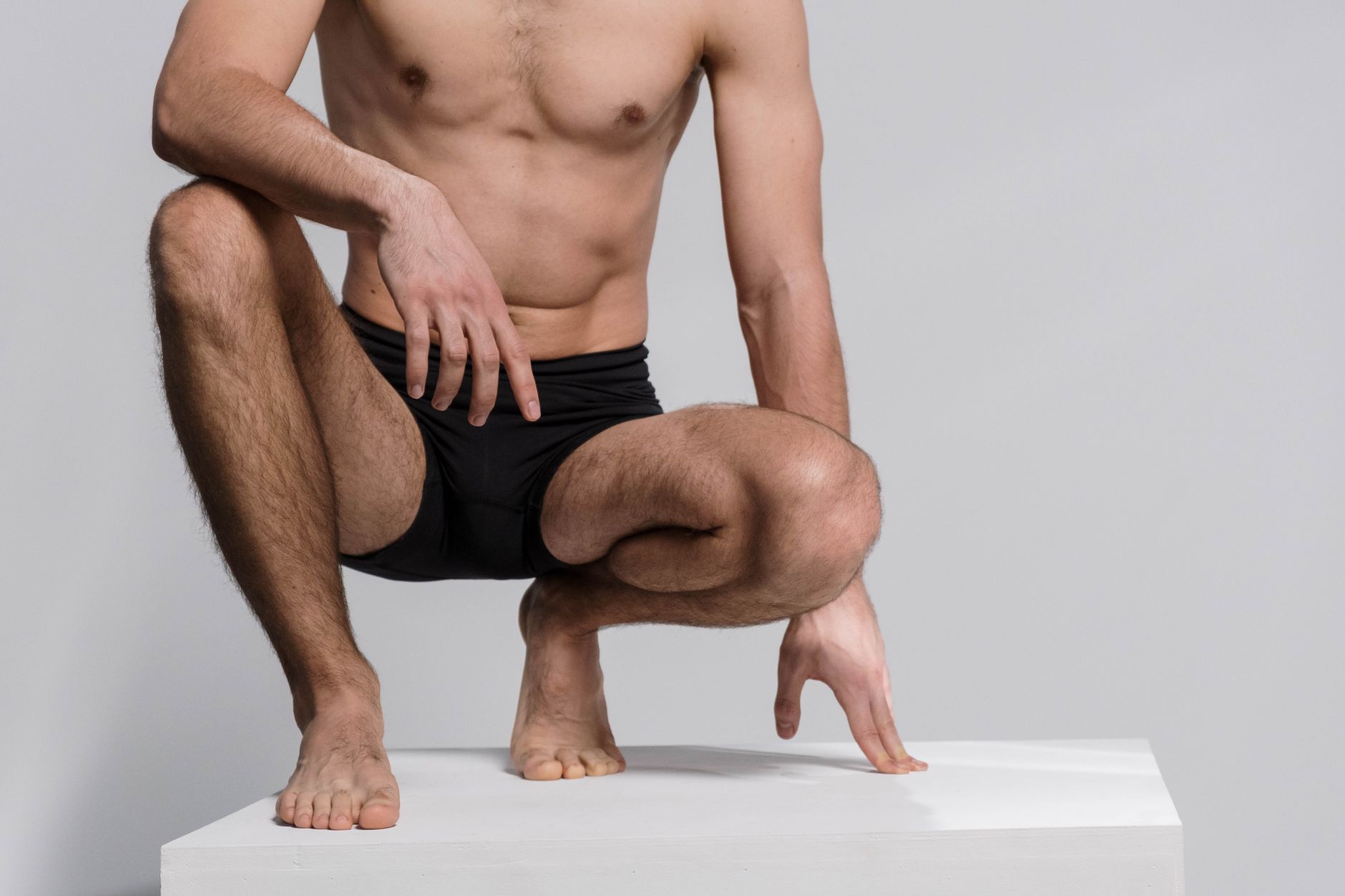
When people hear “core,” they often think only of the abdominal muscles visible on a young person’s torso. In reality, your core includes the rectus abdominis (front of the abdomen), transverse abdominis (deep abdominal muscle that acts like a corset), internal and external obliques (sides), multifidus and erector spinae (back), and the pelvic floor muscles. All of these work together to stabilize your spine and keep you upright. For seniors, the deep stabilizer muscles—especially the transverse abdominis and multifidus—are particularly important because they prevent excessive spinal movement and protect against injury during everyday activities.
One limitation of focusing only on the superficial “six-pack” muscles is that they don’t provide the deep stability needed for real-world movement. A senior who has done only traditional crunches may develop some front-abdominal strength but still lack the stability to safely pick up a grandchild or carry a laundry basket without strain. Core exercises for seniors should target the deep stabilizers alongside the surface muscles, using movements that mimic real-life demands. This integrated approach is more effective and more protective against the strains and stresses of daily living.
Common Core Exercises That Work for Aging Adults
The most reliable core exercises for seniors fall into a few categories: isometric holds (like wall sits and planks), standing exercises (like leg lifts and marching in place), and movements that challenge balance while engaging the core. Wall sits are particularly valuable for seniors because they require no special equipment, can be done almost anywhere, and build both leg and core strength simultaneously. A wall sit is simply sitting with your back against a wall with your knees bent at roughly a right angle, as if sitting in an invisible chair; holding this position for 20 to 60 seconds engages your entire core, quadriceps, and glutes. Standing marching in place is another accessible starting point.
While it sounds simple, lifting your knees up toward your chest while standing activates the abdominal muscles and improves balance. Many seniors begin with slow, controlled marching for 30 seconds and gradually increase duration as strength improves. Bridges—lying on your back with knees bent and lifting your hips off the floor—are effective for targeting the back side of the core and glutes, which are critical for preventing the forward posture many seniors develop. Unlike exercises requiring balance, bridges can be done lying down, making them safer for someone at high fall risk during their first weeks of training.
Building a Sustainable Core Routine for Long-Term Results
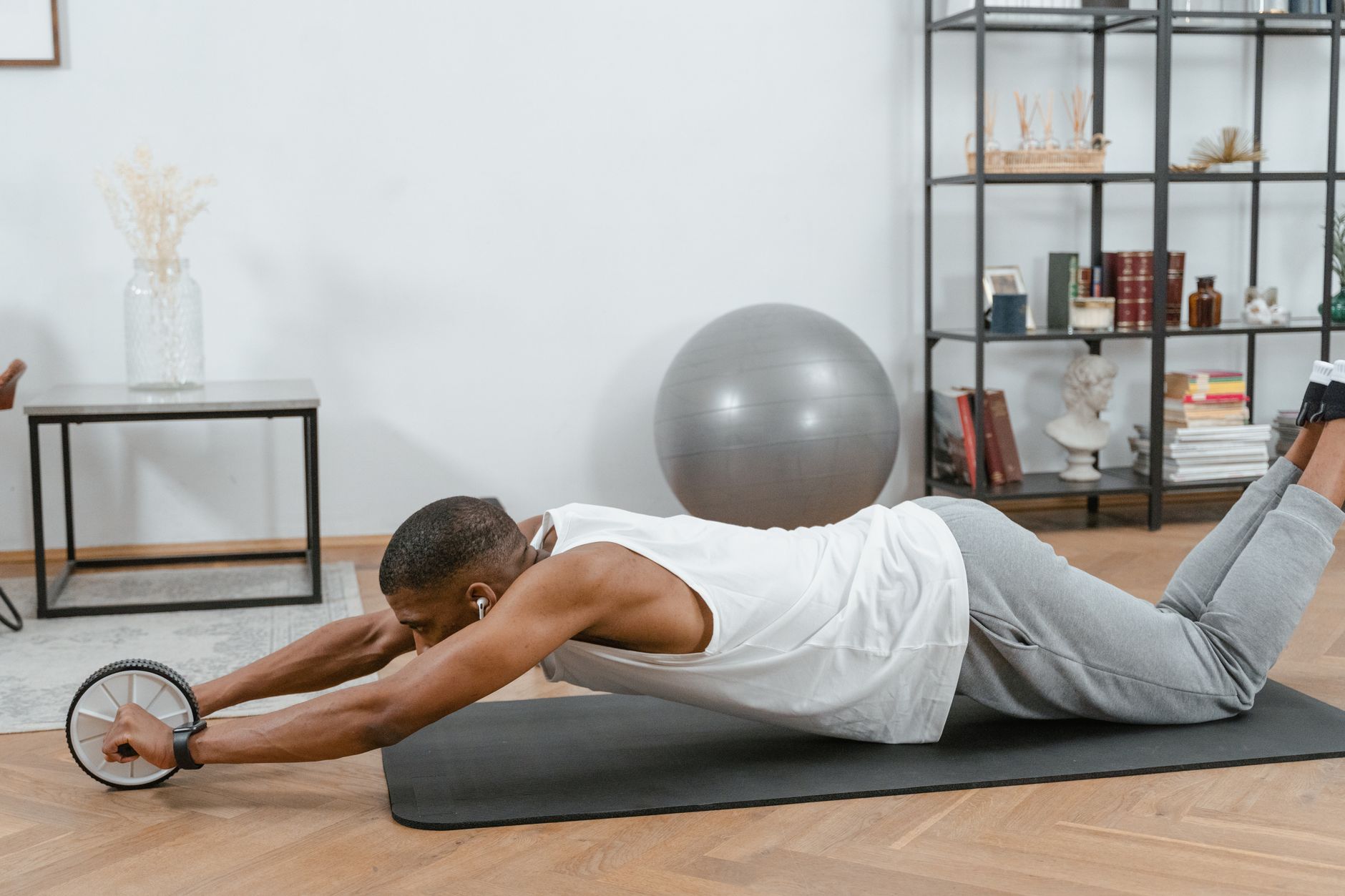
The most effective core program for a senior is one that is consistent and sustainable, not the most intense. Starting with 2 to 3 sessions per week, each lasting 10 to 15 minutes, produces measurable strength gains without causing soreness or injury that might discourage continued effort. A simple routine might include wall sits (3 sets of 30 seconds), standing leg lifts (2 sets of 10 per leg), bridges (2 sets of 10), and modified planks against the wall or on hands and knees (2 sets of 15 to 30 seconds). This can be done at home, requires no equipment, and takes about 15 minutes.
The tradeoff between variety and simplicity matters here. While adding new exercises keeps routines interesting, too much variation can make it hard to track progress and easy to fall out of the habit. A senior might use the same core routine for 4 to 6 weeks, allowing strength to build noticeably, then modify 1 or 2 exercises while keeping the core of the routine intact. This approach maintains consistency while preventing boredom. Progression should happen by increasing duration (holding longer), adding repetitions, or modifying the exercise to be slightly harder—not by jumping to exercises that feel risky or require equipment the person doesn’t have at home.
Avoiding Injury and Knowing When to Stop
The most common mistakes seniors make with core exercises are holding their breath, moving too quickly, and pushing through pain. Holding your breath during core work elevates blood pressure and can cause dizziness; instead, breathe steadily throughout every exercise, exhaling during the harder portion of the movement. Pain—not to be confused with the mild muscle fatigue that comes with exercise—is always a signal to stop. Sharp pain, stabbing sensations, or shooting pain down the legs should prompt immediate cessation and possible medical consultation.
Another warning: core exercises may not be appropriate for someone with certain back conditions without medical approval. Herniated discs, severe osteoporosis, or recent back surgery may require modified versions of standard exercises or guidance from a physical therapist. If you have a history of back problems or haven’t exercised regularly in years, consulting a doctor or physical therapist before starting a core program is wise, not overly cautious. They can assess your specific situation and recommend the safest starting point, which might be gentler versions of common exercises or different approaches altogether.
Using Equipment to Make Core Work More Accessible
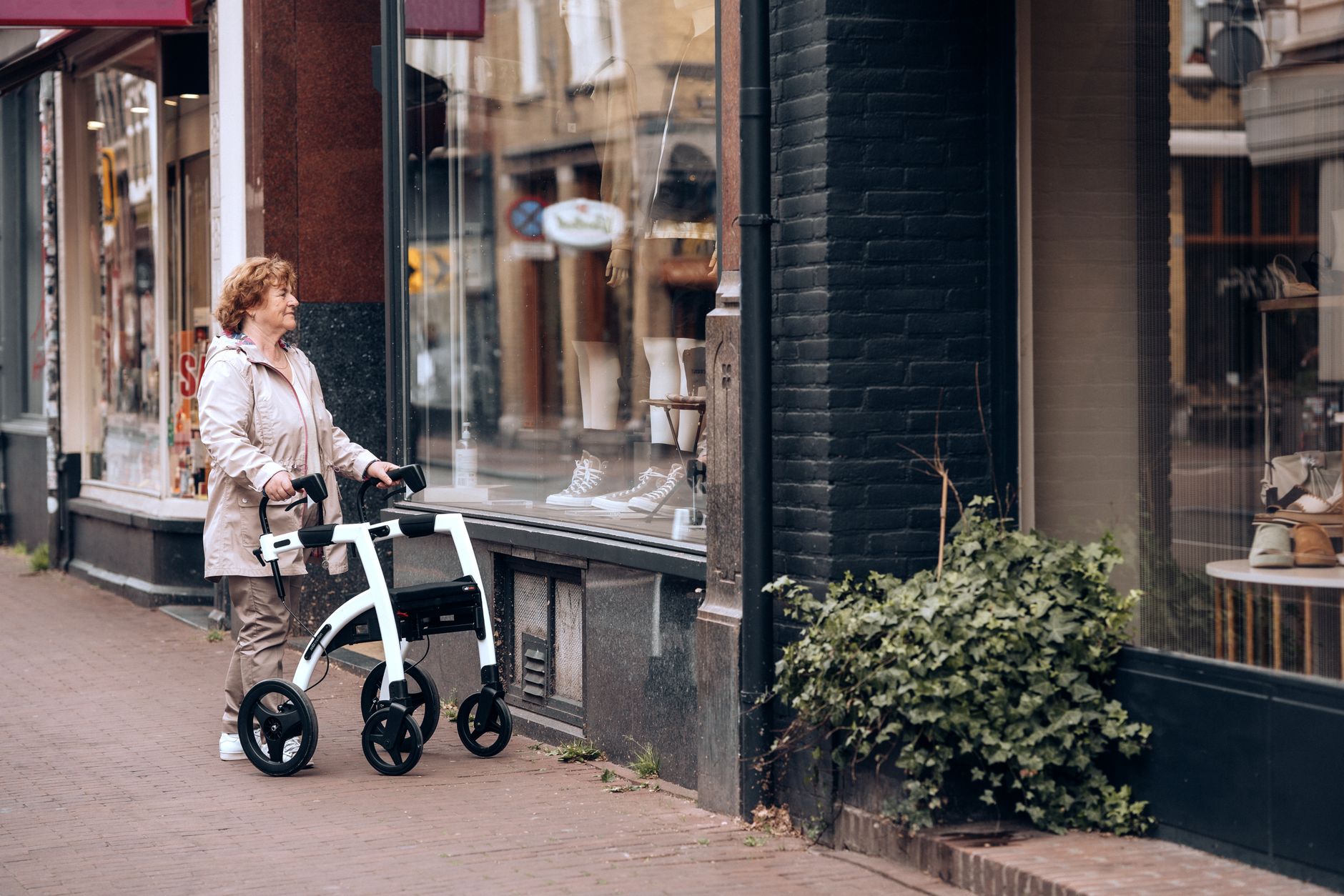
While equipment isn’t necessary, certain tools can make core exercises easier to perform or more effective. Resistance bands, stability balls, and foam rollers are all affordable and can be used at home. A stability ball—sometimes called a balance ball or exercise ball—can be used for supported planks or bridges; sitting on the ball while doing core work adds an element of balance challenge without requiring full-body balance.
A resistance band can provide additional challenge for leg lifts or can be used to support your body weight during a modified plank if you’re not yet strong enough to hold a full plank. For someone with limited mobility, a foam roller can help release tension in the muscles around the core and improve flexibility, making core exercises easier to perform. Some seniors find that having a specific piece of equipment makes the routine feel more “official” and easier to stick to, while others find simplicity—using only body weight and a wall—works better. The best equipment is whatever you will actually use consistently.
The Broader Picture of Independence and Core Strength
Building core strength is one pillar of maintaining independence as you age, but it works best alongside other efforts: cardiovascular activity, flexibility work, adequate nutrition, and balance training all complement core strength. A senior with a strong core but poor balance due to untreated vision problems or inner ear issues will still be at risk for falls. Conversely, someone doing balance training but with a weak core won’t have the stability to recover from a minor stumble. The most effective approach treats core strength as part of a broader commitment to functional fitness and healthy aging.
Looking forward, starting core work earlier rather than waiting until you notice weakness makes a substantial difference in outcomes. A 60-year-old who begins a simple core routine now will likely maintain a much higher level of independence at 75 than someone who waits until balance problems emerge. It’s never too late to start—people in their 80s and 90s benefit from core training—but the earlier you begin, the more dramatic the dividends. The goal is not to become an athlete; it’s to keep yourself capable, confident, and independent in your own home and life.
Conclusion
The best core exercises for seniors are straightforward, accessible, and focused on functional strength rather than appearance. Wall sits, leg lifts, bridges, and modified planks are safe, effective tools that most seniors can perform at home with no equipment. Consistent practice—2 to 3 times per week for 10 to 15 minutes—produces noticeable improvements in balance, posture, and the confidence to move through daily life without strain. The key is starting where you are, moving with proper form, and building gradually.
If you’re beginning a core exercise routine, commit to consistency over perfection. Progress happens in small increments, and the real reward is the ability to move more freely, feel more stable, and maintain the independence that makes aging in place feasible. If you have any medical conditions affecting your back or if you haven’t exercised regularly in years, a conversation with your doctor or a physical therapist is time well spent. Once you have clearance, a simple home routine can transform your functional strength and confidence within weeks.
Frequently Asked Questions
How long before I notice improvement in my balance and strength?
Most people report noticeable improvements in stability and how exercises feel within 2 to 3 weeks of consistent practice. Measurable strength gains typically become apparent within 4 to 6 weeks, though individual timelines vary based on starting fitness level and consistency.
Is it safe to do core exercises if I have osteoporosis?
Some core exercises are safe with osteoporosis, but others may increase fracture risk. Discuss your specific condition with your doctor or physical therapist before starting; they can recommend modifications or alternative exercises that build strength without compromising bone safety.
Can I do core exercises every day?
While light core work can be done daily, most seniors benefit from 2 to 3 dedicated sessions per week with rest days in between. This allows muscles to recover while preventing overuse injuries. Consistency matters more than daily frequency.
What if I feel pain during core exercises?
Stop immediately. Pain is different from the mild fatigue that comes with exercise. Persistent pain, sharp sensations, or pain that radiates down your legs warrants evaluation by a healthcare provider before resuming exercise.
Do I need special equipment or a gym membership?
No. The most effective core exercises for seniors—wall sits, standing leg lifts, bridges, and planks—require no equipment and can be done at home. A mat or towel for floor work is the only optional accessory.
How do I progress if the exercises start feeling too easy?
Increase duration (hold longer), add repetitions, or modify the exercise to be slightly harder (for example, lifting one leg during a bridge). Progress slowly to avoid injury and maintain motivation.