
Daily walks are one of the most direct paths seniors have to maintaining the independence to carry their own groceries. When a 74-year-old who struggled climbing stairs three years ago can now walk to her car with bags in both hands and place them in the trunk without asking for help, that’s functional fitness at work. Regular walking strengthens the exact muscles and systems seniors need for everyday tasks—their legs, core, cardiovascular system, and balance. Research shows that walking exercise produces measurable improvements in activities of daily living with an effect size of 0.527, meaning the gains are real and substantial, not marginal. The reason daily walks work is straightforward: they build the kind of fitness that matters in real life.
Unlike gym workouts designed for aesthetics, walking improves the ability to stand up from a chair, climb stairs, reach for items, and carry objects—the precise movements required to grocery shop and manage household tasks independently. Walking doesn’t just build leg strength; it strengthens balance, improves coordination, and keeps the cardiovascular system efficient enough to handle the physical demands of daily life without exhaustion or injury risk. The stakes are high. Seniors who lose the ability to carry groceries often lose much more—they begin depending on family, friends, or paid care, which erodes both independence and dignity. The good news is that this decline is preventable and often reversible through consistent daily walking.
Table of Contents
- Why Carrying Groceries Is a Critical Measure of Senior Independence
- How Walking Rebuilds the Strength and Stamina to Carry Weight
- The Real-World Gains: What Seniors Gain in Four Months of Daily Walking
- Building a Sustainable Daily Walking Practice for Long-Term Independence
- The Risk of Inactivity and Why Waiting Becomes Costly
- How Strength Training Complements Walking for Maximum Independence
- Looking Forward: The Prevention-Based Vision of Senior Independence
- Conclusion
Why Carrying Groceries Is a Critical Measure of Senior Independence
Carrying groceries might seem like a small task, but it’s actually one of the most telling indicators of functional independence. To carry groceries, a senior must have adequate strength in their legs and core, balance and stability to walk while holding weight, cardiovascular fitness to avoid breathlessness, and the confidence that they won’t fall or injure themselves. It’s a composite measure that predicts whether someone can manage dozens of other daily tasks. Research from functional fitness programs shows that exercise interventions improve “standing up, walking, climbing stairs, reaching, and carrying objects” together—these are linked capabilities that develop as one system strengthens. A 68-year-old man who had been relying on his daughter to help with groceries after a sedentary decade might start with walks around the block three times a week. After eight weeks of consistent walking, he notices he’s no longer breathless after a short distance.
After four months, he carries a light bag from the car to the house. After six months, he’s back to doing a full grocery run himself. The transformation isn’t dramatic day-to-day, but it’s the difference between dependency and autonomy. This timeline isn’t exceptional—it reflects research showing that functional training can improve physical function and quality of life in as little as eight weeks. The limitation to recognize is that not all seniors will recover to the same level, and some have medical conditions that require modifications. A senior with advanced arthritis or recent surgery needs guidance on what kind of walking is safe. But for the majority of seniors experiencing general deconditioning from a sedentary lifestyle, daily walks are a proven starting point.

How Walking Rebuilds the Strength and Stamina to Carry Weight
Walking works because it’s a functional activity itself. Unlike sitting exercises or some gym routines, walking directly trains the body for walking—it recruits the same muscles, balance systems, and cardiovascular response that carrying groceries demands. When a senior walks regularly, their leg muscles strengthen, their cardiovascular system becomes more efficient, their balance improves, and their confidence grows. The research backs this: physically active older people are more likely to walk independently and perform activities of daily living on their own compared to sedentary elders. The mechanism is muscular endurance and strength. A senior’s leg muscles need sufficient strength to not only support their body weight but to stabilize while holding additional load and to propel forward against resistance. Walking builds this gradually.
The cardiovascular benefit is equally important—if a senior becomes winded from carrying ten pounds of groceries, they won’t maintain independence. Regular walking conditions the heart and lungs to handle these everyday physical demands without excessive strain. After consistent walking, the same task that once caused breathlessness becomes manageable. One critical limitation: a reduction of more than 15% in neuromuscular strength predicts slowness and functional decline in older adults over 12 years. This means that seniors who stop exercising can lose ground quickly, and that maintenance is as important as building fitness. Walking isn’t a one-time intervention—it’s an ongoing practice. Additionally, sarcopenia (age-related muscle loss) affects 27.6% of older adults, meaning some seniors need additional resistance training beyond walking to adequately address muscle loss, particularly if they’ve been very sedentary.
The Real-World Gains: What Seniors Gain in Four Months of Daily Walking
Following the evidence-based guidelines—150 minutes of moderate-intensity activity like brisk walking per week—produces visible improvements in real-world capability. That breaks down to roughly 30 minutes a day, five days a week, or about 21 minutes daily if someone walks every day. This is achievable for most seniors, whether it’s a walk around the neighborhood, a mall walk in winter, or a loop around a park. A 71-year-old who begins with 15-minute walks four times a week might start to notice changes within two to three weeks: the walk feels less tiring, her joints feel less stiff the next morning, and she’s sleeping slightly better. By week eight (the threshold where research shows measurable functional improvements), she’s expanded to 25-minute walks and added a second weekly trip to the grocery store where she walks the aisles herself rather than shopping online.
By month four, she’s confident carrying two bags from the car to her kitchen. By month six, the task feels almost effortless. These aren’t exceptional outcomes—they’re the documented result of consistent functional exercise. The projection data is encouraging. Research analyzing population-level trends predicts that walking limitations will decrease from 9.4% to 6.4%, and that physical activity interventions would decrease stair climbing limitations from 28.9% to 18.9%. This suggests that broad adoption of walking among seniors could meaningfully shift the population away from dependency and toward independence.

Building a Sustainable Daily Walking Practice for Long-Term Independence
The difference between a walking program that works and one that fails is usually sustainability. A senior who commits to a 45-minute power walk five days a week, then burns out after two weeks has achieved nothing. A senior who walks 20 minutes most days, sometimes 15, sometimes 25, and maintains it for six months has transformed their fitness. The realistic approach is to start where the senior is and build gradually. For someone just starting, a practical routine might be: walk 10-15 minutes, three or four days a week, around the neighborhood or indoors at a mall or community center. After two weeks, add a fifth day. After another two weeks, extend one or two walks to 20 minutes.
The goal isn’t to become an athlete—it’s to accumulate activity that builds functional strength over time. Pair this with simple activities that simulate real life: practice standing up from a chair, walking while carrying light items (like a light grocery bag), and climbing stairs if available. The tradeoff is that walking alone may not be enough for seniors with significant sarcopenia or those returning from injury. In these cases, adding one or two sessions of simple resistance work—lifting light weights, resistance bands, or even carrying heavier loads progressively—accelerates gains. Walking is the foundation, but sometimes the foundation needs reinforcement. Additionally, consistency matters more than intensity. A senior who walks regularly at a moderate pace will see more improvement than one who walks infrequently but intensely, and the injury risk is lower.
The Risk of Inactivity and Why Waiting Becomes Costly
The inverse of the walking story is instructive. Seniors who remain sedentary don’t stay stable—they decline. Muscle lost through inactivity is often harder to rebuild than muscle never lost in the first place. A senior who spent three years on the couch cannot typically recover to their previous fitness in three months of walking; it may take a year or more. The body’s adaptation to disuse is rapid; adaptation to exercise is slower. This means that waiting to start—waiting until after the diagnosis, after the fall, after the loss of independence—makes recovery harder and longer. The data on neuromuscular strength decline shows this starkly.
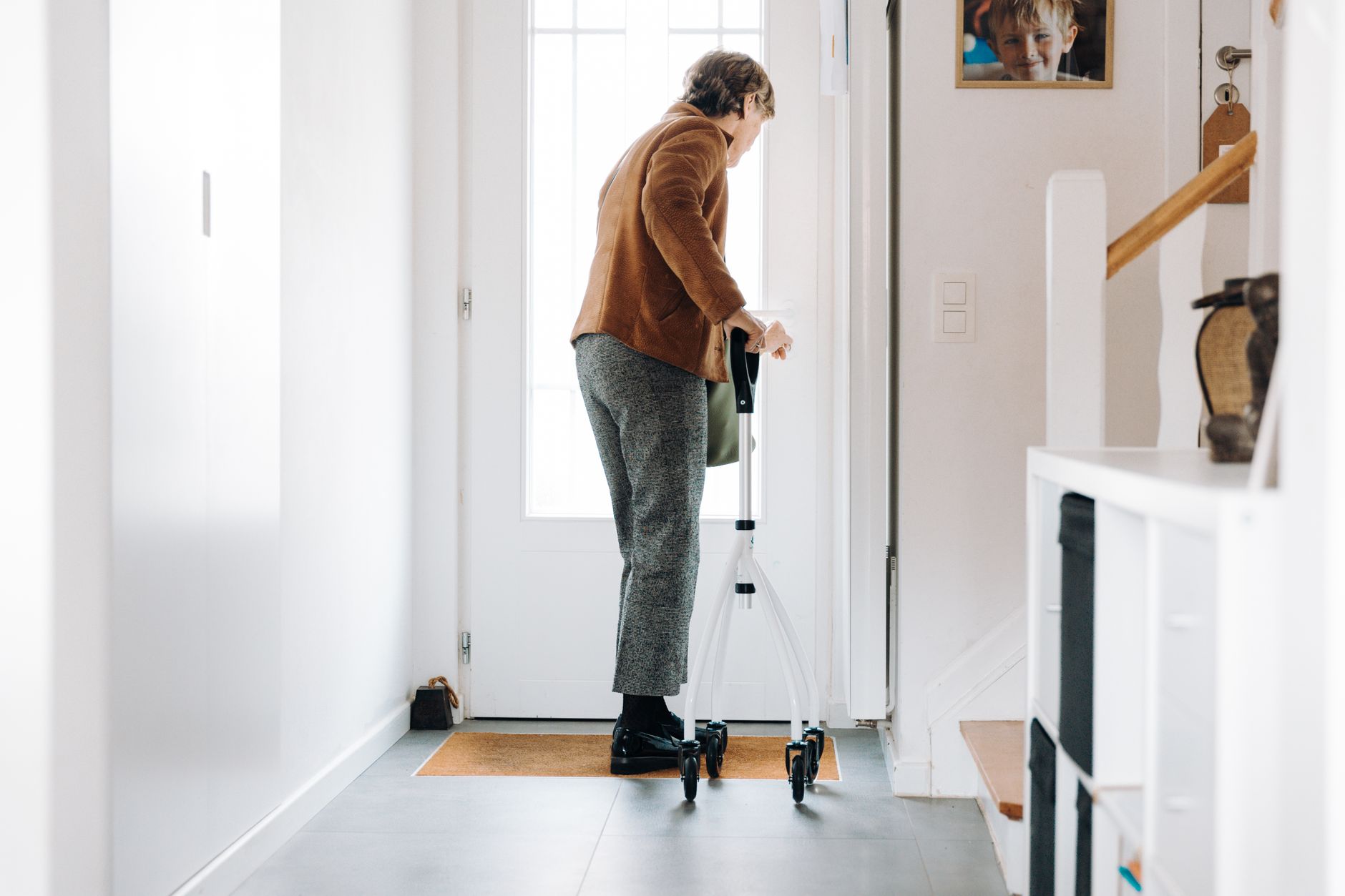
A 15% reduction in strength predicts slowness and functional decline over 12 years, but this decline can accelerate once it begins. A senior at 10% decline who stays sedentary may reach 15% within a few years. One who starts walking might stabilize at 10% or even improve. The window for prevention is essentially always open, but the cost of delay increases. One often-overlooked limitation is that some seniors fear falling or have had falls, which makes them afraid to walk. This fear is sometimes rational—a senior with poor balance or neuropathy does have increased fall risk. However, avoiding activity because of fall fear often causes the very deconditioning that increases fall risk. The solution is usually supervised walking (with a cane, with a friend, or in a structured program) rather than no walking, but this does require more planning and sometimes financial investment in community programs or physical therapy.
How Strength Training Complements Walking for Maximum Independence
Recent fitness research from 2026 highlights that strength training is a cornerstone of longevity, particularly in older adults. Walking alone builds aerobic capacity and leg endurance, but adding simple resistance training—even once or twice a week—addresses sarcopenia more directly and preserves muscle mass that walking alone might not fully restore. The American College of Sports Medicine’s 2026 fitness trends identified strength training as increasingly central to healthy aging. Research from Stanford’s Healthy Aging 2026 conference emphasized that strength and resistance training builds muscle that improves everything from cardiovascular health to brain function.
Older adults who engage in resistance training demonstrate increased neural activity and reductions in “brain age”—meaning the brain literally functions younger. Carrying groceries benefits from this: stronger muscles, better cardiovascular response, and sharper neural control all contribute to safe, confident movement while holding weight. A realistic approach combines walking as the primary, daily activity with one session per week of simple strength work: carrying heavier items during walks, using light dumbbells or resistance bands at home, or participating in a gentle strength class at a community center. This combination addresses both aerobic fitness and muscle preservation.
Looking Forward: The Prevention-Based Vision of Senior Independence
The evidence increasingly points to a simple but powerful insight: maintaining independence in old age isn’t primarily about managing disease—it’s about maintaining function through movement. Exercise is an efficient and cost-effective way to prevent loss of elderly functional ability, with documented benefits including independence in self-care activities, higher self-esteem, better quality of life, higher life expectancy, and lower mortality. These aren’t small benefits; they’re the fundamental measures of wellbeing in aging.
As the population ages and more seniors face the choice between dependency and activity, the case for daily walking becomes clearer. A senior who can carry their own groceries can also climb stairs to a bedroom, stand to prepare meals, and manage most daily life independently. The person who loses the ability to carry groceries has usually already lost much else. Walking—consistent, unspectacular, daily walking—is the most direct path to preventing that cascade.
Conclusion
Daily walks keep seniors carrying their own groceries because they rebuild the exact capabilities that independence requires: leg strength, balance, cardiovascular endurance, and confidence. The transformation doesn’t require a gym, expensive equipment, or a trainer. It requires consistency—roughly 20 to 30 minutes most days—and patience to wait for gains that usually appear within weeks but solidify over months.
For a 70-year-old who wants to remain autonomous in their own life, daily walking is both preventive medicine and practical training for the tasks that define independence. The choice is not between exercise and no exercise; it’s between the small, daily investment in walking now and the large, ongoing cost of dependency later. The research is clear: seniors who walk regularly maintain independence; those who don’t lose it. Starting today with a 20-minute walk around the block puts a senior on the path to carrying their own groceries for years to come.