
The grocery list of seniors who stay independent looks dramatically different from the standard shopping cart—not because they’re eating differently, but because they’re shopping for capability, not convenience. A 74-year-old who still manages her own household, prepares her own meals, and lives without in-home care isn’t buying pre-made dinners and meal-delivery boxes. Instead, her cart reflects deliberate choices: lighter packages she can carry, foods that don’t require complex preparation, proteins that support muscle maintenance, and staples that live in a pantry she can access without a step stool.
These groceries are, essentially, the physical manifestation of independence itself. The “grocery list” of seniors who remain independent isn’t just a shopping list—it’s a blueprint for what autonomous living requires. When a senior can still shop independently, prepare meals, and manage nutrition without relying on family or paid caregivers, their food choices become one of the clearest indicators of the independence they’ve maintained. This isn’t about specialized senior foods or supplements, but rather about realistic, practical choices that align with what their bodies can manage and what their living situations demand.
Table of Contents
- What Does the Independent Senior Actually Buy at the Grocery Store?
- The Physical Reality of Shopping and Food Preparation Capability
- Nutrition as a Foundation for Independence
- The Shopping Trip Itself as a Measure of Independence
- When the Grocery List Changes, Independence Is Changing
- Smart Staples for Sustained Independence
- The Future of Senior Grocery Shopping and Aging in Place
- Conclusion
- Frequently Asked Questions
What Does the Independent Senior Actually Buy at the Grocery Store?
Walk through the cart of an independent senior and you’ll notice patterns that tell a story about autonomy. Whole chickens disappear in favor of boneless, skinless breasts or pre-cooked rotisserie chickens—not because they’ve lost the ability to butcher, but because wrist strength and fine motor control matter differently at 75 than at 35. Canned beans replace dried ones, not due to laziness, but because boiling dried beans for two hours strains joints and demands sustained standing time. Fresh vegetables come in smaller quantities, often pre-cut, because a senior managing alone cannot use a five-pound bag of carrots before they spoil, and peeling and chopping take longer with arthritis in the hands. A 78-year-old managing independently might buy individually wrapped cheese instead of a large block—it’s not about avoiding waste, but about realistic portion management and the fact that opening and closing a large package repeatedly weakens hands.
The independent senior’s cart also reflects strategic thinking about what can actually be prepared in their kitchen. Slow-cooker meals become staples because they require minimal active cooking time and hands-on attention. Frozen vegetables appear regularly because they’re pre-cut, require no waste management, and are nutritionally equivalent to fresh while being more convenient. Bread from the bakery section—soft, easy to chew—replaces the bulk loaf that requires more jaw strength and risks becoming stale. Yogurt, cottage cheese, and eggs become dietary anchors because they’re simple protein sources requiring minimal prep work.
The Physical Reality of Shopping and Food Preparation Capability
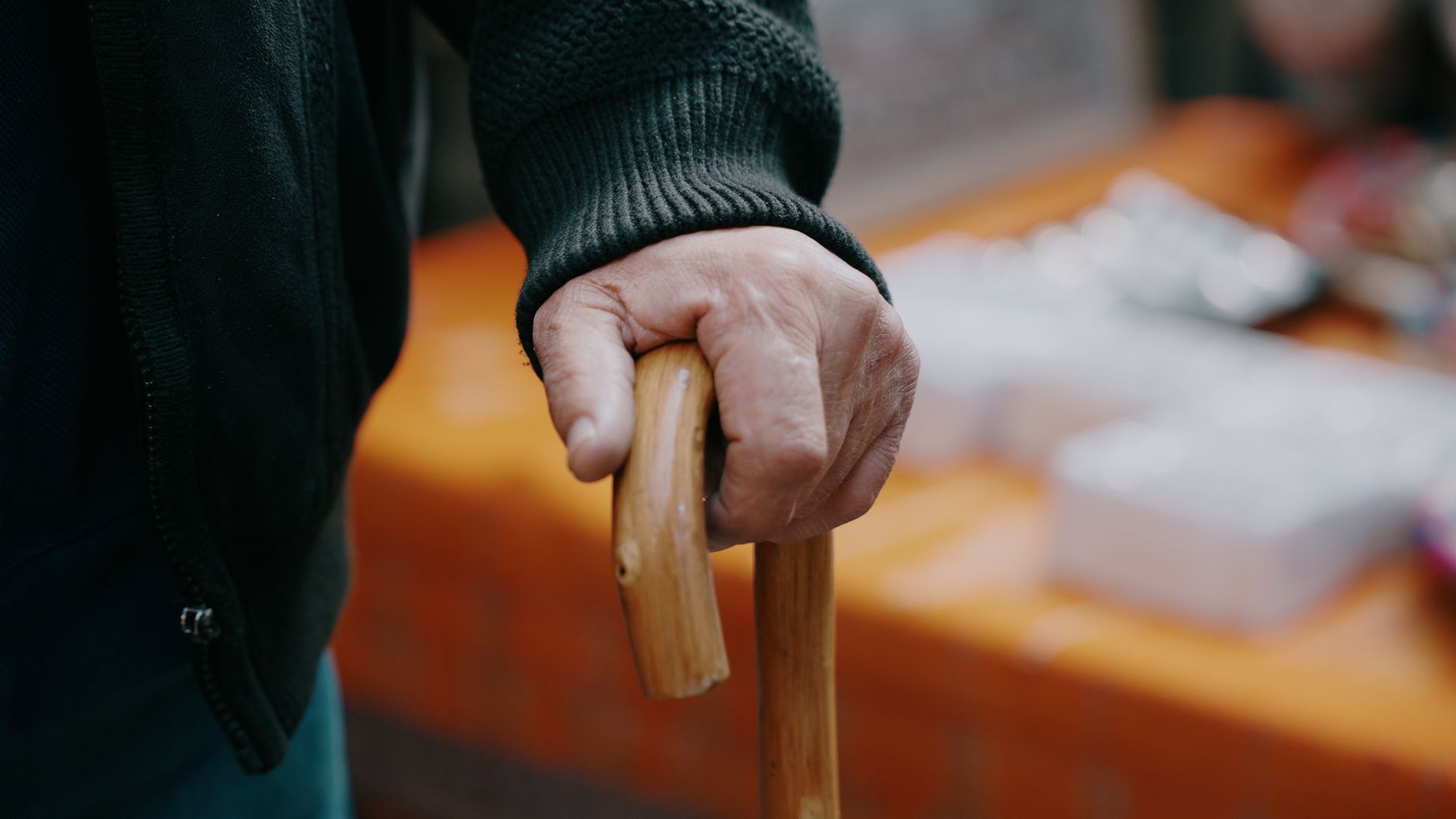
What seniors buy reveals what their bodies can actually do. A senior who remains independent isn’t shopping based on what their doctor recommends or what they think they should eat—they’re shopping based on what they can physically prepare and what won’t cause pain. This is where the grocery list becomes a reality check. If a senior has arthritis limiting grip strength, she won’t buy jars that require all her wrist force to open, even if she loves what’s inside. She’ll buy squeeze bottles of olive oil instead of glass jars, pre-shredded cheese instead of blocks, and pre-ground meat instead of whole cuts.
If balance is compromised, she won’t buy heavy bottles or oversized packages that require two hands to lift from the cart to shelf. The limitation here is significant: the grocery list also reveals what capabilities may be starting to fade. When a senior who previously shopped for elaborate meals suddenly shifts to simpler components, it often signals the beginning of independence-limiting changes. An increase in frozen meals, a move away from fresh produce, or a sudden preference for foods that don’t require cooking can indicate that meal preparation is becoming burdensome. This is why family members and caregivers sometimes notice a shift in grocery shopping patterns before they notice other signs of declining independence—the shopping cart becomes an early warning system that something functional has changed.
Nutrition as a Foundation for Independence
The independent senior’s grocery list is also a nutrition strategy, even if they don’t think of it that way. Seniors who maintain independence tend to buy foods that prevent the muscle loss, bone density decline, and nutritional deficiencies that accelerate dependence. Milk, yogurt, cheese, and fortified plant-based alternatives appear in their carts because calcium and vitamin D matter for bone health and fall prevention. Eggs, fish, lean meats, and legumes show up regularly because protein requirements actually increase with age—not decrease—and muscle loss accelerates the transition to dependence. A 71-year-old who remained independent through her 80s once described her grocery strategy: “I buy things that keep me strong.
That means protein at every meal, even if it’s just an egg. I buy fruits I actually like so I eat them. And I buy things I can prepare standing up.” The grocery choices also reflect awareness of what prevents common medical complications that end independence. Seniors buying high-fiber foods, water in manageable bottles, and foods low in sodium are often protecting themselves against the constipation, dehydration, and hypertension that can precipitate falls, hospitalizations, and the loss of autonomy. The senior buying apples, berries, and oatmeal is not just making healthy choices—she’s making independence-preserving choices. A comparison: a senior buying primarily processed foods and minimal fresh produce is often further along the dependence pathway than one whose cart includes protein, produce, and whole grains, even if both have the same diagnosis.

The Shopping Trip Itself as a Measure of Independence
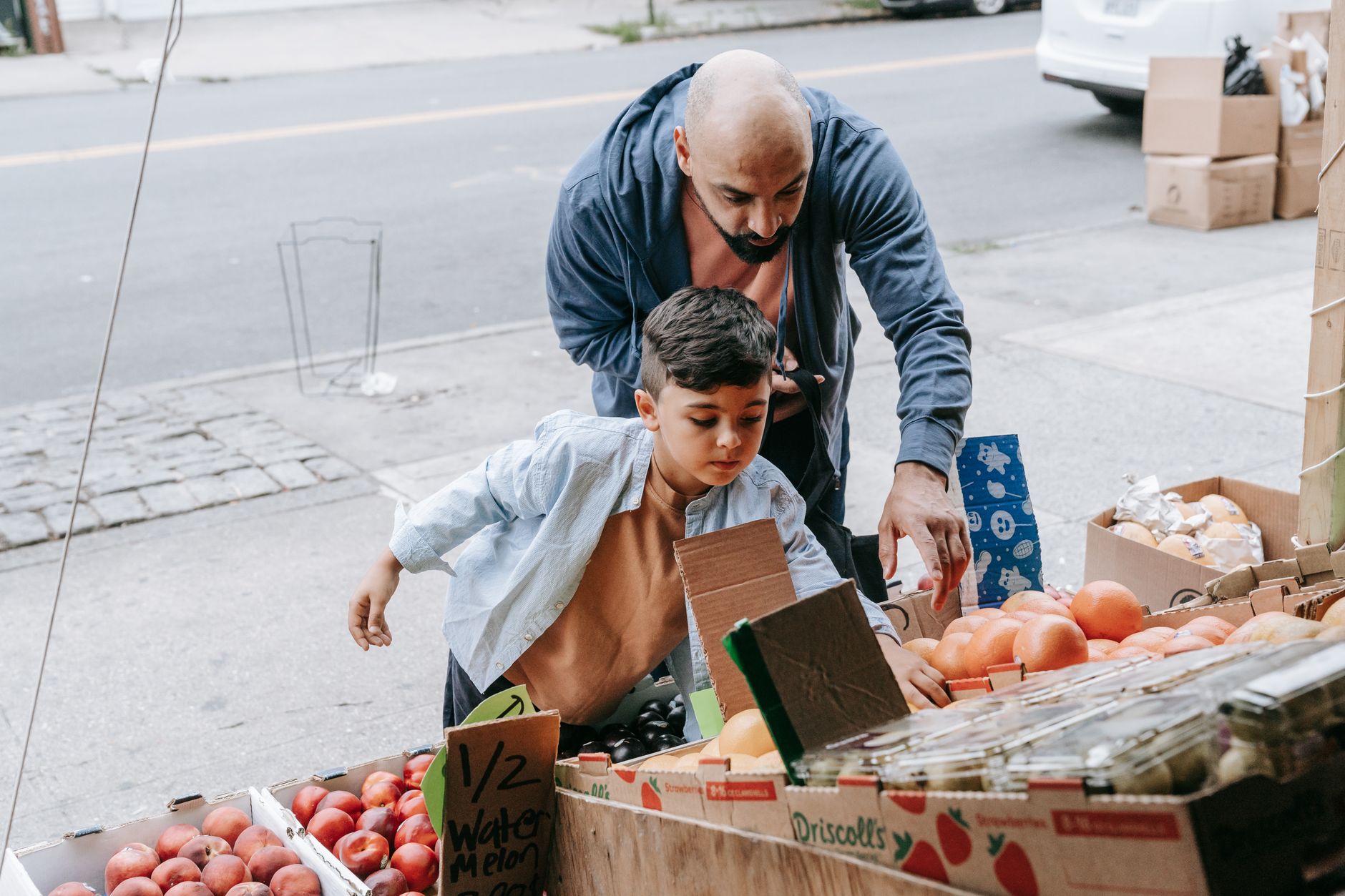
The ability to shop independently is often overlooked as a marker of autonomy, but the grocery list reveals whether that shopping is still physically possible. Seniors who remain independent often shift where they shop based on physical capability. A senior with reduced vision might move from a sprawling warehouse store to a smaller neighborhood grocery where she knows the layout and can navigate without reading small labels from a distance. One with limited energy might switch to a store where she can park closer to the entrance or where staff will help load bags.
The grocery list doesn’t just reflect what she’s buying—it reflects whether she’s still capable of getting to the store, navigating it, selecting items, and transporting groceries home. The tradeoff here is clear: staying independent requires acknowledging physical limitations and adapting the shopping strategy accordingly. A senior who insists on shopping at the warehouse store despite needing to walk through a massive building, climb to reach items, and lift a 40-pound bag of flour into a cart is eventually going to have a fall or injury that changes everything. The senior who adapts—using a cart at home, shopping at the store two blocks away instead of 15 minutes’ drive, ordering online for heavy items—is protecting her independence by being realistic about what her body can manage. The independent senior’s grocery list and shopping habits reflect not stubbornness, but wisdom about what’s sustainable.
When the Grocery List Changes, Independence Is Changing
One of the clearest warning signs that a senior’s independence is beginning to decline is a shift in grocery purchasing patterns. When a senior who previously bought vegetables and proteins suddenly begins buying primarily ready-to-eat foods, or when fresh foods start appearing less frequently, something in their ability to prepare meals has shifted. Family members who notice an independent parent’s grocery cart changing significantly should pause and consider whether physical changes, cognitive changes, or reduced energy levels are making meal preparation harder. A senior might not admit that cooking is becoming painful or that standing at the stove for 30 minutes is exhausting, but her grocery list will tell that story.
Another warning sign is the appearance of more processed foods with excessive sodium or sugar, often paired with an absence of fresh produce. This can indicate either reduced financial resources, reduced ability to prepare food, or reduced interest in eating well—all of which correlate with declining independence. Similarly, when a previously independent senior starts requiring family members to help with grocery shopping, or when she begins asking for meal delivery services, the shopping capability itself—one of the clearest markers of autonomy—has been compromised. The grocery list is not just what she eats; it’s evidence of what she can still do.
Smart Staples for Sustained Independence
The most resilient independent seniors tend to keep a consistent set of staples on hand—foods they can rely on regardless of how they’re feeling or what abilities might be declining on a particular day. These typically include: shelf-stable proteins (canned fish, beans, nut butters), frozen vegetables and fruits (requiring no prep, longer shelf life), eggs, cheese, yogurt, bread, rice, pasta, oats, and cooking oils. Having these on hand means a senior can prepare a nutritious meal even on a day when energy is low or pain is high.
A 76-year-old who managed independently for two more decades than her peers attributed much of her success to “never letting my pantry get empty. If I have eggs, beans, frozen vegetables, and rice, I can eat well. I never have to depend on someone bringing me food.” The practical wisdom here is that independence isn’t about making elaborate meals or following complex recipes—it’s about having reliable options that require minimal active preparation. A senior who keeps her kitchen stocked with staples that work with her physical and cognitive abilities is building resilience into her daily life.
The Future of Senior Grocery Shopping and Aging in Place
As more seniors wish to age in place, and as technology offers new solutions, the way independent seniors shop is slowly changing. Some are using online grocery ordering and home delivery, which removes the physical demands of shopping while maintaining control over food choices—a real advantage. Others are building relationships with local stores, asking staff to help with reaching items or carrying bags to cars. The future likely includes more technology-enabled options, but the fundamental principle remains: a senior who maintains control over what she eats and how she eats has maintained a crucial piece of independence.
Whether that control is exercised through in-store shopping, online ordering, or a combination matters less than the fact that it remains her choice. The grocery list of the independent senior, whether it’s handwritten and carried in a purse or managed through a phone app, remains one of the clearest windows into what independence actually looks like in practice. It’s not about perfection, specialized foods, or following expert nutrition guidelines to the letter. It’s about making realistic, sustainable choices that align with actual capability and that allow a person to feed herself, make decisions about her own nutrition, and remain an autonomous actor in her own life.
Conclusion
The grocery list of seniors who stay independent is fundamentally a list of realistic choices: foods that can be physically managed, prepared without assistance, and eaten in actual quantities that prevent waste and dependence on others. It reflects not what seniors should eat according to nutrition experts, but what they actually can eat given the physical, cognitive, and practical realities of aging. When a family member notices an independent parent’s grocery cart changing—becoming simpler, more processed, or less varied—it often signals that independence itself is shifting and that conversation about additional support may be needed.
The most important takeaway is that independence in aging isn’t maintained through willpower, diet plans, or specialized foods. It’s maintained through realistic assessment of capability, smart adaptation to physical changes, and the continued ability to make autonomous choices about basic needs like food. Supporting a senior’s independence means respecting her grocery choices as an expression of her autonomy, while also staying alert to changes that might signal she’s beginning to need more help than she’s currently receiving.
Frequently Asked Questions
Should seniors be buying specialized “senior” foods or supplements?
Specialized senior foods are rarely necessary. Standard grocery items—eggs, yogurt, canned fish, frozen vegetables, whole grains—provide everything needed. The focus should be on foods the senior can actually prepare and enjoy, not on specialized products marketed for age. Supplements should only be used if recommended by a doctor for a specific deficiency.
What should family members do if they notice a senior’s grocery list changing significantly?
A shifting grocery list can signal declining physical ability, cognitive changes, or reduced interest in self-care. Rather than criticizing choices, have a conversation: “I notice you’re buying more frozen meals—is cooking becoming harder?” This opens dialogue and lets you offer support where it’s actually needed, whether that’s meal prep, grocery delivery, or exploring kitchen adaptations.
Is online grocery shopping a good option for maintaining independence?
Yes, online shopping can preserve independence while removing physical demands. It allows seniors to make their own food choices and decisions while eliminating the need to navigate stores. However, it requires digital literacy or family help with ordering, so it works best for seniors comfortable with technology or those willing to learn.
How much should grocery shopping difficulty factor into decisions about moving or care options?
When a senior can no longer shop independently—due to inability to drive, navigate stores, or carry groceries—it’s a significant marker that other forms of support are needed. This doesn’t necessarily mean moving, but it does mean addressing how meals will be managed, whether through delivery services, family help, or community resources.
What’s the difference between a senior choosing convenience foods and a senior who needs convenience foods?
The difference is capability and choice. A senior choosing convenience occasionally while maintaining ability to prepare other meals is exercising independence. A senior who only buys convenience foods because preparation is no longer possible has lost meal-prep independence, which is worth addressing directly with support or adaptive solutions.