
Learning new skills directly protects your independence because it strengthens the cognitive and physical abilities you rely on every day to live on your own terms. When you actively train your brain through learning—whether mastering a new technology, taking a class, or developing a practical skill—you’re not just acquiring information. You’re building neural pathways that slow age-related decline, maintain your ability to handle daily tasks, and reduce your risk of losing mental sharpness. Research from the ACTIVE Study, which tracked participants over a decade, found that people who received cognitive training, particularly in speed and reasoning, maintained their independence in daily living activities far better than those who didn’t. The study’s results persisted for 10 full years, demonstrating that the protection isn’t temporary—it’s built into how your brain continues to function.
Consider the practical difference: someone who learns to navigate online banking, video calls, or prescription refill websites stays connected to essential services independently rather than depending on family members to handle these tasks. Another person who engages in reading, board games, creative pursuits, or even dance classes actively reduces their dementia risk while maintaining the cognitive flexibility needed to solve problems in real time. The protection isn’t just mental—cognitive training has been shown to attenuate age-related decline in physical function as well. When your mind stays sharp through learning, your body tends to follow. The challenge isn’t that learning doesn’t work. The challenge is that far too many people stop engaging in it.
Table of Contents
- How Cognitive Training Maintains Daily Living Skills
- The Digital Skills Gap and Its Impact on Independence
- How Learning Reduces Dementia Risk Across Your Lifespan
- Learning Preferences That Match How Older Adults Actually Learn
- Physical Function and the Mind-Body Protection Connection
- Functional Skills Training for Real-World Independence
- Looking Forward—How Emerging Research Is Expanding Protection
- Conclusion
How Cognitive Training Maintains Daily Living Skills
The relationship between learning and independence is measurable and evidence-based, yet many people over 60 have essentially stopped participating in formal training. According to recent data, only one-third of people aged 60-65 participate in any kind of training or skill development, compared to over half of people aged 25-44. This gap matters enormously because the skills that protect independence—reasoning through problems, processing information quickly, using technology, managing finances—all depend on continuous cognitive engagement. Without it, decline accelerates. The ACTIVE Study’s decade-long findings showed that speed training (helping people process information faster) and reasoning training (improving logical problem-solving) were particularly effective at preventing the loss of independence in instrumental activities of daily living. These aren’t abstract skills.
Instrumental activities include managing medications, paying bills, shopping, preparing meals, and using technology. When cognitive training slows or prevents decline in these areas, you maintain autonomy. The alternative—losing these capabilities—means depending on others for tasks that directly affect your safety and dignity. One important limitation: cognitive training works best when it’s sustained and challenging. A single class or app subscription won’t provide the same long-term protection as ongoing engagement with learning that pushes you mentally. The brain, like a muscle, requires consistent use to maintain strength. Someone who takes a computer class but never uses the skills afterward won’t retain the same protection as someone who practices online banking and video calls regularly.

The Digital Skills Gap and Its Impact on Independence
A significant barrier to independence in modern life is that roughly one-third of adults aged 55-65 lack basic computer skills entirely. This isn’t a minor inconvenience. Digital skills increasingly determine who can access healthcare (telehealth appointments, online prescription refills), manage finances (online banking, checking insurance claims), and stay connected to family. The problem deepens when you look at problem-solving in technology-rich environments—only 1 in 10 adults in this age group has medium-to-good skills in this area. This creates a scenario where older adults face a steep learning curve precisely when new technologies are becoming non-negotiable for independence. What makes this particularly challenging is that the willingness to learn and the ability to learn are there—the problem is access and framing. Research shows that 76% of older adults learn best by reading independently, and 71% prefer to gather information themselves before applying new knowledge. This preference for self-directed learning means traditional classroom settings or being talked through steps by younger family members often doesn’t align with how older adults actually learn best.
Modern functional skills training programs, including computer-based simulations that teach everyday technology tasks like online banking, prescription refills, and shopping, are starting to address this gap. But awareness and access remain limited. The warning here is stark: without basic digital literacy, maintaining independence becomes exponentially harder. You may not be able to refill prescriptions without waiting for someone to help. You can’t compare prices or access your medical records independently. Video calls with grandchildren become impossible. These aren’t luxuries—they’re increasingly the pathways through which essential services are delivered. Learning these skills isn’t optional if you want to maintain real independence.
How Learning Reduces Dementia Risk Across Your Lifespan
One of the most compelling reasons to engage in continuous learning is its documented impact on dementia prevention. The World Health Organization’s 2024 Lancet Commission identified 14 modifiable risk factors with the potential to reduce worldwide dementia incidence by 45%. Continued learning and cognitive engagement rank among these key interventions. This isn’t speculative—the evidence comes from large-scale epidemiological studies showing that people who engage in mentally and socially stimulating activities have measurably lower dementia risk. The types of learning that protect against cognitive decline are broad and accessible. Reading, playing board games, dancing, creating art, playing musical instruments, and learning new hobbies all reduce dementia risk.
What matters is that these activities engage your brain in novel ways and often involve social connection. Duke University research specifically found that continued learning in later life reduces dementia risk across entire populations, regardless of race, ethnicity, or prior education level. This means it’s never too late to start, and past educational achievement doesn’t determine your future risk—your current engagement does. The limitation worth acknowledging is that learning must be genuine cognitive engagement, not passive consumption. Watching educational videos doesn’t provide the same protection as working through a learning challenge where you have to think, problem-solve, and apply new information. Passive entertainment, even educational entertainment, doesn’t trigger the brain changes that protect against decline. This is why learning-by-doing approaches—where you actively practice and struggle with new material—remain superior to consumption-based alternatives.

Learning Preferences That Match How Older Adults Actually Learn
Understanding how older adults prefer to learn is crucial because learning only protects independence if it actually happens. Research on adult learning shows that the vast majority of older adults—76%—learn best through independent reading, gathering their own information before applying it. This is fundamentally different from how many training programs are designed. A person who prefers to read and research independently will disengage quickly from a situation where someone is hovering nearby, explaining steps verbatim or walking them through a process they need to think through themselves. This preference for self-directed learning suggests that effective programs should provide resources, time, and space for independent exploration rather than lecture-style instruction. Online tutorials designed for self-paced learning, books on new skills, and structured digital courses align better with how older learners are wired.
Among older Chinese adults studied, 61.7% showed active or neutral willingness to learn, and of those willing, 70.3% prioritized health-related learning. This suggests that when learning is framed around health, safety, and maintaining independence—rather than abstract career advancement or intellectual novelty—older adults engage more readily. The tradeoff is between depth and breadth. A self-directed learner who spends 20 hours mastering a single new skill may gain more lasting protection than someone who samples 10 different skills superficially. Patience with the learning process, especially when you’re rewiring your brain to do something new, is itself a skill. Rushing through instruction or expecting instant competence often leads to discouragement and abandonment, which negates any protective benefit.
Physical Function and the Mind-Body Protection Connection
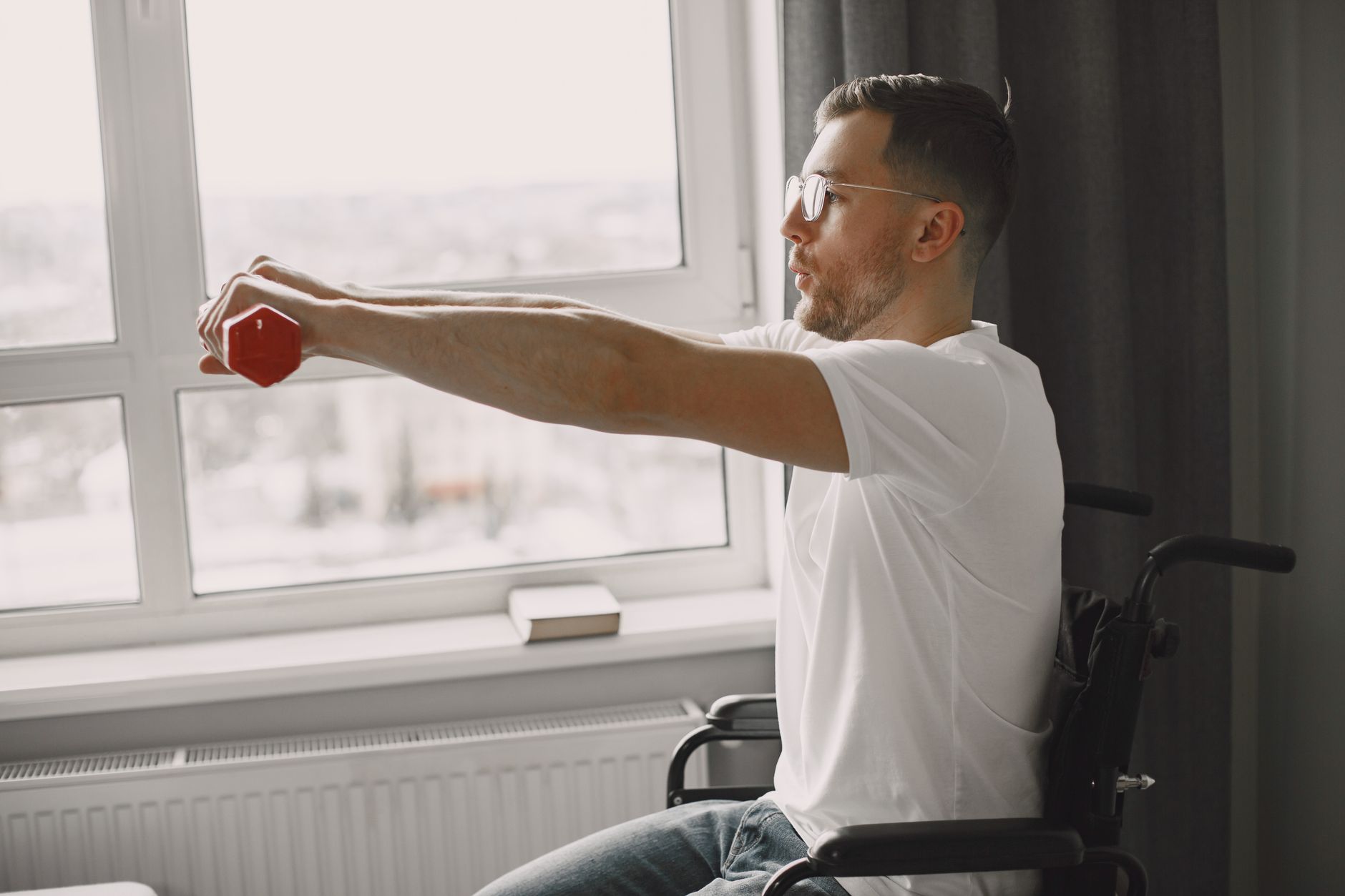
Cognitive training doesn’t just protect your mental abilities—it physically strengthens your capacity to perform the movements and tasks that keep you independent. Research has shown that cognitive training attenuates age-related decline in physical function across a 10-year period. This means that someone who engages in speed training and reasoning exercises doesn’t just think more clearly; they also experience slower decline in the physical activities that let them walk, climb stairs, balance, lift objects, and manage their environment. This mind-body connection matters practically. Physical decline and cognitive decline often reinforce each other. If your brain slows down and your confidence in navigating the world decreases, you tend to move less, which accelerates physical decline.
Conversely, maintaining cognitive sharpness supports the judgment, planning, and problem-solving needed for safe movement. A person with strong reasoning skills is more likely to ask for help when needed, set up their environment safely, and notice hazards. A person losing cognitive function may not realize they’re unsteady or that their medication has side effects affecting balance. The warning here is important: cognitive training protects function, but it doesn’t replace physical activity or medical care. Cognitive training works best as part of a broader approach that includes regular movement, social engagement, medical oversight, and sleep. Treating cognitive training as a standalone solution, while ignoring physical activity or health conditions, limits its protective benefit.
Functional Skills Training for Real-World Independence
Beyond traditional learning, newer functional skills training programs are specifically designed to teach the practical tasks that directly support independence. Computer-based programs now simulate everyday technology tasks—navigating online banking, refilling prescriptions, managing email, online shopping—in low-stakes environments where learners can make mistakes without consequence. These aren’t abstract computer skills. They’re direct rehearsals of the exact tasks you need to perform independently.
The advantage of functional skills training is that it bridges the gap between learning and doing. You’re not learning about technology in the abstract; you’re practicing the exact sequence of steps you’ll need to perform when sitting at your own computer to refill your medication or check your bank balance. This specificity matters for retention and transfer to real-world situations. Someone who practices these simulated tasks is more likely to transfer learning successfully to their actual device at home.
Looking Forward—How Emerging Research Is Expanding Protection
Recent 2025 studies are investigating how working memory training—the ability to hold and manipulate information in your mind briefly—affects reading skills and functional independence in aging adults. Working memory is foundational to many practical tasks: following instructions, managing finances, understanding medical information. As this research continues, it’s likely to reveal new, targeted ways to protect specific capabilities most critical to independence.
The broader landscape is shifting toward recognizing that learning isn’t a luxury for older adults—it’s a core health intervention. As healthcare systems increasingly understand the dementia-prevention benefits of cognitive engagement, more accessible, evidence-based learning programs will likely become available through health systems rather than only through private education. The challenge now is closing the participation gap: getting the people who most need these protections to engage with them.
Conclusion
Learning new skills protects your independence because it maintains the cognitive and physical abilities you depend on for autonomous living, reduces your dementia risk, and keeps you connected to essential services and relationships. Whether it’s mastering technology, engaging in creative pursuits, learning practical new skills, or maintaining intellectual curiosity, the evidence is clear: sustained learning is one of the most powerful tools available for protecting your ability to live on your own terms as you age. The path forward is personal.
It might mean taking a class at your library, finding online tutorials that match your preferred learning style, joining a group learning experience, or diving into reading about a topic that matters to you. The key is consistency and genuine engagement—learning that challenges you to think and do, not merely consume. The protection it offers isn’t just in years lived independently; it’s in the quality, dignity, and autonomy of those years.