
Many of the world’s longest-lived people—those who regularly reach 100 or beyond—share a dietary pattern that has become increasingly relevant to modern aging: they eat predominantly plant-based meals. This pattern isn’t found uniformly across all centenarian populations, but it shows up consistently in the world’s so-called Blue Zones, geographic regions where people live exceptionally long and healthy lives. Researchers studying the Okinawan population in Japan, the people of Ikaria in Greece, and communities in Costa Rica have documented that centenarians in these areas derive 95 percent or more of their daily calories from plant foods, with meat and dairy appearing only occasionally and in small quantities. The connection between plant-based eating and longevity isn’t simply about avoiding meat. Rather, it reflects a broader dietary pattern that emphasizes whole foods, fiber, phytonutrients, and reduced caloric density—factors that appear to protect against the chronic diseases that typically limit lifespan and independence in aging populations.
The Okinawan centenarians, for example, built their diet around sweet potatoes, leafy greens, legumes, and whole grains, which provided sustained energy without the inflammatory markers associated with shorter lifespans. For people focused on aging in place and maintaining mobility and function, understanding this dietary pattern offers practical insights that don’t require becoming fully vegetarian, but rather shifting toward plant-forward eating as a strategy for preserving health into advanced age. The evidence suggests that centenarians’ plant-based diets work partly through simple mathematics: whole plant foods are less calorie-dense than processed foods and animal products, making it easier to maintain a healthy weight without constant dietary restriction. Excess weight in older age accelerates joint degeneration, increases fall risk, and complicates conditions like diabetes and heart disease—all major threats to independence. A person eating primarily vegetables, legumes, and whole grains will naturally consume fewer calories while getting more nutrients, a combination that studies show correlates with slower aging at the cellular level.
Table of Contents
- What Makes a Plant-Based Diet Different for Longevity and Aging?
- The Inflammation Connection—Why Plant Foods Protect Aging Bodies
- Plant-Based Proteins and Maintaining Strength During Aging
- Transitioning to a Plant-Forward Diet—Practical Steps for Older Adults
- Nutrient Absorption and Supplementation Concerns
- Social Eating and Maintaining Connection in Plant-Based Transitions
- Long-Term Benefits Beyond Longevity—Quality of Life and Independence
- Conclusion
- Frequently Asked Questions
What Makes a Plant-Based Diet Different for Longevity and Aging?
The plant-based diets of centenarians differ from modern vegetarian or vegan diets in one crucial way: they emerged from necessity and geography rather than ideology. Meat was expensive and available only on special occasions, while legumes, whole grains, and seasonal vegetables formed the foundation of every meal. This dietary pattern naturally kept inflammation low, maintained gut health through consistent fiber intake, and provided sustained energy throughout the day. In Ikaria, a typical elderly person’s diet consisted of olive oil, legumes, whole grain bread, seasonal vegetables, and occasionally fish—a pattern that studies have linked to 20 percent lower mortality risk compared to Western diet patterns. For aging adults concerned with maintaining muscle mass and strength, plant-based diets were long considered problematic because of perceived protein deficiency.
However, research on actual centenarian populations shows this concern is overblown. The Okinawans consumed adequate protein from legumes (particularly soybeans and other beans), whole grains, and occasional seafood, maintaining lean muscle mass well into their 90s and 100s. The key difference from Western plant-based diets is the emphasis on whole foods rather than processed meat substitutes, and the consistency of the pattern throughout a lifetime rather than a sudden dietary shift in middle age. One practical limitation worth acknowledging: centenarians in these populations grew up eating this way from childhood, meaning their microbiota (gut bacteria) adapted over decades to efficiently extract nutrients from plant-based meals. An older adult switching to a high-fiber, plant-based diet for the first time may experience digestive adjustment, gas, and bloating for several weeks until the microbiota adapt. This transition challenge causes many people to abandon the diet before reaching the adaptation phase where the benefits become apparent.

The Inflammation Connection—Why Plant Foods Protect Aging Bodies
Chronic inflammation is sometimes called “inflammaging,” and it’s a primary driver of age-related disease and functional decline. As people age, their immune systems become chronically activated even in the absence of acute infection, releasing inflammatory molecules that damage blood vessels, joints, and organs. This low-grade inflammation accelerates cognitive decline, increases heart disease risk, weakens bones, and promotes arthritis progression—each of these directly threatens the independence and mobility that older adults want to preserve. Centenarians’ plant-based diets appear to suppress this chronic inflammation through multiple mechanisms: antioxidants and phytonutrients from colorful vegetables reduce oxidative stress, while the fiber fermentation in the colon produces short-chain fatty acids that calm immune activation. Studies of people following Mediterranean and Okinawan dietary patterns show 20 to 40 percent reductions in inflammatory markers like C-reactive protein and interleukin-6 compared to people eating Western diets heavy in processed foods and meat.
These aren’t minor metabolic changes—they correlate with preserved cognitive function, reduced arthritis progression, and lower rates of late-onset dementia. An older adult with advancing arthritis or mild cognitive decline who shifts toward a plant-forward diet may notice symptom improvement over three to six months, though the changes are gradual and won’t reverse established damage. A significant warning here: the anti-inflammatory effect is specific to whole plant foods. Someone eating a “plant-based” diet of french fries, vegan pastries, and processed meat substitutes gets little to no benefit. The fiber, polyphenols, and micronutrients that drive the anti-inflammatory effect require whole grains, beans, nuts, seeds, and abundant vegetables. Additionally, the transition itself can temporarily increase inflammation in susceptible people as the microbiota shift, which is why very rapid dietary changes sometimes cause people to feel worse before they feel better.
Plant-Based Proteins and Maintaining Strength During Aging
Sarcopenia—age-related muscle loss—is one of the most significant threats to independence in later life, as it directly reduces strength, balance, and the ability to recover from illness or injury. Many people assume that plant-based proteins are inadequate for maintaining muscle, but this reflects a misunderstanding of actual centenarian diets and how muscles respond to adequate protein from any source. The Okinawans derived about 9 to 10 percent of calories from protein (similar to Western guidelines of 0.8 to 1.0 grams per kilogram of body weight), but crucially, that protein came consistently every single day from legumes, whole grains, and soy products rather than from sporadic meat consumption. Legumes—beans, lentils, chickpeas, and peas—provide complete or near-complete amino acid profiles when combined with whole grains, a pairing that appears in nearly every traditional plant-based diet of long-lived populations. A meal of lentil soup with barley, for example, provides all nine essential amino acids in proportions suitable for muscle maintenance.
Research on vegetarian and vegan athletes shows that consistent protein intake from plant sources supports muscle maintenance and even strength gains, provided the total protein is adequate and distributed across meals. An 80-year-old following a plant-forward diet with three servings of legumes weekly and consistent whole-grain consumption can maintain muscle mass comparable to an omnivorous peer, though the difference matters most when combined with consistent resistance exercise. The practical advantage of plant-based protein for aging is that it arrives bundled with fiber, potassium, and micronutrients that support overall health, whereas animal protein often comes with saturated fat and cholesterol that increase cardiovascular disease risk. A serving of beans provides protein plus fiber that supports gut health and metabolic stability; a serving of meat provides protein plus fat and cholesterol that can increase inflammation markers in some older adults. For someone managing multiple chronic conditions, the package of benefits from plant protein is often preferable, even if the protein amount per serving is slightly lower.
Transitioning to a Plant-Forward Diet—Practical Steps for Older Adults
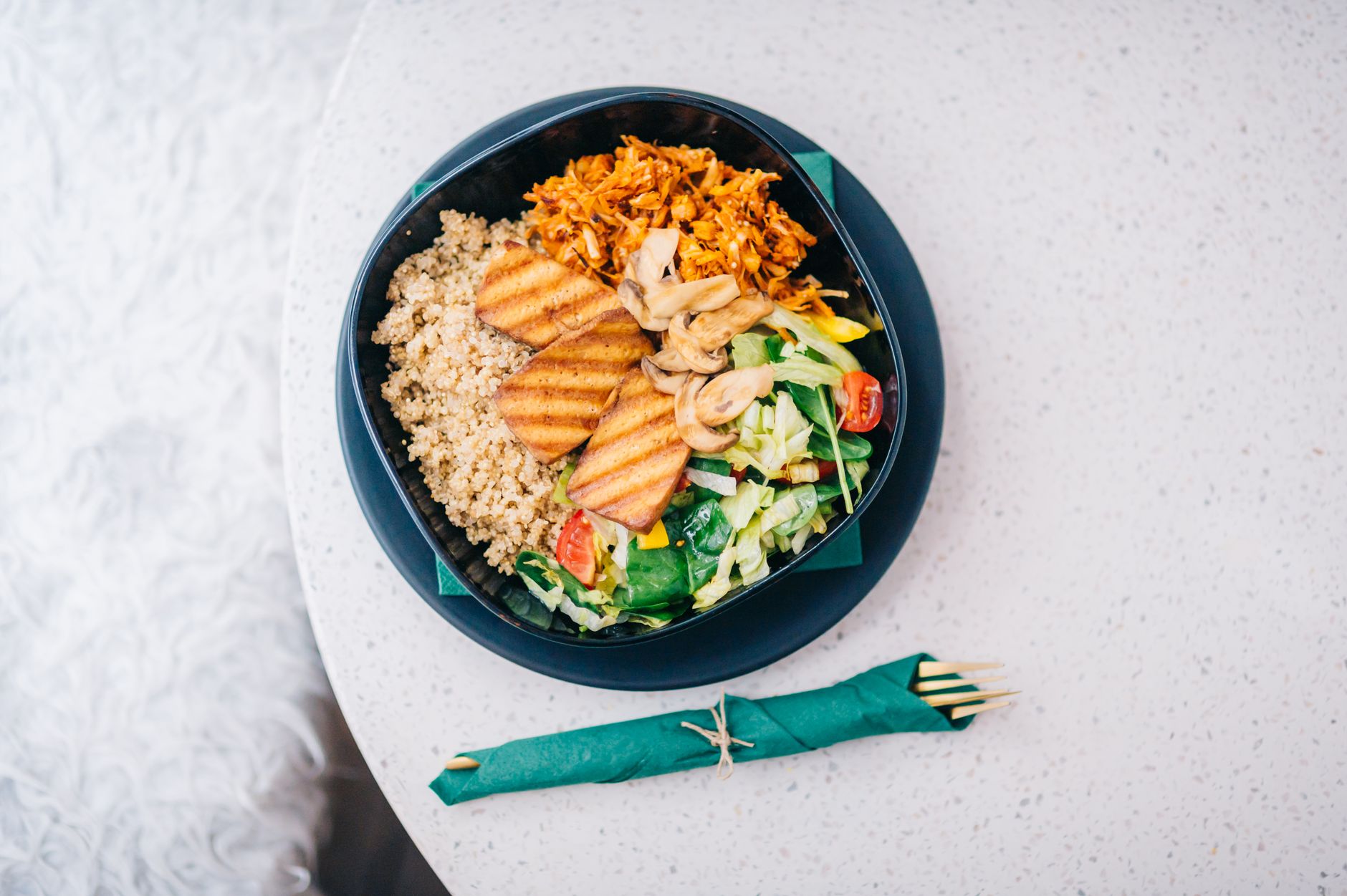
Complete dietary overhaul rarely works for older adults, and it’s not necessary to mimic centenarian diets perfectly to gain longevity benefits. Research suggests that people who shift from a high-meat, processed-food diet toward a diet where 70 to 80 percent of calories come from whole plant foods see significant health improvements within months, even if they continue eating fish, eggs, or occasional chicken. A practical approach focuses on building meals around legumes, whole grains, and vegetables rather than centering them on animal protein, which is often the reverse of how Western meals are typically structured. One effective transition strategy for older adults involves starting with familiar foods adapted toward plant-forward versions: bean-based chili instead of beef chili, lentil soup instead of chicken soup, vegetable stir-fry with tofu or chickpeas instead of meat stir-fry. Most older adults find they can switch out the protein source without dramatically changing meal structure or flavor.
The tradeoff is worth considering: plant-based meals often cost less, are easier to digest, don’t require refrigeration as urgently, and align with reduced cooking capacity that many aging adults experience. Someone with arthritis in their hands might find that opening canned beans and legumes requires less dexterity than processing raw meat. Practical considerations for mobility and independence: plant-based eating supports bone health through minerals like potassium, magnesium, and calcium, especially when legumes and leafy greens are abundant. For someone concerned with fall risk and fracture prevention, the mineral profile of a plant-forward diet is particularly beneficial. Another advantage is that high-fiber plant foods support healthy weight maintenance with less conscious restriction, meaning older adults don’t need to count calories or fight hunger as intensely to stay at a healthy weight—crucial for knees, hips, and overall functional capacity.
Nutrient Absorption and Supplementation Concerns
One legitimate concern with plant-based diets, particularly for older adults whose nutrient absorption may be compromised by reduced stomach acid or medication side effects, involves certain micronutrients. Vitamin B12, while abundant in fermented plant foods and some seaweeds in traditional diets, becomes less reliably available in modern plant-based eating and is essentially absent in Western plant-based diets unless supplemented. Centenarians in traditional plant-based populations often consumed fermented soy products (tempeh, miso) or small amounts of insects on vegetables, providing trace B12. Most modern older adults transitioning to plant-based eating need B12 supplementation or regular consumption of fortified foods, a fact that many people discover only after symptoms of deficiency develop. Iron absorption from plant sources is also less efficient than from animal sources, though not prohibitively so.
The strategy is combining iron-rich plant foods (legumes, dark leafy greens, whole grains) with vitamin C-rich foods (citrus, tomatoes, peppers) at the same meal to enhance absorption. An older adult with a history of anemia should monitor iron levels after dietary transition, as should those taking certain medications that interfere with iron absorption. Calcium absorption from plant sources is also lower than from dairy, requiring greater absolute intake, though research on long-lived populations shows that adequate calcium and vitamin D from sunlight and supplementation supports bone health without high dairy consumption. A critical warning: older adults taking blood thinners like warfarin cannot simply increase their plant intake without consultation with their physician or anticoagulation clinic, as the vitamin K content of leafy greens can interfere with medication effectiveness. Similarly, certain medications interact with high-fiber diets by reducing their absorption. An older adult shouldn’t view centenarian diets as a universal model without considering their individual medication regimen and any nutrient absorption compromises from age or previous medical conditions.

Social Eating and Maintaining Connection in Plant-Based Transitions
For many older adults, eating serves social and emotional functions as important as nutritional ones. Shared meals with family, friends, and community groups support mental health and motivation to maintain independence. A concern that sometimes arises when older adults transition to plant-based eating is whether they’ll be isolated at family meals or community events.
The practical answer is that most plant-based meals can fit into social eating contexts, particularly Mediterranean and Asian traditions that predate modern vegan ideology and include plant-centered meals as the cultural norm rather than the exception. An 82-year-old woman in one study of Blue Zone diets maintained strong family connections while eating primarily plant-based by suggesting family meals around shared legume dishes, vegetable preparations, and whole grains—foods that older family members often enjoyed anyway. Her grandchildren, who typically ate processed foods, found that her cooking made them feel better and provided energy without the afternoon crash they’d experienced with standard diets. The shift wasn’t positioned as ideological restriction but as a return to “grandmother’s way of cooking,” which is often more plant-centered than contemporary Western eating.
Long-Term Benefits Beyond Longevity—Quality of Life and Independence
The centenarians in Blue Zones don’t simply live longer; they remain functionally independent longer, which is the outcome that matters most to older adults aging in place. In Okinawa, centenarians maintained the ability to walk, garden, care for themselves, and participate in community life for decades beyond what modern medicine typically expects. Research suggests that this functional preservation stems partly from consistent nutrient intake that supports muscle and bone, partly from the lower inflammatory state that slows joint and cognitive degeneration, and partly from the stable energy and stable blood sugar that plant-based eating provides.
As healthcare and aging services evolve, evidence increasingly supports dietary intervention as one of the most accessible and modifiable factors in preserving independence. An 75-year-old who remains sedentary and overweight faces a much higher risk of mobility loss and premature dependence on others compared to a peer who maintains a healthy weight and engages in movement—both outcomes strongly correlated with plant-forward eating patterns. The future of aging in place will likely emphasize earlier adoption of centenarian dietary patterns, not as restriction or ideology, but as simple recognition that the foods that kept people strong and functional to 100 are the same foods that keep people functional and independent at 75.
Conclusion
The plant-based diet behind many centenarians is not a new discovery but a practical pattern that emerged across diverse populations—Okinawa, Ikaria, Costa Rica, and others—wherever circumstances made whole plant foods the foundation of eating and animal products the occasion rather than the rule. This pattern appears protective against the chronic diseases and age-related decline that threaten independence, functioning partly through lower inflammation, partly through naturally stable weight maintenance, and partly through sustained nutrient availability that supports muscle and bone preservation. The practical takeaway is not that older adults must become vegetarian, but that shifting meals toward centenarian patterns—building around legumes, whole grains, vegetables, and herbs—offers meaningful protection for the independence and functionality that older adults most want to preserve.
For someone concerned with aging in place and maintaining the ability to care for oneself, the centenarian dietary pattern offers a template that’s been validated not in short-term studies but across entire lifespans and entire populations. Starting with small shifts—replacing one meat-centered meal weekly with a legume-centered one, adding an extra serving of vegetables daily, trying whole-grain versions of familiar staples—creates momentum without overwhelming dietary change. The evidence suggests that older adults who make this transition often find that they feel better, move more easily, and maintain mental clarity more consistently than before, benefits that make the dietary shift feel practical and worthwhile rather than restrictive.
Frequently Asked Questions
Do I need to become completely vegetarian to get the benefits of a centenarian diet?
No. Research on Blue Zone populations shows that the benefit comes from making plants the foundation of meals while eating animal products occasionally, not from eliminating them completely. Even shifting from a meat-centered diet to one where 70 to 80 percent of calories come from whole plant foods produces significant health improvements.
Will I lose muscle mass if I switch to a plant-based diet?
Not if you consume adequate protein and maintain consistent resistance exercise. Centenarians maintained muscle mass on plant-based diets through legumes, whole grains, and soy products providing consistent protein, combined with physical activity. The key is adequacy and consistency, not the source.
How quickly will I see health improvements from shifting toward plant-based eating?
Most people notice improvements in energy, digestion, and weight within 4 to 8 weeks, though the adaptation period (particularly digestive adjustment from increased fiber) may take 2 to 3 weeks. Improvements in blood pressure, inflammation markers, and cognitive function often require 3 to 6 months to become apparent.
What supplements do I need if I eat a plant-based diet?
Vitamin B12 supplementation or fortified foods are essential for most plant-based diets in modern settings, as reliable sources are limited. Vitamin D supplementation is advisable for most older adults regardless of diet. Anyone taking blood thinners should consult their physician before increasing leafy greens significantly.
Can I follow a plant-based diet if I have digestive problems or take medications?
Plant-based eating is generally easier to digest than high-meat diets, but the transition to higher fiber requires gradual adjustment. Anyone with significant digestive issues or medication interactions (particularly blood thinners) should consult their healthcare provider before making major dietary shifts.
Will plant-based eating make it hard to eat socially with family and friends?
Most plant-based meals work well in social settings, particularly Mediterranean, Asian, and traditional cuisines that emphasize plant-centered dishes. Focusing on shared meals rather than positioning it as restriction usually integrates well into family eating patterns.