
Most older adults need significantly more protein than the outdated standard recommendation of 0.8 grams per kilogram of body weight—they need between 1.0 and 1.2 grams per kilogram daily to maintain muscle mass and physical function. For a 160-pound woman, this means roughly 73 to 88 grams of protein per day, while a 200-pound man should aim for 91 to 109 grams daily. This higher intake directly supports the independence that matters most in your later years: the ability to stand from a chair without assistance, climb stairs, carry groceries, and recover from illness without losing function.
The difference between adequate protein and optimal protein intake can mean the difference between aging in place and losing the strength needed for daily tasks. When older adults fail to get enough protein, they experience sarcopenia—age-related muscle loss that develops silently, often until a fall, illness, or simple fatigue reveals how much strength has already disappeared. Recent research shows that seniors consuming the higher, expert-recommended protein levels combined with just twice-weekly resistance exercise can stop or even reverse this muscle loss.
Table of Contents
- Why Protein Becomes Critical for Staying Independent
- The Protein Gap Between Official Guidelines and Clinical Reality
- Distributing Protein Throughout the Day for Maximum Effect
- Protein Sources That Work for Older Adults: Quality Matters
- Resistance Exercise and Protein: The Synergy That Stops Decline
- Affordable Protein Options for Seniors on Fixed Incomes
- Finding Your Protein Sweet Spot Based on Activity Level
- Conclusion
Why Protein Becomes Critical for Staying Independent
protein isn’t just about building muscle—it’s the structural foundation for everything that keeps you independent. Your muscles are what allow you to walk, sit, balance, and recover from physical stress. As you age, your body becomes less efficient at building muscle from the protein you eat, a process called anabolic resistance.
This means that the 0.8 grams per kilogram recommendation designed for younger adults simply doesn’t provide enough stimulus to maintain muscle tissue in your 60s, 70s, and beyond. Sarcopenia affects one in three people over age 60 and can develop quietly over years without obvious symptoms. A woman might notice she’s more tired climbing the stairs, a man might struggle to stand up from the couch without pushing with his arms—these aren’t signs of aging to accept, they’re signs of inadequate protein intake and insufficient exercise. The research is clear: seniors who consume 1.0 to 1.3 grams of protein per kilogram of body weight daily while doing progressive resistance exercise maintain strength and physical function that keeps them self-sufficient and reduces fall risk.
The Protein Gap Between Official Guidelines and Clinical Reality
The FDA recommends 0.8 grams of protein per kilogram of body weight daily for healthy older adults—this standard has been in place for decades and remains the baseline for most nutritional policy. However, major organizations including the National Resource Center on Nutrition and Aging and leading gerontologists now recommend 1.0 to 1.2 grams per kilogram daily, a significant increase that reflects what clinical evidence actually shows works for maintaining strength and independence. This gap exists because the original RDA was based on studies of young adults and doesn’t account for the biological changes that come with aging.
Your body becomes pickier about protein use as you age, so you need more total protein to achieve the same muscle-building effect. Additionally, activity level matters tremendously: a sedentary senior needs around 1.0 to 1.2 g/kg daily, a normally active senior needs 1.2 to 1.5 g/kg daily, and an active senior doing regular exercise should aim for 1.5 to 1.8 g/kg or higher. Following the older 0.8 g/kg guideline often leaves older adults in a slow but steady state of muscle loss, where the decline is noticeable only in retrospect.
Distributing Protein Throughout the Day for Maximum Effect
Spreading your protein across meals matters as much as the total amount. Experts recommend consuming 25 to 30 grams of protein at each main meal—breakfast, lunch, and dinner—to trigger muscle protein synthesis at each eating occasion. This even distribution is more effective than loading all your protein into one meal, because your body has a practical limit for how much protein it can use in a single sitting to build muscle.
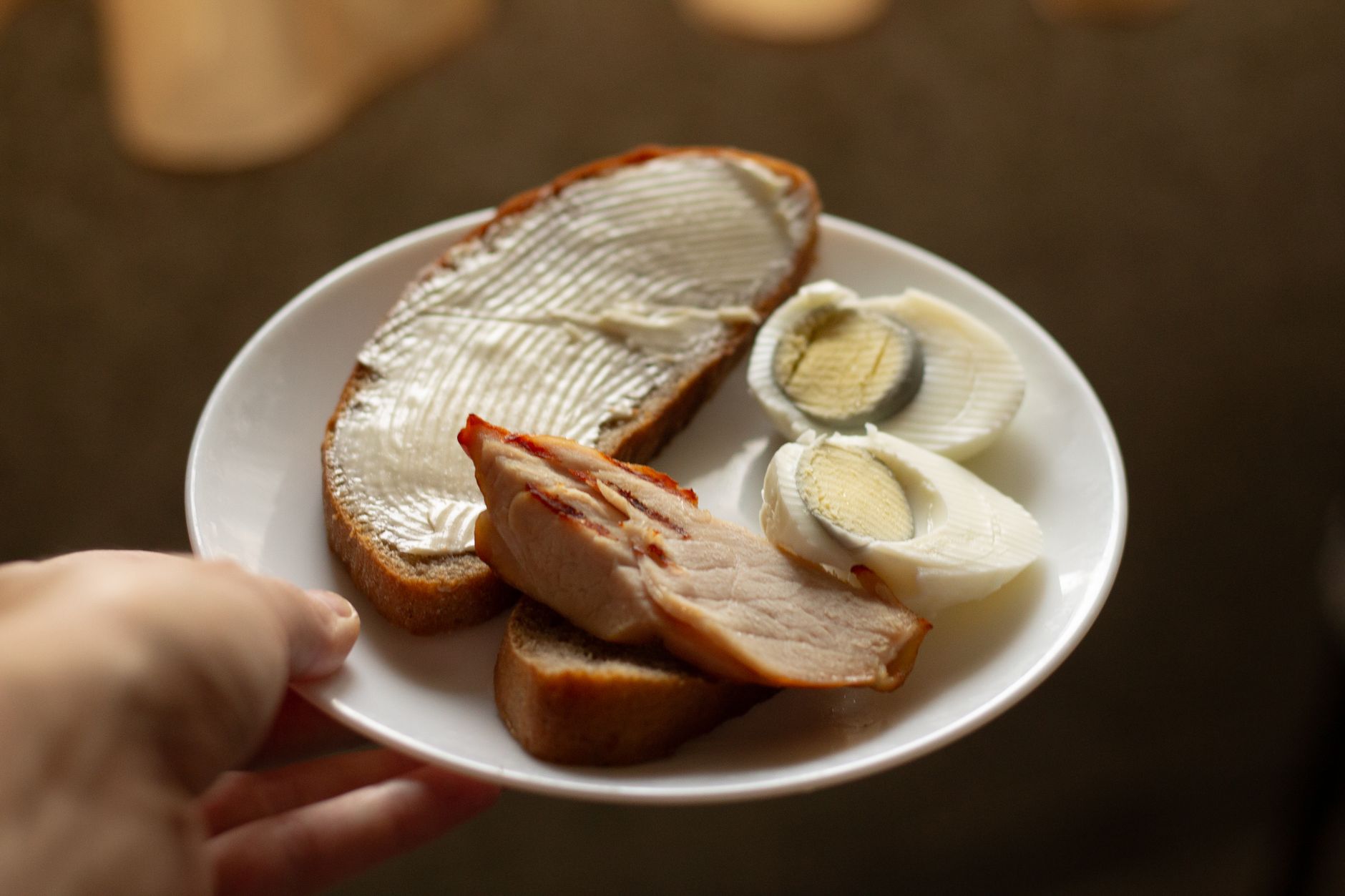
A practical example: instead of having toast and coffee for breakfast (containing perhaps 5 grams of protein) and then a 50-gram chicken breast for lunch, a better approach for muscle maintenance would be two eggs and oatmeal for breakfast (about 14 grams), a sandwich with turkey and Greek yogurt for lunch (about 28 grams), and salmon with vegetables for dinner (about 30 grams). This pattern triggers muscle-building responses three times daily instead of once. Many older adults naturally drift toward lighter breakfasts and dinners while concentrating food intake around lunch, a pattern that works against maintaining muscle mass.
Protein Sources That Work for Older Adults: Quality Matters
Not all protein is equally useful, though your body can ultimately build muscle from any complete protein source. Fish is particularly valuable for older adults because it provides high protein with minimal calories and adds omega-3 fatty acids that support joint and brain health. A 3-ounce serving of yellowfin tuna delivers 25 grams of protein with just 110 calories; cod provides 16 grams with 72 calories; halibut offers 19 grams with 91 calories. These are efficient protein sources that don’t load excess calories while meeting daily needs. Poultry and eggs are economical staples for protein intake.
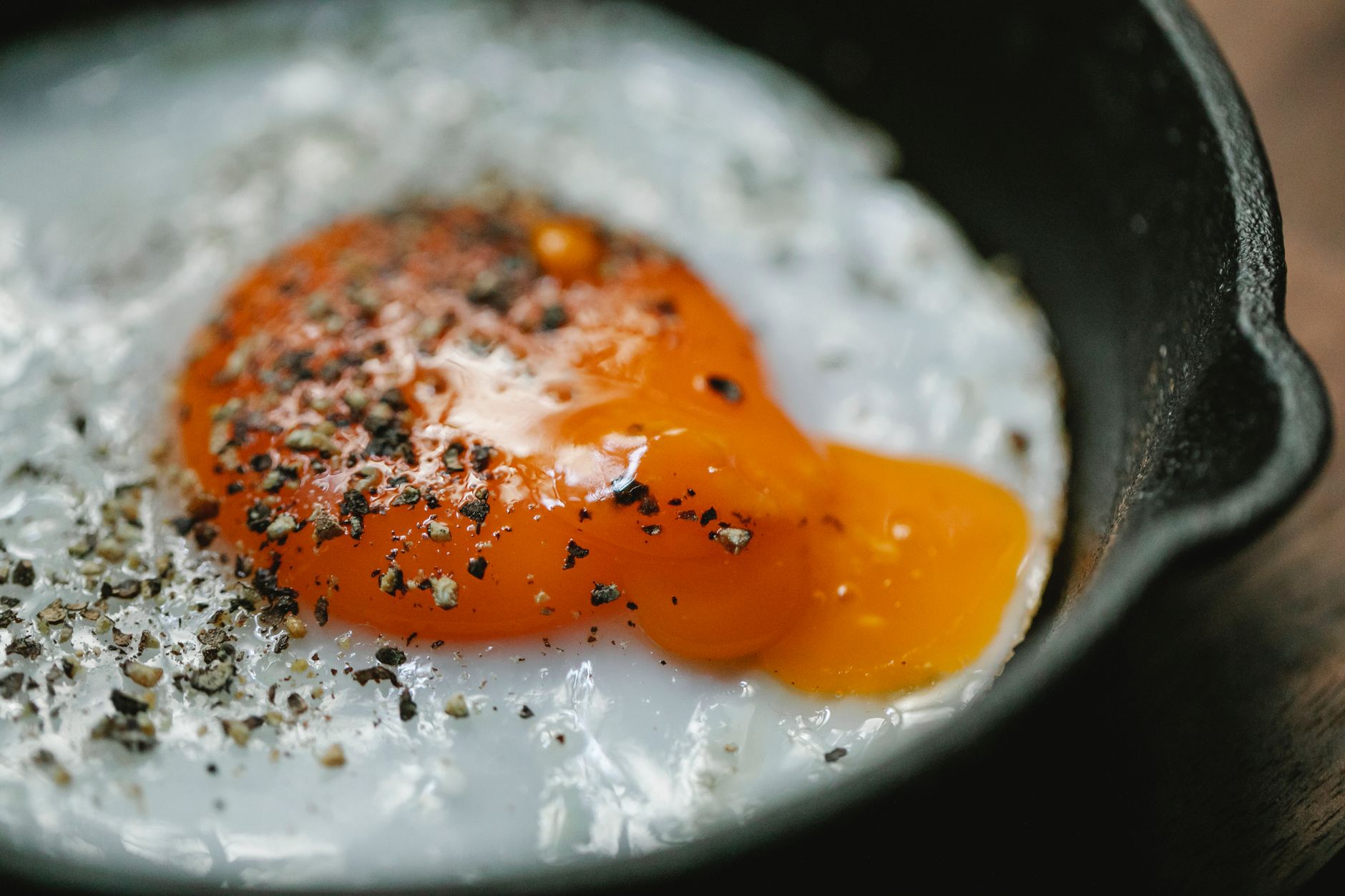
A 3-ounce chicken breast serving contains 25 grams of protein and can be prepared in dozens of ways to prevent meal fatigue. A large egg contains 6.24 grams of protein with 71 calories and requires no special preparation. Dairy provides both protein and calcium, which older bodies need for bone density: fat-free Greek yogurt contains up to 20 grams of protein per serving, while skim milk provides 8.3 grams per cup with only 83 calories. For older adults who are lactose intolerant, other options remain abundant. Plant-based sources include firm tofu with 22 grams of protein per half-cup, white beans providing nearly 25 grams per 2.45-ounce serving, and edamame offering a complete plant protein with all nine essential amino acids.
Resistance Exercise and Protein: The Synergy That Stops Decline
Protein alone cannot prevent muscle loss—it must be paired with the stimulus of resistance exercise to rebuild what’s being lost with age. Recent 2025 research published in Frontiers in Nutrition found that protein supplementation combined with resistance training significantly enhances muscle strength and mass in healthy older adults, with improvements ranked second only to creatine supplementation. The good news is that resistance exercise doesn’t mean joining a gym or lifting heavy weights; it can mean bodyweight exercises, resistance bands, or light weights performed at home.
A critical limitation exists: once you exceed 1.3 grams of protein per kilogram of body weight daily, the additional benefit rapidly diminishes, especially during resistance training. This means a 180-pound man doing twice-weekly resistance exercise probably won’t gain additional strength benefits from going above 107 grams of protein daily, even though marketing messages often suggest more is always better. The 2025 research on elderly females with sarcopenia showed that higher protein intake enhances muscle cross-sectional area while reducing intermuscular fat and subcutaneous fat, improvements that directly support mobility and physical capability. However, this assumes the person is also doing resistance exercise; without it, extra protein simply doesn’t provide added benefit.

Affordable Protein Options for Seniors on Fixed Incomes
Protein requirements don’t have to strain a limited budget. AARP identifies several affordable high-protein options for older adults on fixed incomes that meet protein needs without excessive cost. Eggs remain one of the cheapest reliable protein sources at typically less than 25 cents per egg, providing nearly 6 grams of protein each. Canned fish like tuna and salmon are shelf-stable, affordable, and convenient, providing 15 to 25 grams of protein per can.
Dried beans and lentils, bought in bulk, cost pennies per serving and deliver substantial protein when combined with grains; a cup of cooked white beans provides nearly 25 grams of protein for less than a dollar. Ground turkey and ground beef, especially when purchased at sales or from budget markets, provide economical protein options that work in soups, casseroles, and mixed dishes to stretch serving sizes. Greek yogurt often goes on sale at grocery stores and lasts longer than other dairy products. Peanut butter, which contains 7 to 8 grams of protein per two-tablespoon serving, is affordable and shelf-stable. The key for budget-conscious seniors isn’t identifying premium protein sources—it’s consistency and variety, combining affordable options to reach daily targets.
Finding Your Protein Sweet Spot Based on Activity Level
The protein recommendation that works best for you depends on your current activity level and resistance exercise habits. Sedentary seniors need approximately 1.0 to 1.2 grams of protein per kilogram of body weight daily to slow muscle loss—this is better than the outdated 0.8 g/kg standard but reflects a less active lifestyle. Normally active seniors who exercise moderately should aim for 1.2 to 1.5 g/kg daily, providing additional protein to support the muscle-building stimulus from their activity. Active seniors engaged in regular resistance training benefit from 1.5 to 1.8 g/kg daily or higher, taking full advantage of the exercise stimulus to rebuild muscle.
An important limitation: no amount of protein can compensate for complete physical inactivity. A completely sedentary person consuming 1.5 grams of protein per kilogram won’t reverse sarcopenia—protein only works when paired with at least some resistance stimulus. Conversely, someone doing twice-weekly resistance exercise but consuming only 0.8 g/kg won’t see the muscle-building benefits they could achieve with adequate protein. The combination is what matters: the right amount of protein plus regular resistance exercise creates the conditions where your body can maintain and even build muscle in your 60s, 70s, 80s and beyond.
Conclusion
The amount of protein older adults need to stay strong and maintain independence is significantly higher than outdated official guidelines suggest. Aiming for 1.0 to 1.2 grams of protein per kilogram of body weight daily, distributed across three meals of 25 to 30 grams each, combined with twice-weekly resistance exercise, is evidence-based practice that stops the decline in strength and physical function. This approach isn’t aspirational—thousands of older adults follow this model every year and maintain the independence that allows them to live without assistance in their homes and communities.
The next step is to assess where you currently stand. Calculate your current protein intake over a typical day, note how it compares to your target based on your activity level, and identify which affordable protein sources fit your preferences and budget. If you’re not doing any resistance exercise, even simple bodyweight movements or resistance band work twice weekly paired with adequate protein creates noticeable changes within weeks. Talk to your doctor before making major dietary or exercise changes, but know that the science strongly supports you having much more strength, independence, and capability in your later years than previous generations assumed possible.