
Respecting autonomy keeps seniors healthier because it directly engages the biological and psychological systems that prevent decline. When older adults maintain control over their daily decisions—from what time they wake up to how they spend their afternoon—their blood pressure stays more stable, cognitive function remains sharper, and their motivation to stay active increases measurably. A 72-year-old who chooses to take a daily walk on her own terms will walk more consistently and with greater purpose than one told she must exercise by her family; the difference isn’t just habit, it’s neurochemistry. Autonomy acts as a protective factor against the cascade of health problems that often accompany aging.
Loss of control over one’s life correlates with depression, faster cognitive decline, weakened immune response, and even shorter lifespan. When seniors lose the ability to make decisions—even small ones—they experience elevated cortisol levels, reduced engagement with their environment, and a measurable decline in physical functioning. This isn’t pessimism or resistance to help; it’s a documented physiological response to powerlessness. The paradox many families face is that helping too much can harm more than leaving someone to struggle alone. The challenge is finding the middle ground where seniors receive genuine support without losing the autonomy that keeps them vital.
Table of Contents
- How Does Autonomy Affect Physical Health and Longevity in Older Adults?
- The Mental Health Impact of Losing Decision-Making Power
- How Autonomy Supports Physical Activity and Mobility
- Supporting Autonomy While Managing Real Safety Concerns
- When Cognitive Decline Complicates Autonomy
- Autonomy in Long-Term Care and Assisted Living Settings
- The Future of Senior Care: Autonomy as a Health Outcome
- Conclusion
- Frequently Asked Questions
How Does Autonomy Affect Physical Health and Longevity in Older Adults?
Autonomy influences physical health through multiple pathways. When seniors maintain decision-making power, they experience lower inflammation markers, better blood sugar regulation, and improved cardiovascular function. Research consistently shows that people who feel in control of their circumstances have stronger immune systems, recover faster from illness, and live longer. By contrast, seniors who are overruled or micromanaged show signs of learned helplessness—they stop initiating activity, their physical deconditioning accelerates, and their health problems compound. Consider the difference between two residents in assisted living. one resident chooses when to exercise, what to eat from available options, and how to structure her day.
Another is on a fixed schedule determined by staff, told what to wear and when to participate in activities. The first resident maintains better muscle tone, experiences fewer falls, and remains engaged with life. The second often gains weight, loses strength rapidly, and withdraws socially. The activities available are identical; the autonomy is not. The biological mechanism is straightforward: autonomy activates the parasympathetic nervous system, the body’s recovery mode, while loss of control activates the sympathetic fight-or-flight response. A senior living in constant fight-or-flight—because every decision requires approval—experiences chronic stress physiology that accelerates aging at the cellular level. This is not merely emotional; it’s measurable in hormone levels, immune function, and tissue repair capacity.

The Mental Health Impact of Losing Decision-Making Power
Mental health and autonomy are inseparable in older age. Depression rates are dramatically higher in seniors who have lost control over their lives, whether through institutionalization, family overprotection, or circumstances beyond their control. This depression isn’t simply sadness; it’s the psychological response to powerlessness, and it carries physical consequences: weight loss, appetite suppression, reduced sleep quality, and worsening of existing medical conditions. Cognitive decline accelerates when seniors stop making decisions. The brain is an organ that strengthens through use, and decision-making—from complex choices to simple daily selections—exercises the prefrontal cortex and maintains neural connections.
A senior who stopped choosing what to wear, when to eat, or how to spend the day experiences faster cognitive decline than one who maintains these choices. Studies of people with dementia show that those allowed autonomy in small decisions maintain better cognitive function longer than those in purely custodial care, even when the dementia severity is identical. One limitation worth noting: autonomy doesn’t mean the senior makes perfect decisions. An older adult who chooses to skip meals or refuse medication isn’t exercising healthy autonomy; they may be depressed, confused, or acting against their stated long-term values. The goal is not unlimited autonomy but informed autonomy—the ability to make decisions with full understanding of consequences. This requires caregivers to engage, educate, and sometimes redirect, but always with the senior’s input.
How Autonomy Supports Physical Activity and Mobility
Seniors who control their own movement patterns move more and remain more mobile over time. This is not because they’re naturally more active, but because self-directed activity feels purposeful rather than obligatory. A senior who decides to walk to the mailbox and back engages in the activity with attention and intention, practices balance and coordination, and reinforces the neural pathways supporting mobility. One who is taken on a supervised walk may move through the motions without the same cognitive engagement. The difference compounds over months and years.
A 68-year-old who maintains autonomy over her daily routine might notice she’s walking slightly slower and adjust by doing gentle stretches before her morning walk. A 68-year-old in a program where activities are prescribed might decline until the prescribed activity becomes impossible, at which point she stops moving significantly. Autonomy creates the feedback loop that allows self-adjustment and motivation. Real-world example: An independent senior living in his own home with family support nearby will typically maintain better mobility than an equally healthy senior in a controlled environment, even if the controlled environment offers superior facilities. The independent senior uses stairs, navigates obstacles, and carries groceries—daily movement challenges that maintain function. The controlled environment eliminates barriers, which eliminates the challenges that keep muscles and balance systems sharp.
Supporting Autonomy While Managing Real Safety Concerns
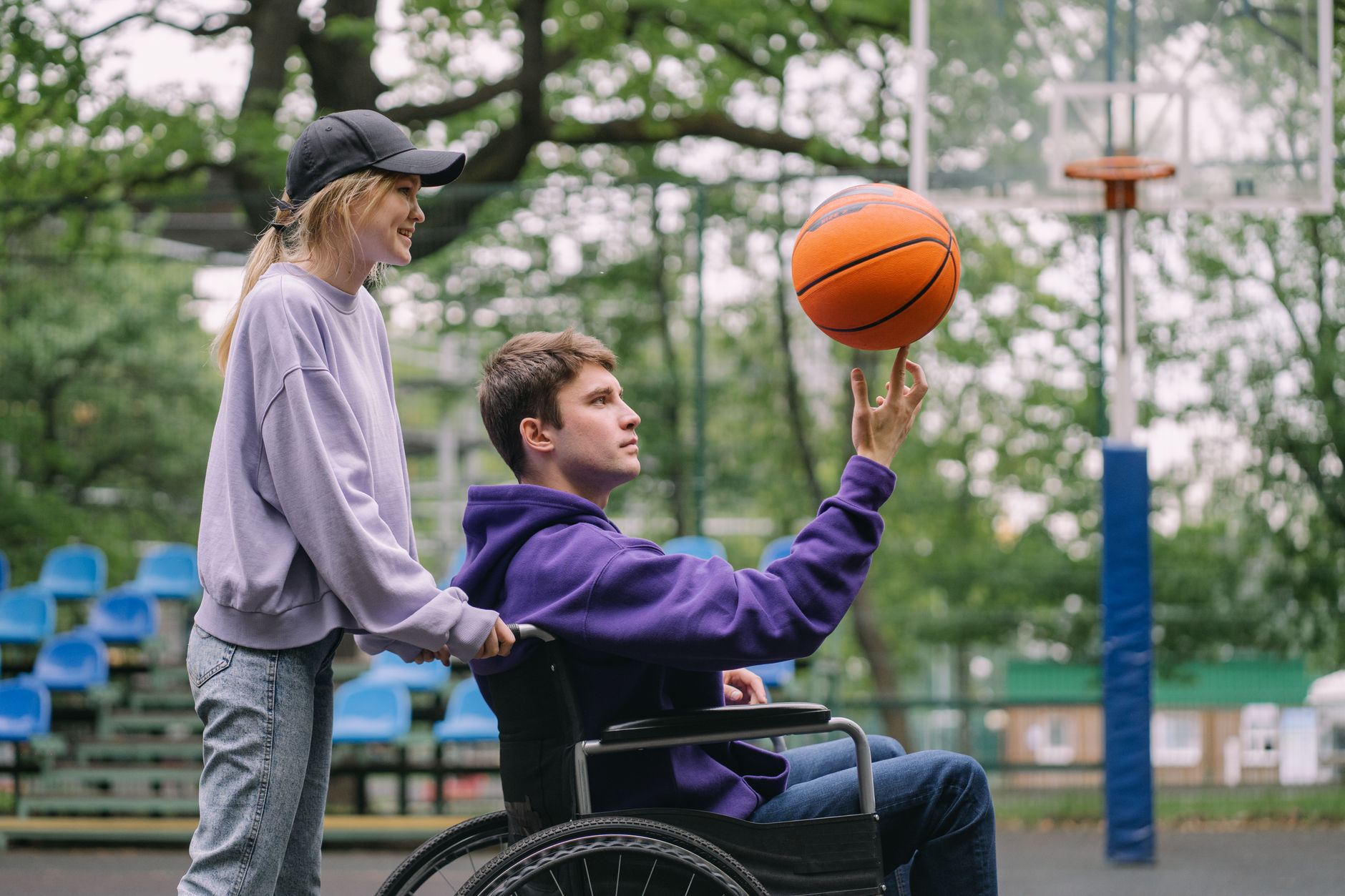
Many families face a genuine conflict: supporting autonomy while preventing harm. An older adult who wants to continue cooking despite reduced vision or hand tremor, or who wants to drive despite slower reaction times, presents real safety questions. The solution isn’t to remove the activity but to modify the conditions while preserving autonomy. This might look like: instead of banning cooking, installing better lighting and purchasing adaptive equipment like easy-grip handles and single-handed can openers. Instead of removing driving, arranging driving assessments, limiting driving to daytime routes on familiar roads, or exploring community transportation. Instead of moving a senior to assisted living because of fall risk, installing grab bars and removing hazards while allowing the senior to continue managing their home.
These approaches require more creativity and effort than simply restricting the activity, but they preserve the autonomy that keeps the senior engaged and motivated. The tradeoff is clear: perfect safety achieved through complete control produces a dependent, declining person. Imperfect safety with preserved autonomy produces an engaged, stronger person with lower mortality risk. Most families discover that their worst-case scenarios rarely occur once they stop hovering. The senior who might fall while gardening might be stronger and happier than the senior who sits in a chair waiting for help. This doesn’t mean ignoring danger, but it does mean tolerating calculated risk.
When Cognitive Decline Complicates Autonomy
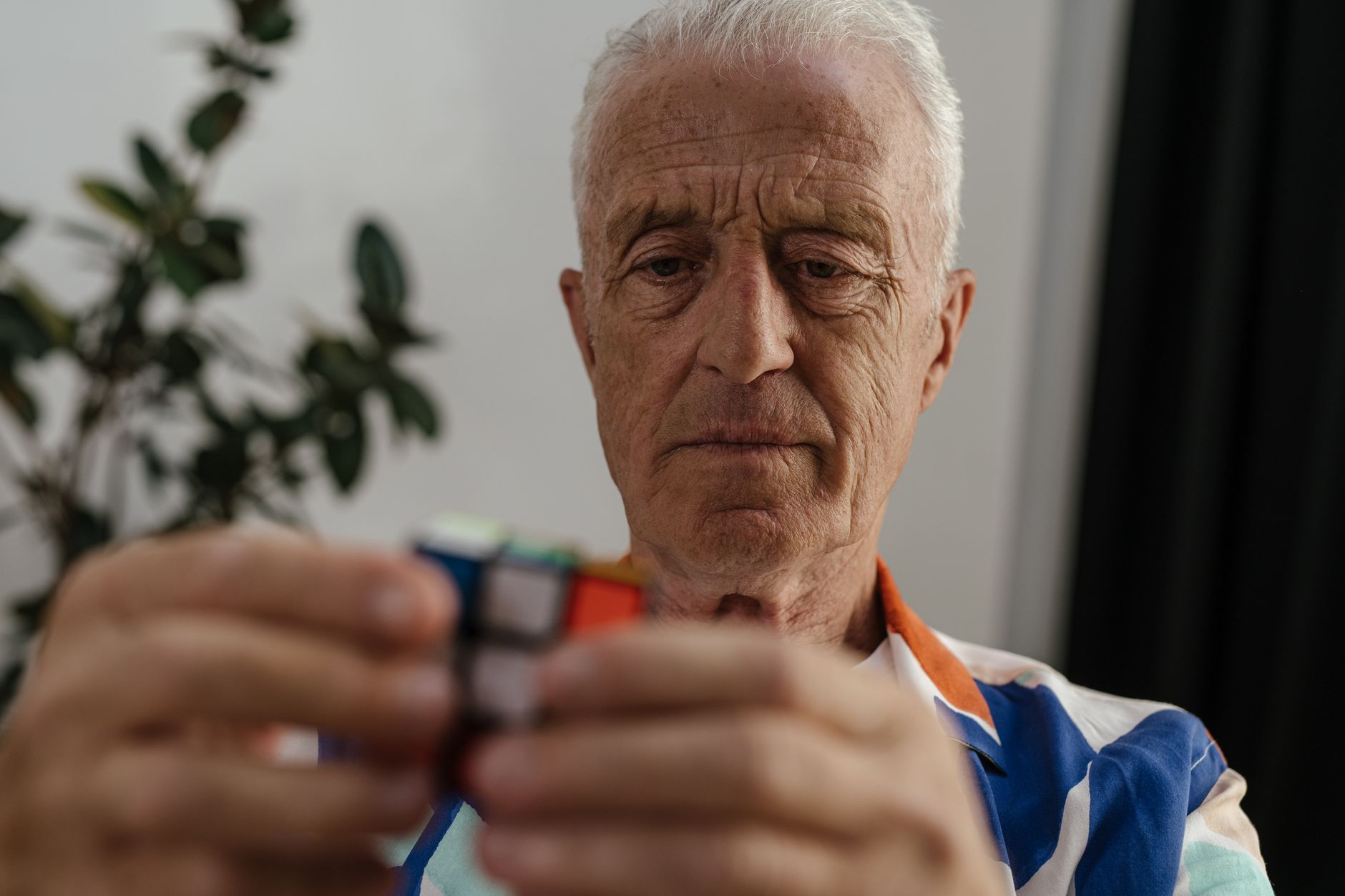
Advanced dementia presents the most difficult challenge to autonomy because the person may no longer have the cognitive capacity to make safe decisions. Early-stage cognitive decline, however, is often an opportunity rather than a problem. Many seniors with mild cognitive impairment or early dementia benefit enormously from preserved autonomy in daily decisions, even as they lose capacity in complex areas. A senior with mild cognitive decline might no longer manage medications safely but can still choose what to eat, when to rest, and how to spend free time.
The key is to adapt the environment and support level, not to eliminate all autonomy. Someone who keeps forgetting to take medication might benefit from a pill organizer they can see and a daily check-in call, not a caregiver controlling every aspect of life. The warning here is that families often over-restrict autonomy based on isolated incidents—one bad financial decision becomes blanket financial control, one forgotten medication becomes supervision of all daily decisions. The limitation of autonomy in advanced dementia is real: someone with severe dementia cannot consent to their own care and must have a surrogate decision-maker. But even in late-stage dementia, small autonomies—choosing between two outfits, directing attention to preferred activities, expressing preferences—maintain dignity and quality of life.
Autonomy in Long-Term Care and Assisted Living Settings
Institutional settings are where autonomy most easily disappears, and where the consequences are most visible. A senior in assisted living who has no say in meal times, activity schedules, or room arrangements experiences profound loss of control. Some facilities address this through individualized care plans that preserve choice within operational constraints.
These residents show better health outcomes, lower depression rates, and better cognitive preservation than those in settings with rigid schedules. Example: A facility that allows residents to choose when to shower (within available staff support), what to wear daily, which activities to attend, and how to arrange their room shows markedly better resident outcomes than an identical facility with fixed schedules and predetermined activities. The operational burden is greater, but the health results justify it.
The Future of Senior Care: Autonomy as a Health Outcome
The most progressive senior care models now track autonomy preservation as a health metric alongside blood pressure and cholesterol. The understanding that autonomy itself is medicine—not merely a quality-of-life preference—is reshaping how aging is approached. Technology is enabling new possibilities: smart home systems that allow a senior with limited mobility to control their environment, medication reminders that prompt without restricting, and remote monitoring that supports independence rather than replacing it.
As the aging population grows and family structures shift, the model of autonomous seniors with professional support—rather than autonomous adults directing dependent seniors—will likely become standard. The evidence is overwhelming: seniors who retain decision-making power live longer, stay sharper, remain more mobile, and report better quality of life. This isn’t kindness that happens to have good outcomes; it’s recognizing autonomy as fundamental to health itself.
Conclusion
Respecting autonomy isn’t a soft preference or a luxury amenity in senior care—it’s a mechanism of health preservation. Seniors who maintain control over their daily lives show better physical function, sharper cognition, lower depression, and longer lifespans than those who lose autonomy even with excellent support.
The challenge for families and care systems is learning to support safety without controlling life, to provide assistance without removing choice, and to recognize that calculated risk with autonomy is healthier than perfect safety without it. The practical first step is identifying where autonomy matters most for your specific situation—whether it’s meal choices, daily schedule, activity selection, or medical decision-making—and finding ways to preserve those choices while addressing genuine safety concerns. This approach requires more engagement than simply directing or restricting, but the health returns justify the effort.
Frequently Asked Questions
At what point should a senior lose autonomy for their own safety?
When the person lacks the cognitive capacity to understand consequences (advanced dementia) or when a specific decision poses immediate, serious harm that cannot be mitigated. Even then, autonomy should be restricted only in that specific area, not broadly. Most safety concerns can be managed through environmental modification and support rather than control.
How do I respect autonomy while preventing poor health choices?
Distinguish between supporting autonomy and enabling harm. You can allow autonomy in how someone exercises while requiring certain minimum movement. You can allow autonomy in diet choices while ensuring adequate nutrition. The goal is informed choice within safety parameters, not either/or.
What if my parent makes decisions I think are wrong?
Wrong and harmful are different. An adult wearing an outfit you wouldn’t choose is exercising autonomy, even if the choice seems odd. A decision that poses genuine risk warrants conversation and education, but the senior’s choice should prevail unless they lack capacity. Many families discover their predicted disasters never occur.
Does autonomy matter for seniors with dementia?
Yes. Even advanced dementia patients benefit from choices in small daily matters and from environments where they can express preferences. The level of autonomy changes with capacity, but the principle remains: maximum autonomy consistent with safety and capacity.
How can assisted living facilities support autonomy?
Through individualized scheduling within operational capacity, choice in meals and activities, input on room arrangement, and involving residents in decisions about their care. This requires more staff training and flexibility but produces better outcomes than rigid, one-size-fits-all models.
What if autonomy and safety truly conflict?
They often seem to but don’t. A senior who wants to drive can have a driving assessment and restricted routes. One who wants to stay home can have grab bars and emergency response. One who wants to manage money can use a representative payee with transparency and input. True conflicts are rare when you’re creative about support structure.