
Losing your car keys—or the ability to drive—doesn’t have to mean losing your independence or your life outside the home. While the moment you realize you can no longer safely drive can feel disorienting, it doesn’t erase the dozen other ways you can move through your community, manage appointments, run errands, and stay engaged. Consider Margaret, a 74-year-old in suburban Ohio who gave up driving last year after a minor accident made her nervous about traffic. Within weeks of accepting that shift, she’d arranged a weekly ride-share account with her granddaughter, joined two community shuttle programs, and discovered she was finally visiting the library more often than she had in years—because parking and walking to her car no longer felt like a burden.
The key insight is this: mobility and independence aren’t the same thing as car ownership or driving ability. Independence means you have reliable ways to get where you need to go, people or systems you can count on, and the ability to make your own choices about how you spend your time. That’s entirely possible without holding a set of car keys. In fact, many people find that stepping back from the stress and physical demands of driving actually strengthens their independence by freeing up mental energy, money, and physical capability for other things that matter more.
Table of Contents
- What Does Independence Really Mean When You Can’t Drive?
- The Real Costs and Limitations of Relying on Alternative Transportation
- Building a Realistic Mobility Network That Actually Works
- The Practical Mechanics of Shifting Your Life Away From Car Dependency
- When Transportation Becomes a Safety or Medical Issue
- The Unexpected Benefits of Not Driving
- The Bigger Picture of Aging in Place and Community Connection
- Conclusion
- Frequently Asked Questions
What Does Independence Really Mean When You Can’t Drive?
Independence isn’t measured by whether you’re behind the wheel—it’s measured by whether you can access the things you need and want to do. A person who relies on paratransit services but can get to medical appointments, volunteer work, and social gatherings is functionally more independent than someone with a car who has become housebound by anxiety or whose license is suspended. The distinction is between depending on a vehicle and depending on a person or system—and those aren’t equivalent. When you lose driving capability, you gain access to something many drivers take for granted: time.
The average American driver spends 54 minutes per day behind the wheel. that‘s nearly 6 hours per week, or 300 hours per year. For someone with arthritis, vision changes, or reduced reflexes, those hours often feel tense or exhausting. Redirecting that time—and the mental load of “I need to drive” decisions—opens up space for reading, hobbies, phone calls with family, or simply not being in pain. A 68-year-old former accountant who stopped driving three years ago reports spending that reclaimed time learning Italian and finally visiting museums she’d always meant to see, rather than spending it navigating traffic and parallel parking.

The Real Costs and Limitations of Relying on Alternative Transportation
before you idealize life without a car, it’s important to name what actually gets harder. Public transit systems vary wildly by geography, and rural areas often have no meaningful bus service at all. Waiting for a ride-share vehicle or paratransit service means longer appointment windows and less spontaneity. Hauling groceries, medications, or other supplies without a car requires planning—you can’t simply decide to grab three bags of mulch on your way home. Rainy days, medical emergencies, and late-night needs all present real constraints. The financial picture is mixed.
Yes, you’ll save on gas, insurance, and maintenance—easily $5,000 to $10,000 per year. But paratransit services, ride-shares, and taxis add up quickly if you’re dependent on them for daily travel. A person using paratransit three times per week at an average cost of $5 per trip will spend about $780 per year—far less than car ownership, but it’s not free. And it requires advance booking, sometimes up to a week ahead. For someone who values spontaneity, or who experiences unpredictable medical symptoms, that limitation can feel significant. The honest assessment is that you’re trading one set of constraints (vehicle maintenance, driving stress, physical demands) for another set (scheduling, cost, availability).
Building a Realistic Mobility Network That Actually Works
One person alone isn’t a reliable transportation network—a system is. Effective mobility for someone without a personal vehicle usually combines multiple options: some paratransit service for medical appointments, a ride-share app or taxi service for occasional errands, walking or cycling for nearby destinations, and a reliable friend or family member for special trips. This isn’t about being passed from one person to another; it’s about creating redundancy so that when one option isn’t available, others are. The most successful approaches involve explicit communication and agreed-upon arrangements rather than relying on goodwill that can evaporate.
A 76-year-old woman in Portland established clear agreements with her two adult children: they’d each provide transportation one weekend day per month, and she’d use paratransit for routine medical appointments and a neighborhood shuttle for grocery shopping. She also downloaded the city’s ride-share app and kept a modest emergency fund for taxi rides. When her son became unexpectedly busy one month, the system didn’t collapse—she had other options. Compare this to the experience of someone who depends on one adult child for all transportation, only to face a crisis when that child has a work emergency or family crisis. The difference between independence and fragility often comes down to how many backup options are actually in place.

The Practical Mechanics of Shifting Your Life Away From Car Dependency
Starting the transition requires both logistical planning and a mental shift. Logistically, you need to: research what services exist in your area (paratransit eligibility, bus routes, ride-share availability, volunteer driver programs), understand the costs and advance-booking requirements for each, identify which family or friends might be willing to help with specific trips, and locate community resources you might have overlooked before (library delivery programs, grocery delivery, pharmacy delivery, meal services). The mental shift involves accepting that your way of doing things might need to change—not everything at the same time, but incrementally. Many people find it helpful to phase the change rather than making it all at once.
If your doctor recommends you stop driving due to medication or health changes, you might spend the first month keeping the car but taking paratransit or ride-shares for most trips, to get comfortable with the process. You might then sell the car after you’ve confirmed that the alternatives actually work for your life. This gives you time to problem-solve (discovering, for instance, that the paratransit service has a long wait list) without the panic that comes from an abrupt loss. One woman realized too late that her area’s paratransit service required medical certification and had a three-month wait to schedule evaluations; had she applied during the exploration phase, she’d have had time to spare.
When Transportation Becomes a Safety or Medical Issue
Sometimes the decision to stop driving isn’t voluntary—it’s mandated by a doctor or health change. Vision loss, arthritis that makes turning the steering wheel painful, cognitive changes that slow reaction time, or medication side effects can all be legitimate reasons to stop driving, even if you don’t want to. The limitation here is that emotions often run ahead of logistics. People often feel the loss of driving as a loss of control and identity before they feel the logistical relief of not having to drive. There’s also the warning about scams and vulnerability.
As you become more dependent on services and strangers, you may become more vulnerable to transportation scams: unscrupulous ride-share drivers, overpriced taxi services in areas without regulation, or neighbors who claim to be volunteer drivers but are taking advantage of your isolation. Before you’re in a vulnerable position, vet your options—ask your doctor’s office or senior center for verified service recommendations, check online reviews, involve family in confirming that services are legitimate. An 82-year-old man in a rural area discovered his neighbor was charging him $25 per trip to the grocery store, three miles away, when legitimate taxi services charged $8. He’d never checked alternatives because the neighbor was convenient. The cost to verify upfront is minimal; the cost of discovering fraud later can be significant.
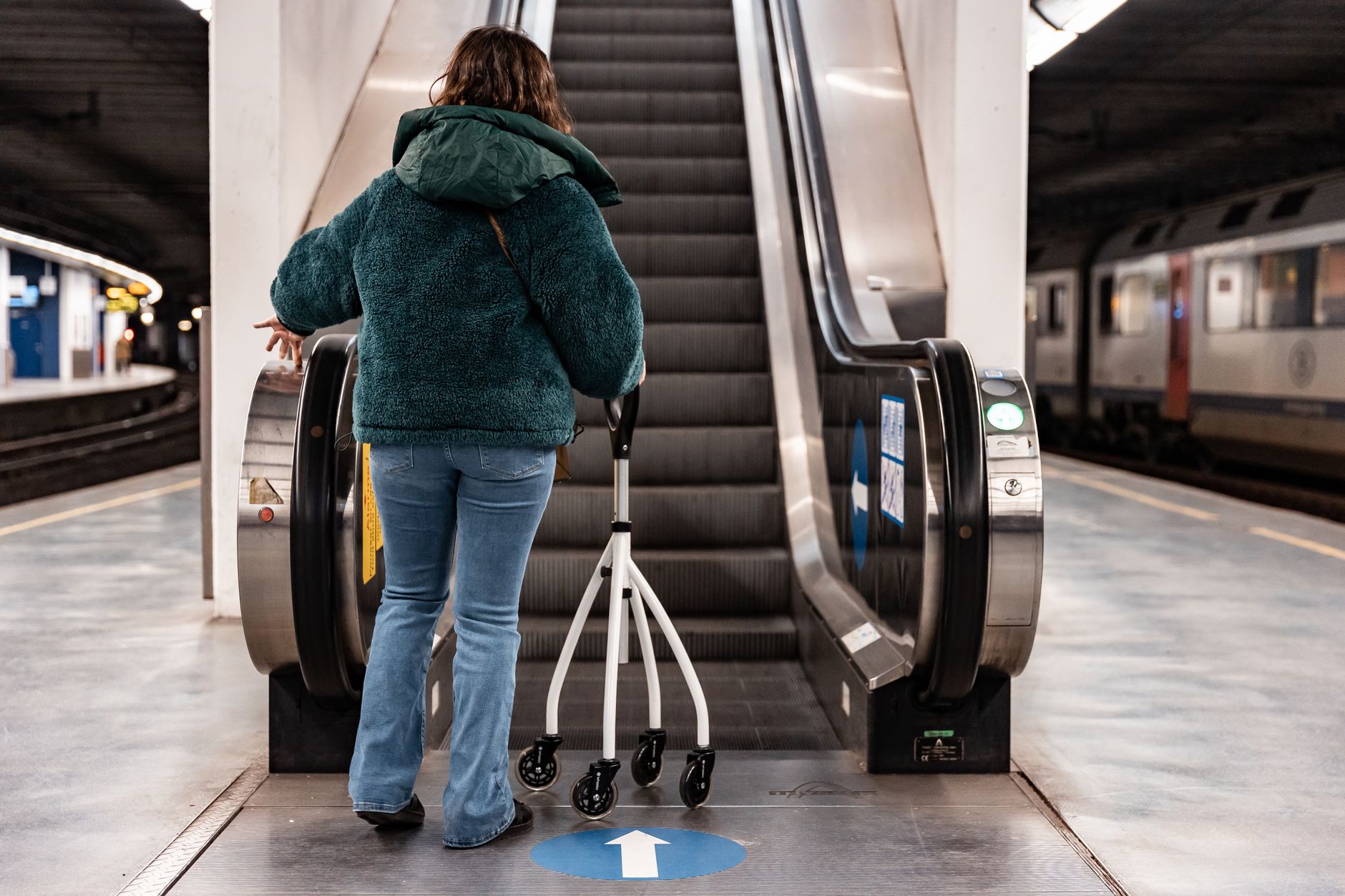
The Unexpected Benefits of Not Driving
Beyond the obvious benefits of time and money, people who stop driving often report unexpected gains. Not being responsible for vehicle operation reduces cognitive load and the background anxiety of maintaining attention on the road. For people with anxiety disorders, chronic pain, or cognitive changes, this can be surprisingly meaningful. Some people also report improved relationships: the obligation to give an adult child a ride, which can feel like a burden or a dynamic of dependence, is eliminated. And there’s a social dimension—people using public transit, paratransit, or regular ride-shares often end up with more regular social contact, whether it’s chatting with regular drivers, neighbors on the bus, or staff at the transportation center.
One 70-year-old former driver discovered that giving up driving actually improved her marriage. She and her husband had bickered constantly about directions, route choices, and whether she was driving too fast. When she stopped driving, those conflicts simply disappeared, and they began exploring their town as passengers together on bus tours and shuttle services. She’d always expected to resent giving up control of the vehicle; instead, she found she didn’t miss it. This is not true for everyone, but it’s common enough that it’s worth acknowledging as a potential upside.
The Bigger Picture of Aging in Place and Community Connection
The shift away from car dependency is also, potentially, a shift toward deeper community integration. People who drive everywhere sometimes become geographically isolated—they know the route from home to work to grocery store and back, but they don’t know their actual neighborhood. Using public transit, walking more, and depending on community services often means discovering local resources, becoming a regular at the library or community center, and building relationships with people who aren’t family. This matters more than it might seem, especially for people living alone or far from family—isolation is a significant predictor of poor health outcomes in aging, and community connection is protective.
Looking ahead, many communities are improving their transportation options for older adults and people with mobility challenges. More ride-share services are expanding into rural areas, more communities are funding specialized transportation for seniors and disabled people, and volunteer driver programs are growing. If you’re in a situation now where alternatives feel limited, they may improve in the coming years. In the meantime, the goal isn’t perfection—it’s creating a system that’s functional, affordable, and allows you to maintain the independence that actually matters: making your own choices about how you spend your time and maintaining your connections to the people and places that matter to you.
Conclusion
Losing the ability or opportunity to drive is undeniably a significant change, and it’s reasonable to grieve that loss. But it doesn’t have to be a loss of independence, as long as you understand independence correctly: not as the ability to go anywhere anytime in your own vehicle, but as reliable access to the places you need and want to go, supported by multiple options and trusted people or systems. The practical work of building that system—researching local services, creating agreements with family, testing alternatives before you’re forced to use them—is the real foundation of continued independence. Start now, while you still have choices and time to problem-solve.
Talk to your doctor about any concerns with driving. Research what services exist in your area. Have a conversation with family about what you might need and what they can reliably offer. The moment when car keys are no longer an option will feel far less like a loss if you’ve already built a life where you don’t need them.
Frequently Asked Questions
How do I know if it’s time to stop driving?
Talk to your doctor about any vision changes, hearing loss, medication effects, arthritis, or cognitive changes. Your doctor can provide objective guidance. You might also ask a trusted family member if they’ve noticed any concerning driving habits. Common signs include difficulty seeing at night, slower reaction times, anxiety in traffic, getting lost on familiar routes, or multiple minor accidents or near-misses.
Will my insurance cover paratransit services?
Most traditional car insurance won’t cover paratransit, but some health insurance plans cover transportation to medical appointments. Ask your insurance provider specifically. Many communities also offer subsidized or free paratransit for people over 65 or with disabilities. Medicaid sometimes covers medical transportation. The key is to ask—many people don’t realize they’re eligible for help.
What if I live in a rural area with no public transit?
Rural areas often have volunteer driver programs run by nonprofits or senior centers, sometimes subsidized by government funding. Check with your local senior center, health department, or area agency on aging. Ride-share apps are expanding into rural areas, though less predictably. Rely-on-a-system approach: combine whatever options exist with agreements with family or friends, and budget for occasional taxi or paid driver services for trips that other options can’t cover.
Can I keep my car even if I don’t drive it?
Yes, though it’s expensive—insurance, registration, and maintenance add up even if you’re not driving. Some people keep a car as a backup for emergencies or special occasions, then rely on other transportation day-to-day. The financial calculus: if you’re using the car less than once a week, it’s probably cheaper to sell it and use alternatives. If you use it weekly or more, keeping it might be cheaper than paratransit alternatives.
How do I talk to family about transportation help?
Be specific. Instead of “Can you help me with rides sometimes?” try “I’m planning to reduce my driving over the next year. I’d like to set up a specific arrangement where you could provide rides on Tuesdays monthly. Would that work?” Specific, scheduled arrangements are much more sustainable than vague offers of help. Also be clear about what you’re responsible for (cost, booking) and what others are responsible for.
What if I’m concerned about my spouse or parent’s driving?
Approach it as a health conversation, not an accusation. “I’ve noticed you seem more tense when you drive in traffic” or “Your doctor mentioned side effects from your medication—should we talk about transportation options?” is gentler than “You’re not safe behind the wheel.” Involve the doctor; often a professional recommendation carries more weight than family concern. Offer to help research alternatives rather than simply taking away independence.