
High protein foods are essential for maintaining muscle strength, bone density, and overall physical independence as you age. Protein provides the amino acids your body needs to repair muscle tissue, produce enzymes, and support immune function—all critical for staying mobile and managing daily activities without assistance. Whether you’re in your 60s, 70s, or beyond, adequate protein intake helps slow the natural decline in muscle mass that occurs with aging, a condition called sarcopenia.
For older adults, getting enough protein can mean the difference between remaining active and independent versus struggling with basic tasks like climbing stairs, rising from a chair, or carrying groceries. A 75-year-old who maintains good protein intake and exercises regularly is more likely to maintain the strength needed to live independently longer than a peer who neglects protein. Good sources include chicken breast (31 grams of protein per 3-ounce serving), Greek yogurt (15-20 grams per cup), eggs (6 grams each), and legumes like beans and lentils (15-18 grams per cooked cup).
Table of Contents
- Why Does Protein Matter More as You Get Older?
- Obstacles to Getting Enough Protein
- Affordable and Accessible High-Protein Options
- Timing and Portion Strategies for Better Results
- Chewing, Swallowing, and Digestive Concerns
- Protein Supplements and Fortified Foods
- Building Protein into Your Long-Term Independence Plan
- Conclusion
- Frequently Asked Questions
Why Does Protein Matter More as You Get Older?
Your body’s ability to use dietary protein becomes less efficient over time, a change that typically begins around age 30 and accelerates after 60. This means older adults need more protein per pound of body weight than younger people to maintain the same amount of muscle. Most aging adults should aim for 1.2 to 2.0 grams of protein per kilogram of body weight daily, compared to the general population recommendation of 0.8 grams per kilogram.
For a 150-pound person, this translates to roughly 82 to 136 grams of protein daily—significantly more than younger adults typically need. The reason protein becomes critical is that your muscles break down faster and rebuild slower without consistent protein intake and physical activity. If you’re recovering from illness, surgery, or injury, your protein needs increase even further. Someone healing from a hip fracture, for example, may benefit from increasing protein intake to 1.5 to 2.0 grams per kilogram of body weight to support wound healing and muscle recovery during rehabilitation.

Obstacles to Getting Enough Protein
One of the biggest challenges older adults face is simply eating enough protein without exceeding calorie needs. Many seniors experience reduced appetite, difficulty chewing or swallowing, dental problems, or digestive changes that make consuming adequate protein difficult. Additionally, some high-protein foods are expensive—quality cuts of meat, fresh fish, and Greek yogurt cost more than many processed alternatives, which can strain a limited income or make meal planning difficult for those on fixed budgets.
Certain medications also interfere with protein absorption or appetite. Medications that cause dry mouth, nausea, or reduced hunger can make it harder to eat the protein-rich meals necessary for muscle maintenance. If you’re on medications that affect appetite or digestion, talk with your doctor or a registered dietitian about whether your protein intake is adequate and whether liquid protein options or supplements might help bridge the gap. Some people also develop kidney concerns with age, which can require monitoring protein intake—a reason to work with healthcare providers rather than simply eating unlimited protein.
Affordable and Accessible High-Protein Options
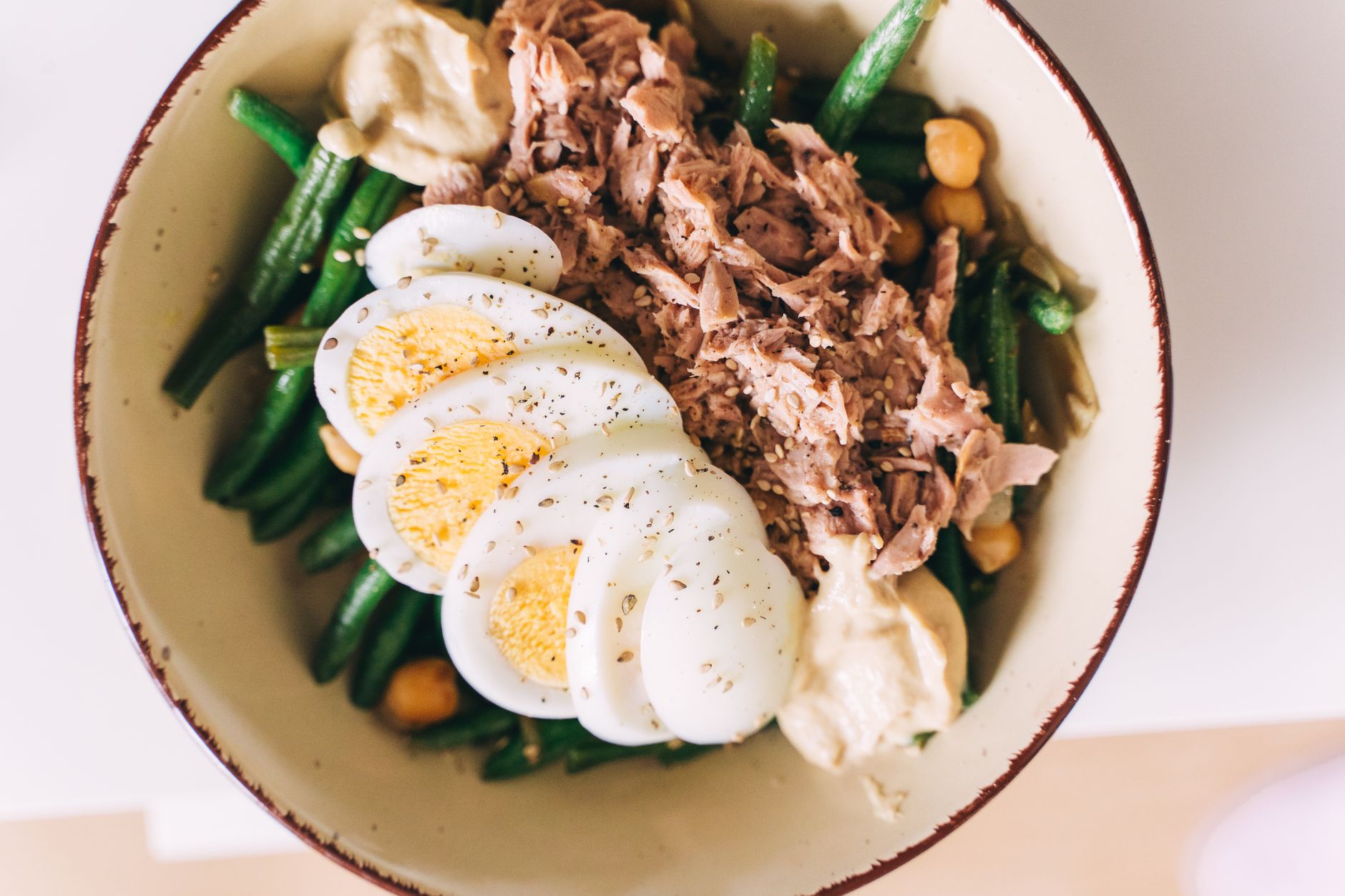
You don’t need expensive foods to meet protein needs. Eggs remain one of the most affordable complete proteins at roughly one dollar per dozen in many areas, providing all nine essential amino acids your body cannot make. A simple scrambled egg breakfast provides 6 grams of protein per egg, plus choline, which supports brain health. Canned tuna or salmon (including the soft bones, which contain calcium) costs under two dollars per can and delivers 20-25 grams of protein—and requires no cooking, making it ideal if you have limited energy for meal preparation.
Dried beans and lentils cost pennies per serving when bought in bulk and store indefinitely in a pantry. A cup of cooked black beans provides about 15 grams of protein plus fiber, which supports digestive health. Many older adults find that cooking a large batch of beans on the weekend and portioning it into freezer containers makes meal preparation simpler throughout the week. Peanut butter (8 grams of protein per 2-tablespoon serving) remains affordable and requires no cooking—a simple peanut butter sandwich on whole grain bread provides a complete, budget-friendly meal.
Timing and Portion Strategies for Better Results
Rather than trying to eat all your protein at dinner, research suggests that distributing protein throughout the day—roughly 25-40 grams per meal—may be more effective for maintaining muscle than loading up on protein once daily. A breakfast with two eggs and whole grain toast (12 grams protein), a lunch with 3 ounces of grilled chicken and vegetables (26 grams protein), and a dinner with baked fish and legumes (30 grams protein) totals roughly 68 grams spread across the day. This approach appears to trigger muscle protein synthesis more effectively than eating 50 grams of protein at dinner and almost none at breakfast.
The tradeoff is that spreading protein intake requires planning and multiple meals daily, which can be burdensome if you have limited cooking ability or motivation to prepare several meals. For people in this situation, protein-rich smoothies made with Greek yogurt and fruit, or ready-to-drink protein beverages, can help meet targets without requiring cooking. Some older adults find that keeping hard-boiled eggs, canned fish, and cheese readily available makes it easier to include protein at each meal without extra effort.
Chewing, Swallowing, and Digestive Concerns
If you have trouble chewing due to dental problems, dentures, or jaw issues, eating sufficient protein becomes more challenging. Hard meats can be difficult to manage, and you may inadvertently eat less protein while compensating by eating softer, lower-protein foods. In these cases, ground meat, shredded chicken, well-cooked beans, and soft fish like cod or tilapia become easier choices. Greek yogurt, cottage cheese, and smoothies with protein powder also bypass chewing entirely while delivering significant protein amounts.
Some older adults experience bloating, gas, or constipation when increasing protein intake, particularly if they’re also not drinking enough water or eating sufficient fiber. Protein ferments in the digestive tract if not paired with adequate hydration and fiber, causing discomfort. If you’re increasing protein, also increase water intake gradually—aiming for eight to ten cups daily—and include fiber-rich carbohydrates like whole grains, fruits, and vegetables alongside protein. If digestive discomfort persists despite these adjustments, discuss it with your doctor, as it may indicate underlying issues like irritable bowel syndrome or enzyme deficiencies requiring specialized dietary changes.

Protein Supplements and Fortified Foods
For people who struggle to meet protein needs through whole foods alone, protein supplements offer a practical alternative. These range from powders mixed into smoothies or oatmeal to ready-to-drink shakes like Ensure or Boost to individual collagen peptides mixed into coffee. A typical protein shake delivers 15-25 grams of protein with minimal preparation. For someone with poor appetite or limited cooking ability, adding a protein shake between meals can help meet daily targets without requiring a full meal.
Quality varies significantly among products, so read labels carefully. Some supplements contain added sugars that may cause blood sugar spikes, particularly concerning if you have diabetes. Others contain allergens like milk, soy, or nuts that you may need to avoid. Whole foods remain the first choice because they provide additional nutrients like fiber, vitamins, and minerals that supplements alone don’t offer. Supplements work best as a tool to fill gaps when whole food options are insufficient.
Building Protein into Your Long-Term Independence Plan
As you think about aging in place and maintaining the capability to live independently, protein should be part of your overall health strategy alongside regular physical activity, medication management, and fall prevention. Adequate protein combined with resistance exercises—even light bodyweight exercises or water aerobics—helps preserve the muscle strength necessary to rise from a chair, climb stairs, and recover from falls or illness without assistance.
Looking ahead, working with a registered dietitian early to establish realistic protein goals and preferred foods makes the process sustainable. Rather than waiting until muscle loss becomes noticeable or after an illness forces dietary change, building good protein habits now supports your long-term independence goals and reduces the likelihood of future problems.
Conclusion
High protein foods are not a luxury or fad for older adults—they’re a practical tool for maintaining the muscle strength and physical capability that independence depends on. The specific amount and timing that works best varies from person to person, but the principle remains consistent: spreading adequate protein throughout your day, choosing affordable and accessible sources, and pairing it with physical activity gives you the best chance of staying active and self-sufficient for as long as possible.
Start by reviewing your current protein intake and identifying two or three protein sources you enjoy and can realistically afford and prepare. You don’t need to overhaul your diet overnight. Small adjustments—adding an egg to breakfast, including beans in lunch, choosing fish for dinner twice weekly—compound into meaningful improvements in muscle maintenance and physical capability over time.
Frequently Asked Questions
How much protein do I really need each day?
Most older adults benefit from 1.2 to 2.0 grams of protein per kilogram of body weight daily. A 150-pound person would aim for roughly 82 to 136 grams daily. Your specific needs depend on your age, activity level, and health status, so discussing this with your doctor or dietitian gives you a personalized target.
Can I get enough protein as a vegetarian or vegan?
Yes, but it requires more planning. Combining plant proteins—beans with rice, lentils with whole grain bread—creates complete proteins your body can use efficiently. However, vegetarian and vegan diets often require larger portions to reach adequate protein intake, which can be challenging if you have reduced appetite.
Is it possible to eat too much protein?
For people with normal kidney function, eating high protein is generally safe. However, if you have kidney disease, diabetes, or take certain medications, very high protein intake should be discussed with your doctor. Excessive protein without adequate water intake can stress kidneys, so hydration matters.
Should I use protein powder supplements?
Protein powder can help fill gaps when you struggle to eat enough whole food, but it shouldn’t replace whole foods entirely. Whole foods provide fiber, vitamins, and minerals that supplements don’t offer. Use supplements as a tool when needed, not as your primary protein source.
Does protein intake help with weight management?
Adequate protein helps preserve muscle while losing weight, which is important because crash diets often cause muscle loss along with fat loss. Protein also creates fuller feeling with fewer calories, potentially making calorie management easier.
I have difficulty swallowing. How can I get enough protein?
Soft, easy-to-swallow options include smoothies, Greek yogurt, cottage cheese, scrambled eggs, ground meat in soft sauces, well-cooked beans, and canned fish. Some people benefit from thickening drinks with xanthan gum or working with a speech pathologist for swallowing strategies.