
The foods you eat directly influence how well your brain functions today and how sharp it will remain for decades to come. Whole, minimally processed plant-based foods—particularly those rich in antioxidants, omega-3 fatty acids, and fiber—provide the most significant protection against cognitive decline as you age. If you’ve been eating processed snacks and sugary foods, switching to berries, leafy greens, legumes, nuts, and fish can literally slow your brain’s aging by years. Research shows that someone following a brain-healthy diet pattern might have a brain that functions like it belongs to someone 2.5 years younger than their actual age.
The evidence is compelling and recent. A 2026 study published in JAMA Neurology found that people who most faithfully followed the DASH diet—a pattern emphasizing whole grains, vegetables, fruits, lean proteins, and healthy fats—experienced a 41 percent lower risk of cognitive decline compared to those who didn’t follow this pattern. You don’t need expensive supplements or exotic superfoods. The foods that matter most are ones you’ve probably heard of your whole life, but many people simply don’t eat enough of them.
Table of Contents
- Which Specific Foods Protect Your Brain Most Effectively?
- How Different Diet Patterns Compare for Long-Term Brain Protection
- Beverages That Support Brain Health Often Get Overlooked
- Rebuilding Your Diet for Brain Health at Any Age
- Processed Foods and Added Sugar Actively Harm Brain Health
- Gut Health as the Foundation for Brain Protection
- Starting Brain-Healthy Eating and Staying Consistent
- Conclusion
Which Specific Foods Protect Your Brain Most Effectively?
Berries stand out as one of the most powerful brain foods available. A landmark 2012 study of over 16,000 nurses found that women who consumed more blueberries and strawberries experienced slower cognitive aging by up to 2.5 years compared to those who rarely ate them. The effect wasn’t small or marginal—it was measurable and significant. The research controlled for other factors like overall diet quality and exercise, so the berry effect appeared to be independent. What makes berries so effective is their high concentration of flavonoids, compounds that appear to protect brain cells from oxidative stress and inflammation. Just a handful of blueberries or strawberries several times a week appears to offer meaningful protection. Beyond berries, research on flavonoid-rich foods reveals just how powerful these compounds are.
A 2020 study measuring cognitive function in over 2,000 people found that those consuming more flavonoids across all sources—including citrus fruits, dark chocolate, tea, and red wine—were 40 percent less likely to develop dementia compared to those with low flavonoid intake. This doesn’t mean you need to eat extravagant amounts. An apple, an orange, a small piece of dark chocolate, or a cup of tea all contribute to your daily flavonoid intake. The key is consistency over time. Fatty fish deserves particular attention if you’re concerned about brain health. Salmon, sardines, mackerel, and trout contain high levels of omega-3 fatty acids, particularly EPA and DHA, which are essential components of brain cell membranes. Many people understand that fish is “healthy,” but the specific reason—that these omega-3s literally become part of your brain’s structure—often gets lost. If you don’t eat fish, you can get omega-3s from flaxseeds, chia seeds, and walnuts, though the conversion from plant-based sources to the active forms your brain prefers is less efficient.
How Different Diet Patterns Compare for Long-Term Brain Protection
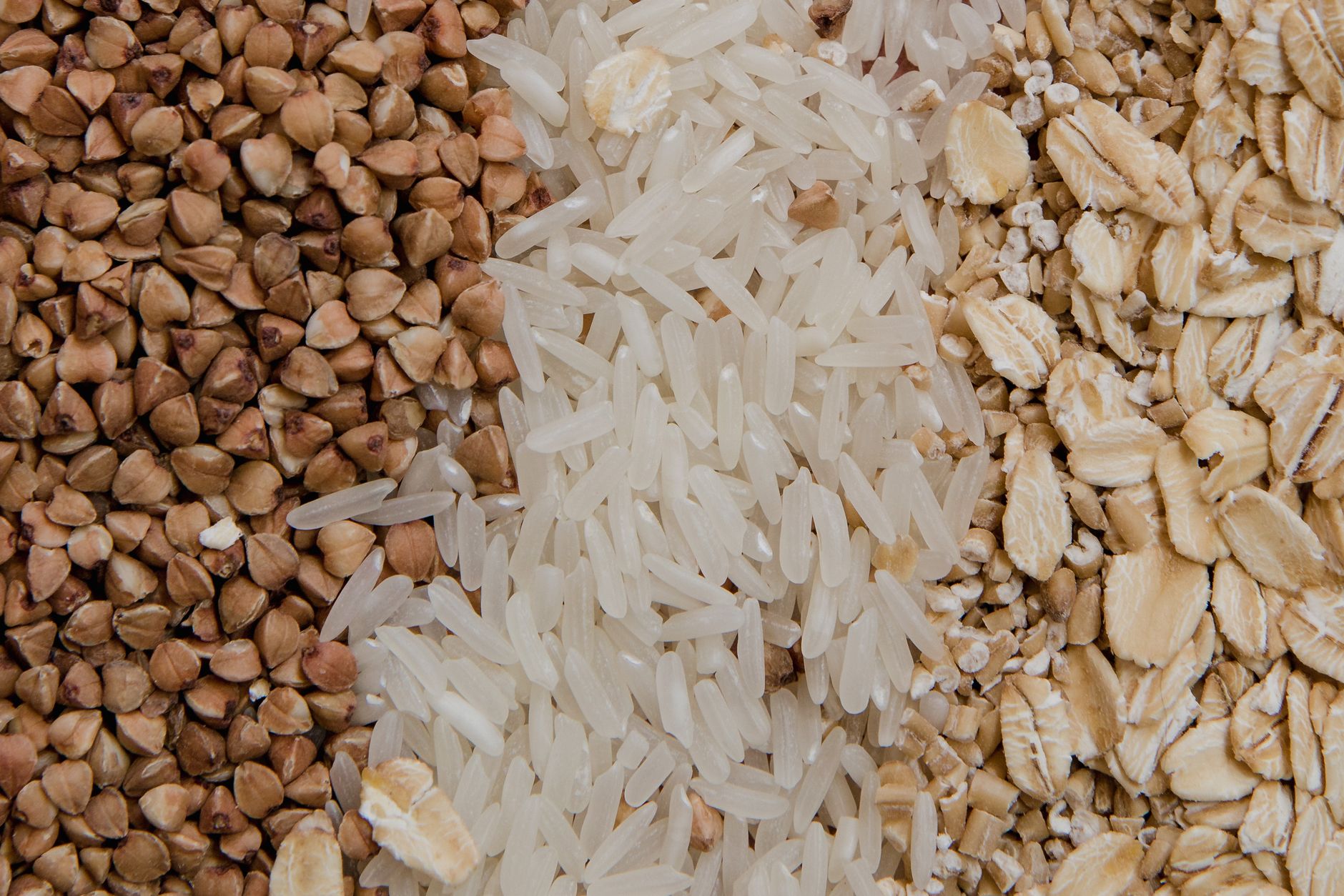
The MIND diet, a hybrid of the Mediterranean and DASH diets, has emerged as particularly powerful for brain aging. Research shows that people adhering most closely to the MIND diet had brains that appeared 2.5 years younger than their chronological age when measured by brain volume and structural integrity. This combination pattern emphasizes leafy greens, whole grains, nuts, berries, fish, beans, and olive oil while minimizing red meat, butter, cheese, and ultra-processed foods. The elegance of the MIND diet is that it doesn’t require perfection—you don’t need to be flawless every single day to see benefits. One important limitation to understand: not all plant-based diets protect the brain equally.
A diet high in refined carbohydrates, vegetable oils, and processed plant-based foods offers little cognitive benefit compared to a diet of whole plant foods paired with fish and olive oil. Someone eating a lot of vegan processed meat substitutes, refined grains, and sugary plant-based products won’t experience the same brain protection as someone eating whole grains, vegetables, legumes, nuts, and seeds. The quality of what you eat matters far more than whether you’ve labeled your diet as “vegetarian” or “plant-based.” This is a critical distinction because marketing often blurs these categories. The DASH diet’s 41 percent risk reduction for cognitive decline was documented in people over 50, where cognitive decline is most visible and concerning. If you’re in your 60s, 70s, or 80s, dietary improvements can still meaningfully slow further cognitive decline, though some research suggests the benefits may be larger if you start earlier in midlife.
Beverages That Support Brain Health Often Get Overlooked
Coffee and tea deserve special mention because many people dismiss them as mere habits rather than foods with genuine health effects. A 43-year longitudinal study involving over 130,000 people, published in 2026 in JAMA, found that people who drank 2-3 eight-ounce cups of coffee or 1-2 cups of tea per day were about 20 percent less likely to develop dementia compared to those who rarely drank these beverages. This protection was seen at higher consumption levels too—those drinking up to 4 cups of coffee daily didn’t show increased dementia risk. The compounds in coffee and tea (including caffeine, polyphenols, and other antioxidants) appear to have genuine neuroprotective effects. The warning here is important: this benefit applies to coffee and tea without excessive sugar and cream.
A large coffee drink filled with syrup, whipped cream, and hundreds of calories functions differently in your body than black coffee or tea with a small amount of milk. Additionally, if coffee disrupts your sleep, the cognitive benefits of drinking it may be partially or entirely offset by the harm caused by poor sleep. Sleep itself is critical for brain health and cognitive function, so any food or beverage that compromises sleep should be reconsidered. Green tea contains slightly different compounds than black tea, with notable levels of the antioxidant EGCG. Both offer brain protective benefits, so choice comes down to preference and what you’ll actually drink consistently.
Rebuilding Your Diet for Brain Health at Any Age
Starting a brain-healthy eating pattern doesn’t require overhauling everything overnight. A practical approach is to begin by increasing foods with documented benefits—add berries to breakfast, include leafy greens in lunch and dinner, choose fish twice a week instead of once a month, and swap refined grains for whole grains gradually. These aren’t dramatic changes, but they create cumulative effects over months and years. One realistic challenge many older adults face is that the brain-healthy foods—fresh vegetables, berries, fish, nuts—often cost more than ultra-processed alternatives.
A frozen vegetable and fruit section offers real solutions; freezing happens at peak ripeness, preserving flavonoids and other beneficial compounds. Frozen berries, spinach, and broccoli often cost less than fresh while delivering the same nutritional benefits. Canned fish like sardines and salmon provide similar brain-protective omega-3s as fresh fish at lower cost, though checking sodium levels matters for those monitoring salt intake. The comparison is worth making explicit: if you currently spend money on processed snacks, desserts, and takeout meals, redirecting even part of that spending toward whole foods yields better brain outcomes. It’s not necessarily about spending more overall, but spending differently.
Processed Foods and Added Sugar Actively Harm Brain Health
While protective foods deserve emphasis, understanding what to avoid matters equally. Added sugar and ultra-processed foods don’t just fail to protect your brain—they actively increase dementia risk and accelerate cognitive decline. These foods promote inflammation throughout the body including the brain, disrupt blood sugar regulation (which affects brain function acutely and chronically), and damage the beneficial bacteria in your gut microbiome. Research consistently shows that high sugar consumption is associated with worse cognitive outcomes, including smaller brain volumes in critical memory regions. Many people underestimate their sugar intake because so much added sugar hides in foods that don’t taste obviously sweet—pasta sauce, yogurt, granola, salad dressing, and flavored oatmeal often contain substantial sugar. Reading labels isn’t about obsession; it’s about accurate awareness.
A single flavored yogurt can contain as much sugar as a soda, yet many people believe they’re eating healthily when consuming these products. The microbiome connection deserves attention. Your gut bacteria influence brain function through multiple pathways including nutrient absorption, immune function, and production of neurotransmitters like serotonin. Ultra-processed foods and added sugars feed inflammatory gut bacteria while starving beneficial ones. Mediterranean-style diets rich in fiber, fermented foods (yogurt, kefir), and plants support a microbiome that supports brain health in return. This isn’t metaphorical—the bacteria in your gut quite literally influence your brain.

Gut Health as the Foundation for Brain Protection
The gut-brain connection, once dismissed as pseudoscience, is now well-documented in neuroscience research. Fiber-rich whole foods feed beneficial bacteria that produce short-chain fatty acids, which cross the blood-brain barrier and support neuronal health. When you eat processed foods and added sugars instead, you’re essentially starving these beneficial bacteria while feeding inflammatory species. Over years, this microbial shift contributes to neuroinflammation and cognitive decline.
Fermented foods like yogurt, kefir, sauerkraut, and kimchi contain live beneficial bacteria directly. You don’t need expensive probiotic supplements; a small serving of these foods regularly can support gut health. For those who don’t tolerate dairy, non-dairy fermented options exist, though they’re less researched. The simplest path is eating the foods your grandmother probably ate: vegetables, legumes, nuts, fish, and small amounts of fermented foods alongside. These patterns have been tested across generations and cultures because they support health.
Starting Brain-Healthy Eating and Staying Consistent
The most important discovery in brain health nutrition research over the past decade isn’t a specific food—it’s that consistency and adherence matter far more than perfection. You don’t need to follow the MIND diet perfectly every single day to gain protection. People who followed the DASH or MIND patterns about 80 percent of the time still experienced significant cognitive benefits compared to those barely attempting these patterns. This permission to be realistic, not perfect, makes long-term adherence possible.
Beginning at any age yields benefits. While starting dietary improvements in midlife may offer greater protection than waiting until your 80s, research shows that older adults implementing better eating patterns still experience slowed cognitive decline and improved brain function. It’s never too late to start, though earlier is better. The brain remains adaptable throughout life, and good nutrition supports that neuroplasticity at every age.
Conclusion
Your brain health is largely within your control through the daily choice of what you eat. The evidence is clear: whole, minimally processed plant-based foods, particularly berries, leafy greens, whole grains, legumes, nuts, and omega-3-rich fish, measurably slow cognitive aging and reduce dementia risk by 20 to 41 percent depending on the dietary pattern and adherence level. The DASH and MIND diets have emerged as the most rigorously tested patterns for protecting your brain as you age.
These aren’t expensive or exotic—they’re foods available at any grocery store, and many cost less than the processed alternatives people currently spend money on. Start today by adding berries to breakfast, including one extra serving of leafy greens at lunch or dinner, choosing fish once or twice weekly, and swapping one refined grain for a whole grain. These small changes compound into significant brain protection over months and years. Your future cognitive sharpness will largely depend on the eating patterns you establish now, making this decision one of the most important ones you make for your independence and quality of life as you age.