
Dumbbell exercises are weighted resistance tools that strengthen muscles, improve functional mobility, and help you maintain independence as you age. Unlike machines at the gym that restrict movement to a single plane, dumbbells engage stabilizer muscles and allow natural movement patterns that translate directly to everyday tasks like carrying groceries, standing up from a chair, or picking something off a shelf. For older adults and people managing their mobility, dumbbells offer a practical way to build strength without the intimidation or expense of a full gym membership.
The key advantage of dumbbells for aging in place is that they mimic real-world movements. When you lift a dumbbell, your core, shoulders, and smaller support muscles all activate together to keep the weight stable and balanced—the same coordination your body needs to function in daily life. Even light dumbbells (2 to 8 pounds) can make a measurable difference in strength, balance, and confidence within a few weeks of consistent use.
Table of Contents
- Why Are Dumbbells Effective for Building Strength and Stability?
- What Weights and Exercises Are Safe for Beginners and Older Adults?
- How Do Dumbbell Exercises Improve Balance and Fall Prevention?
- What’s the Difference Between Dumbbells and Other Strength Training Options?
- Common Mistakes That Lead to Injury or Plateaus
- How to Structure a Dumbbell Routine for Real-World Strength
- Adapting Dumbbell Training as Strength and Confidence Build
- Conclusion
- Frequently Asked Questions
Why Are Dumbbells Effective for Building Strength and Stability?
Dumbbells work because they require your entire body to stabilize the weight, not just the main muscle being exercised. When you hold a dumbbell in one hand, your core automatically tightens to prevent you from leaning to one side. This asymmetrical loading—weight on one side instead of balanced evenly—forces your stabilizer muscles to engage, which is closer to how your body works when you carry a shopping bag, reach for something on a high shelf, or walk on uneven ground. Barbells and machines don’t demand this same stabilization. The other reason dumbbells are effective is range of motion.
You control the path of the weight through space, which means you can adjust the movement to match your body’s unique mechanics. If you have shoulder or elbow issues, you can modify the angle or range slightly without being locked into the fixed path a machine forces you into. This flexibility reduces injury risk and allows you to work around limitations rather than being stopped by them. Research on older adults consistently shows that dumbbell training improves not just muscle strength but also functional ability—the capacity to do real tasks. A study of people in their 70s found that regular dumbbell work improved their ability to stand up from a chair, climb stairs, and walk without assistance. The strength gains were measurable, but the real benefit was independence.
What Weights and Exercises Are Safe for Beginners and Older Adults?
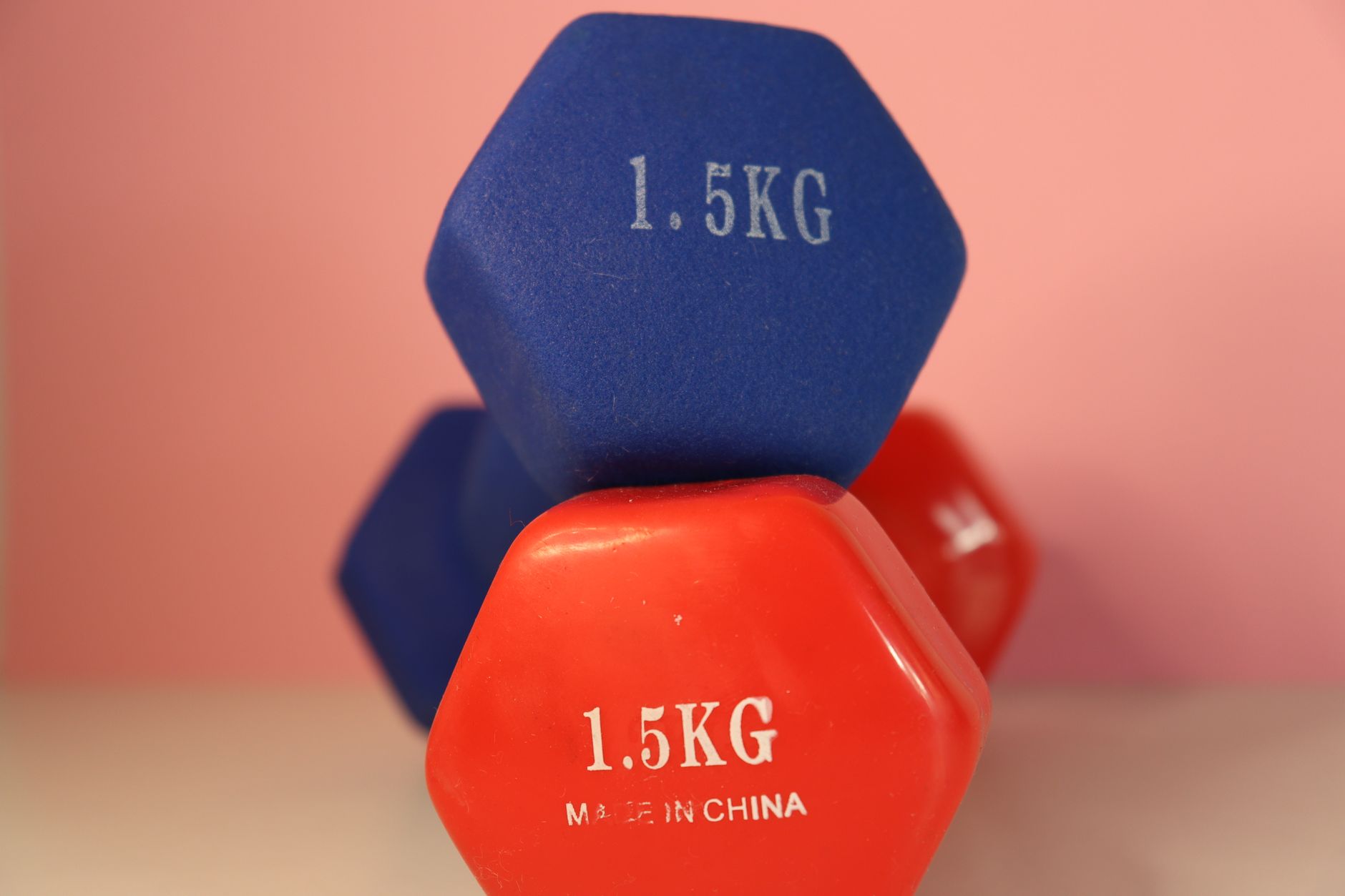
Start light—lighter than you think you need. A common beginner mistake is grabbing a weight that feels too heavy because you want to see fast results or because you’re comparing yourself to younger people or fitness influencers. For someone starting out, 2 to 5 pounds per dumbbell is reasonable, even if it feels almost too easy at first. The goal is to master the movement pattern with good form, not to struggle through repetitions. The safest approach is to begin with compound movements that use multiple muscle groups: goblet squats (holding a dumbbell at chest height while squatting), dumbbell rows (bending forward slightly and pulling the weight toward your ribs), overhead presses (lifting dumbbells from shoulder height to over your head), and farmer carries (simply holding dumbbells at your sides and walking).
These movements are forgiving, work large muscle groups, and build practical strength. A warning: avoid heavy weights overhead if you have balance issues or inner ear problems, as the weight being above your center of gravity can affect stability. One limitation to keep in mind is that dumbbells can aggravate existing joint problems if form breaks down. If you have arthritis in your knees, for example, and you squat too deep or let your knees cave inward, dumbbells won’t cause the arthritis, but poor form can create pain and inflammation. This is why starting light and building good habits matters more than adding weight quickly.
How Do Dumbbell Exercises Improve Balance and Fall Prevention?
Balance isn’t just about standing on one leg—it’s about your body’s ability to control its center of gravity while moving and adapting to unexpected shifts. Dumbbells improve balance because they challenge your stabilizer muscles and proprioception (your sense of where your body is in space). When you hold weights and move, your nervous system works harder to keep you upright. This neural adaptation is one reason why people who train with dumbbells often report feeling steadier in daily life, even walking on stairs or on uneven ground. A specific example: imagine you’re walking and need to turn to look at something. Your brain and muscles coordinate to prevent you from falling.
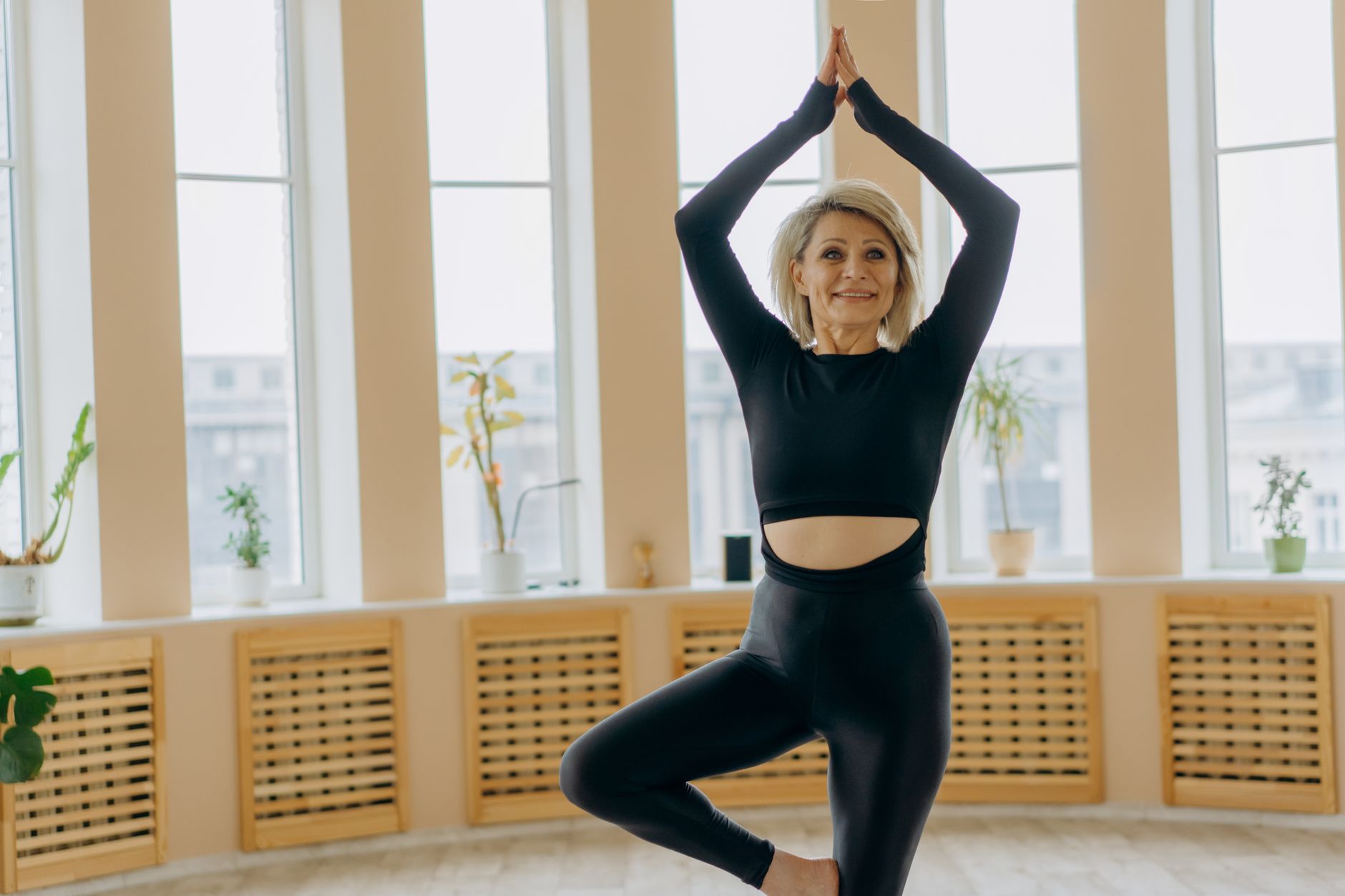
Someone who does dumbbell training regularly has better muscle control and body awareness to make that adjustment smoothly. Compare this to someone who’s sedentary—a quick turn might throw them off balance because their stabilizer muscles are weak and their nervous system isn’t practiced at making micro-adjustments. The balance benefit extends beyond the gym. Research shows that people who combine strength training with balance work reduce fall risk by 20 to 30 percent. Dumbbells are one tool in that toolkit. Single-leg dumbbell work, like split squats (one leg forward, one leg back, holding dumbbells) or single-leg deadlifts (balancing on one leg while bending forward), specifically challenge balance while building strength.
What’s the Difference Between Dumbbells and Other Strength Training Options?
Dumbbells, resistance bands, bodyweight exercises, and weight machines all build strength, but they work differently and suit different situations. Dumbbells are portable, adjustable, and allow free movement. Resistance bands are even more portable and gentler on joints, but they provide less resistance as you get stronger (the band gets looser, not tighter). Bodyweight exercises like wall push-ups or sit-to-stand require no equipment but can be hard to scale if you’re very weak or very strong. Machines at a gym are predictable and stable but expensive and take up space.
For aging in place specifically, dumbbells strike a balance. They’re cheaper than a home gym, more adjustable than bands, more effective than bodyweight-only work if you’re already deconditioned, and less intimidating than a gym. You can buy a single pair of dumbbells for 20 to 40 dollars and store them in a closet. The tradeoff is that dumbbells require more body awareness and stability than machines—you have to manage the weight yourself, not be guided by a machine. For some people, this challenge is good; for others with severe balance issues, machines or guided equipment might be safer.
Common Mistakes That Lead to Injury or Plateaus
The most common mistake is moving too fast—both in terms of adding weight too quickly and in terms of rushing through the movement itself. Momentum is the enemy of dumbbell work. If you’re jerking the weight up with your lower back or using leg drive to complete an overhead press, you’re relying on momentum instead of muscle. This often means you’re not actually strengthening what you think you are, and you’re putting stress on joints and smaller muscles that weren’t meant to handle it. A warning: if you feel pain (not mild discomfort, but sharp or shooting pain) during a dumbbell exercise, stop immediately. Pain is different from the mild burn or fatigue that comes with legitimate work. Another common issue is neglecting the opposite side of the movement.
People do chest presses but skip rows, or do biceps curls but skip triceps work. This muscle imbalance can pull your shoulders forward, worsen posture, and increase injury risk. A balanced program has opposing movements—push and pull, front and back, left and right. A third limitation is doing the same routine forever. Your muscles adapt to a challenge within about 4 to 6 weeks, which means the same weight and same number of repetitions stops producing strength gains. You don’t necessarily need heavier dumbbells (though that’s one option), but you might do more repetitions, slower repetitions, fewer breaks between sets, or more sets overall. Small changes keep the stimulus fresh.

How to Structure a Dumbbell Routine for Real-World Strength
A practical routine doesn’t require an hour at the gym. Two to three sessions per week, 20 to 30 minutes each, is enough to build and maintain strength. Each session might include 4 to 6 exercises—for example, a dumbbell squat, a row, an overhead press, a hinge movement (like a deadlift), a carry, and a core exercise.
You’d do each movement for 8 to 12 repetitions per side (so left and right), rest, then repeat for 2 to 3 sets total. Consistency matters more than intensity. Someone who does dumbbell work twice a week every week will gain more strength than someone who does an intense session once and then quits for three weeks. A realistic example: a 70-year-old person starting with 5-pound dumbbells, doing a simple 20-minute routine twice weekly, will notice measurable strength gains in 4 to 6 weeks and can usually carry heavier groceries, stand up from a chair more easily, and feel more confident moving around their home.
Adapting Dumbbell Training as Strength and Confidence Build
As you get stronger, you have choices. You can add weight—moving from 5 pounds to 8 pounds, for example. You can add volume—more sets or repetitions. You can slow down the movement, holding each position for longer.
You can add complexity—like a split squat instead of a regular squat—which challenges balance more. The best approach is mixing these strategies rather than relying on heavier weight alone. Long-term, dumbbell training becomes a foundation for independence. People who maintain strength can continue to do the things that matter to them—gardening, playing with grandchildren, traveling, living alone without constant help. The weights themselves are just a tool; the real goal is the functional ability they build.
Conclusion
Dumbbell exercises are one of the most practical tools for building and maintaining strength, balance, and independence as you age. They’re affordable, adaptable to your current ability, and produce real, measurable improvements in the tasks you do every day. Starting light, moving with control, and staying consistent matters far more than how much weight you’re using.
If you’re considering adding dumbbell work to your routine, begin with a weight that feels almost too light, focus on good form, and aim for two to three short sessions per week. Talk with your doctor first if you have significant joint issues, heart disease, or other conditions that might affect exercise. The goal isn’t to look like a bodybuilder; it’s to stay strong enough to live the life you want for as long as possible.
Frequently Asked Questions
What is the lightest dumbbell weight I should start with?
Start with 2 to 5 pounds per dumbbell. This is light enough to learn the movement without strain and heavy enough to produce a training effect. As you improve your form and strength, you can gradually add weight. Many people underestimate how much light weights can do.
How often should I do dumbbell exercises?
Two to three sessions per week is sufficient to build and maintain strength. Rest days between sessions allow your muscles to recover. More frequent training doesn’t always mean faster progress if recovery and nutrition suffer.
Can dumbbells help with arthritis?
Yes, gentle dumbbell work can help arthritis by building muscle around the joint, which provides support and stability. However, heavy weights or poor form can worsen pain. Always use a weight that allows smooth, controlled movement, and avoid positions that trigger pain.
Are dumbbells safe for someone with balance problems?
Dumbbells can be safe if you use light weights and choose exercises that don’t challenge balance too much, like seated rows or chest presses. Avoid single-leg exercises or standing overhead movements if you’re very unstable. Consult your doctor or a physical therapist for personalized recommendations.
What if I don’t see progress after a month?
Progress takes time, especially in older adults. Four to six weeks is a realistic timeframe to notice measurable changes. If you’re not seeing progress, check your form, ensure you’re using consistent weight and repetitions, and verify that the weight is challenging enough (the last few repetitions should be difficult).
Can I do dumbbell exercises if I’ve had surgery?
It depends on the type of surgery and your recovery timeline. Talk with your surgeon or physical therapist before starting any resistance training. Generally, light, pain-free movements far from the surgical site can begin within weeks, but heavy or complex movements may need to wait months.