
A beginner strength routine is a structured set of exercises designed to build muscle, bone density, and functional capacity—the ability to perform everyday tasks without assistance. For older adults, this means being able to get out of a chair, carry groceries, climb stairs, and live independently without relying on caregivers or family members. A beginner routine doesn’t require a gym or expensive equipment; it focuses on controlled movements using body weight, resistance bands, or light dumbbells, performed 2-3 times per week with proper rest days in between.
The difference between having a strength routine and not having one is measurable within 4-6 weeks. A 72-year-old man who starts doing bodyweight squats and wall push-ups may notice he can stand up from a low chair without using his arms, or carry both grocery bags at once instead of making two trips. These aren’t small conveniences—they’re the foundation of living independently without needing someone else to handle daily physical tasks.
Table of Contents
- Why Does Strength Training Matter for Aging Adults?
- How Much Strength Do You Actually Need?
- What Movements Should a Beginner Focus On?
- How to Start Your Strength Routine Safely
- Avoiding Common Mistakes and Setbacks
- Tracking Progress Without Obsessing
- Building Long-Term Strength Habits
- Conclusion
- Frequently Asked Questions
Why Does Strength Training Matter for Aging Adults?
Starting in your 30s, adults lose 3-8% of muscle mass per decade, and this accelerates after age 60. Without intentional strength work, you lose not just muscle but also bone density, balance, and metabolic rate. This muscle loss, called sarcopenia, is one of the biggest drivers of dependency in older age. A person who doesn’t maintain strength eventually can’t lift their own body weight out of a chair, can’t carry laundry up stairs, and becomes trapped in a cycle where they need help for tasks they used to do alone. Strength training reverses this decline.
Studies show that even adults in their 80s and 90s can build new muscle and regain functional capacity with consistent training. The benefit isn’t just physical—it’s psychological and social too. Being able to stand independently, walk without fear of falling, and do household chores without assistance protects dignity and mental health. Compare someone who must ask their adult child for help opening a jar with someone who maintains enough grip strength to do it themselves. That difference shapes quality of life.
How Much Strength Do You Actually Need?
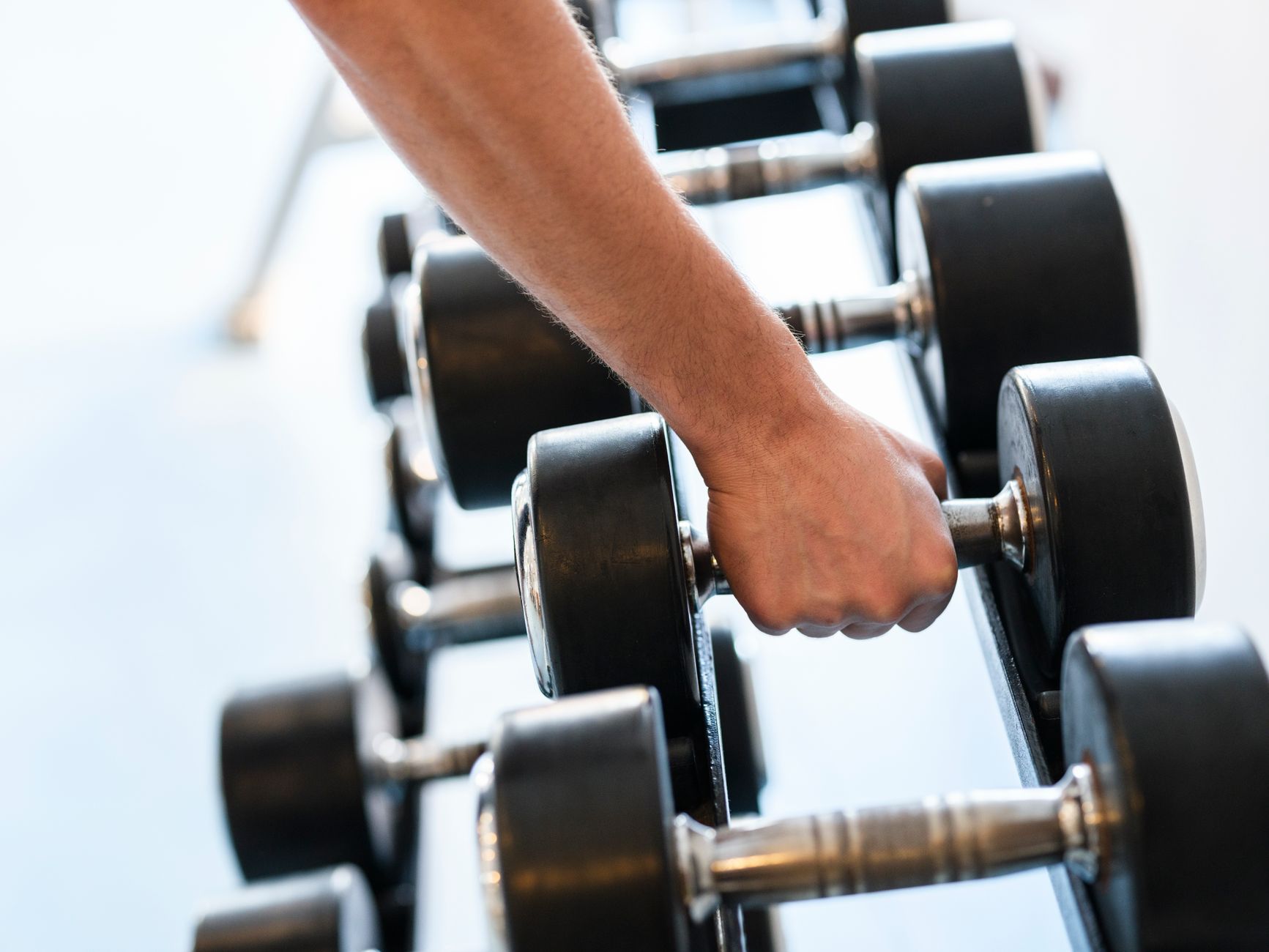
you don’t need to become strong in the way a 30-year-old fitness enthusiast measures strength. You need what’s called “functional strength”—enough capacity to handle the physical demands of daily life without compensation or injury. This typically means being able to lift 10-15 pounds repeatedly, maintain your body weight through basic movements, and sustain effort for a few minutes without exhaustion. The limitation here is that functional strength isn’t static. As you age, your baseline capability changes, and your routine needs to progress along with you.
A beginner routine that works for a 65-year-old sedentary adult won’t work for that same person at 75 if they haven’t progressed the difficulty. Without intentional increases in resistance or volume over time, your body adapts and stops improving. Additionally, “beginner” doesn’t mean gentle—it means appropriate to your current fitness level. A true beginner might only manage 5 squats without assistance, while someone who’s walked regularly might manage 15. The routine must meet you where you are.
What Movements Should a Beginner Focus On?
The best beginner strength routine targets the movements you do every day: sitting, standing, walking, lifting, and reaching. A practical routine includes squats (to build leg strength for standing and climbing stairs), push-ups or wall push-ups (for chest and arm strength to push yourself up and carry objects), rows (to strengthen the back and improve posture), and overhead presses (to build shoulder stability for reaching). A concrete example: A 68-year-old woman starts her routine with assisted squats using a sturdy chair. She stands in front of the chair, lowers herself until her thighs are nearly parallel to the ground, and lightly touches the back of the chair for balance before standing.
She does 3 sets of 10 squats, twice a week. after 4 weeks, she barely touches the chair. After 12 weeks, she can do a full squat with no hand support at all. This single movement—which took 20 minutes per week—transformed her ability to sit and stand independently, reducing her reliance on armrests and other people to help her up.

How to Start Your Strength Routine Safely
The most important rule is to start conservatively and progress slowly. Your first week should feel almost too easy—that’s intentional. Your body needs to learn the movement patterns, adapt your nervous system, and identify which muscles are weak. Pain that’s sharp or localized in a joint is a warning sign to stop. Muscle soreness that feels like a dull ache is normal; joint pain is not. A beginner routine typically looks like this: two or three sessions per week, with at least one rest day between sessions.
Each session lasts 20-30 minutes and includes 4-6 exercises, 3 sets each, 10-12 repetitions per set. Progress by increasing repetitions or sets before you increase weight. Once you can easily complete all reps, add a little more resistance. The tradeoff is that progress is slow. You won’t see dramatic changes in weeks 1-2, but by week 6-8, functional improvements become obvious. Rushing this process by adding too much weight or frequency leads to injury and forced time off, which undoes all your progress.
Avoiding Common Mistakes and Setbacks
The most common mistake is inconsistency. People start strong, do the routine for a month, then life gets busy and they skip a week, then two weeks, and suddenly they’ve lost all their gains. Muscle you don’t use for more than 2 weeks starts declining. Building a habit requires treating the routine like an appointment, not a suggestion. Put it on your calendar. Do it at the same time each day if possible.
Another mistake is poor form in exchange for heavier weight or more repetitions. A slow, controlled squat with 5-pound dumbbells is infinitely more effective and safer than rushing through 15-pound squats with a rounded back. Watch yourself in a mirror or film yourself occasionally. You might be compensating in ways you can’t feel. A warning: if you have joint pain, arthritis, or a history of injury, talk to a doctor or physical therapist before starting. Some movements may need modification, and professional guidance could prevent you from re-injuring yourself or making a chronic condition worse.
Tracking Progress Without Obsessing
You don’t need to track weight or measurements obsessively. What matters is function. Can you do more repetitions than last week? Can you do the same movement without holding onto the chair as tightly? Can you walk upstairs without getting as winded? These are the real markers of progress. Keep a simple notebook: the date, which exercises you did, how many repetitions, and any observations. After 4 weeks, look back.
The improvement is usually obvious. A practical example: A 70-year-old man records that on January 1st he could do 8 assisted squats. By February 1st, he’s at 15. By March 1st, he’s doing 15 without assistance and starting to use light dumbbells. That notebook—just a few lines per session—keeps him motivated and helps him see that the routine is working.
Building Long-Term Strength Habits
The point of a beginner routine isn’t to complete it and move on. It’s to establish a habit you keep for life. Strength naturally declines if you stop using it, so this routine becomes part of how you live, not a project with an end date.
Think of it like brushing your teeth—non-negotiable maintenance, not optional. After 12 weeks of consistent work, a beginner routine becomes easier and you naturally progress to intermediate movements: heavier weights, more complex exercises, or adding balance and flexibility work. The routine evolves as you do, but the principle stays the same: consistent effort, steady progression, and a focus on movements that keep you independent.
Conclusion
A beginner strength routine is your insurance policy against dependency. It’s the difference between being able to live in your own home and needing constant help. The routine itself is simple—squats, presses, rows, and push-ups, done consistently 2-3 times a week. The challenge is not complexity but consistency.
Starting today, even with small movements or light weight, protects your future independence. The best time to start was yesterday; the second-best time is now. You don’t need a gym, expensive equipment, or hours of your day. You need to show up twice a week, move slowly and deliberately, and progress a little bit each week. After 12 weeks, the changes you see in your body and your capability will convince you this is worth continuing for the rest of your life.
Frequently Asked Questions
What if I have arthritis or joint pain?
Joint pain is a signal to stop that specific movement. Talk to a doctor or physical therapist who can suggest modifications. Many movements can be adjusted—for example, a full squat can become a partial squat, or you can use a wall for support. Pain medication doesn’t fix the underlying weakness, but strength training often reduces arthritis pain over time by stabilizing joints.
How long until I see results?
Functional improvements appear in 3-4 weeks. Visible muscle changes take 8-12 weeks. Don’t expect dramatic results, but do expect to notice you’re less winded after stairs or you can stand up from a chair more easily.
Can I do this routine if I’m very sedentary right now?
Yes. Start with bodyweight only and move slowly. You might only do 5 squats on day one instead of 10. That’s fine. Your body will adapt quickly, and you’ll progress faster than you expect.
Do I need equipment?
No. Your body weight is enough to start. As you progress, resistance bands (about $10) or dumbbells are helpful but not required.
What happens if I miss a few sessions?
One or two missed sessions won’t erase your progress. If you miss more than 2 weeks, expect to take a few sessions to get back to where you were. Consistency matters more than intensity.
How do I know if I’m doing the movement correctly?
Film yourself from the side if possible. Check that your knees don’t cave inward during squats, that your back doesn’t round during reaches, and that your movements are slow and controlled. Watch instructional videos from reputable sources and compare your form.