
Walking is one of the most effective exercises for managing arthritis because it provides cardiovascular benefits, maintains muscle strength around affected joints, and keeps you mobile without the impact stress of running or high-intensity activities. Walking works for arthritis in several ways: it improves joint flexibility, strengthens the stabilizing muscles that support your knees, hips, and ankles, reduces pain over time as muscles become stronger, and helps you maintain independence in daily activities like grocery shopping or visiting family. Consider Margaret, a 68-year-old with knee osteoarthritis who could barely walk a block without pain. After committing to a consistent 20-minute walking routine three times a week—with proper footwear and a measured pace—she regained enough strength to walk to her mailbox daily and take short trips around her neighborhood without her cane.
Walking for arthritis isn’t about speed or distance; it’s about consistency and proper technique. The key difference between walking that helps arthritis and walking that makes it worse lies in pacing, footwear, and listening to your body. Most people with arthritis can walk safely, but they need to understand their limits and gradually build tolerance. This is not a quick fix—benefits typically emerge over four to eight weeks of consistent walking—but it’s one of the most sustainable pain-management strategies available without medication or surgery.
Table of Contents
- Can Walking Actually Reduce Arthritis Pain and Stiffness?
- How Much Walking Is Safe When You Have Arthritis?
- What Type of Walking Works Best for Arthritis?
- Essential Footwear and Accessories That Make Walking Manageable
- Warning Signs That You Should Stop Walking and Modify Your Routine
- Building a Walking Routine That You’ll Actually Stick With
- Walking as Part of a Broader Strategy for Living Independently With Arthritis
- Conclusion
- Frequently Asked Questions
Can Walking Actually Reduce Arthritis Pain and Stiffness?
Yes, walking reduces arthritis pain and stiffness through several documented mechanisms. Regular walking increases synovial fluid production in your joints, which acts like a lubricant and cushion. It also strengthens the muscles around arthritic joints, reducing the load and strain on the joint itself. When your quadriceps (thigh muscles) are weak, your knee compensates by moving inefficiently, which increases pain. Walking forces those muscles to engage, and within weeks, many people notice less morning stiffness and end-of-day aching. Research consistently shows that people with osteoarthritis who walk three to five days per week report 20 to 30 percent less pain compared to sedentary individuals. The pain relief isn’t immediate, which is where many people give up too early.
Arthritis pain usually feels worse in the first few days of a new walking program because you’re activating muscles and joints that haven’t moved that way in a while. This is normal inflammation, not damage. If the pain worsens dramatically or shoots through your joint sharply, that’s a warning sign to pull back and consult your doctor. But mild soreness that fades within a day or two is expected and actually indicates that healing and strengthening are underway. Walking also triggers endorphin release, which provides natural pain relief. Older adults who walk regularly report better sleep, less depression, and improved overall quality of life—all factors that make chronic pain feel more manageable. A comparison: someone with arthritis who doesn’t move will experience tighter joints, weaker muscles, and increased pain sensitivity, while someone who walks consistently builds a protective structure around their joints and develops pain tolerance through strengthened supporting muscles.
How Much Walking Is Safe When You Have Arthritis?
The safe amount of walking depends on your current fitness level and the severity of your arthritis. Most doctors recommend starting with 10 to 15 minutes, three days a week, with rest days in between. This allows your joints to recover and adapt. after two weeks, you can increase to 20 minutes if you’re not experiencing increased pain. The ultimate goal for most adults with arthritis is 150 minutes of moderate-intensity walking per week, broken into sessions like 30 minutes five days a week or 20 minutes six days a week. However, reaching that goal can take months, and that’s okay. A critical limitation: more walking is not always better for arthritis. Overdoing it causes inflammation flare-ups, which can set your progress back by days or weeks. This is different from typical exercise, where “no pain, no gain” might apply. With arthritis, you must respect the pain signal.
If you walk for 30 minutes and feel pain that lasts hours or worsens the next day, you’ve overdone it. The next time, walk for 20 minutes instead. This isn’t failure—it’s learning your body’s sustainable pace. Some people with severe arthritis may never reach 150 minutes per week, and 60 minutes of walking spread across three days may be their realistic maximum. That’s still enormously beneficial. Timing and frequency matter as much as duration. Walking the same route every single day can lead to overuse. Alternating terrain—flat pavement one day, a slightly varied route the next—prevents repetitive strain. Temperature also affects arthritis. Walking on cold, damp days often increases stiffness, so a 15-minute walk on a cold day might feel harder than a 20-minute walk on a warm day. This is not a psychological effect; cold reduces synovial fluid viscosity, making joints feel more resistant to movement.
What Type of Walking Works Best for Arthritis?
Flat, even surfaces are safest for most people with arthritis. Pavement, indoor shopping malls, or well-maintained park paths are ideal because they don’t force your joints to stabilize on uneven ground. Walking uphill strengthens muscles but increases joint load, so hills are something to add gradually, not start with. Downhill walking is particularly hard on knees because it requires eccentric muscle contraction (muscles lengthening under load), which creates more joint compression. Many people with knee arthritis find that flat walks are pain-free, but downhill sections cause knee pain for hours afterward. Treadmill walking offers controlled conditions—consistent pace, no uneven surfaces, climate control—but it has a downside: treadmills encourage a slightly shorter stride and can feel monotonous, which leads to quitting.
Outside walking engages more stabilizer muscles because you’re navigating natural variations, and the changing scenery makes it psychologically easier to maintain consistency. Consider James, a 72-year-old with hip arthritis who switched from a treadmill to outdoor walking in his neighborhood. He went from dreading exercise to looking forward to his morning walks because he could wave to neighbors, notice seasonal changes, and feel like he was part of his community rather than isolated on a machine. The speed of walking matters less than consistency. A leisurely 2-mile-per-hour stroll for 20 minutes does as much for joint health as a faster 3.5-mile-per-hour walk, assuming your heart rate is elevated enough. The benefit for arthritis comes from gentle, sustained movement, not intensity. That said, if you’re walking fast enough that you can’t hold a conversation, you’ve gone too fast for arthritis management—slow it down.
Essential Footwear and Accessories That Make Walking Manageable
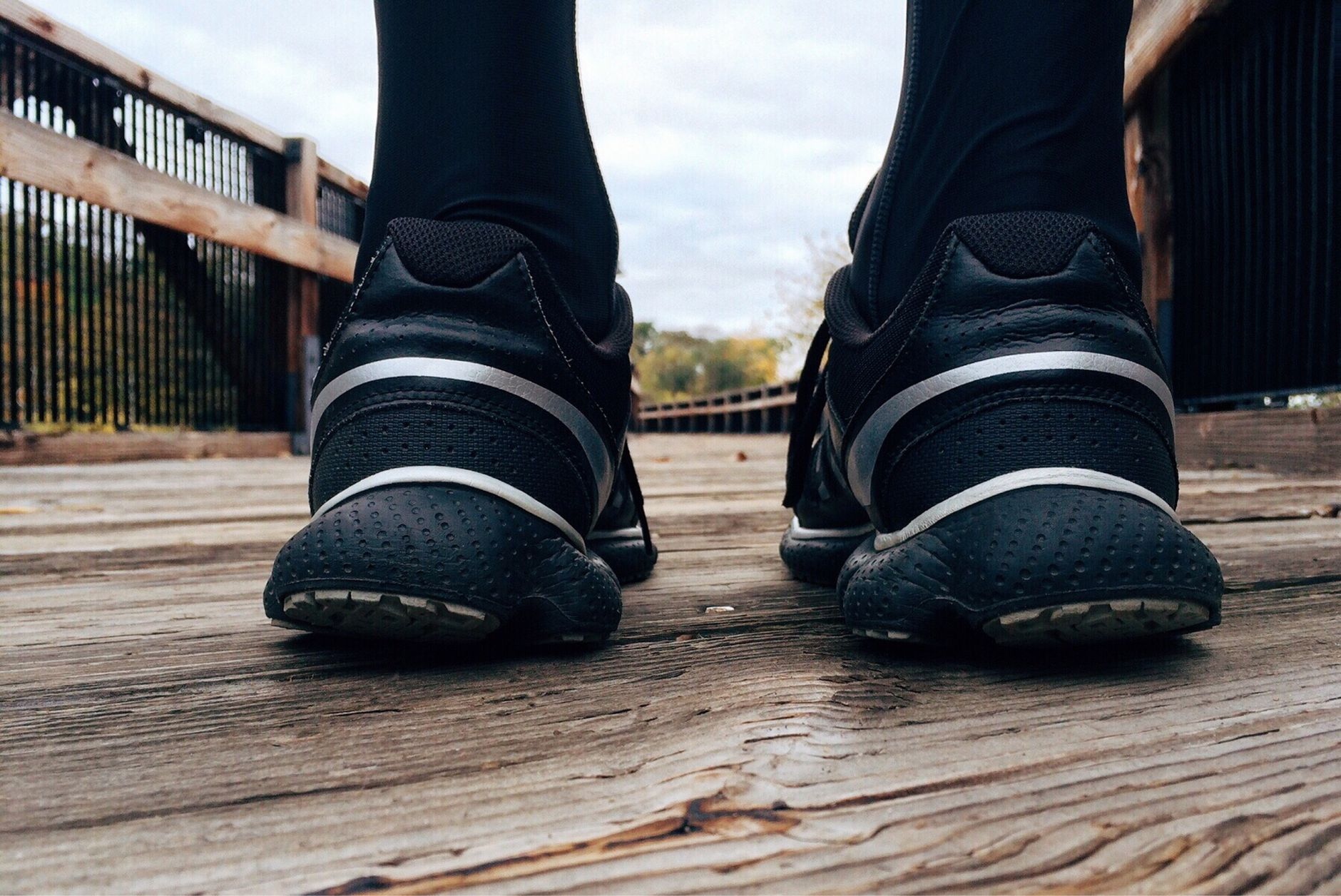
Footwear is non-negotiable for walking with arthritis. Shoes with good arch support, cushioning, and a firm heel cup reduce the shock transmitted to your ankles, knees, and hips. Flat shoes, slip-ons, or old sneakers are poor choices because they don’t stabilize your foot and force your joints to work harder to maintain balance. Proper walking shoes cost $80 to $150, which feels expensive until you realize that the right shoes can mean the difference between walking comfortably for 30 minutes or limping home after 10 minutes. Many specialty running stores offer gait analysis—they watch you walk and recommend shoes based on how your feet strike the ground. This is worth the investment. Insoles are often overlooked but incredibly helpful.
Custom or over-the-counter insoles that provide arch support and cushioning can reduce arthritis pain in the knees and hips by improving foot mechanics. The trade-off: custom insoles cost $200 to $500, while over-the-counter options cost $20 to $60. For many people with mild arthritis, a good over-the-counter insole works fine. For those with severe arthritis or unusual gait patterns, custom insoles may be necessary. Other helpful accessories include a walking pole or cane if balance is an issue, which is not about limitation—it’s about safety and confidence. Using a pole or cane redistributes weight away from your affected joints and reduces pain significantly. A lightweight walking pad or small backpack for carrying water is practical because staying hydrated matters and taking a water break gives you a natural pause to assess how you’re feeling. Compression sleeves for knees or ankles can provide proprioceptive feedback (helping you sense where your joint is in space), though the evidence for pain relief is mixed.
Warning Signs That You Should Stop Walking and Modify Your Routine
Sharp, stabbing pain during walking is a warning sign to stop immediately. This differs from the dull, aching soreness of arthritis—sharp pain indicates potential tissue damage and shouldn’t be pushed through. If you feel a sudden sharp pain in your knee, stop walking, rest, and if it persists, consult your doctor before the next walk. Swelling that develops during or immediately after walking, or swelling that lasts more than a few hours, is another warning. Mild swelling is normal after activity, but significant swelling suggests you’ve overdone it. Pain that worsens the next day or lasts two days is a sign to reduce your walking duration and frequency. This is a limitation of walking for arthritis that people don’t always understand: your body needs recovery time.
If you walk five days in a row, your joints are under constant stress without rest days for repair. Switching to three to four days per week with rest days between them often resolves persistent pain. Balance problems, dizziness, or feeling unstable are serious warnings—stop immediately and contact your doctor. These can indicate neurological issues, medication side effects, or other health problems unrelated to arthritis, and walking should not continue until you’ve been cleared. Fatigue that seems disproportionate to the walking distance can indicate overtraining or an underlying health issue like anemia or thyroid problems. If a 20-minute walk leaves you exhausted for hours, talk to your doctor rather than pushing through. This is different from normal exercise-related tiredness—it’s an unusual level of fatigue that suggests something is off.

Building a Walking Routine That You’ll Actually Stick With
Consistency matters more than perfection. Walking 15 minutes three days a week beats walking 45 minutes once a month. The best routine is one you’ll maintain for months and years, not one that sounds impressive on paper but becomes unsustainable. Many people do better with a scheduled time—Monday, Wednesday, Friday at 9 a.m., for example—because it becomes habit rather than a decision you make each day. Walking with a friend or group adds accountability and social connection, which are both protective factors for aging adults.
Music or audiobooks can make walking more enjoyable, though some people with arthritis need to focus on their body sensations and breathing, so silence or nature sounds work better. Tracking progress—using a step counter, marking walks on a calendar, or noting pain levels—provides motivation to continue. Seeing that you walked 75 minutes last week and 90 minutes this week is encouraging. However, don’t obsess over step counts; some arthritis advice relies on 10,000-step goals, which is too much for many people with severe arthritis. Focus on consistency and how you feel, not hitting arbitrary numbers.
Walking as Part of a Broader Strategy for Living Independently With Arthritis
Walking alone won’t reverse arthritis, but combined with other strategies—strength training for non-walking days, flexibility work, weight management if needed, proper pain management, and anti-inflammatory medication as prescribed—it becomes a powerful tool for maintaining independence. Many older adults who walk consistently report that they can do more of the activities they value: playing with grandchildren, gardening, traveling, or managing household tasks without assistance.
Walking preserves the ability to live independently longer than almost any other single intervention. As you age with arthritis, walking becomes even more important because it’s one of the few activities that simultaneously addresses cardiovascular health, bone density, muscle strength, balance, and mental health. Looking forward, the goal isn’t to become a competitive walker or train for races—it’s to keep your joints moving, your muscles strong, and your independence intact so you can do what matters to you as you age.
Conclusion
Walking for arthritis is proven, accessible, and sustainable, but it requires understanding your limitations and committing to consistency rather than intensity. The pain relief and functional improvements don’t come overnight, but they’re real and often dramatic after four to eight weeks of regular walking.
Starting slowly with 10 to 15 minutes three days a week, investing in proper footwear, and respecting warning signs will help you avoid setbacks and build a routine that lasts. If you have arthritis and are not currently walking, talk to your doctor about a safe starting point, get fitted for proper walking shoes, and commit to a schedule you can maintain. Your independent future depends on movement, and walking is one of the gentlest, most effective ways to get it.
Frequently Asked Questions
Is it better to walk on a treadmill or outdoors with arthritis?
Outdoor walking engages more stabilizer muscles and is psychologically more sustainable for most people, but a treadmill works if you’re consistent with it. The best choice is whichever one you’ll actually do regularly.
How long before I notice pain relief from walking?
Most people notice reduced morning stiffness and improved mobility within two to four weeks of consistent walking. More significant pain reduction typically appears after six to eight weeks.
Can I walk every day with arthritis, or do I need rest days?
Rest days are important for joint recovery. Three to five days per week with at least one rest day between walks is safer than daily walking, which can lead to overuse flare-ups.
What shoes should I buy for walking with arthritis?
Look for shoes with firm arch support, good cushioning, and a stable heel. Visit a specialty running store for gait analysis if possible. Expect to spend $80 to $150 on quality shoes.
What if walking makes my arthritis hurt more?
You may be walking too far, too fast, or too often. Reduce the duration by half and try again in a few days. If pain continues or worsens, consult your doctor—you may need physical therapy guidance before starting a walking program.
Is walking better than other exercises for arthritis?
Walking is excellent and low-impact, but it works best combined with strength training on non-walking days. Swimming and water aerobics are also gentler on joints, while running or high-impact sports are usually not recommended for arthritis.